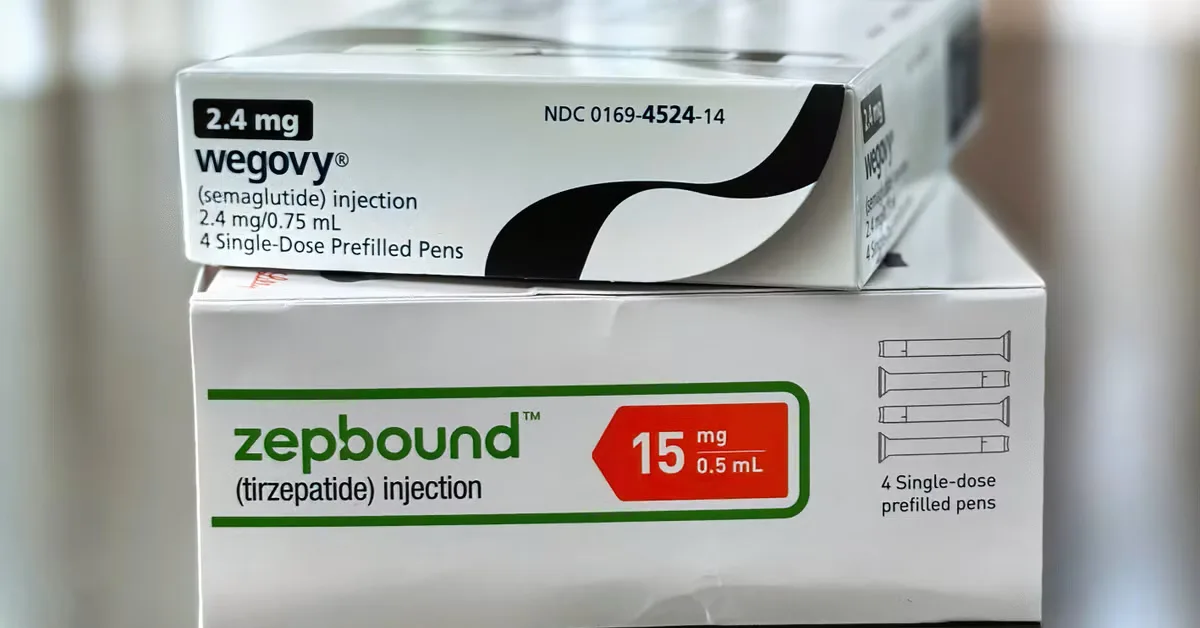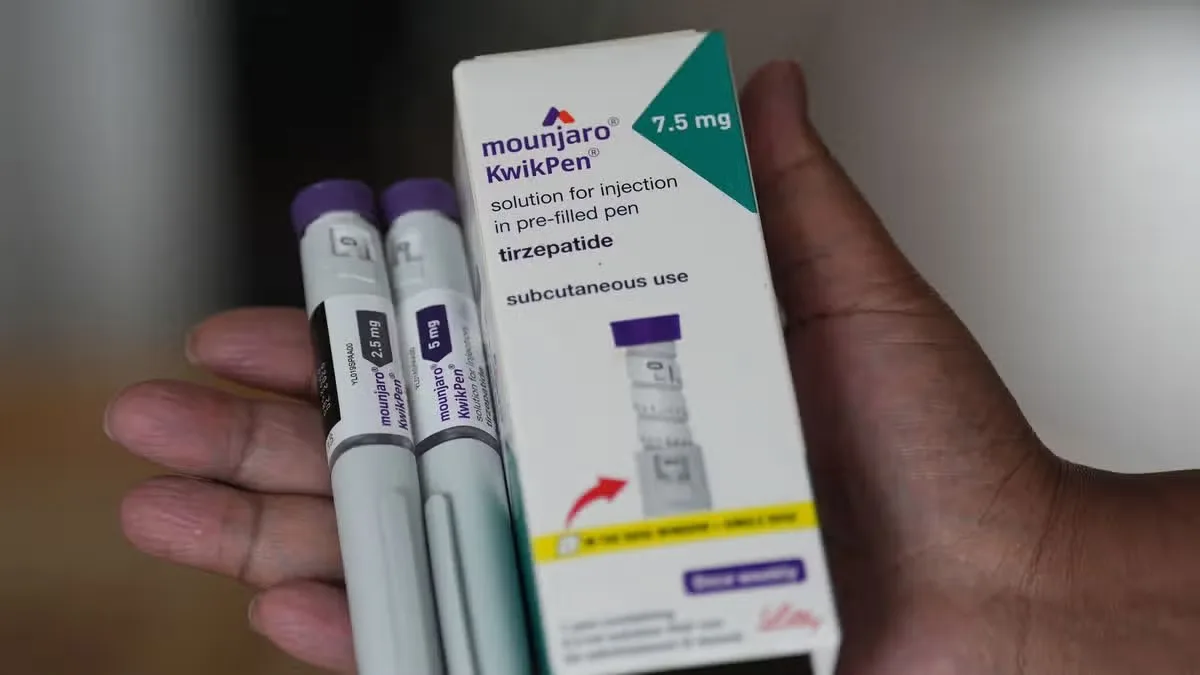

The medical community has been closely watching the rollout of tirzepatide, marketed under brand names like Mounjaro and Zepbound, as it represents a significant advancement in treating obesity and type 2 diabetes. While the drug has generated substantial headlines for its ability to help patients shed pounds, often outperforming earlier GLP-1 options like Ozempic, a critical question remains regarding who benefits most from the treatment. Recent clinical data suggests that the answer lies in biological sex, revealing a distinct disparity in outcomes between male and female patients. This finding challenges previous assumptions about how age and baseline weight might drive results, pointing instead to physiological differences that affect drug metabolism and hormonal response.
Understanding these nuances is essential for patients and providers alike, as it influences expectations and treatment adherence. When patients see how their specific biology interacts with medication, they can better track their progress using tools like Shotlee to monitor symptoms, doses, and weight changes. The following analysis breaks down the latest findings, explores the biological mechanisms behind the data, and outlines what this means for the broader landscape of weight loss therapy.
What Does New Research Say About Women Losing Weight on Mounjaro?
Research indicates that women lose significantly more weight than men when treated with tirzepatide, a GLP-1 receptor agonist used for type 2 diabetes and obesity management. In a study published in the journal Obesity, female participants achieved a 15% reduction in body weight after 15 months of continuous treatment, whereas male participants lost approximately 11%. This disparity suggests that biological sex is a stronger predictor of efficacy than age or baseline body mass index. The data highlights a critical nuance in how hormonal profiles and metabolic clearance rates differ between genders, potentially offering a clearer path for personalized treatment plans. This trend aligns with broader meta-analyses involving nearly 20,000 individuals on similar medications, reinforcing that the phenomenon is not isolated to a single compound. Understanding these variations allows clinicians to set realistic expectations and adjust dosing strategies accordingly. For patients monitoring their journey, recognizing these statistical probabilities can reduce frustration and encourage adherence to the prescribed regimen.
The study specifically focused on overweight or obese individuals, ensuring the sample population was relevant to the drug's approved indications. By isolating the variable of sex, researchers were able to demonstrate that the drug's mechanism of action interacts differently with male and female physiology. This distinction is vital for healthcare providers who may have previously assumed that dosing adjustments were primarily based on weight or age rather than sex. As the field of obesity medicine evolves, these granular data points will likely become standard considerations in treatment protocols.
Why Do Women Experience Greater Weight Loss Than Men on GLP-1 Therapy?
Several physiological theories explain why women appear to have vastly different results compared to men on GLP-1 medications, primarily centering on drug clearance rates and hormonal influence. One prominent theory suggests that women's bodies clear the drug from the bloodstream more slowly than men's, which may lead to higher sustained concentrations of the medication within the system. Additionally, hormones may enhance GLP-1 effects, particularly estrogen, which helps regulate appetite, fullness, energy use, and insulin sensitivity. This hormonal synergy could amplify the satiety signals sent by the drug, making it easier for women to adhere to dietary changes that accompany the therapy. These biological advantages may offset historical challenges women face regarding weight loss, such as lower muscle mass and differences in how the body stores fat.
It is important to note that while women may lose more percentage-wise, the total pounds lost can vary based on individual starting weights. However, the percentage of body weight lost is the standard metric for evaluating efficacy in clinical trials. The slower clearance rate implies that the therapeutic window might be effectively wider for women, allowing the drug to work more efficiently over the dosing interval. This biological reality underscores the importance of personalized medicine, where treatment plans are tailored to the specific metabolic profile of the patient rather than a one-size-fits-all approach.
How Do Age and Medical History Influence Tirzepatide Results?
While sex emerged as the strongest predictor of weight loss, other factors such as age, diabetes status, and prior medication history also play significant roles in determining outcomes. The study found that participants under 45 did lose more than those over 60, with a 15% loss in the younger group compared with 12% in the older group, yet age was not the strongest predictor of results. Greater weight loss was also observed in people who did not have Type 2 diabetes, had never used a weight-loss medication before, and took a higher dose of tirzepatide. These findings suggest that metabolic resilience and treatment-naivety are key drivers of success alongside biological sex.
The impact of prior medication use is particularly notable, as patients who have not previously tried weight-loss drugs may respond more robustly to tirzepatide. This could be due to receptor sensitivity or the absence of tolerance mechanisms that sometimes develop with long-term use of other therapies. For patients managing Type 2 diabetes, the metabolic burden of the disease itself may complicate weight loss efforts, though the drug still provides significant benefits. Clinicians should consider these historical factors when setting goals, ensuring that patients understand how their specific medical background influences their trajectory.
Do These Findings Apply to Other Medications Like Ozempic or Wegovy?
Yes, similar sex-based disparities have been observed in other medications within the GLP-1 class, including semaglutide and dulaglutide, which are the active ingredients in Ozempic and Wegovy. In a meta-analysis of nearly 20,000 people taking drugs such as semaglutide and dulaglutide, women lost about 11% of their body weight, compared with about 7% for their male counterparts. Once again, the researchers compared factors that could influence weight loss, including age, race, ethnicity, and body mass index, and found that gender was the factor associated with the largest difference. This consistency across different compounds suggests a class-wide biological effect rather than an anomaly specific to tirzepatide.
The following table summarizes the key comparative data points from the research:
| Medication Class | Active Ingredient | Women Weight Loss | Men Weight Loss |
|---|---|---|---|
| Tirzepatide | Mounjaro/Zepbound | 15% | 11% |
| GLP-1 Agonist | Semaglutide/Dulaglutide | 11% | 7% |
This data reinforces the importance of understanding the broader context of GLP-1 therapy. Patients switching between medications or comparing options should be aware that sex-based differences are a consistent feature of this drug class. This knowledge helps in selecting the right medication and setting appropriate expectations for the duration and intensity of the treatment journey.
Precision tracking for your journey
Join thousands using Shotlee to accurately track GLP-1 medications and side effects.
📱 Get the Shotlee App
Track your GLP-1 medications, peptides, and health metrics on the go with our mobile app!
What Are the Additional Health Implications for Female Patients?
There are potential benefits for women taking GLP-1 drugs that extend beyond shrinking waistlines, including possible reductions in cancer risk. Other studies have also found that women taking GLP-1 drugs may be less likely to develop breast cancer, although this area requires further long-term investigation. The anti-inflammatory properties of GLP-1 receptor agonists may contribute to this protective effect, though the exact mechanism is still being studied. For women managing obesity, which is itself a risk factor for various cancers, the dual benefit of weight loss and potential cancer risk reduction could be significant.
These additional health implications add weight to the decision to pursue GLP-1 therapy for eligible patients. It is not merely about aesthetics or weight management but also about long-term systemic health. As research continues to evolve, patients should stay informed about emerging data regarding cancer risk, cardiovascular health, and other comorbidities. Tracking these health markers alongside weight loss can provide a comprehensive view of the therapy's impact on overall well-being.
Practical Takeaways for Maximizing Results
To optimize outcomes on tirzepatide or similar GLP-1 medications, patients should focus on the factors they can control while respecting their biological predispositions. The following steps can help support the medication's efficacy:
- Adhere to Dosing Schedules: Consistency is key, as the drug relies on stable blood levels to regulate appetite and metabolism effectively.
- Monitor Nutritional Intake: Even with reduced appetite, ensuring adequate protein and nutrient intake supports muscle retention and metabolic health.
- Track Symptoms and Side Effects: Using a health tracking tool like Shotlee allows you to log nausea, fatigue, or energy levels alongside weight metrics.
- Engage in Physical Activity: Resistance training helps mitigate muscle loss, which can occur during rapid weight reduction phases.
- Manage Expectations: Understanding that women may lose more weight than men can help frame personal progress within a realistic statistical context.
By combining medical treatment with lifestyle modifications and diligent tracking, patients can navigate their weight loss journey more effectively. The goal is sustainable health improvement rather than just a number on the scale.
Conclusion
The latest research into Mounjaro and other GLP-1 medications reveals a clear pattern: women tend to achieve greater percentage-based weight loss than men. This difference is driven by biological factors such as drug clearance rates and hormonal interactions, rather than just age or starting weight. While these findings offer valuable insights for clinicians, they also provide patients with a clearer understanding of what to expect during treatment. By leveraging this knowledge and utilizing tools to track progress, individuals can make informed decisions about their health and achieve better long-term outcomes.
Frequently Asked Questions
1. Does Mounjaro work better for women than men?
Yes, clinical studies indicate that women lose significantly more weight percentage-wise than men. In the study published in Obesity, women lost 15% of their body weight compared to 11% for men after 15 months of treatment.
2. Why do women lose more weight on GLP-1 drugs?
Theories suggest that women clear the drug from their bloodstream more slowly and that estrogen enhances the appetite-regulating effects of GLP-1 receptor agonists, leading to greater efficacy.
3. Does age affect how well Mounjaro works?
Age does play a role, with younger participants (under 45) losing slightly more weight than older participants (over 60). However, sex was found to be a stronger predictor of results than age.
4. Are these results the same for Ozempic and Wegovy?
Similar trends have been observed with semaglutide and dulaglutide. A meta-analysis showed women lost about 11% of their weight compared to 7% for men on these medications.
5. Does tirzepatide offer health benefits beyond weight loss for women?
Beyond weight loss, some studies suggest women taking GLP-1 drugs may have a lower likelihood of developing breast cancer, though more research is needed to confirm this protective effect.