Why Is Nutrition Crucial When Taking Weight Loss Injections?
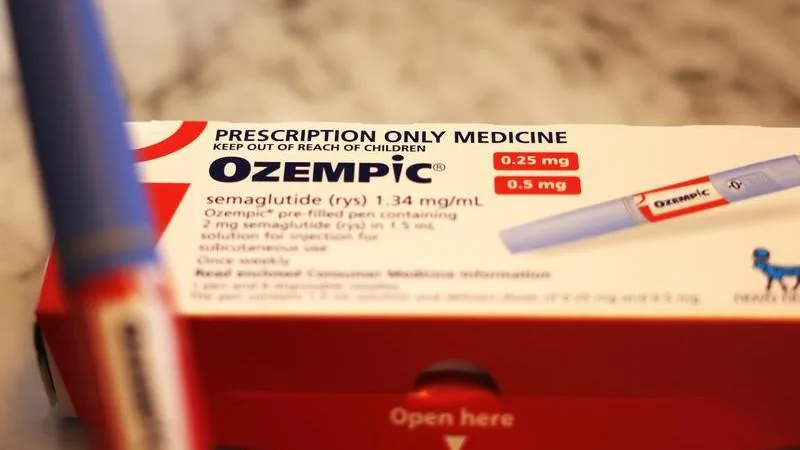
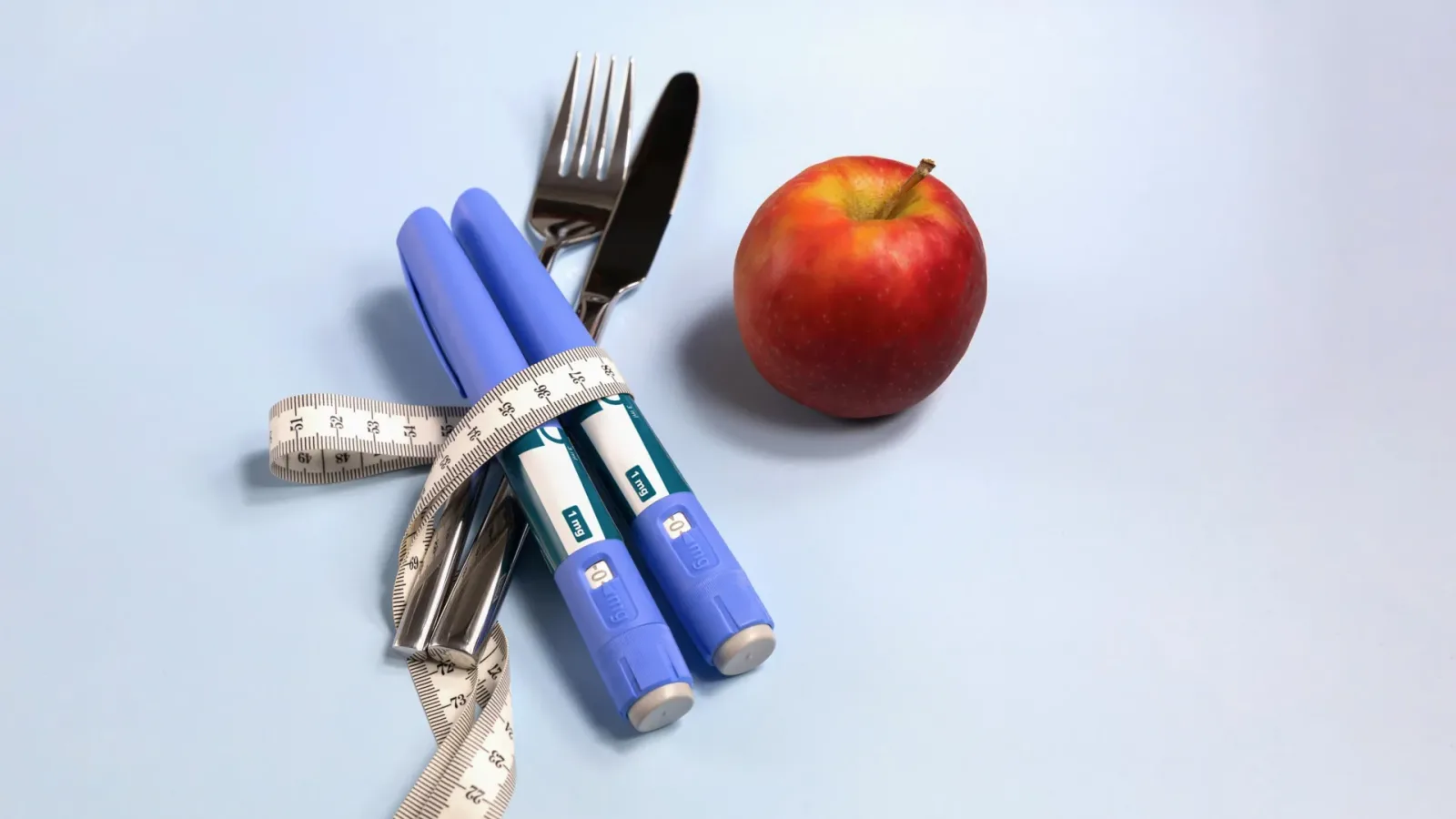
When you start using medications like Ozempic, Wegovy, or Mounjaro, the immediate change is often a significant reduction in appetite, which can lead to accidental nutrient deficiencies. Although these drugs effectively signal satiety to the brain, they do not alter your body's fundamental requirement for protein, vitamins, and minerals that support daily physiological functions. If you simply eat less without prioritizing food quality, you risk losing lean muscle mass alongside body fat, which can lower your metabolic rate and lead to fatigue. Research indicates that without adequate protein intake and resistance training, up to 25% of weight lost on GLP-1 therapy may be lean tissue rather than fat. Therefore, the goal shifts from simply eating less to eating smarter, ensuring that every calorie consumed delivers maximum nutritional value to protect your bone density and metabolic health while the medication manages your hunger.
This shift in strategy is particularly important for women, who are already at a higher risk for bone density issues and muscle loss as they age. By consciously selecting nutrient-dense foods, you can mitigate the side effects of rapid weight loss and ensure long-term health sustainability. Shotlee users often find that tracking their specific nutrient intake helps them stay aligned with these goals, ensuring they do not fall into the trap of undereating essential macronutrients.
Which Protein-Rich Foods Best Preserve Muscle Mass?
To effectively preserve muscle mass while on GLP-1 therapy, you must prioritize high-quality protein sources that are easy to digest and rich in essential amino acids, as rapid weight loss can otherwise lead to significant muscle catabolism. Protein is the building block for tissue repair and immune function, and without sufficient intake, the body may break down muscle to access energy when calorie intake drops. Eggs and tofu are particularly excellent choices because they provide high biological value protein alongside critical micronutrients like choline and iodine, which support thyroid function and brain health. For example, two large eggs provide approximately 12 grams of protein and essential nutrients that are often lacking in a reduced-calorie diet.
If you prefer plant-based options, firm tofu offers a comparable protein profile and can be fortified with calcium to support bone strength. Greek yoghurt is another superior option because it delivers a high protein concentration in a small volume, making it ideal when you feel full quickly. Incorporating these foods into your daily routine ensures that your body has the necessary resources to maintain lean tissue, which is crucial for keeping your metabolism active and your strength levels stable during treatment.
How Can You Prevent Constipation and Support Gut Health?
Constipation is one of the most frequently reported side effects of GLP-1 medications, making dietary fibre intake a critical component of your daily nutritional plan to maintain digestive regularity. When bowel movements slow down, it can cause discomfort and bloating, which may discourage you from continuing your treatment or lead to unhealthy eating habits to compensate. Beans, lentils, and chickpeas are exceptional sources of soluble and insoluble fibre that not only feed beneficial gut bacteria but also add bulk to stool to facilitate movement through the digestive tract. A single cup of lentils can provide over 15 grams of fibre, which is a significant portion of the recommended daily intake for women.
Berries are another powerful ally in this regard, offering a concentrated source of fibre and polyphenols that support a healthy microbiome without adding excessive calories. However, it is important to introduce these high-fibre foods gradually to avoid gas and bloating, while ensuring you drink plenty of water to help the fibre work effectively. By making these foods a staple, you can manage the gastrointestinal side effects of the medication and maintain a healthy gut environment, which is essential for overall immunity and nutrient absorption.
Precision tracking for your journey
Join thousands using Shotlee to accurately track GLP-1 medications and side effects.
📱 Get the Shotlee App
Track your GLP-1 medications, peptides, and health metrics on the go with our mobile app!
What Fats and Micronutrients Are Essential for Heart and Brain?
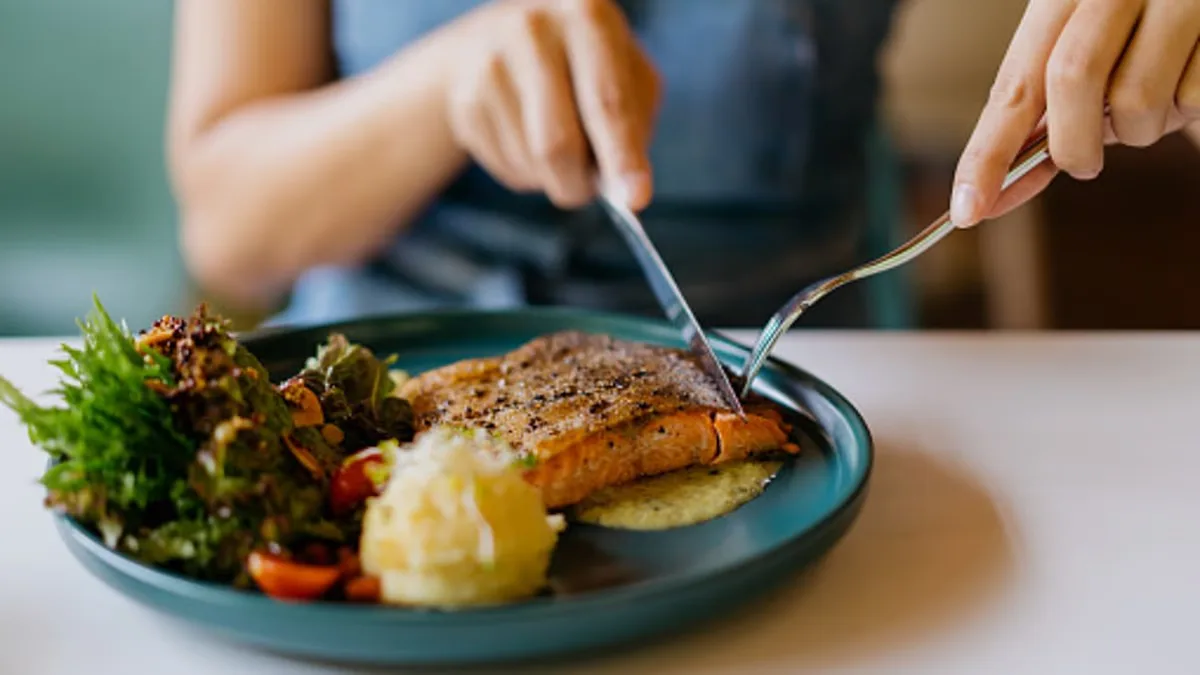
Essential fatty acids and micronutrients are vital for maintaining cognitive function and cardiovascular health, especially when dietary variety decreases due to reduced appetite and portion sizes. Oily fish such as salmon, mackerel, and sardines provide long-chain omega-3 fats EPA and DHA, which are directly linked to reduced inflammation and improved heart and eye health. These fats are particularly important because they cannot be produced efficiently by the human body and must be obtained through diet, making them non-negotiable for long-term wellness on any weight loss journey. Sardines also offer a unique advantage by providing edible bones that contribute significantly to calcium intake, supporting bone density.
For those who do not consume fish, seeds like pumpkin, chia, and hemp offer a robust alternative to meet these nutritional needs. Chia seeds are rich in soluble fibre that forms a gel to support bowel regularity, while hemp seeds provide a complete protein profile alongside healthy fats. Incorporating a tablespoon of mixed seeds into your meals is a simple strategy that boosts the nutritional density of your food without increasing the volume you need to eat. This ensures you receive the fats necessary for hormone regulation and brain health, which are often compromised when calorie intake is severely restricted.
How Can You Track Progress and Nutrition While on Medication?
Successfully navigating a GLP-1 treatment plan requires active monitoring of both your physical symptoms and your nutritional intake to ensure you are meeting your health goals without compromising your well-being. While the medication handles appetite regulation, it cannot track your protein consumption or fibre intake, which are variables you must manage consciously to prevent muscle loss and digestive issues. Using a health tracking tool like Shotlee allows you to log meals, dosage, and symptoms in one place, providing a comprehensive view of how specific foods affect your energy levels and side effects. This data can help you identify patterns, such as which protein sources best prevent nausea or which fibre levels cause discomfort.
By maintaining a clear record, you can make informed adjustments to your diet that align with your medical treatment. For instance, if you notice increased fatigue, your logs might reveal a protein shortfall that needs addressing with eggs or yoghurt. This proactive approach empowers you to work in partnership with your healthcare provider, ensuring that your weight loss journey is not just about shedding pounds, but about optimizing your overall health profile and maintaining the muscle mass necessary for a healthy metabolism.
Summary of Key Nutrients in Recommended Foods
| Food Category | Primary Nutrient | Key Benefit | Example Serving |
|---|---|---|---|
| Eggs / Tofu | High-Quality Protein | Muscle Preservation | 2 Eggs or 100g Tofu |
| Greek Yoghurt | Protein & Calcium | Bone Health & Satiety | 1 Cup |
| Oily Fish | Omega-3 Fats | Heart & Brain Health | 100g Salmon |
| Beans / Lentils | Fibre & Iron | Gut Regularity | 1 Cup Cooked |
| Berries | Polyphenols & Fibre | Gut Microbiome Support | 1 Cup Frozen |
| Seeds | Healthy Fats & Magnesium | Hormone Regulation | 1 Tablespoon |
Practical Takeaways for Your Diet
- Prioritize Protein: Aim for 20-30 grams of protein at every meal to protect muscle mass.
- Hydrate with Fibre: Increase water intake when adding beans or seeds to prevent constipation.
- Choose Nutrient Density: Focus on foods that offer multiple vitamins and minerals per calorie.
- Monitor Side Effects: Track nausea and digestion changes using a health app like Shotlee.
- Stay Consistent: Regular resistance exercise combined with proper nutrition maximizes results.
Conclusion
Transitioning to weight loss injections is a significant step in managing obesity, but it requires a parallel commitment to nutritional excellence to ensure long-term success. By focusing on these six specific food groups, you can mitigate the risks of muscle loss and digestive issues while maximizing the benefits of the medication. The goal is not just to reduce weight, but to improve the quality of your body composition and overall health. With the right food choices and careful tracking, you can navigate this treatment safely and effectively.
Frequently Asked Questions
- Can I lose muscle while taking Ozempic? Yes, without adequate protein intake and resistance exercise, a portion of the weight lost on Ozempic can be lean muscle rather than fat, which is why prioritizing protein is essential.
- Is fibre safe to consume if I have nausea on GLP-1s? Yes, fibre is crucial for preventing constipation, a common side effect, but it should be introduced gradually with plenty of water to avoid exacerbating nausea.
- What is the best time to eat eggs for breakfast? Eating eggs in the morning helps stabilize blood sugar and provides sustained protein for the day, which is helpful when appetite is suppressed later.
- Do I need supplements if I eat oily fish? Most people do not need supplements if they eat oily fish twice a week, but algae-based omega-3s are a good alternative for vegetarians or vegans on GLP-1s.
- How does Shotlee help with GLP-1 tracking? Shotlee allows you to log dosage, symptoms, and food intake in one place, helping you identify correlations between your diet and side effects like nausea or fatigue.