
Introduction
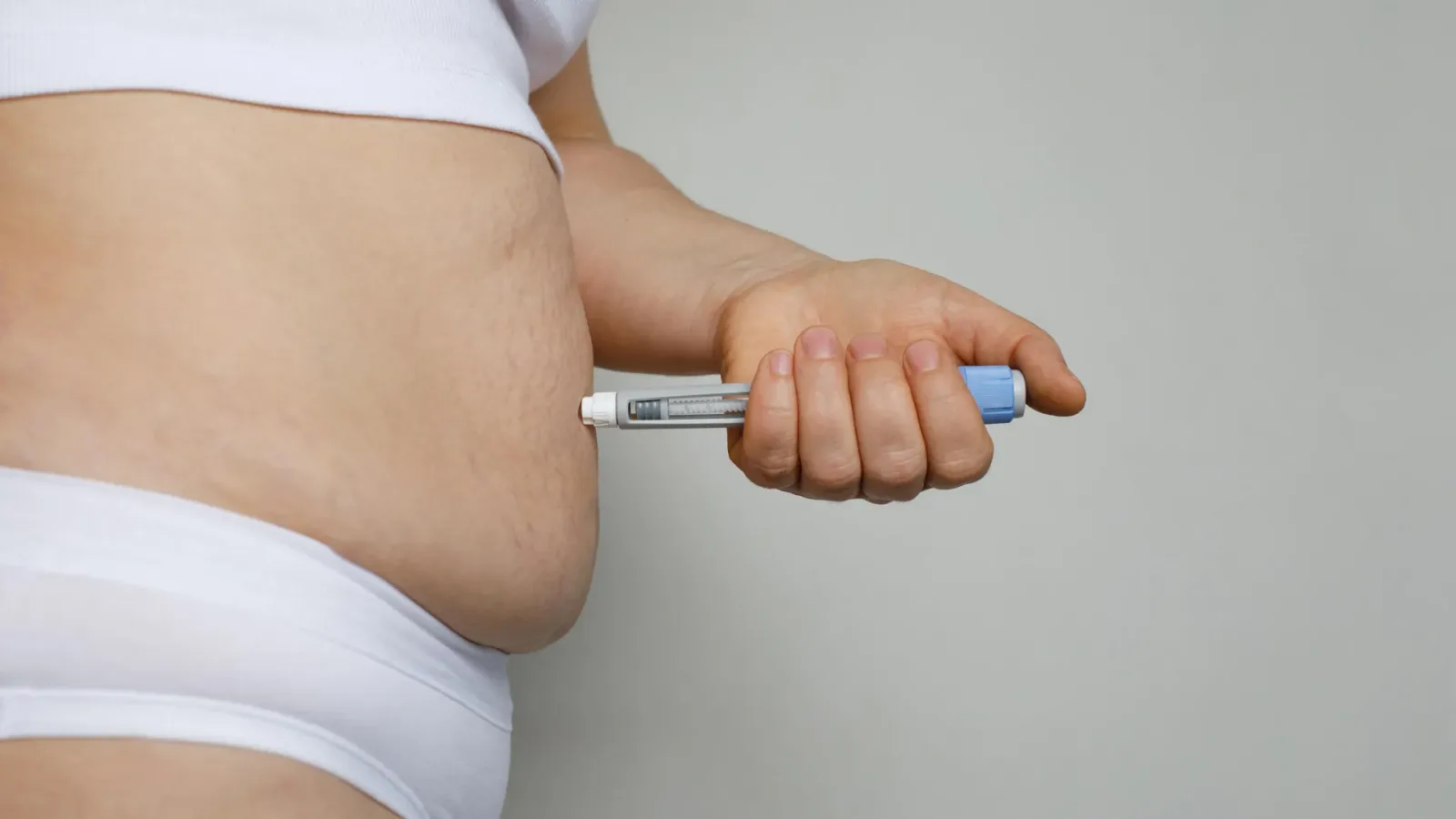
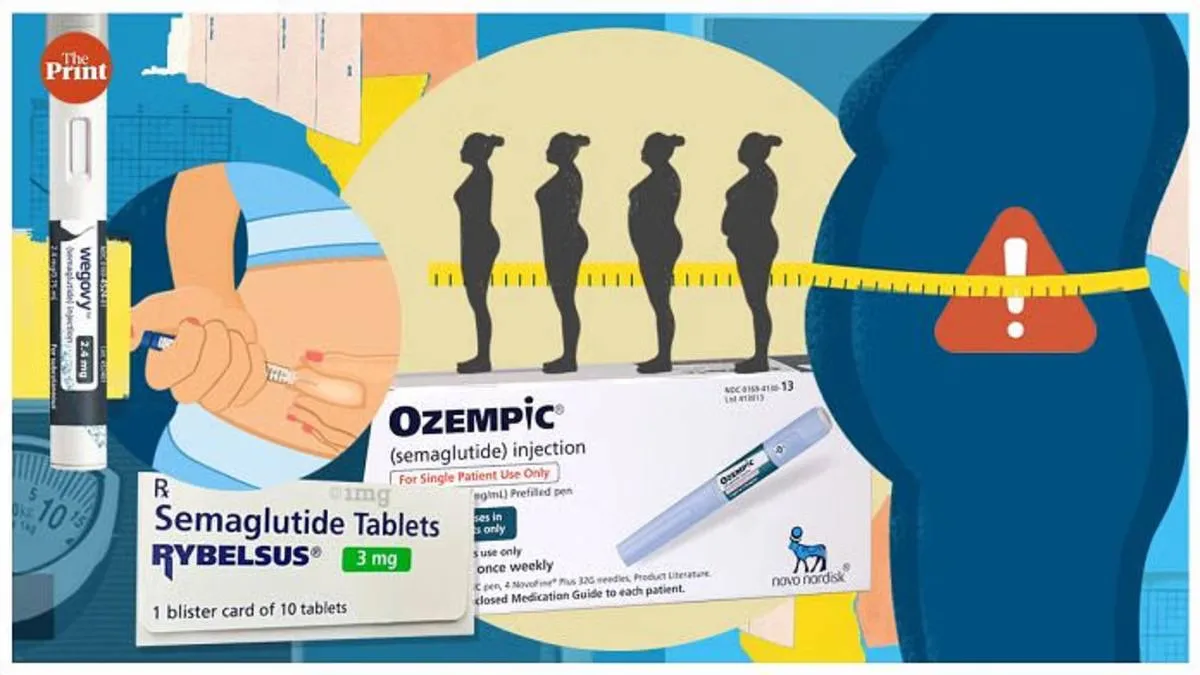
GLP-1 receptor agonists like Ozempic and Wegovy have transformed weight management and diabetes care, helping millions shed substantial pounds and improve metabolic health. Yet, a common question arises: what happens when you stop taking Ozempic or Wegovy? With nearly 18% of U.S. adults having tried these drugs, about half discontinue within a year, often unprepared for the consequences.
Research reveals a sobering reality: most users regain lost weight rapidly, along with the reversal of key health improvements. This guide draws on clinical studies, expert insights, and physiological explanations to provide a comprehensive overview. Whether you're on a GLP-1, considering one, or planning to stop, understanding these effects empowers informed decisions.
Understanding GLP-1 Medications
How GLP-1 Drugs Work
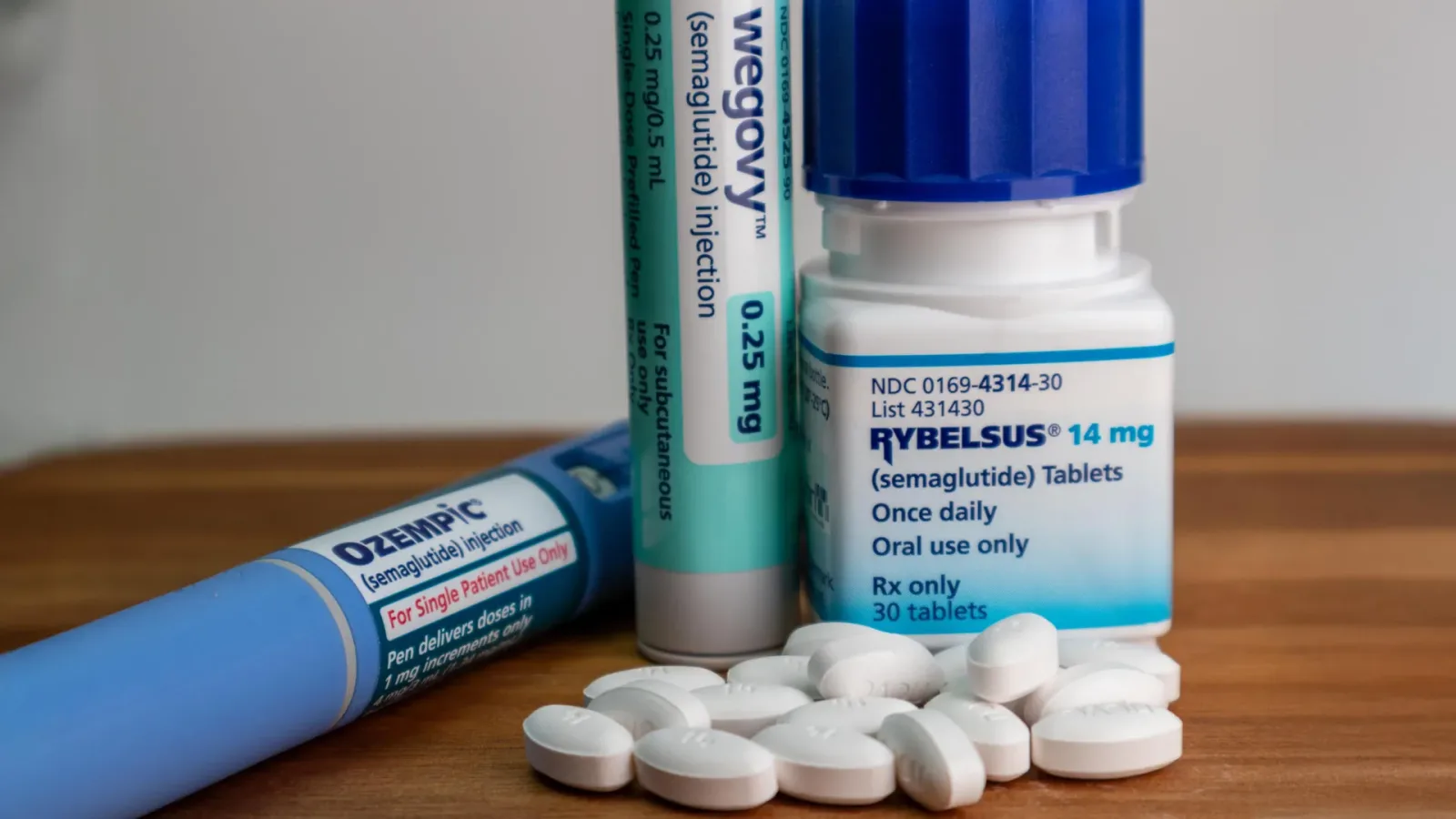
GLP-1 (glucagon-like peptide-1) medications mimic gut hormones released after eating. They slow gastric emptying, signal fullness to the brain, and reduce appetite—often described as silencing 'food noise.' Semaglutide (Ozempic for type 2 diabetes, Wegovy for obesity) targets GLP-1 receptors primarily. Tirzepatide (Mounjaro for diabetes, Zepbound for weight loss) adds GIP receptor activation, enhancing insulin release and fat metabolism for potentially greater efficacy.
Clinically, users lose 15-20% of body weight over 68 weeks in trials like STEP (semaglutide) and SURMOUNT (tirzepatide). But these are chronic disease treatments, not quick fixes, akin to statins for cholesterol.
Key GLP-1 Drugs: Dosing and Indications
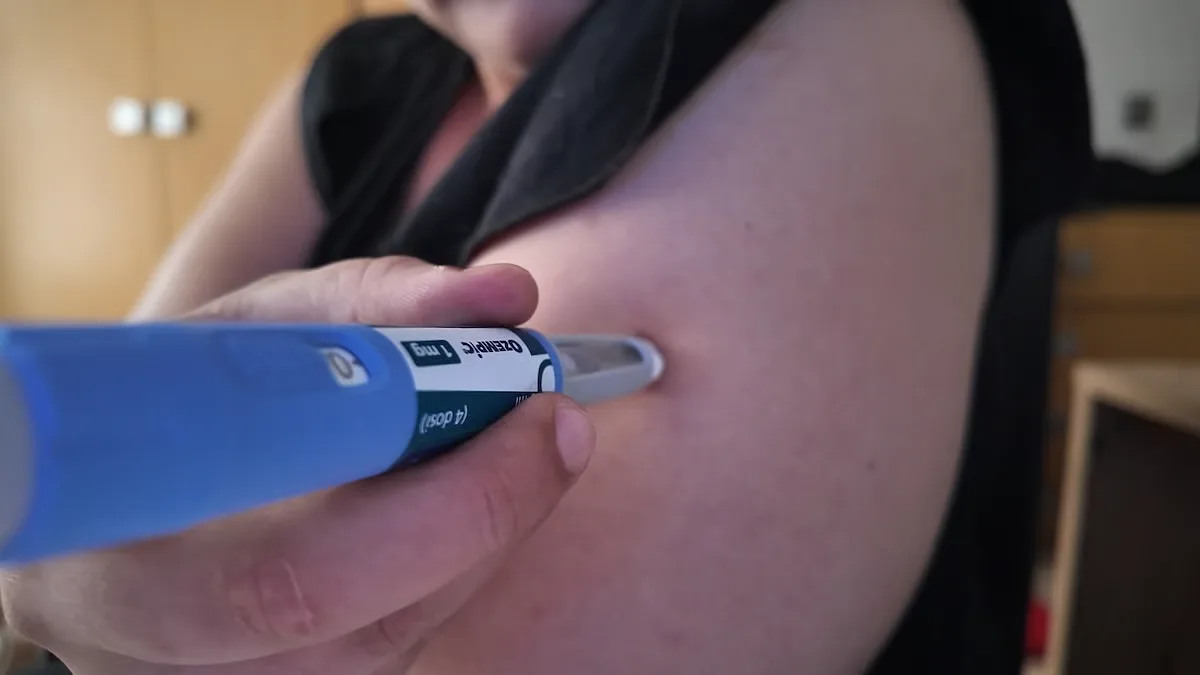
- Ozempic (semaglutide): Weekly injection, starts at 0.25 mg, titrates to 2.4 mg. FDA-approved for type 2 diabetes; off-label for weight loss.
- Wegovy (semaglutide): Higher max dose (2.4 mg) specifically for obesity (BMI ≥30 or ≥27 with comorbidities).
- Mounjaro/Zepbound (tirzepatide): Dual agonist, doses up to 15 mg weekly; superior weight loss in head-to-head trials (e.g., 21% vs. 15% for semaglutide).
Shortages and high costs (often $1,000+/month without insurance) contribute to discontinuation rates.
What Happens Physiologically When You Stop
Rapid Weight Regain: The Data
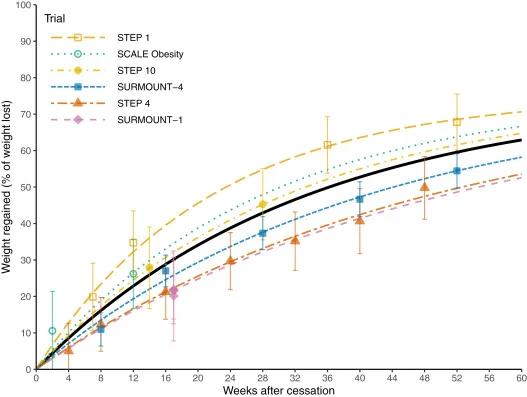
A landmark BMJ review (2024) analyzed 37 studies, including six on GLP-1s. Participants lost an average of 32 pounds on therapy but regained 21 pounds in year one post-stoppage—four times faster than lifestyle-only interventions, where baseline weight took four years to return.
"It's virtually parallel with weight gain," notes lead author Sam West, PhD, from University of Oxford.
By 1.5 years, most regain nearly all lost weight. Tirzepatide users show similar patterns, per SURMOUNT-4 trial extensions.
Reversal of Metabolic Benefits
While on GLP-1s, blood pressure drops 5-10 mmHg, LDL cholesterol improves 5-10%, and HbA1c falls 1-2%. Post-discontinuation, these revert to baseline within 1.4 years, mirroring weight trajectories.
Why Weight Regain Occurs: Metabolic Adaptation and Appetite Surge
The Biology of Adaptation
Weight loss triggers metabolic adaptation: your body downregulates resting energy expenditure (REE) by 10-15% beyond what's expected from fat loss alone. Basal metabolic rate slows, conserving energy—a survival mechanism from evolutionary famines, as explained by obesity specialist Dr. Gitanjali Srivastava of Vanderbilt.
GLP-1s suppress this while active, but stopping unleashes it. NIH researcher Kevin Hall's studies show post-loss appetite increases drive overeating: hormones like ghrelin rise, while leptin (satiety signal) falls disproportionately.
Dr. Katherine Saunders of Weill Cornell notes: "Hunger and food noise return with a vengeance," unlike gradual diet lapses.
Precision tracking for your journey
Join thousands using Shotlee to accurately track GLP-1 medications and side effects.
📱 Get the Shotlee App
Track your GLP-1 medications, peptides, and health metrics on the go with our mobile app!
Body Composition Shifts and Weight Cycling Risks
Weight loss on GLP-1s includes 25-40% lean mass loss (muscle, water). Regain favors fat, especially visceral, worsening insulin resistance. Repeated cycling may impair muscle quality, per Dr. Robert Kushner of Northwestern.
Psychologically, regain fosters defeatism, reducing exercise adherence.
Clinical Evidence and Real-World Outcomes
Beyond BMJ, the STEP 1 trial extension found 2/3 of semaglutide weight loss regained after one year off-drug. A 2023 meta-analysis in Obesity Reviews confirmed dose-dependent regain velocity.
Few maintain losses long-term without meds—Kushner reports only a handful in his practice. Restarting isn't always effective; tolerance or yo-yo effects may blunt responses.
Strategies to Minimize Risks and Sustain Success
Combine with Lifestyle Interventions
Experts unanimously advocate integration: high-protein diets (1.2-1.6g/kg body weight) preserve muscle; resistance training counters adaptation; behavioral therapy builds habits.
Dr. Srivastava emphasizes: "Combine therapies for maximum benefit." Tools like Shotlee can track symptoms, side effects, and nutrition, aiding adherence.
Planning for Discontinuation
- Titrate slowly: Reduce dose gradually over months to blunt appetite rebound.
- Transition options: Switch to cheaper orals like metformin, phentermine, or older injectables (e.g., liraglutide).
- Counseling upfront: Frame as chronic therapy. Kushner advises: "Think of the day after stopping now."
- Short-term use? Viable for events (e.g., weddings), but pair with intensive post-plan.
Monitor with apps like Shotlee for personalized insights into post-GLP-1 changes.
Who Might Succeed Off-Drug?
Those with <5-10% loss, strong habits pre-therapy, or genetic advantages (e.g., favorable FTO variants) fare better, though rare.
Conclusion
Stopping Ozempic, Wegovy, or similar GLP-1s typically triggers swift weight regain (most within 1.5 years), metabolic reversal, and amplified appetite due to adaptation. Yet, doctors affirm their value when paired with counseling and lifestyle—view them as tools in chronic obesity management, not cures.
Consult your provider for personalized plans. Prioritize sustainable habits to extend benefits, turning potential setbacks into long-term victories.