A New Chapter for Medicare and Weight-Loss Medications
For years, the high cost of advanced weight-loss medications has kept many patients from accessing treatments that could significantly improve their long-term health outcomes. Medications like Wegovy and Zepbound have demonstrated remarkable efficacy in managing obesity and related comorbidities, yet the price tags often exceeded what seniors could afford under traditional Medicare coverage.
That landscape may be shifting. A new agreement involving the federal government and major pharmaceutical manufacturers suggests that eligible Medicare beneficiaries could soon access these life-changing therapies for as little as $50 per month. This development represents a potential turning point in how the healthcare system approaches obesity management among older adults.
This article breaks down the specifics of the new agreement, clarifies eligibility criteria, and explains how patients can best prepare for and manage their treatment journey using tools like Shotlee to track progress and symptoms.
Understanding the New Pricing Agreement
The core of this initiative is a cost-sharing arrangement between Medicare, Eli Lilly, and Novo Nordisk. These two manufacturers are the primary producers of the most widely prescribed GLP-1 receptor agonists currently available on the market.
Breaking Down the Costs
Under the terms of the deal, the financial structure is designed to make the medication sustainable for seniors on fixed incomes:
- Medicare Contribution: The federal program will cover approximately $245 per month.
- Beneficiary Out-of-Pocket: Eligible patients will be responsible for a flat rate of $50 per month.
Previously, without insurance coverage, a single month of treatment could cost upwards of $1,000 depending on the specific formulation and dosage. This reduction in cost is not merely a financial relief; it is a critical enabler for consistent adherence to therapy.
The Role of Pharmaceutical Partners
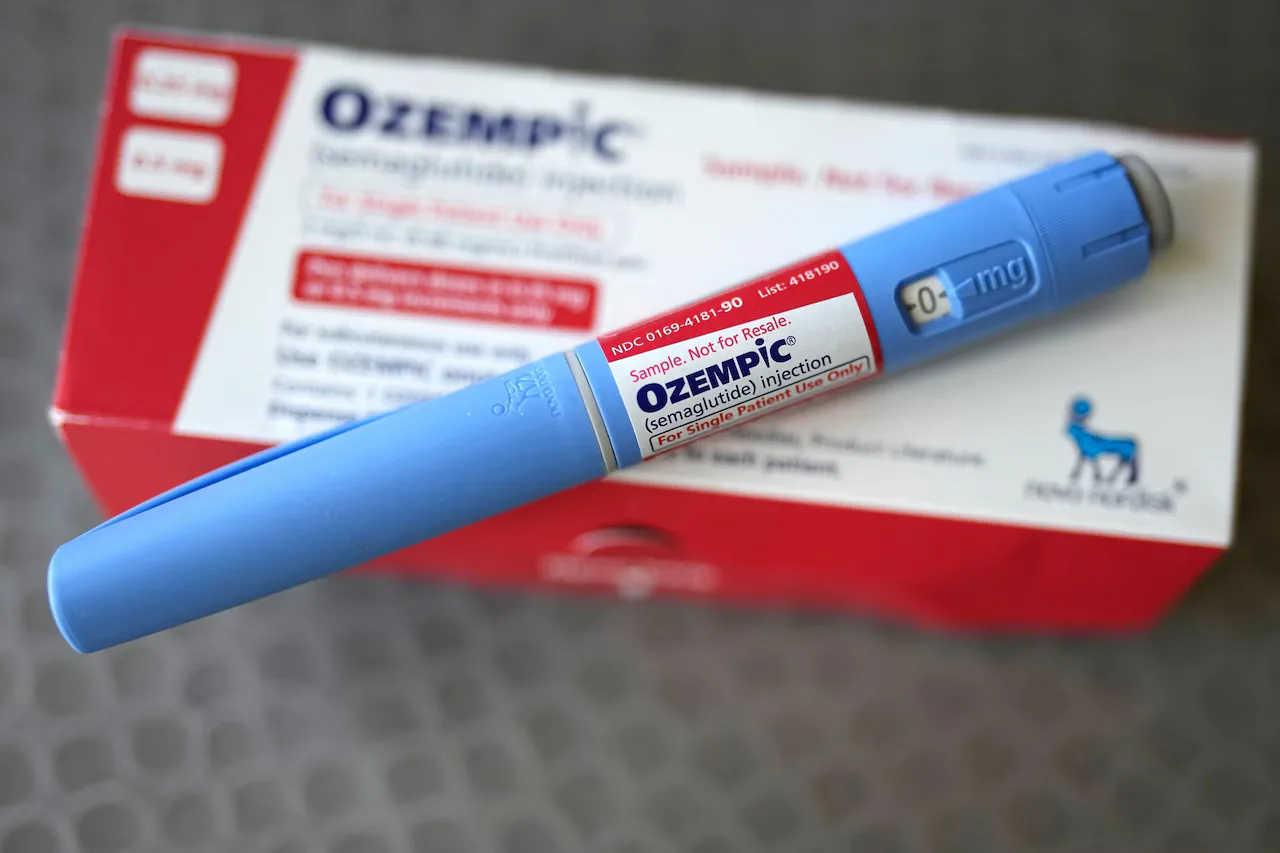
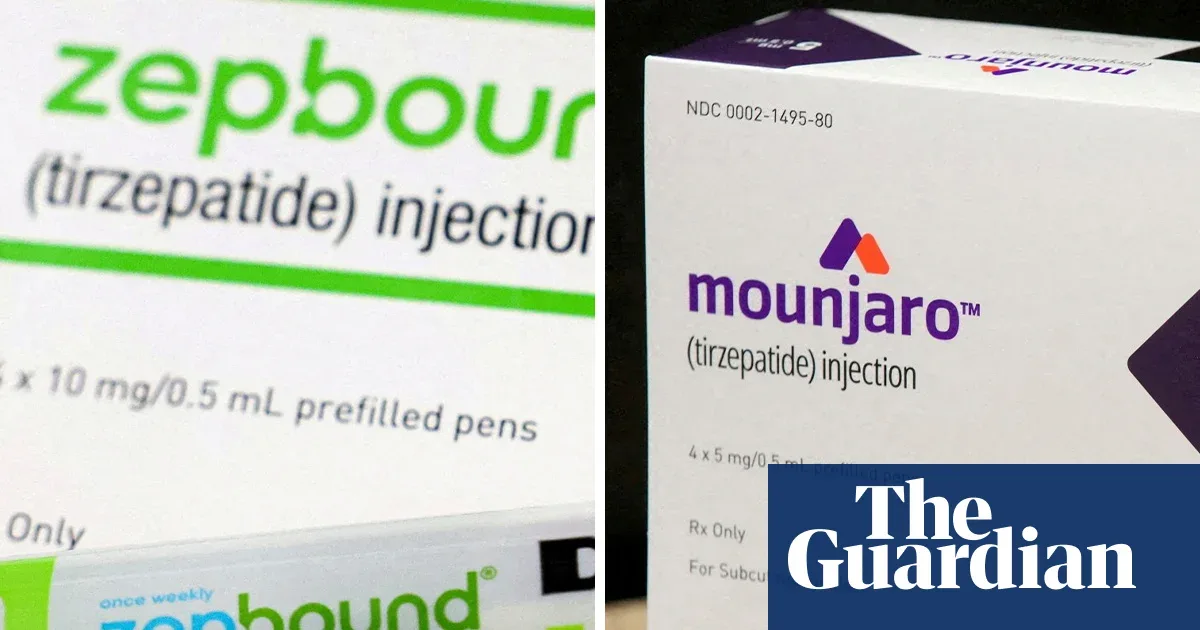
Eli Lilly, the maker of Zepbound (tirzepatide), and Novo Nordisk, the manufacturer of Wegovy (semaglutide), are central to this agreement. Both companies have invested heavily in clinical research proving the cardiovascular and metabolic benefits of these drugs. By agreeing to the discount structure, they aim to increase patient access while maintaining the viability of their manufacturing and R&D pipelines.
Who Qualifies for the $50 Monthly Rate?
While the price reduction is significant, it is not universal. Federal health officials have clarified that eligibility is strictly limited to a specific subset of Medicare beneficiaries who meet clinical criteria for obesity-related health risks.
Clinical Eligibility Criteria
To qualify for the subsidized pricing, a patient must generally meet the following requirements:
- Weight Classification: Individuals must be classified as overweight or obese, typically defined by a Body Mass Index (BMI) of 30 or higher.
- Qualifying Comorbidities: Patients must have at least one of the following conditions:
- Prediabetes or Type 2 Diabetes
- A history of stroke or cardiovascular disease
- Uncontrolled high blood pressure (hypertension)
Officials estimate that approximately 10% of Medicare beneficiaries meet these specific requirements. This targeted approach ensures that the most limited resources are directed toward those at the highest risk for serious health complications.
Why These Specific Conditions?
The focus on cardiovascular and metabolic conditions is not arbitrary. Obesity is a major driver of hypertension, heart disease, and diabetes. By prioritizing patients with these existing conditions, the program aims to prevent downstream complications that are far more expensive to treat than the medication itself. Dr. Mehmet Oz, administrator of the Centers for Medicare and Medicaid Services (CMS), emphasized this point, noting that these medications can be "life-changing and even lifesaving because of their impact on weight loss and downstream complications like diabetes and hypertension."
The Clinical Impact of GLP-1 Therapy
For eligible patients, the ability to afford these medications opens the door to significant health improvements beyond simple weight loss. The drugs in question—semaglutide and tirzepatide—function as GLP-1 receptor agonists.
Precision tracking for your journey
Join thousands using Shotlee to accurately track GLP-1 medications and side effects.
📱 Get the Shotlee App
Track your GLP-1 medications, peptides, and health metrics on the go with our mobile app!
How These Medications Work
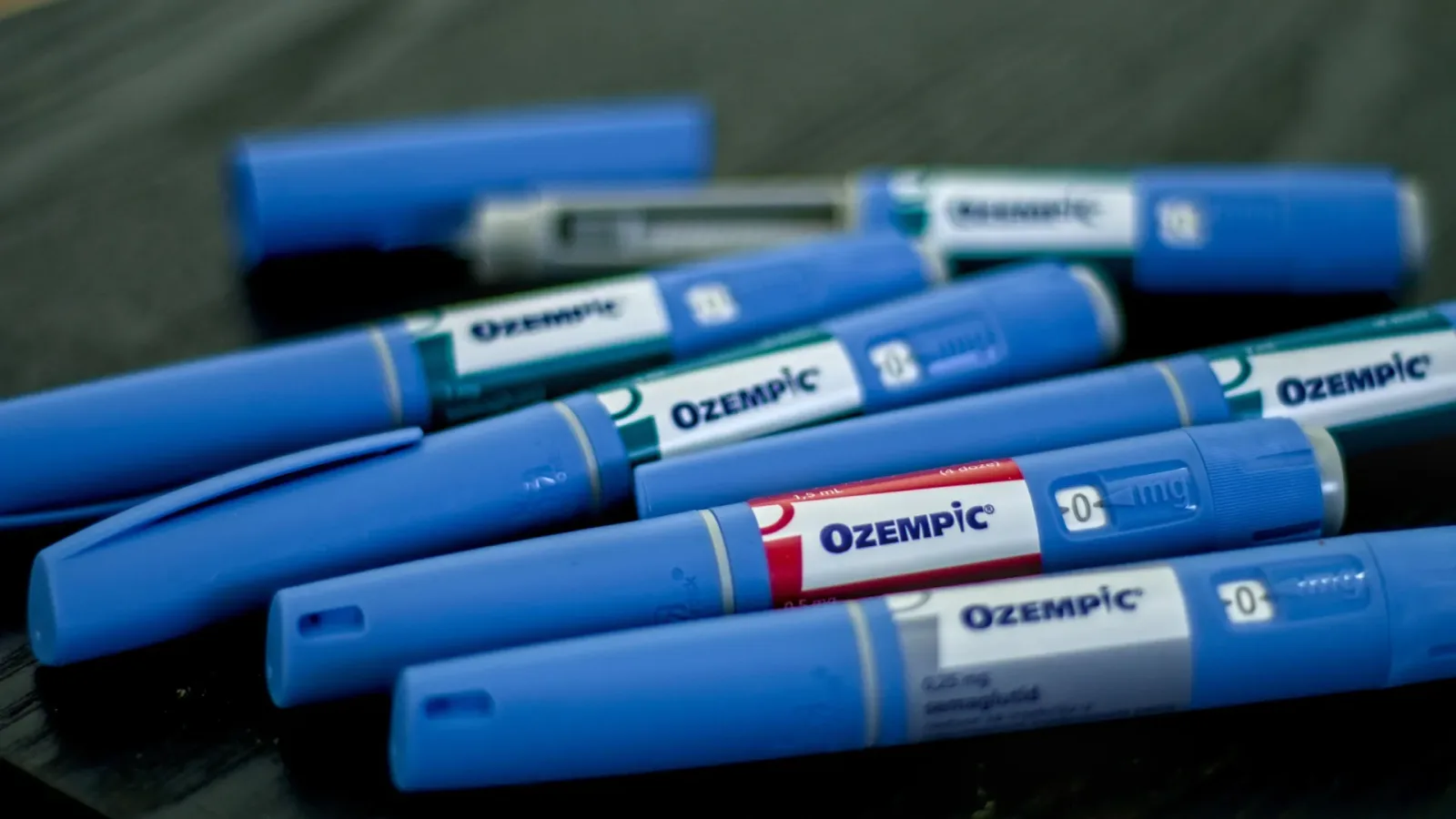
GLP-1 medications mimic a hormone called glucagon-like peptide-1. This hormone plays a key role in regulating blood sugar and appetite. When administered as a weekly injection, these drugs:
- Reduce Appetite: They signal the brain to feel fuller sooner and for longer periods.
- Improve Insulin Sensitivity: They help the body manage blood sugar levels more effectively, which is crucial for those with prediabetes or diabetes.
- Support Cardiovascular Health: Recent studies have indicated that these drugs may reduce the risk of major adverse cardiovascular events, such as heart attack and stroke, in high-risk patients.
Long-Term Health Trajectories
For seniors, the stakes are particularly high. Uncontrolled obesity can accelerate the decline in mobility and independence. By facilitating weight loss and managing metabolic health, these medications can help maintain a patient's functional status for longer. This is why the $50 cap is viewed by many in the medical community as a vital public health intervention rather than just a drug discount.
Managing Your Therapy and Tracking Progress
Accessing the medication is only the first step. Successful GLP-1 therapy requires careful management of dosage, side effects, and lifestyle changes. This is where digital health tools become essential.
The Importance of Symptom Tracking
While effective, GLP-1 medications can cause side effects such as nausea, fatigue, or digestive changes. Monitoring these symptoms is crucial for determining tolerance and adherence. Patients often need to adjust their diet or hydration levels in response to these changes.
This is where platforms like Shotlee can provide significant value. By allowing patients to log their doses, symptoms, and dietary intake in one place, Shotlee helps users and their healthcare providers spot patterns. For example, if nausea consistently occurs after a dose increase, a provider can adjust the titration schedule based on the data.
Building a Supportive Routine
Medication alone is rarely a cure-all. To maximize the benefits of semaglutide or tirzepatide, patients should combine therapy with:
- Protein-Rich Nutrition: Preserving muscle mass is critical during weight loss, especially in older adults.
- Hydration: Adequate water intake helps mitigate common side effects like constipation.
- Physical Activity: Gentle movement supports cardiovascular health and metabolic rate.
What Comes Next?
While the agreement is a major step forward, the rollout timeline remains a point of uncertainty. Federal officials have not yet announced exactly when the discounted pricing will become available to eligible beneficiaries. Patients are advised to stay in close contact with their prescribing physicians and Medicare administrators for updates.
Preparing for Implementation
In the meantime, patients who believe they qualify should review their medical history with their doctor. If you have a history of cardiovascular disease or uncontrolled hypertension, you may be a strong candidate for this program once it launches.
Future Outlook for Peptide Therapy
This deal sets a precedent for how Medicare might handle other high-cost, high-impact therapies. As the pipeline of peptide therapies and weight-loss medications expands, we may see similar cost-sharing models for other conditions affecting the senior population.
Practical Takeaways for Patients
Key Points to Remember
- Cost Reduction: Eligible beneficiaries could pay as little as $50/month for Wegovy or Zepbound.
- Eligibility: You must be overweight and have specific conditions like heart disease, stroke history, or prediabetes.
- Tracking: Use tools like Shotlee to monitor symptoms and ensure safe adherence to the therapy.
- Consultation: Speak with your doctor to confirm if you meet the 10% of beneficiaries who qualify.
- Patience: The exact start date for the discount is not yet confirmed by federal officials.
Conclusion
The potential for Medicare to cover $245 of the cost for Wegovy and Zepbound, leaving beneficiaries with only a $50 co-pay, is a significant development in the fight against the obesity epidemic. By lowering the financial barrier, the administration aims to unlock the cardiovascular and metabolic benefits of these powerful medications for those who need them most.
For patients navigating this new landscape, staying informed and tracking their health data diligently will be key. Whether you are using Shotlee to log your progress or simply keeping a journal, understanding your body's response to treatment is the best way to ensure long-term success.