
For years, Elea Zucchiatti, a 27-year-old from Sydney, had resigned herself to the idea of living in a larger body. Her journey with weight management began at age 14, a path marked by various diets, from fasting to carb restrictions. Despite these efforts, Elea maintained a positive self-image, nurtured by a family environment where food was central and she was a confident, sociable individual.
However, the external world presented a different narrative. Subtle societal pressures, offhand comments, and medical encounters where her weight often overshadowed her symptoms began to shape her perception. By the time she started a GLP-1 prescription medication under medical supervision at age 26, Elea had spent over a decade believing her body needed a drastic change.
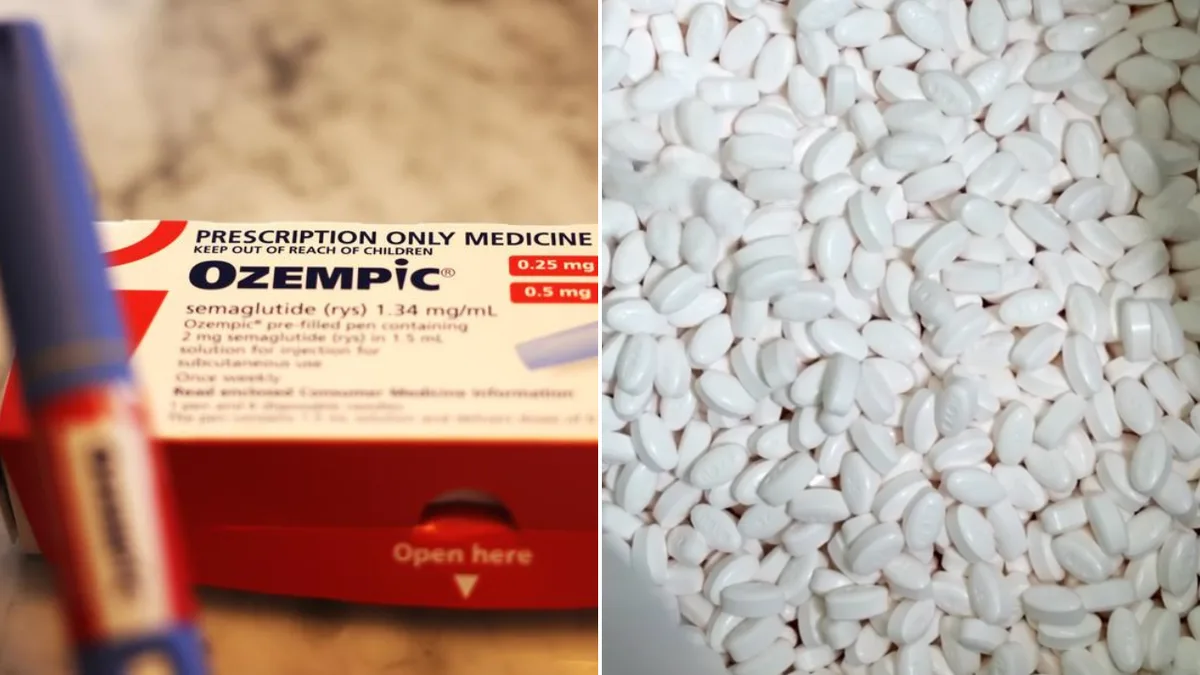
The GLP-1 medication, often recognized by brand names like Wegovy (semaglutide) or Mounjaro (tirzepatide), proved remarkably effective. Elea lost 17kg (approximately 37 lbs) in just four months, transitioning from a size 18 to a size 10. While this physical transformation was significant, the most confronting side effect, as she later described, was not physical at all but deeply emotional and social.
The Internal Landscape Before GLP-1 Therapy
Elea's relationship with her body was nuanced. While she acknowledged looking different from her peers, she largely escaped overt bullying. Instead, she experienced a more insidious form of exclusion: being overlooked in social situations, receiving less romantic attention, and feeling sidelined without clear reasons. "It was more about the image people sent back to me than my own self-image," she reflected.
Medical professionals also frequently focused on her weight. She recalled experiencing significant knee pain and mobility issues in her early twenties, which were attributed solely to her body mass rather than being thoroughly investigated. "It implied that because I was fat, my knees were just suffering for that reason," Elea stated, highlighting a common frustration where weight becomes a universal explanation for health concerns.
Her early attempts at weight loss were typical of many young women who internalize societal ideals. At 14, she experimented with numerous diets, including intermittent fasting and low-carb eating, believing that adhering to the right set of rules would lead to a smaller body. This mindset reflects a broader societal message that equates thinness with discipline and self-worth.
Navigating PCOS and Medical "Limbo"
Elea's health journey was further complicated by symptoms associated with Polycystic Ovary Syndrome (PCOS), including irregular periods, which she experienced from her teenage years. Despite seeking medical help, she felt she spent years in "medical limbo." Her PCOS symptoms were often dismissed, with her weight being cited as the primary issue, preventing deeper exploration of her hormonal health.
It wasn't until 2024 that a doctor finally ordered comprehensive blood tests and an ultrasound, leading to her PCOS diagnosis. Elevated insulin levels also revealed a risk of pre-diabetes. This was a turning point, as it was the first time her weight was discussed in the context of underlying medical conditions, rather than being the sole problem.
When advised to lose weight again in March 2025, Elea returned to healthy eating habits but saw little progress. Her GP then suggested medical assistance, leading her to the GLP-1 medication.
The Experience of GLP-1 Therapy: Beyond Appetite Suppression
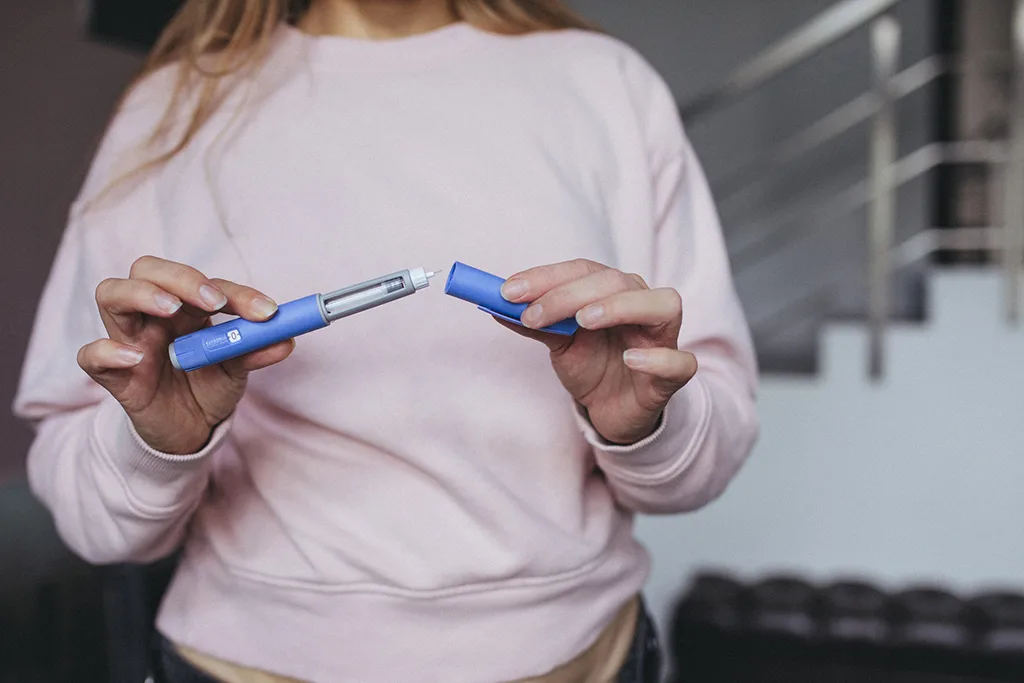
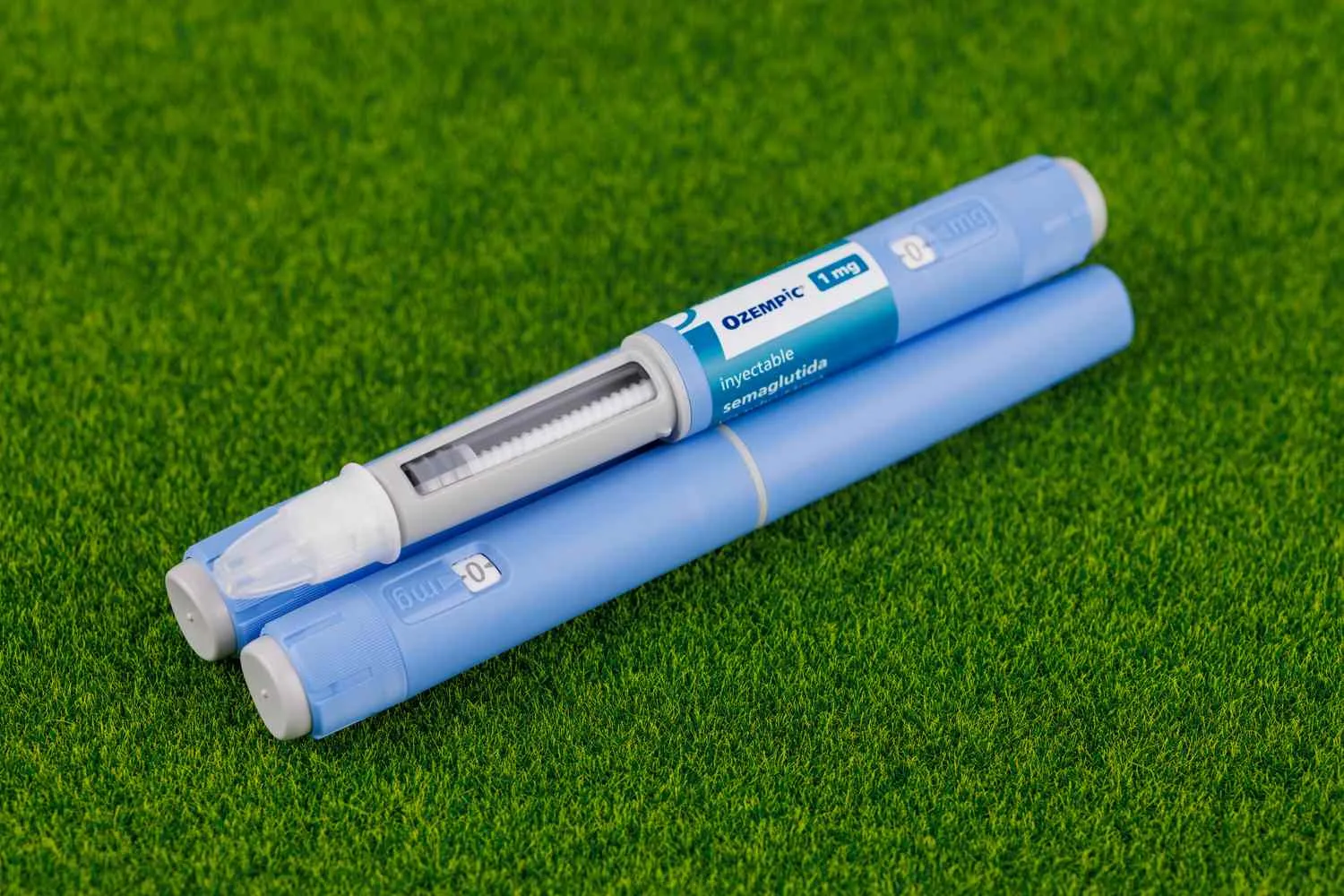
The GLP-1 medication, which mimics a natural hormone to regulate appetite and promote satiety, was initially perceived by Elea as a "magical solution." The idea of effectively suppressing her appetite and making weight loss achievable was highly appealing after years of struggle. She noted that the cost was a significant concern, paying $1,200 for four months of treatment.
Elea began on a low dose and gradually increased it, finding that the weight loss was rapid. She observed a loss of 1-2 kg (2.2-4.4 lbs) within two days of her first injection and 3 kg (6.6 lbs) by the end of the first week. However, the physical experience was challenging:
Precision tracking for your journey
Join thousands using Shotlee to accurately track GLP-1 medications and side effects.
📱 Get the Shotlee App
Track your GLP-1 medications, peptides, and health metrics on the go with our mobile app!
- Severe Appetite Suppression: Her appetite almost vanished, leading her to estimate daily calorie intake as low as 800. Even drinking water became difficult at times.
- Fatigue: She experienced profound tiredness, struggling to get out of bed in the morning.
- Menstrual Irregularities: Her periods became irregular during treatment.
- Reduced Strength: She noted a loss of energy and muscle strength.
- Exercise Difficulty: Physical activity felt unmanageable due to low energy levels.
These physical side effects, while managed under medical guidance, contributed to a feeling of being in an unfamiliar body. She continued the medication for four months, losing a total of 17kg.
The Unforeseen Social Shift: Being Treated Differently
The most profound impact of her weight loss, however, was the change in how people treated her. "I know what it's like to be treated differently now," Elea shared. "I notice how people put you on a pedestal, compliment you, treat you nicely and give you attention." This newfound social acceptance was starkly different from her previous experiences.
This shift created a new anxiety: the fear of regaining weight and losing this positive social reinforcement. "Before, I was overweight and already treated as lesser than," she explained. The experience made her realize that societal value was, in part, tied to her physical appearance. This also extended to her confidence in pursuing fitness activities; she felt she needed to be thin to "belong" in a gym environment.
Elea kept her treatment from her family, partly due to concerns about their reactions and the potential for them to become fixated on the medication. Some workmates were supportive, while others expressed concerns based on alarming media stories about weight loss drugs. Her history of binge eating disorder also added complexity to her appetite suppression.
Life After Weight Loss: Rebuilding and Rediscovery
After four months, Elea stopped the GLP-1 medication. Eight months later, she was still adjusting, finding it difficult to digest larger meals, and her portions remained smaller than before. She regained 5kg (11 lbs) as she resumed a more normal eating pattern, a development that tested her recovery and triggered old anxieties.
Her current focus is on rebuilding strength and establishing a balanced, healthy lifestyle. She works with a personal trainer, engages in Pilates, weightlifting, and enjoys outdoor walks. Her diet is now varied, including oats, protein wraps, vegetables, tofu, and legumes, though heavier meals can still be challenging.
Elea emphasizes that losing weight is only one part of the journey; maintaining it and living a healthy life requires ongoing effort and time.
Beyond the Scales: Emotional Well-being and Self-Love
While acknowledging that GLP-1s can be beneficial for some and helped manage her physical hunger and "food noise," Elea stresses that they do not address the underlying emotional issues related to food or the feelings of being judged for her size. Her recovery from binge eating disorder continues, and she notes that emotional eating and guilt surrounding food persist.
Her current health goals extend beyond the number on the scale. She aims to improve her insulin and iron levels, balance her hormones, restore a regular menstrual cycle, and enhance her physical strength. Her primary focus is now on self-care, irrespective of her body size.
Elea hopes her experience will encourage others considering GLP-1 medications to understand the potential for complex emotional and social effects alongside physical changes. She advocates for self-compassion, reminding women that their worth is not determined by their body shape. Ultimately, she concludes, "The injections might sound like the perfect solution, but they won't teach you how to love yourself."
Any prescription medicine can cause side effects. This is a personal account. GLP-1 medications are prescription-only and not suitable for everyone. Always seek medical advice from your doctor or health professional regarding any medical treatment.