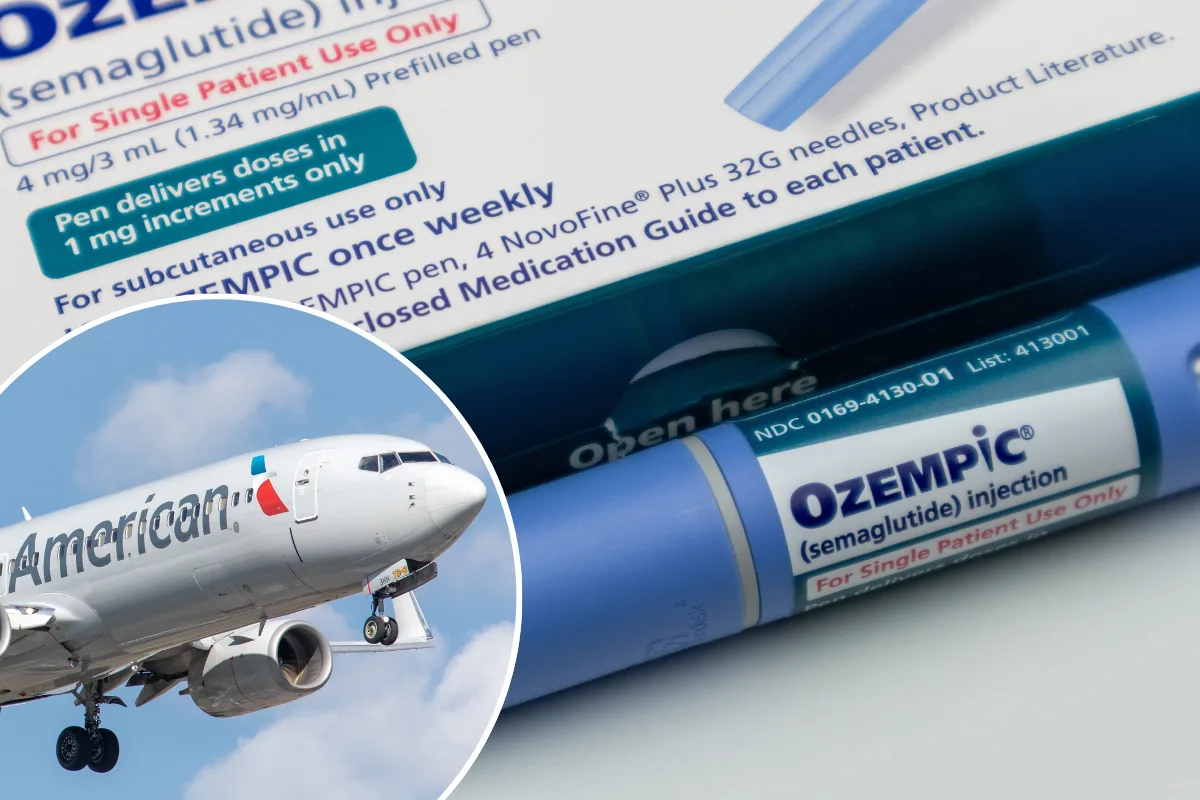

Traveling with GLP-1s Like Wegovy: Key Tips Before Flying
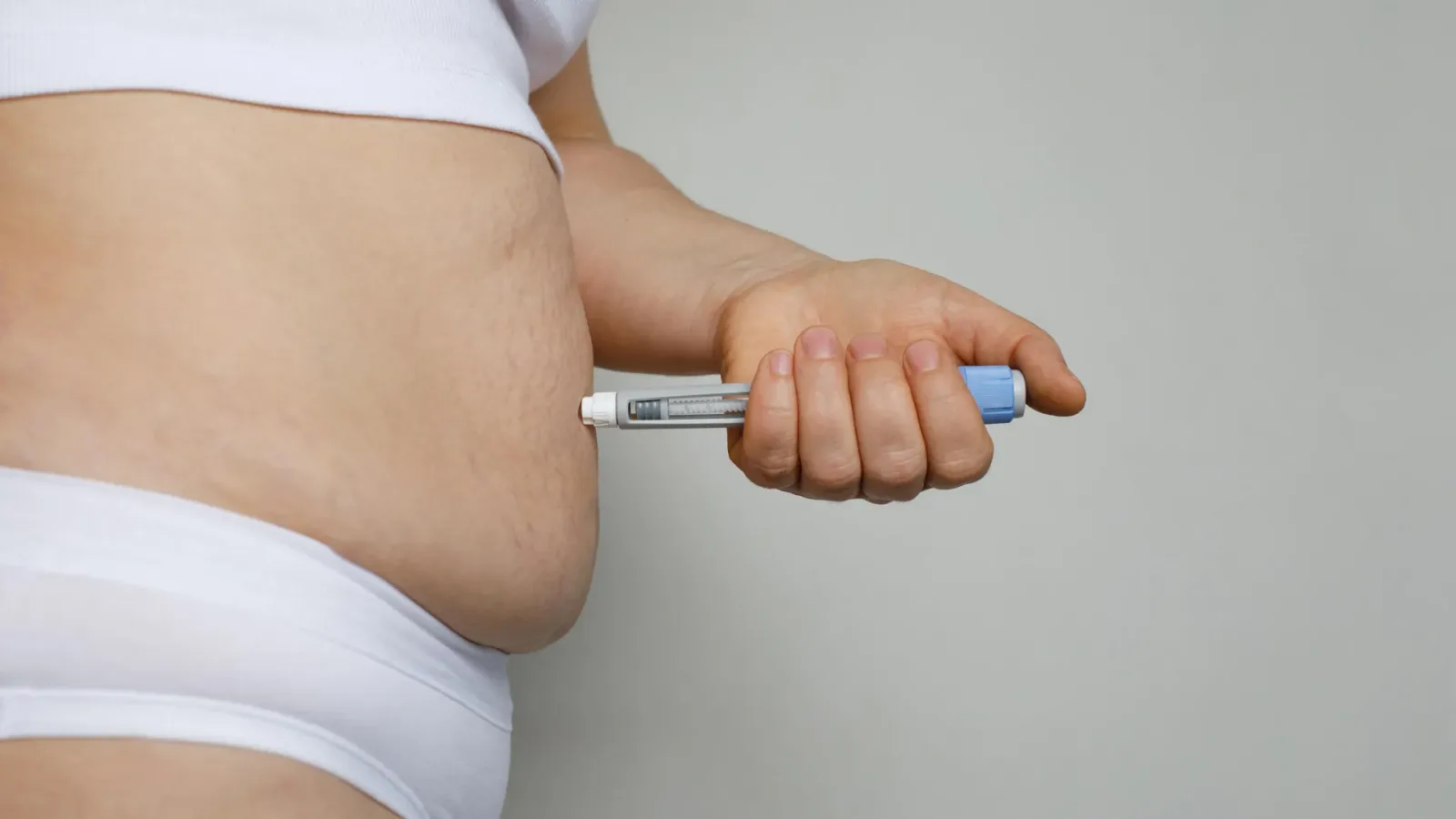
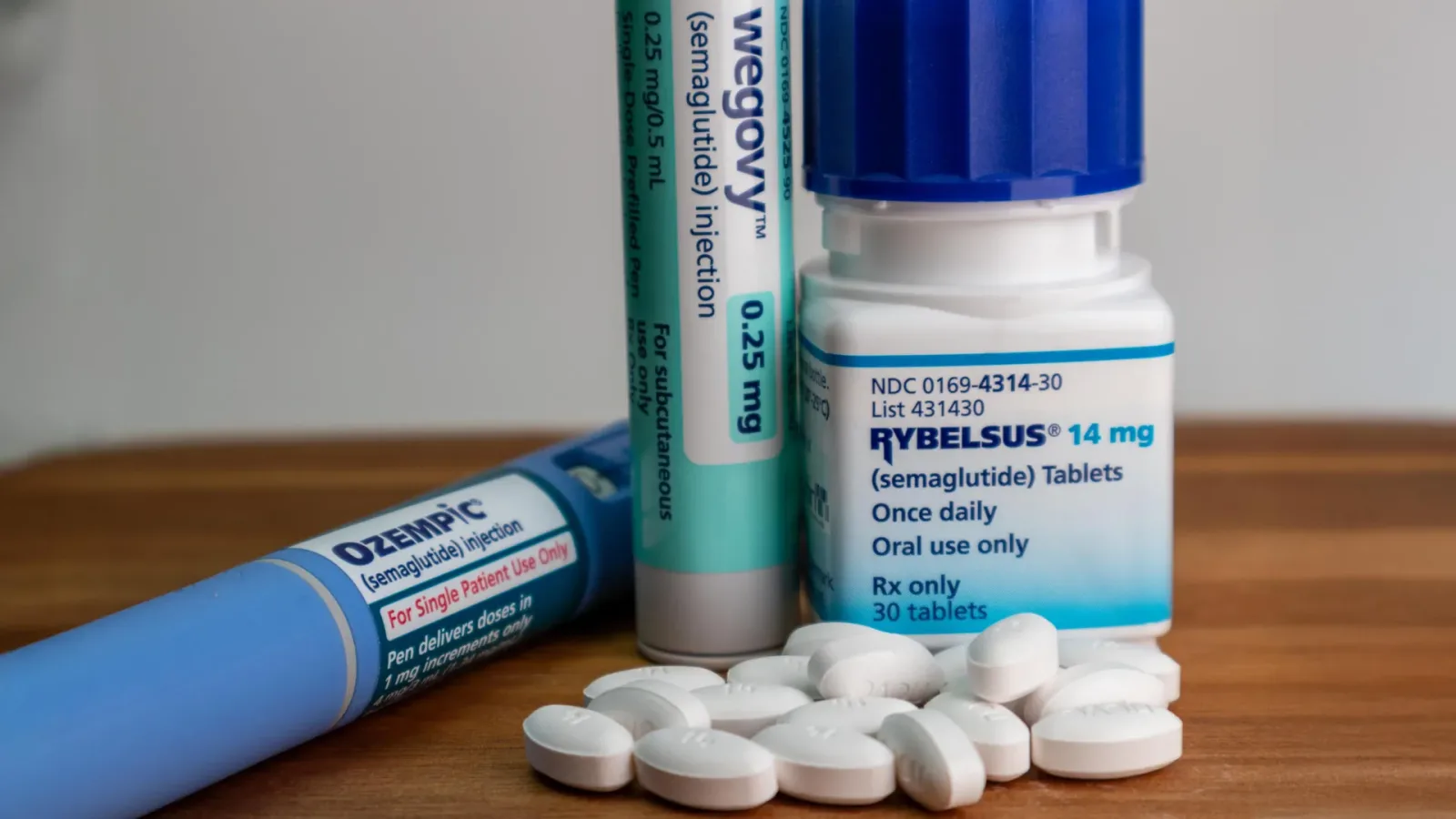
With the rising popularity of GLP-1 medications like Wegovy (semaglutide) and Mounjaro (tirzepatide) for weight management, more travelers are facing a common hurdle: keeping these injectables properly chilled during flights. As a flight attendant, I've witnessed the anxiety firsthand—passengers boarding long-haul flights, clutching their pens and asking if we can refrigerate their medications. While these drugs should ideally be kept refrigerated to maintain stability, traveling with GLP-1 medications like Wegovy requires proactive planning, especially since airline assistance isn't reliable.
Why Refrigeration Matters for GLP-1 Medications During Travel
GLP-1 receptor agonists like Wegovy and Mounjaro mimic hormones that regulate blood sugar and appetite, helping with significant weight loss and metabolic health. These weekly injectables come in pre-filled pens that are sensitive to temperature extremes. Although Wegovy doesn't necessarily have to be refrigerated at all times—allowing some flexibility for room-temperature storage—prolonged heat exposure can degrade the peptide structure, reducing efficacy or causing spoilage. This is particularly concerning on planes, where cabin temperatures fluctuate and layovers extend exposure time.
For patients on peptide therapy, maintaining the cold chain is crucial to ensure the medication delivers its full benefits, such as sustained appetite suppression and cardiovascular risk reduction observed in clinical use. Disruptions during travel can lead to wasted doses, interrupted treatment, and heightened stress—issues I've seen affect even frequent flyers.
The Reality of Airplane Refrigerators: Why Flight Attendants Can't Help
Passengers increasingly approach flight attendants requesting fridge space for their GLP-1 meds, driven by valid concerns about spoilage on lengthy trips. However, there are clear reasons this isn't allowed, rooted in safety, logistics, and airline policies:
- Not all planes have refrigerators: Smaller aircraft or short-haul flights often lack this equipment, so there's no guarantee your flight will accommodate it.
- Fridges are for food and beverages only: These units are designed exclusively for catering items. Storing medication risks cross-contamination with food allergens or pathogens, exposing airlines to liability.
- Temperature inconsistency: Even on equipped planes, fridges can be unreliable—sometimes freezing contents solid, other times allowing warming due to heavy use or mechanical quirks.
In short, if you're traveling with chilled medications like Wegovy or Mounjaro, do not expect the airline crew to provide refrigeration services. This policy protects everyone involved and underscores the need for self-reliant solutions.
Proven Solutions for Keeping GLP-1 Meds Chilled on Flights
Medicine Cool Bags for Short Trips
For shorter flights or day trips, a medicine cool bag is a popular, accessible option. These insulated cases come with one or two ice packs, providing padded protection and steady cooling for several hours. Available at drug stores or online retailers like Amazon, they start at affordable prices—but quality varies, so research user reviews for leak-proof seals and duration claims.
Pack your unopened or in-use pens securely: Pre-chill the bag overnight, wrap pens individually, and include a temperature indicator strip if available. This setup handles most domestic flights, but monitor during security checks where bags may sit in warm queues.
Battery-Powered Coolers for Long-Haul Travel
Long-haul journeys with extended layovers demand more robust tech. Ice packs thaw eventually, sparking anxiety mid-trip. Enter battery-powered cooling bags like the Tec4Med LifeScience Cube, marketed by Lufthansa for its reliability.
Precision tracking for your journey
Join thousands using Shotlee to accurately track GLP-1 medications and side effects.
📱 Get the Shotlee App
Track your GLP-1 medications, peptides, and health metrics on the go with our mobile app!
The Cube offers at least 60 hours of runtime, even in sweltering summer conditions, using advanced thermoelectric cooling without refrigerants. Priced from €349 (about US $404), it's an investment—but far cheaper than discarding spoiled medication. Its compact design fits carry-ons, and USB-rechargeable batteries make it travel-friendly. Other brands exist, but the Cube's airline endorsement adds credibility for GLP-1 users.
Pro tip: Test your cooler pre-trip with a dummy pen and thermometer to confirm performance in your packing setup.
TSA Guidelines and Packing Tips for GLP-1 Injectables
Navigating airport security with GLP-1 pens is straightforward if prepared. TSA allows medications in carry-on luggage—never checked bags, as temperature control is absent in cargo holds. Declare injectables at screening; no prescription is required, but bring labels or a doctor's note for peace of mind.
- Keep pens in original packaging with labels visible.
- Carry spare needles/syringes if needed, in a clear bag.
- Avoid loose ice packs; use gel packs that comply with 100ml liquid rules.
For international flights, check destination rules—EU and UK mirror TSA, but some countries require declarations. Discuss travel plans with your doctor; they may advise on room-temp allowances (e.g., Wegovy's stability data supports up to 28 days unrefrigerated for opened pens, per manufacturer guidelines).
Safety Considerations and Patient Guidance for GLP-1 Travel
Beyond cooling, consider GLP-1 side effects like nausea that might worsen with jet lag or dehydration. Hydrate well, eat light pre-flight meals, and time injections post-landing if possible. Apps like Shotlee can help track dosing schedules and symptoms during disrupted routines.
Who should prioritize this? Patients on weekly injectables for obesity, diabetes, or metabolic health—especially those new to travel post-starting therapy. Consult your provider about backup supplies or alternative dosing if delays occur.
Comparing Cooling Options for GLP-1 Medications
| Option | Duration | Cost | Best For |
|---|---|---|---|
| Medicine Cool Bag | 4-12 hours | $20-50 | Short flights |
| Tec4Med Cube | 60+ hours | $404+ | Long-haul |
Passive bags suit budget travelers; powered units excel for international routes.
Key Takeaways for Traveling with Wegovy and Mounjaro
- Plane fridges are off-limits due to equipment limits, contamination risks, and temp variability.
- Opt for quality cool bags or the Lufthansa-recommended Cube for reliable chilling.
- Pack in carry-ons, declare at TSA, and test gear beforehand.
- Prepare fully before the airport—flight attendants can't assist with refrigeration.
What This Means for Patients on GLP-1 Therapy
Traveling with GLP-1s like Wegovy doesn't have to derail your progress. By understanding limitations and arming yourself with the right tools, you maintain treatment continuity and focus on your destination. Share these insights with fellow patients, and always prioritize doctor input for personalized advice. Safe travels!