Novo Nordisk's GLP-1 drugs like Ozempic have transformed the weight loss and diabetes treatment landscape, driving unprecedented revenue growth. However, despite this success, the company faces significant headwinds from competition, pricing pressures, and development setbacks. This guide examines Novo's journey, the GLP-1 market's evolution, and what lies ahead for patients seeking peptide therapies for metabolic health.
The Rise of GLP-1 Medications: From Niche to €50-60 Billion Market
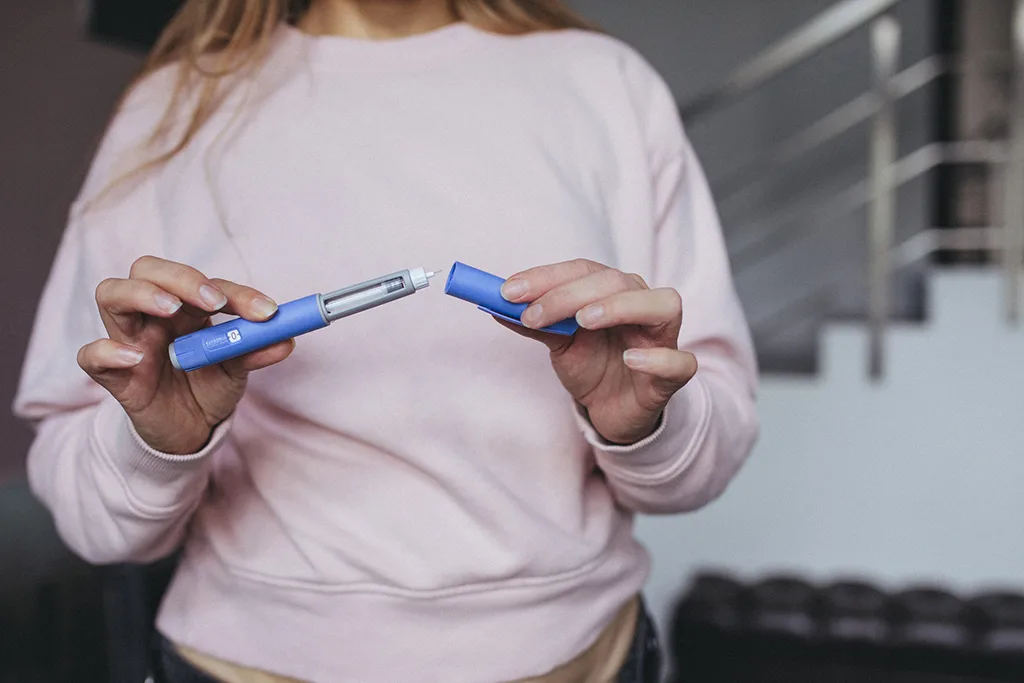
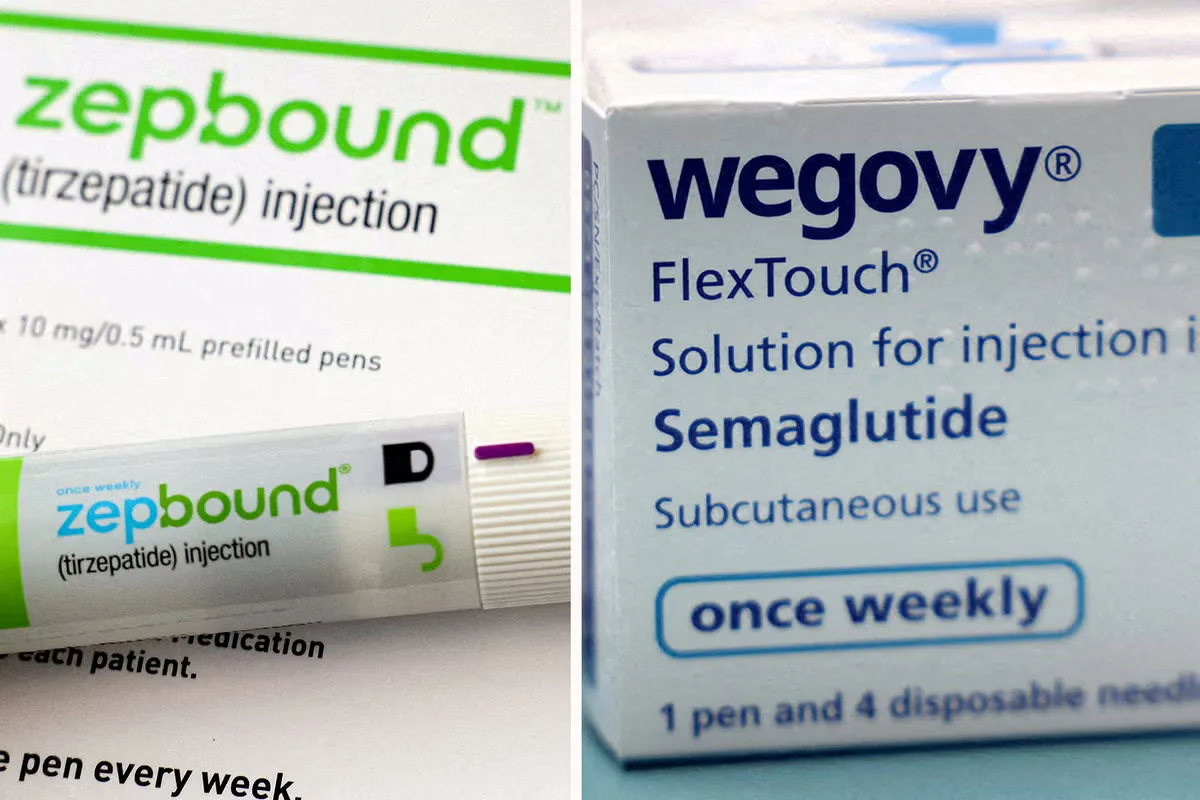
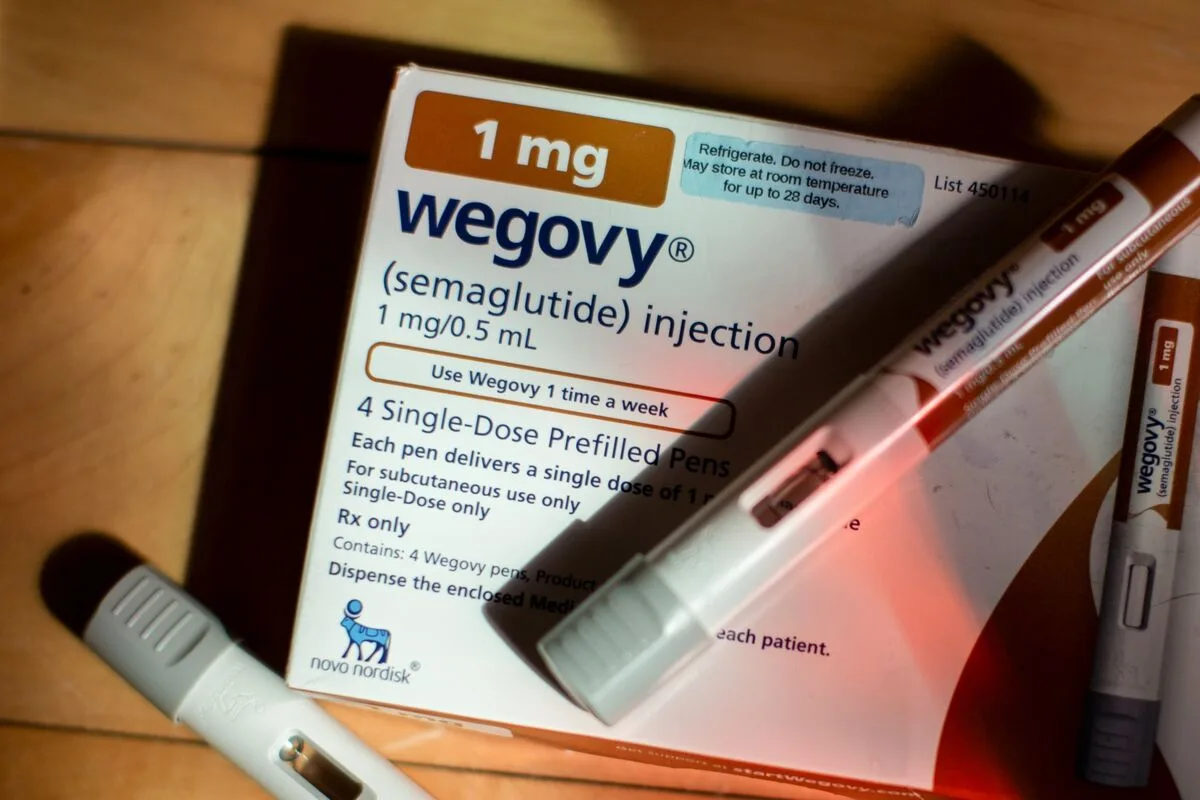
GLP-1 receptor agonists, such as semaglutide (the active ingredient in Ozempic and Wegovy) and tirzepatide (in Mounjaro and Zepbound), mimic the glucagon-like peptide-1 hormone. This mechanism slows gastric emptying, reduces appetite, and improves insulin sensitivity, making them effective for type 2 diabetes management and substantial weight loss—often 15-25% of body weight in clinical trials.
Historically, weight loss relied on diet plans, supplements, exercise programs, or surgery. Today, GLP-1 medicines dominate, with sales estimated at €50-60 billion last year. Forecasts predict €100 billion annually by the early 2030s, remarkable for a market that barely existed a few years ago.
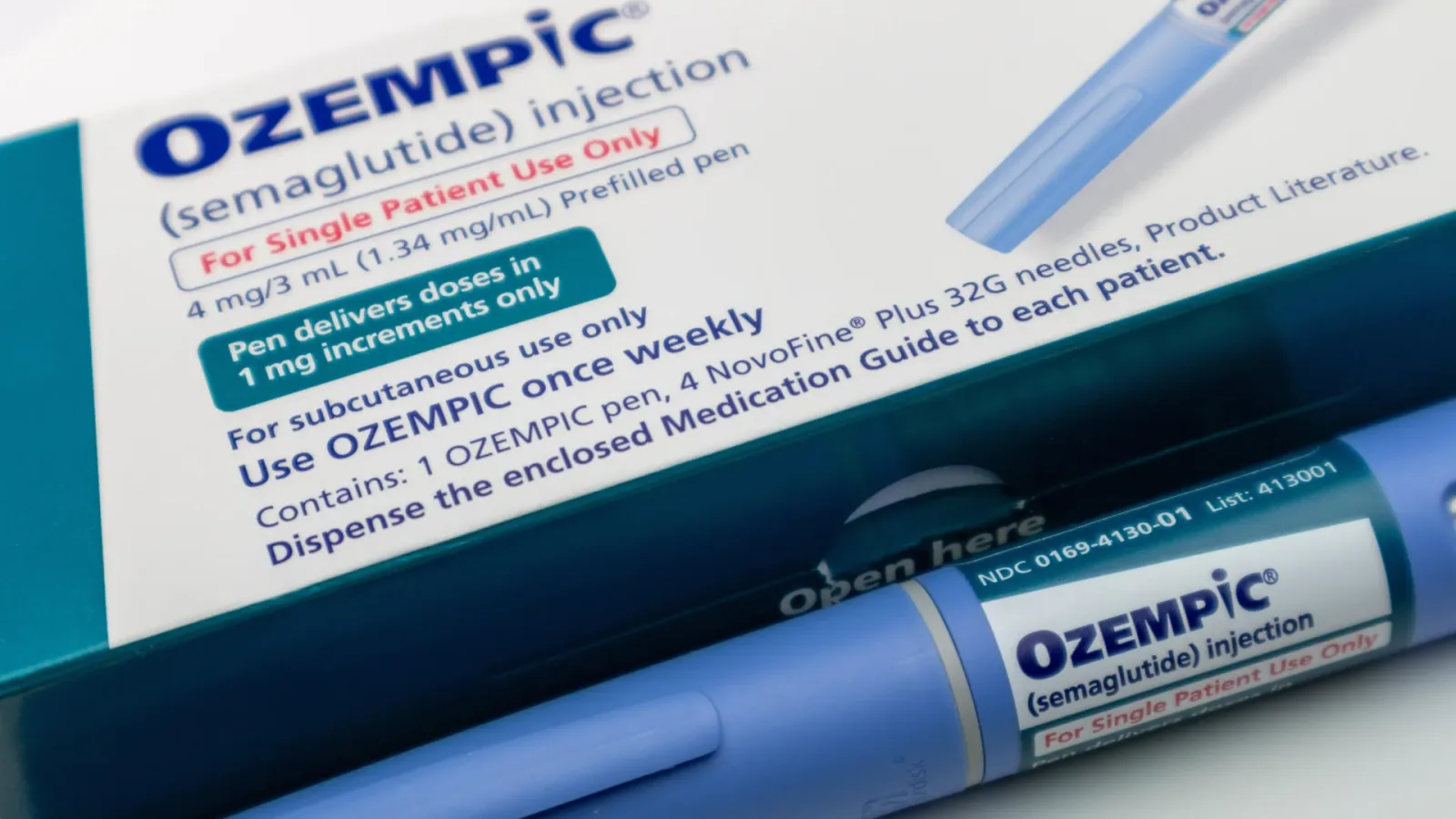
Novo Nordisk's Ozempic was the pioneer, authorized for diabetes in 2018. Its weight loss potential quickly emerged, leading to Wegovy's 2021 approval—a higher-dose version specifically for obesity.
Novo Nordisk's Revenue Triumph: Tripling Sales and Profits
In 2017, pre-Ozempic, Novo reported sales of 111.7 billion Danish krone (DKK) and net profits of just over 38 billion DKK. By last year, sales reached 309 billion DKK, and net profits exceeded 102.4 billion DKK—a near tripling in eight years.
While Novo produces other drugs, Ozempic and Wegovy are the primary growth drivers. This success has ripple effects beyond the company.
Economic Boost to Denmark
Novo accounted for around 11% of Denmark's GDP growth and a fifth of employment growth last year, via direct jobs and supply chain expansion. It surged corporation tax revenues, fueled exports, and bolstered the equities market. Danes now discuss over-reliance on one pharma giant, akin to Ireland's debates—fears validated when Denmark slashed GDP forecasts late last year, largely due to Novo.
Share Price Plunge: Weight of Expectations
Ozempic sparked a weight loss revolution, but Novo's share price tells a different story: down more than 60% in the past year and nearly 40% in the past month. Demand for GLP-1 drugs booms, yet Novo warned of up to 13% drops in profits and sales this year—far exceeding expectations.
The culprit? "Unprecedented pricing pressure," partly from the Trump Administration's push to align U.S. prices with Europe's lower rates. Novo no longer dominates unchallenged.
Intensifying Competition: Eli Lilly's Mounjaro Enters the Fray
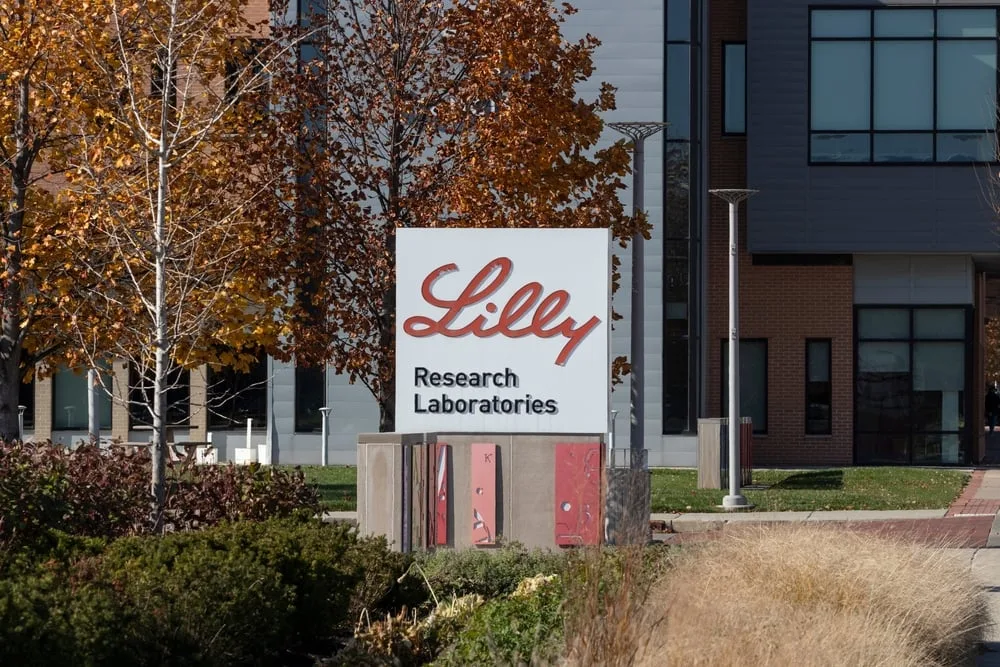
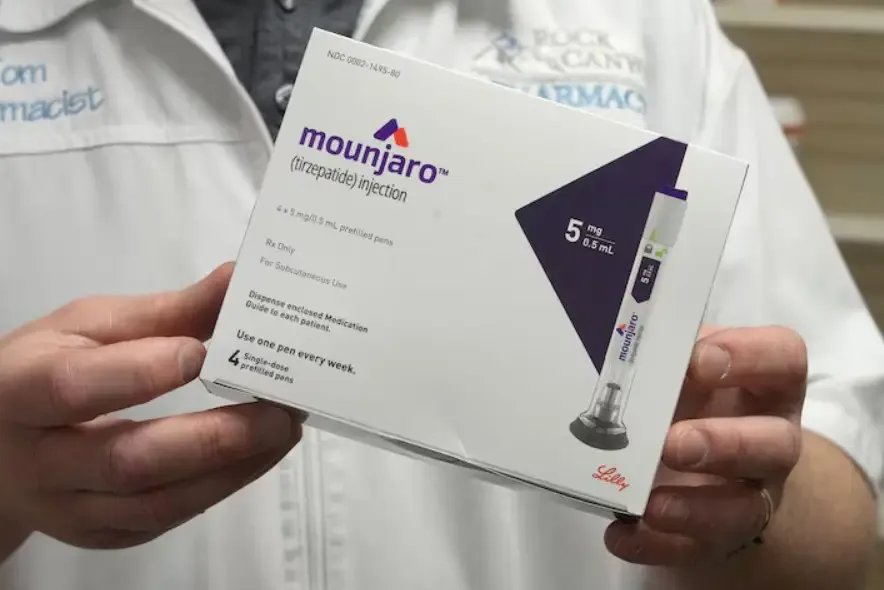
Eli Lilly's Mounjaro, FDA-approved mid-2022 and EU-approved September that year, targets both diabetes and weight loss with tirzepatide—a dual GLP-1/GIP agonist for potentially superior efficacy. It's eroded Novo's U.S. market share, especially among cash-paying customers bypassing insurance.
Comparison Table:
- Ozempic/Wegovy (semaglutide): Once-weekly injection, pioneered market.
- Mounjaro/Zepbound (tirzepatide): Once-weekly, gaining traction with higher weight loss in some trials (e.g., 25.5% vs. CagriSema's 23%).
For patients, discuss with your doctor which GLP-1 suits your profile—considering factors like diabetes status, weight loss goals, and side effects like nausea or gastrointestinal issues common to the class.
Precision tracking for your journey
Join thousands using Shotlee to accurately track GLP-1 medications and side effects.
📱 Get the Shotlee App
Track your GLP-1 medications, peptides, and health metrics on the go with our mobile app!
CagriSema Setback: Hopes Dashed for Novo
Novo's next-gen GLP-1/GIP agonist, CagriSema, disappointed in trials: 23% average weight loss over 84 weeks—impressive but below Mounjaro users' 25.5%. This failed to set a new standard, contributing to share declines.
Eli Lilly's Parallel Success: Revenues Double, Profits Quadruple
In 2021, pre-Mounjaro, Lilly's revenues were $28 billion with $5.6 billion net profits. Last year: over $65 billion revenues and $20.6 billion profits. Mounjaro generated $23 billion, Zepbound $13.5 billion—over half of total sales, likely dominating profits.
Irish Ties Strengthen Lilly's Position
Lilly produces tirzepatide in Kinsale, Cork, with a new Limerick facility opening this year. Ireland's export surge last year was nearly all Lilly's shipments to the U.S., boosting GDP and corporation tax—where Lilly is among three multinationals paying 46% of the total.
Future Market Dynamics: Variants, Pills, and Generics
Emerging Variants and Pricing Hierarchies
Countless GLP-1 drugs are in development. AstraZeneca's €4 billion deal for a monthly injectable highlights the race. Expect a hierarchy: lower-priced options for 10-20% weight loss, premiums for 25%+ or rapid results. Preferences like monthly injections or patient-specific needs will differentiate.
Pill Versions: A Game-Changer for Accessibility
Novo's daily Wegovy pill, U.S.-approved recently (Europe soon), showed slightly less efficacy than injections but appeals to needle-averse patients. Pills cut costs—no complex devices, cold storage, or bulky shipping—making them cheaper and easier to distribute.
For metabolic health management, apps like Shotlee can help track daily pill schedules, symptoms, and side effects alongside doctor visits.
Patent Expirations and Generic Flood
Semaglutide patents expired in China, Brazil; Canada's lapsed last month (Novo missed CA$250 fee). Generics expected in Canada this year; Europe's until 2031. Tirzepatide's until ~2036, but patent challenges loom. Generics will slash prices, tempering market value forecasts despite rising user numbers.
Beyond Weight Loss: Expanded Indications and Economic Ripples
Companies eye approvals for sleep apnea (Zepbound-approved), kidney disease, Alzheimer's, hypertension, and addiction. Broader use could offset generic pressures.
Economically, GLP-1s reduce food purchases, contributing to sugar price lows and sales slumps (e.g., Ben & Jerry's). Long-term, lower obesity may cut HSE burdens from cancer, heart disease, arthritis, and diabetes. Niche adoption in Ireland means impacts may take decades.
Key Takeaways for Patients and Investors
- Patients: GLP-1s like Ozempic offer proven weight loss (15-25%) and diabetes control; consult doctors on injections vs. pills, monitor GI side effects.
- Investors: Novo/Lilly profits soar, but competition and generics cap growth—watch new indications.
- Market Outlook: Prices fall with variants/generics, improving access.
What This Means: GLP-1s reshape metabolic health, but Novo's woes highlight a maturing, competitive field. Patients should prioritize personalized therapy; track progress diligently.
Conclusion: Navigating the GLP-1 Boom
Novo's Ozempic growth masks pricing wars, rival advances, and patent cliffs. Yet the market's trajectory promises broader access to transformative therapies. Stay informed, discuss options with healthcare providers, and explore tools for adherence.