
Study: 10% of Wegovy and Ozempic Users See Minimal Weight Loss
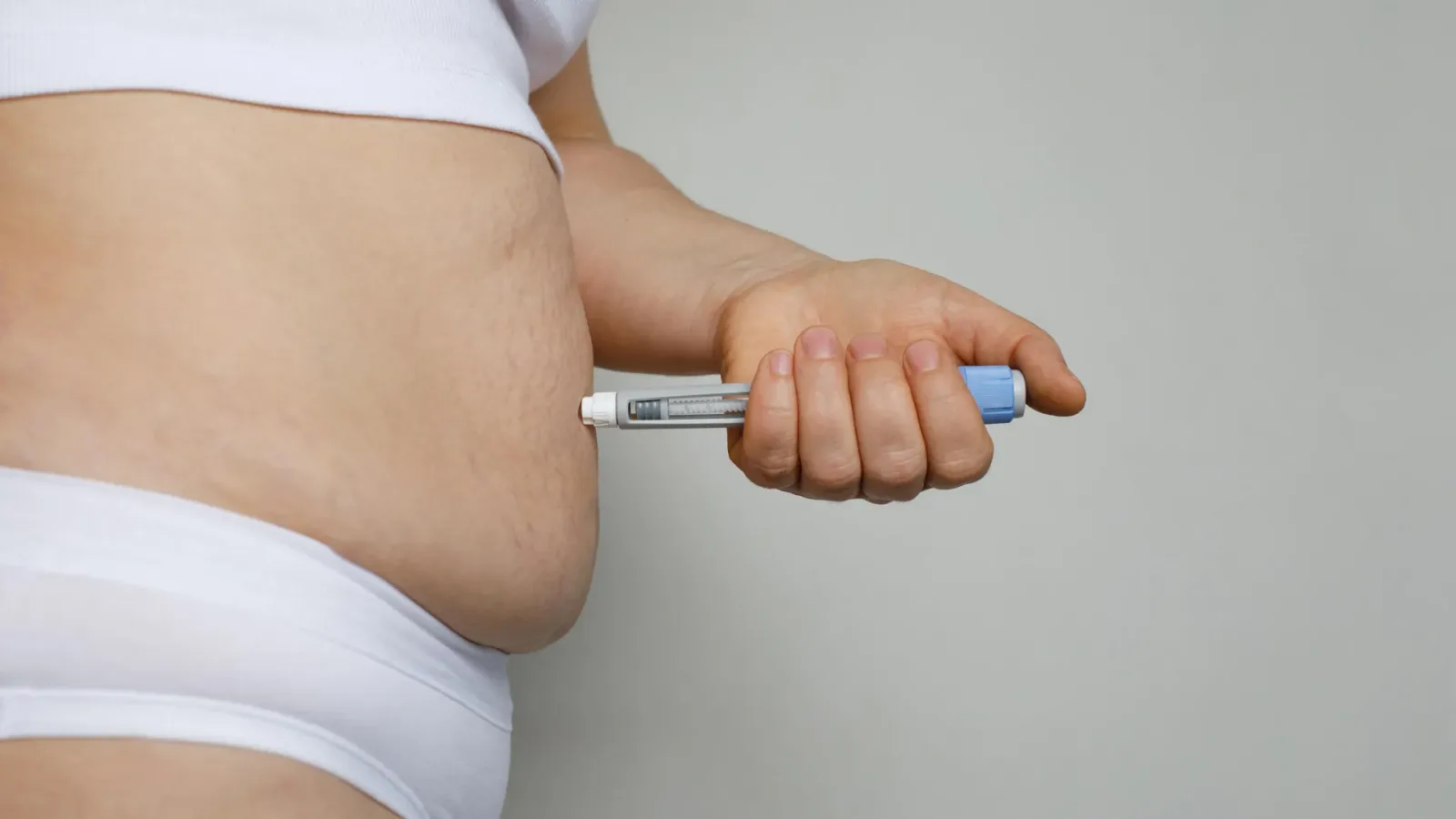
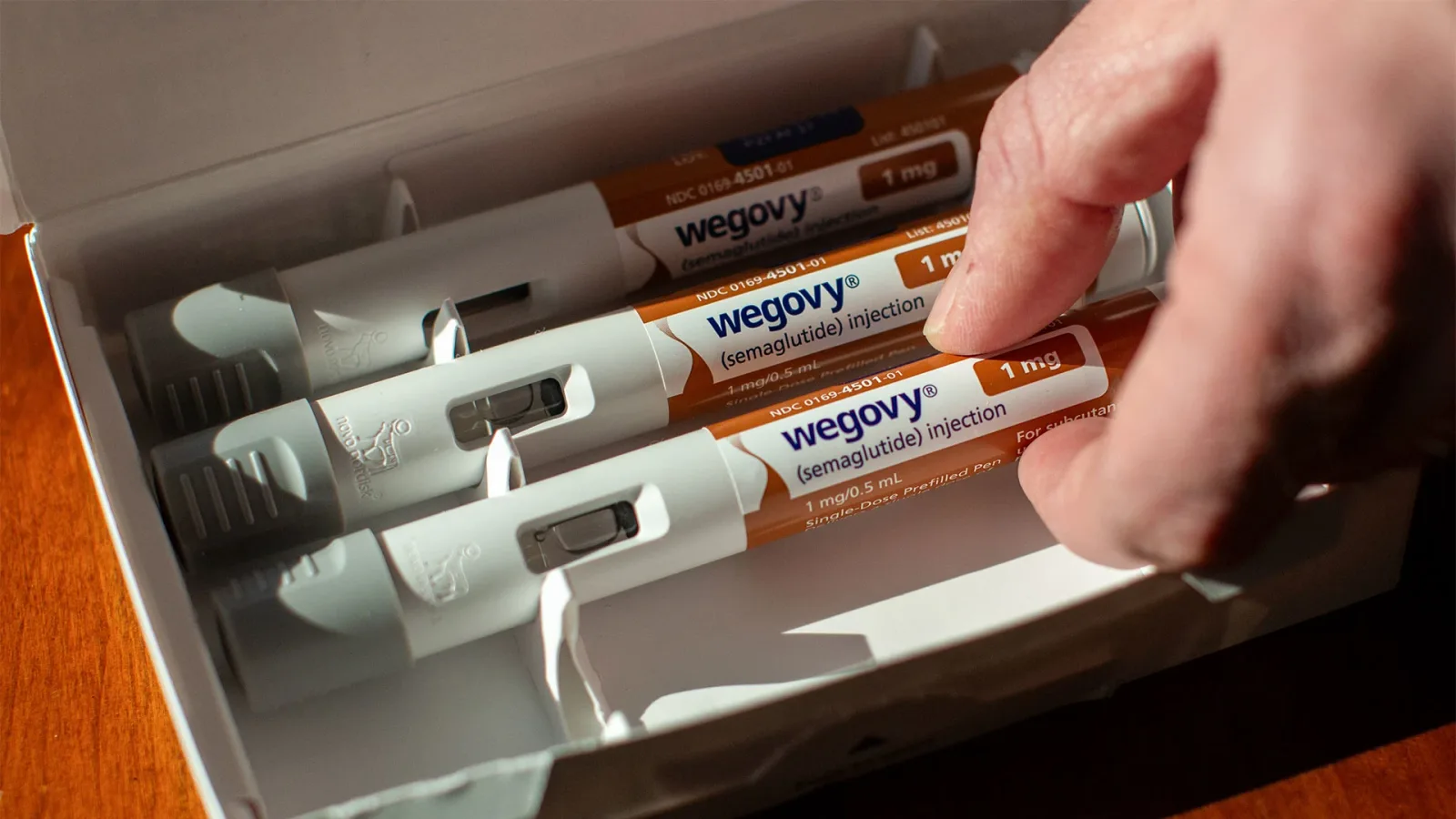
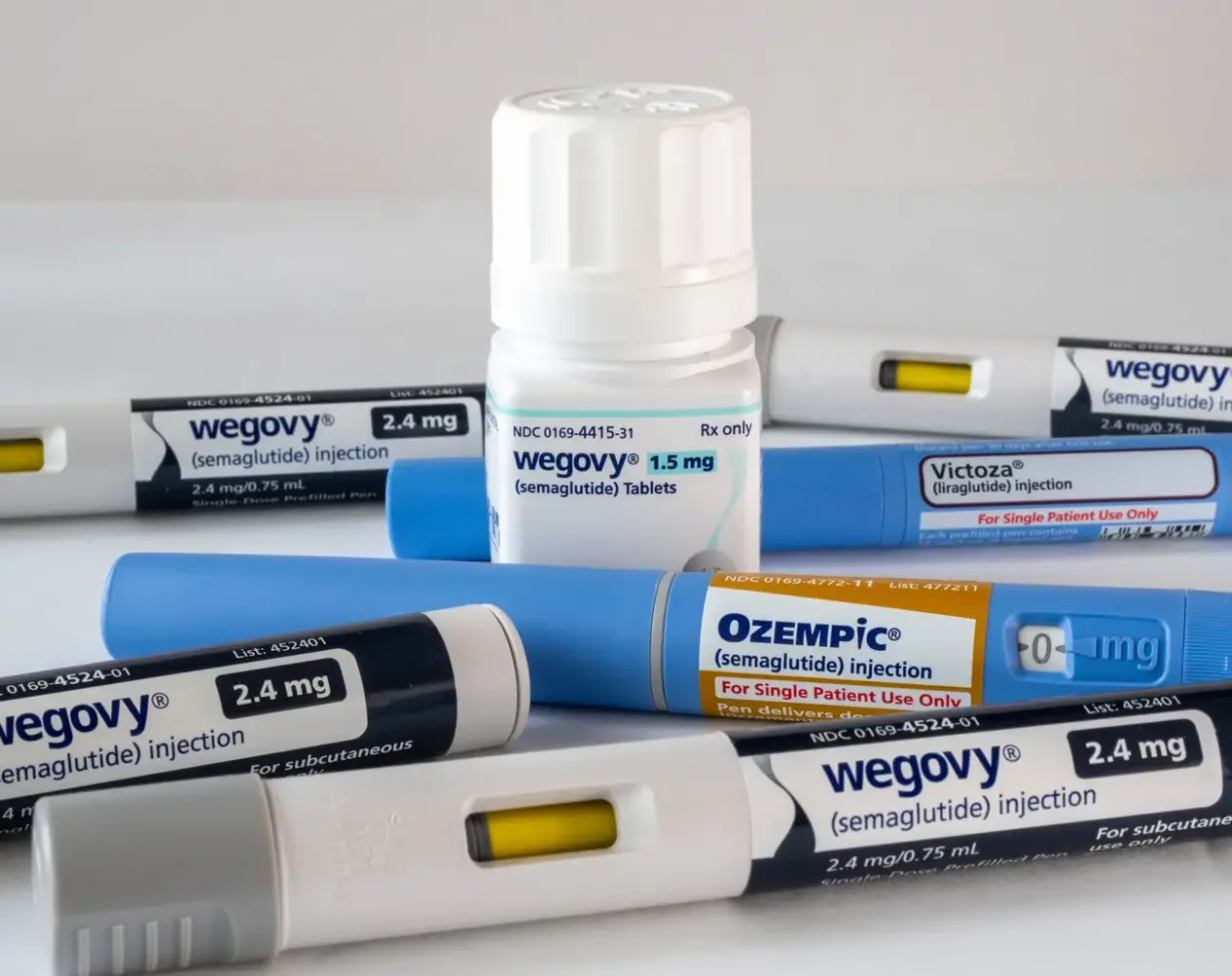
Recent clinical trials have revealed that approximately 10% of individuals using weight-loss injections like Wegovy and Ozempic may not achieve substantial weight reduction, earning them the label of 'non-responders.' These GLP-1 receptor agonists, containing semaglutide, have gained massive popularity, with an estimated 2% of UK adults now using them. This surge followed the National Institute for Health and Care Excellence (NICE) approval of Wegovy for NHS-supported weight loss treatment in 2023, based on data showing average weight losses of 15 to 20%.
The Rise of Wegovy and Ozempic in Obesity Treatment
Wegovy and Ozempic mimic glucagon-like peptide-1 (GLP-1), a gut hormone released after eating that regulates blood sugar and appetite. By acting on the brain, it promotes fullness and curbs hunger, making calorie control easier. This mechanism has positioned these drugs as powerful tools against obesity, but their widespread adoption has led to pharmacy shortages and a rise in unregulated online sales.
However, not everyone experiences the transformative effects hyped in media. Clinical trials indicate that one in ten people lose less than 5% of their body weight, underscoring variability in response.
Real Patient Stories: When Expectations Meet Reality
Samantha Jess's Experience with Ozempic
Samantha Jess, 52, was prescribed Ozempic in 2020 for diabetes management. At 16 stone, she hoped it would silence her 'food noise' and enable up to 10% body weight loss. 'I thought, "oh brilliant, I've been given a helping hand by the doctors,"' she told the Sunday Times. 'I thought Ozempic was going to do something magical.'
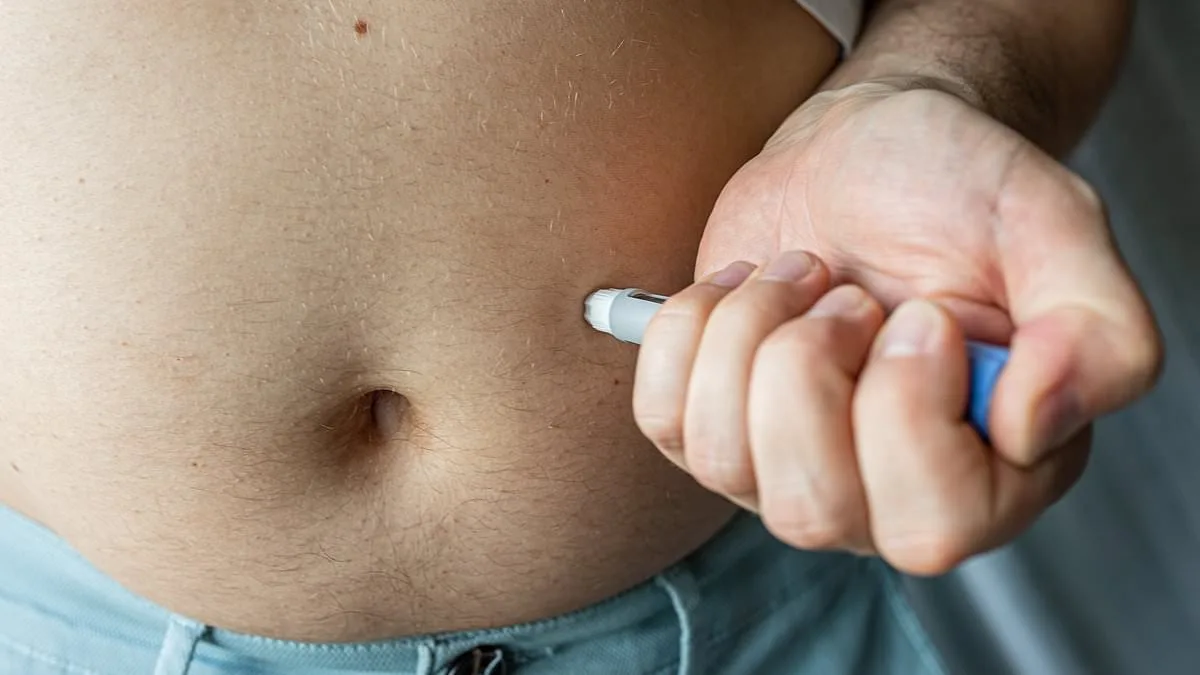
After eight months of weekly injections, Jess saw no weight loss—in fact, she gained weight. 'Nothing was happening, I was still 16 stone. In fact, I was putting weight on,' she says. 'I still wanted to eat. It didn't take away the food noise, I'd still order a takeaway and think, "I'm on Ozempic, how is this even possible?"' Jess suspects she is a 'non-responder' to semaglutide.
Niamh Shackleton's Wegovy Journey
In July last year, Niamh Shackleton, 29, 5ft 3in, dress size 14, started Wegovy via an online private prescription after meeting BMI criteria. She began with low-dose weekly injections, titrating up to 2.4mg. 'I remember telling my friends not to worry, that I wouldn't make myself super skinny,' she said. 'I thought the weight was going to fall off really quickly.'
Over five months, she lost about one stone—far less than anticipated. The drug suppressed her sweet tooth and appetite somewhat, but her diet remained unchanged amid a knee injury that halted exercise. 'I was a bit naive... hoping that the odd pizza and wine night wasn't going to be detrimental,' she admitted.
Why Do Some People Not Respond to Wegovy and Ozempic?
Experts explain that obesity involves multiple biological pathways, and GLP-1 drugs target just one. Professor Lora Heisler, obesity researcher at Aberdeen University, states: 'Obesity is not one disease and it's not caused by one thing, it's a mix of different biological mechanisms. GLP-1 based drugs target only one of those mechanisms, so they can work extremely well for many people, but not for everyone.'
Precision tracking for your journey
Join thousands using Shotlee to accurately track GLP-1 medications and side effects.
📱 Get the Shotlee App
Track your GLP-1 medications, peptides, and health metrics on the go with our mobile app!
Dr. Marie Spreckley, weight management specialist at Cambridge University, describes a 'spectrum of response.' A key factor is 'metabolic defence'—the body's survival mechanism that conserves energy during calorie restriction by lowering expenditure and protecting fat stores. Professor Heisler adds it's often genetic: 'We're all built differently and some people have stronger, metabolic, protective mechanisms than others.'
The Role of Genetics and Lifestyle
Individual differences in GLP-1 receptor sensitivity, brain signaling, and metabolic adaptations contribute to non-response. Inconsistency in dosing exacerbates this; side effects like nausea and abdominal pain can lead to skipped injections, reducing efficacy. Dr. Spreckley warns against viewing these as 'miracle cures': 'GLP-1 receptors are just an aid to dieting; they make sticking to a diet easier but the usual rules of eating protein and engaging in resistance training still apply. It's not magic.'
Clinical Background on Semaglutide Non-Responders
Semaglutide, the active ingredient in both drugs, binds GLP-1 receptors to slow gastric emptying, enhance insulin secretion, and signal satiety via the hypothalamus. For most, this yields 15-20% weight loss when combined with lifestyle changes. Yet, trials consistently show 10% achieving <5% loss, prompting research into biomarkers for predicting response.
Compared to alternatives like older appetite suppressants or bariatric surgery, GLP-1s offer non-invasive benefits but require commitment. Safety profiles include gastrointestinal issues, with rare risks like pancreatitis—monitoring is essential.
Practical Guidance for Patients on Wegovy or Ozempic
If you're starting these medications, discuss your response expectations with your doctor. Track progress weekly, combining injections with a protein-rich diet, resistance training, and cardio. Tools like Shotlee can help log symptoms, side effects, adherence, and weight changes for better doctor consultations.
For non-responders, alternatives may include dose adjustments, combination therapies (e.g., with GIP agonists like tirzepatide), or switching drugs. Persistence with lifestyle integration maximizes chances—consistency trumps perfection.
Key Takeaways: What This Means for Patients
- 10% of users are non-responders losing <5% weight on Wegovy/Ozempic.
- Average success: 15-20% loss, but genetics and metabolic defence play roles.
- Patient stories like Samantha Jess and Niamh Shackleton show realistic variability.
- Experts emphasize: Drugs aid dieting, not replace it—pair with protein, exercise.
- Consult professionals; track adherence to optimize outcomes.
Conclusion
While Wegovy and Ozempic transform lives for many, the 10% non-responder rate reminds us obesity treatment is personalized. Understanding mechanisms like GLP-1 action and metabolic defence empowers informed decisions. Speak with your healthcare provider to tailor your approach, ensuring sustainable metabolic health.