
Study: Ozempic-Type Drugs Like Semaglutide Can Be Made for $3/Month
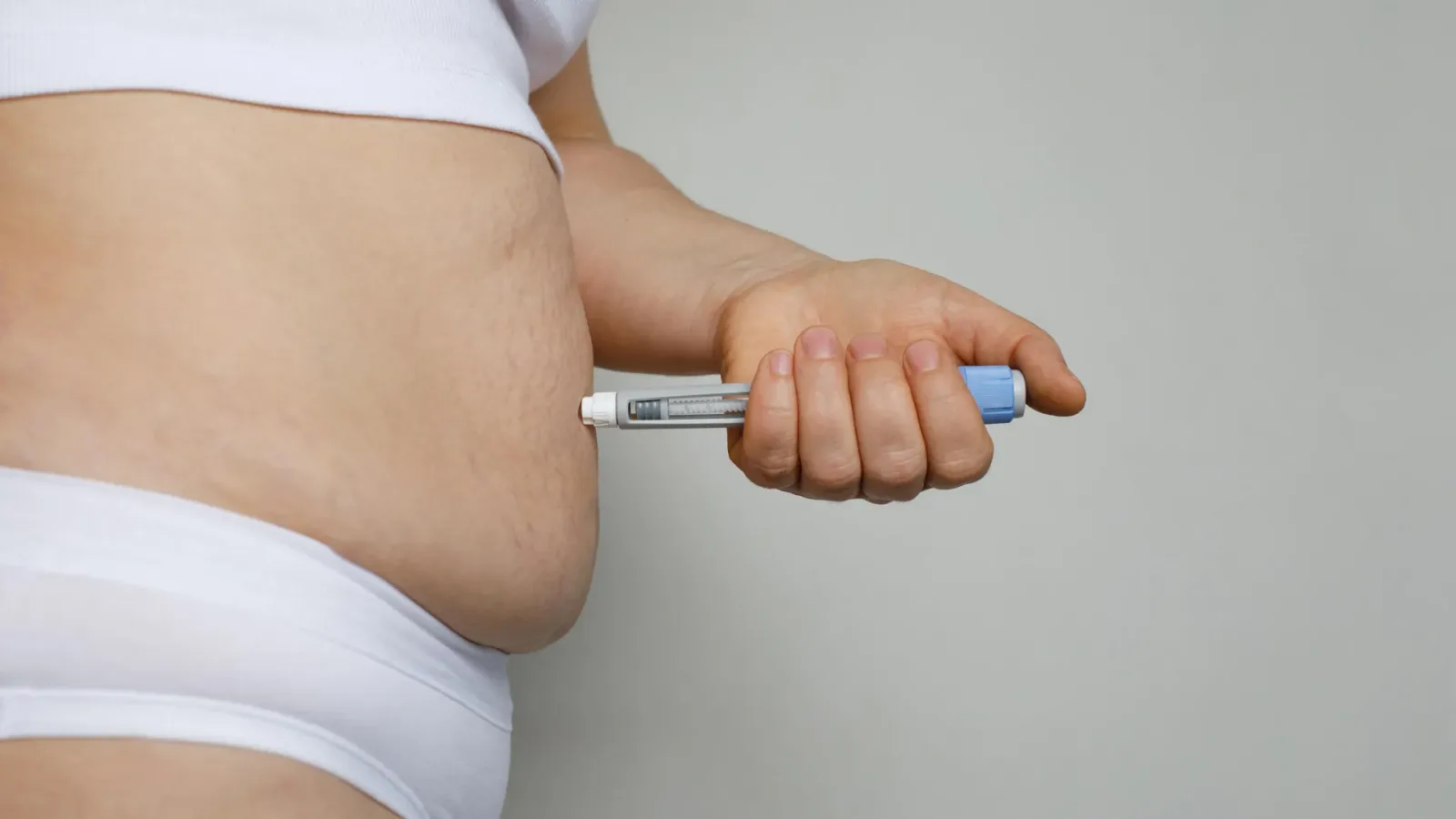
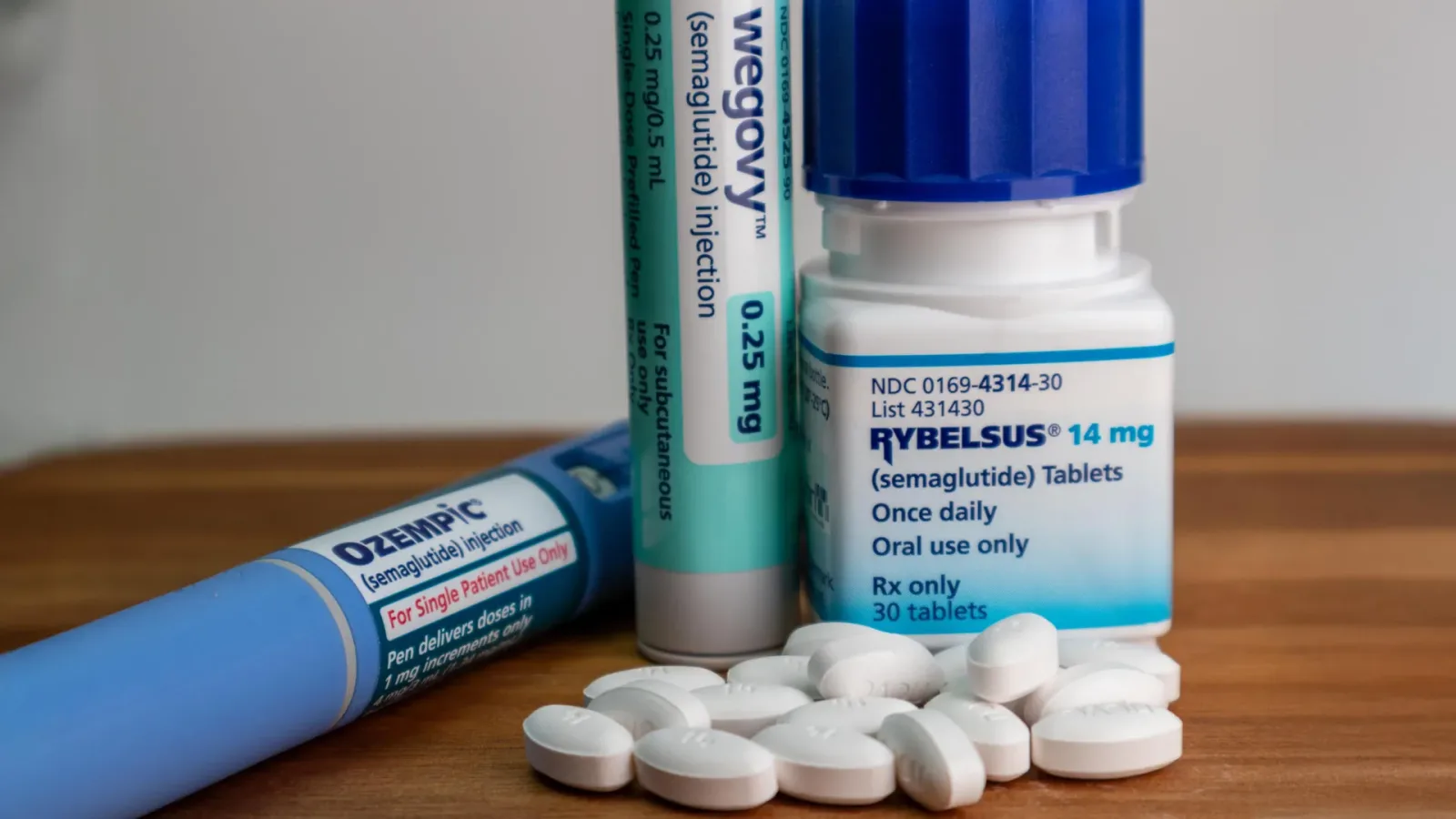
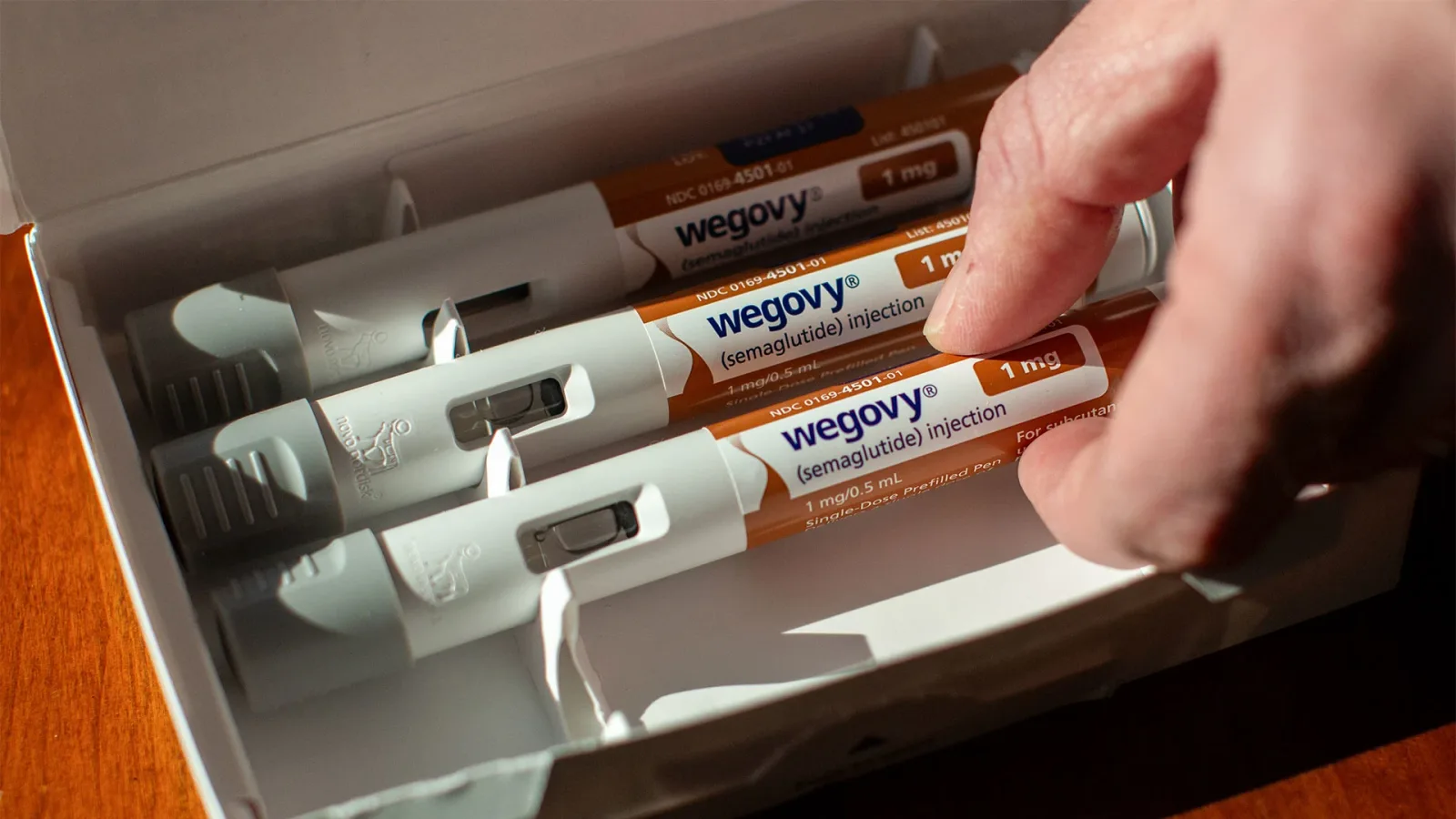
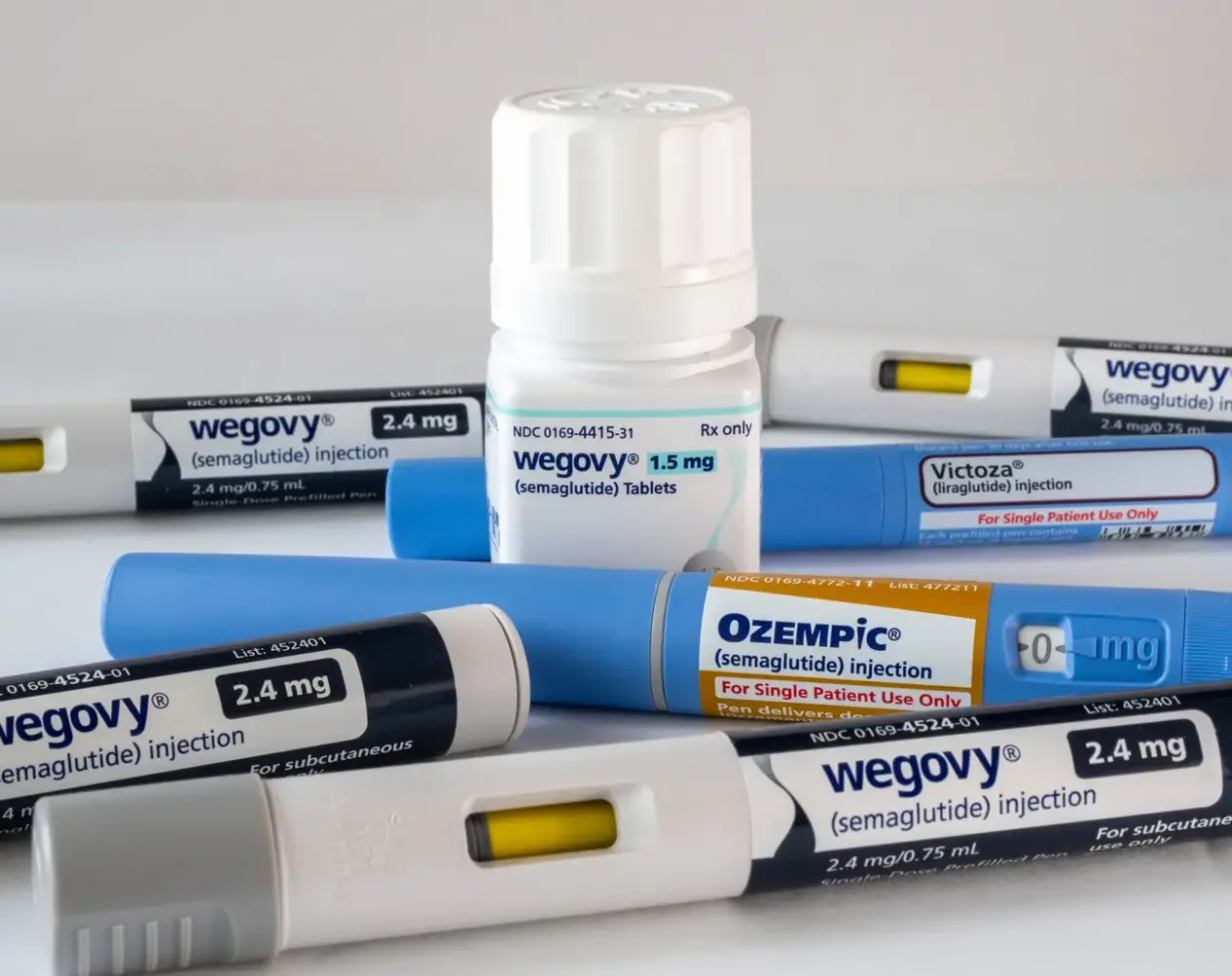
In a significant development for metabolic health, a new study highlights that Ozempic-type drugs, specifically those containing semaglutide, could be produced far more cheaply than their current retail prices. Researchers analyzing manufacturing costs found that the active ingredient, semaglutide, could be produced for roughly $3 per month in injectable form, with pill versions costing around $16 monthly. This finding addresses a critical barrier in treating obesity and diabetes, especially as these conditions surge globally.
The Study's Key Findings on Semaglutide Production Costs
The research underscores a stark contrast between production realities and market pricing. Today, medications like Ozempic and Wegovy often sell for hundreds of dollars per month in many countries, rendering them inaccessible for millions. By breaking down the manufacturing process—from chemical synthesis to formulation and packaging—the study demonstrates that high-volume production could slash costs dramatically.
Semaglutide, a glucagon-like peptide-1 (GLP-1) receptor agonist, mimics the GLP-1 hormone to regulate blood sugar, slow gastric emptying, and reduce appetite. This mechanism not only aids weight loss but also supports cardiovascular health in type 2 diabetes patients. The low estimated costs ($3/month injectable, $16/month oral) hinge on scalable peptide synthesis techniques, which are already feasible with existing technology.
Why Production Costs Matter for Patients
Lower costs could transform treatment adherence. For patients in lower- and middle-income countries—where obesity rates are climbing rapidly—affordable semaglutide means more people could access proven therapies. The study emphasizes that once patents expire in several markets, generic versions could flood the market, further driving prices down.
Current Pricing vs. True Manufacturing Costs
At present, Ozempic (semaglutide injection) and Wegovy (higher-dose semaglutide for weight management) carry list prices exceeding $1,000 monthly in the U.S. before insurance or discounts. In regions like Africa and parts of Asia, even subsidized versions remain out of reach due to import costs and limited supply chains.
| Form | Estimated Production Cost/Month | Current Retail (Typical) |
|---|---|---|
| Injectable Semaglutide | $3 | $900-$1,300 |
| Oral Semaglutide (e.g., Rybelsus equivalent) | $16 | $800-$1,000 |
This table illustrates the potential savings. Factors inflating retail prices include R&D recovery, marketing, patents held by Novo Nordisk, and distribution markups—not inherent production expenses.
Global Obesity and Diabetes Context
Obesity rates are climbing worldwide, particularly in lower- and middle-income countries. The World Health Organization reports over 1 billion obese adults globally, with diabetes affecting 422 million. In Africa, for instance, obesity has tripled since 1975, straining healthcare systems ill-equipped for expensive imported drugs.
Semaglutide's role here is pivotal: clinical trials like STEP and SUSTAIN show 15-20% body weight reduction and A1C drops of 1-2%. Yet, without affordability, these benefits remain theoretical for many.
Precision tracking for your journey
Join thousands using Shotlee to accurately track GLP-1 medications and side effects.
📱 Get the Shotlee App
Track your GLP-1 medications, peptides, and health metrics on the go with our mobile app!
Mechanisms: How Semaglutide Works for Weight Loss and Diabetes
GLP-1 Agonist Action
Semaglutide binds to GLP-1 receptors in the pancreas, brain, and gut, promoting insulin secretion, inhibiting glucagon, and signaling fullness. This dual action tackles obesity's metabolic roots, unlike diet alone.
Comparisons to Alternatives
Compared to older drugs like phentermine or orlistat, semaglutide offers superior efficacy (e.g., 15% vs. 5-10% weight loss). Other GLP-1s like tirzepatide (Mounjaro) show similar promise but higher current costs. Cheaper semaglutide could outpace them in accessibility.
Safety Profile and Side Effects
Common side effects include nausea, vomiting, and diarrhea, often transient. Rare risks like pancreatitis or thyroid tumors require monitoring. Patients should start low-dose (0.25mg weekly for Ozempic) and titrate up. Tools like Shotlee can help track symptoms and adherence during therapy.
Path to Cheaper Generics and Patent Expiry
Patents on semaglutide expire around 2031-2032 in major markets, opening doors for generics. Experts anticipate a price plunge similar to statins post-patent. Until then, compounding pharmacies offer alternatives, though quality varies.
What This Means for Patients: Practical Guidance
Who Should Consider Semaglutide? Adults with BMI ≥30, or ≥27 with comorbidities like diabetes or hypertension. Discuss with your doctor if you have GI issues or family history of medullary thyroid cancer.
Talking to Your Doctor: Ask about cost-saving programs, insurance coverage, or trials. Monitor progress with apps like Shotlee for side effects and weight logs.
Lifestyle Integration: Pair with 150min weekly exercise and balanced diet for best results.
Key Takeaways
- Semaglutide production: $3/month injectable, $16 pill—vs. hundreds retail.
- Boosts access in obesity-burdened regions post-patent.
- Medication alone insufficient; address poverty, diet, food systems.
- Proven for weight loss/diabetes via GLP-1 mimicry.
Conclusion: A Step Toward Equitable Metabolic Health
This study signals hope for affordable Ozempic-type drugs, preserving their core benefits while expanding reach. Patients, consult providers for personalized plans. As generics near, global obesity management could improve markedly—combined with holistic strategies.