
Introduction: When Weight Loss Dreams Turn Nightmarish
In the 2026 horror film Saccharine, directed by Natalie Erika James, medical student Hana (Midori Francis) discovers a mysterious pill called Grey that melts away pounds overnight—no diet required. It sounds like the holy grail for anyone battling the scale, echoing the hype around GLP-1 medications like Ozempic and Wegovy. But as Hana learns, the 'magic' comes with a supernatural curse: a haunting spirit born from human ashes, symbolizing the dark underbelly of body dysmorphia and eating disorders.
While Saccharine amplifies the terror for cinematic effect, it mirrors real-world concerns with rapid weight loss drugs. GLP-1 receptor agonists, such as semaglutide (Ozempic, Wegovy) and tirzepatide (Mounjaro, Zepbound), have transformed metabolic health, helping millions shed significant weight. Yet, they aren't without 'ghosts'—side effects, psychological tolls, and the risk of reinforcing unhealthy obsessions. This guide uses the film's lens to provide evidence-based insights into GLP-1 medications, empowering you with knowledge for informed, sustainable choices.
The Science Behind the Hype: How GLP-1 Drugs Mimic 'Grey'
In Saccharine, Grey offers instant results, letting Hana eat freely while weight vanishes. Real GLP-1s don't work that fast or freely, but they harness the body's natural satiety signals with remarkable efficacy.
Mechanism of Action: Mimicking Gut Hormones
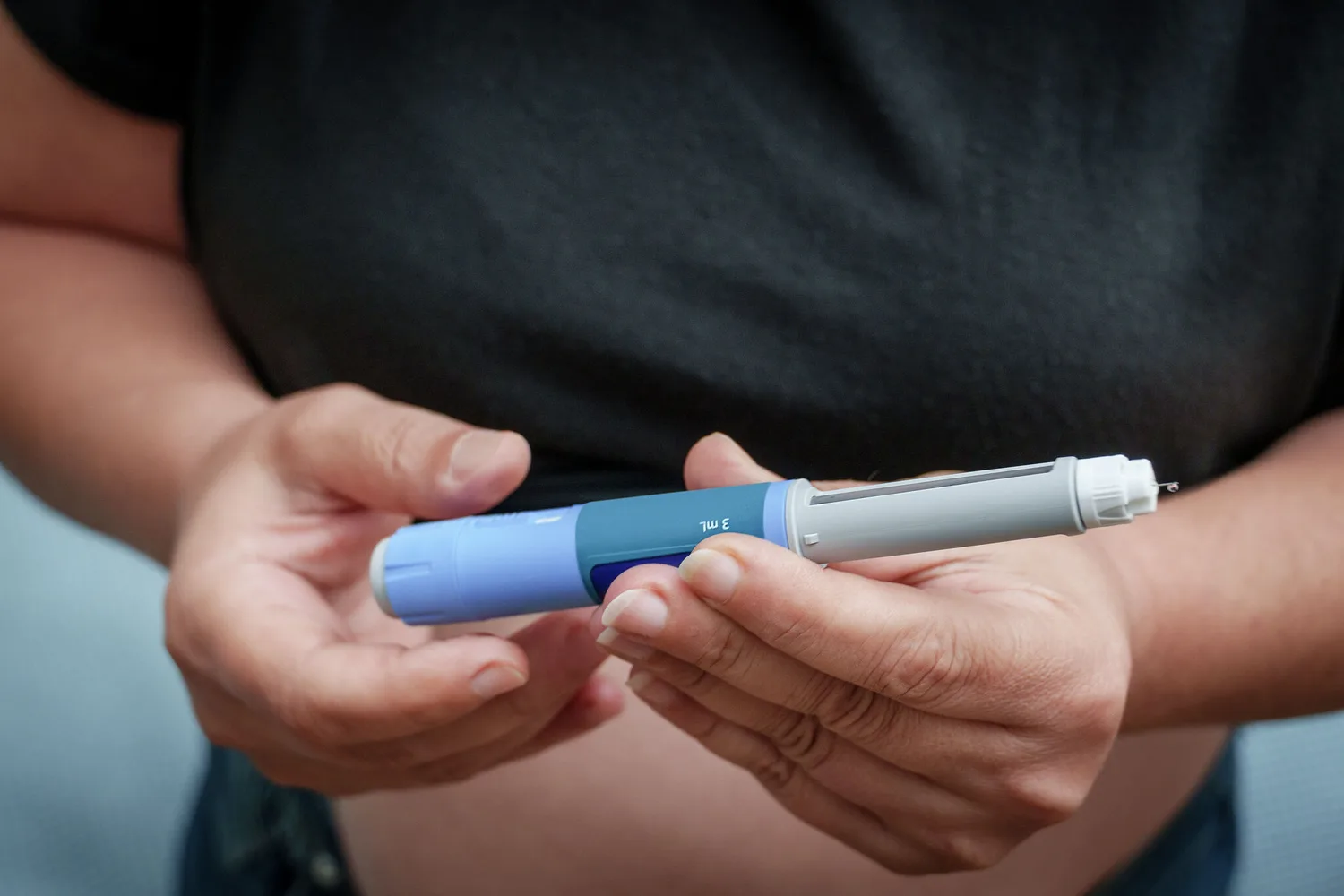
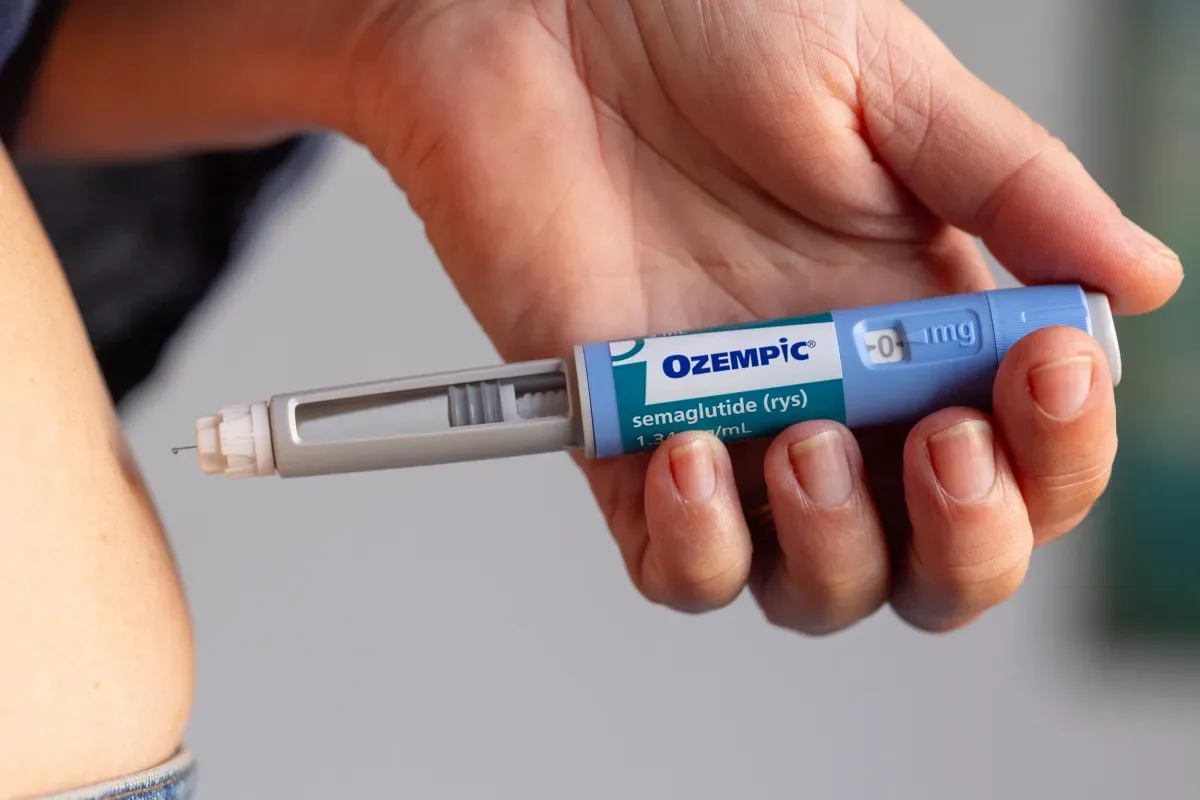
GLP-1 (glucagon-like peptide-1) is a hormone released by the intestines after eating. It signals the brain to reduce appetite, slows gastric emptying, and regulates blood sugar. Drugs like semaglutide mimic this, binding to GLP-1 receptors for prolonged effects—weekly injections sustain levels far beyond natural pulses.
- Semaglutide (Ozempic/Wegovy): FDA-approved for type 2 diabetes (Ozempic, 0.25-2 mg weekly) and chronic weight management (Wegovy, up to 2.4 mg). Trials like STEP showed 15-20% body weight loss over 68 weeks.
- Tirzepatide (Mounjaro/Zepbound): Dual GLP-1/GIP agonist. SURMOUNT-1 trial: up to 22.5% weight loss at 15 mg weekly, outperforming semaglutide in head-to-head studies.
Unlike Grey's ashes, these peptides are lab-engineered. No supernatural shortcuts—just amplified biology. A 2023 NEJM meta-analysis confirmed GLP-1s reduce cardiovascular risk by 20% in obese patients, making them a cornerstone for metabolic health.
Dosing and Expectations: Realistic Timelines
Start low to minimize nausea: Ozempic begins at 0.25 mg, titrating up. Expect 5-10% loss in 3-6 months with lifestyle support. Saccharine's instant melt-off is fiction; patience prevents dropout, as 30% discontinue due to GI issues per real-world data.
Body Dysmorphia and Eating Disorders: The Invisible Haunt
Hana's binge-purge cycles and distorted reflections in Saccharine spotlight body dysmorphia—seeing a flawed self despite evidence. GLP-1s amplify this risk in vulnerable users.
Psychological Realities
Social media pushes extremes: body positivity or thin ideals. A 2024 JAMA study found 25% of GLP-1 users report worsened body image post-weight loss, echoing Hana's hollow joy. Binge eating, linked to emotional voids, may rebound off-medication without therapy.
Precision tracking for your journey
Join thousands using Shotlee to accurately track GLP-1 medications and side effects.
📱 Get the Shotlee App
Track your GLP-1 medications, peptides, and health metrics on the go with our mobile app!
"The film masterfully shows bingeing as self-harm, not pleasure—a poignant parallel to how GLP-1s treat symptoms but not root causes like trauma or dysmorphia."
For those with histories of eating disorders, screen first. NICE guidelines recommend psychological evaluation. Integrate cognitive behavioral therapy (CBT); a 2022 trial showed CBT + GLP-1s doubled sustained loss vs. drug alone.
Side Effects: Managing the Real 'Ghosts'
Grey's malevolent spirit manifests Hana's shame; GLP-1 side effects are physiological but manageable.
Common Issues and Strategies
- Gastrointestinal: Nausea (44% in trials), vomiting, diarrhea. Mitigate with slow titration, ginger, or B12 supplements.
- Muscle Loss: Up to 40% of weight lost is lean mass. Counter with resistance training and 1.6g/kg protein daily.
- Gallbladder/Thyroid Risks: Rare pancreatitis (0.2%); monitor via labs. Avoid if medullary thyroid cancer family history.
Serious signals: persistent abdominal pain warrants ER visit. Tools like Shotlee can help track symptoms, side effects, and nutrition alongside your GLP-1 regimen, flagging issues early.
Long-Term Data
SELECT trial (2023): Wegovy cut heart events 20% in 17,000+ patients. But regain averages 2/3 weight off-drug within a year—lifelong commitment needed.
Safe, Sustainable Weight Management: Beyond the Pill
Saccharine critiques pill-reliance; real success blends GLP-1s with habits.
Lifestyle Synergy
- Diet: High-fiber, protein-focused (e.g., Mediterranean). Track via apps for 500kcal deficit.
- Exercise: 150 min moderate cardio + strength weekly preserves muscle.
- Mindset: Focus on health markers (A1C, waist circumference) over scale. Therapy addresses dysmorphia.
Shotlee users report better adherence by logging progress holistically. Consult providers for personalized plans; off-label Ozempic use surges, but compounded versions risk contamination—stick to FDA-approved.
Conclusion: Choose Wisely, Haunt-Free
Saccharine's first two acts brilliantly expose weight loss desperation, much like GLP-1 hype. Midori Francis' raw performance reminds us: thinness isn't salvation if self-loathing lingers. GLP-1 drugs like Ozempic, Wegovy, Mounjaro, and Zepbound offer proven metabolic benefits—15-22% loss, cardiometabolic gains—but demand vigilance against GI woes, muscle loss, and mental pitfalls.
Pair with lifestyle, monitor closely (consider Shotlee for data-driven insights), and prioritize mental health. Sustainable change trumps horror-movie shortcuts. Consult your doctor before starting; evidence guides the path to true vitality.