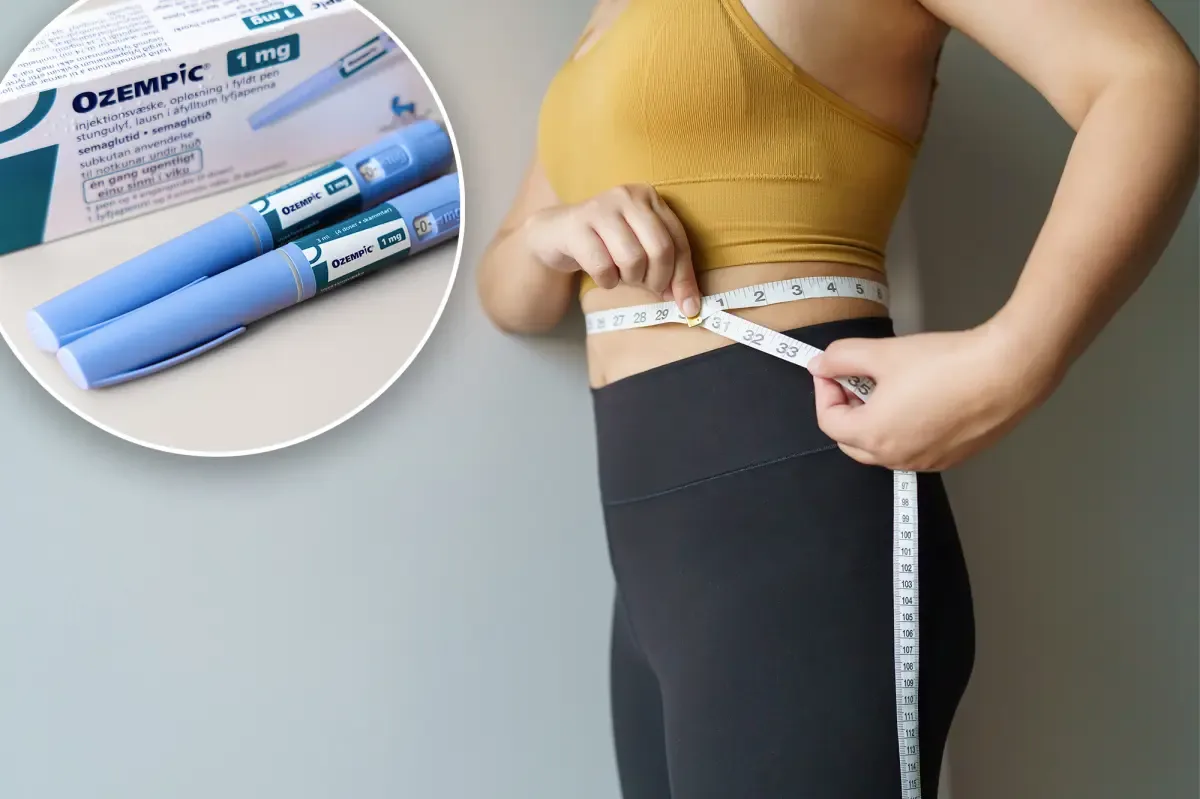

The Changing Landscape of Weight Loss Medication
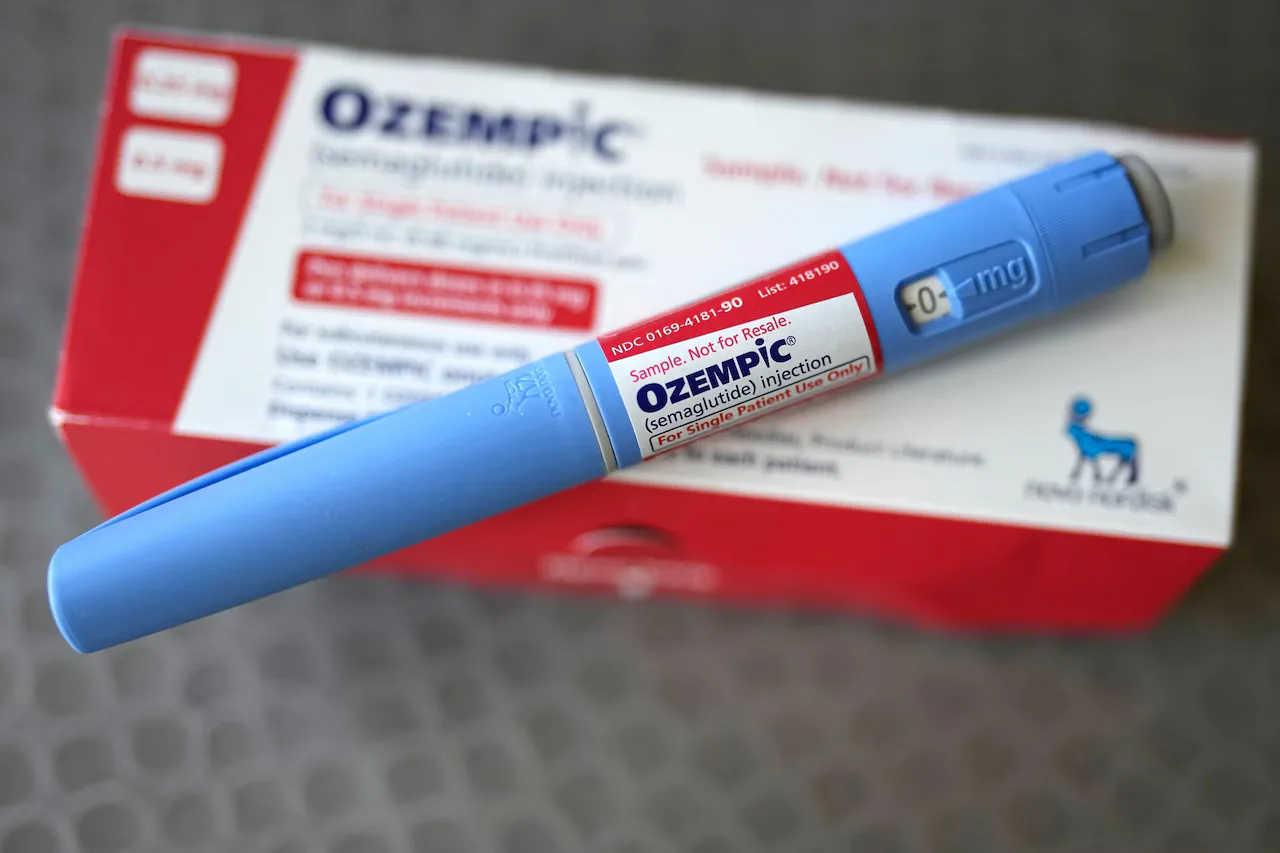
In recent years, the conversation surrounding weight management has shifted dramatically. Medications once reserved for niche medical cases have become household names, reshaping the public health conversation around obesity. Drugs like Ozempic and its counterparts are now inescapable in both clinical settings and cultural discourse. While individuals using these medications often navigate complex social judgment and stigma, the undeniable impact on individual health outcomes cannot be ignored.
As GLP-1 medications continue to evolve and gain widespread adoption, they are experiencing both a major cultural moment and a tangible impact on the broader health landscape. The question is no longer just about whether these drugs work, but how they are influencing population-level statistics. Drugs like Ozempic show no signs of slowing down; the number of Americans using these medications for weight management has more than doubled over the past year and a half.
EPIC Research Data: A Correlation Emerges
Health analytics organization EPIC Research has released two new data trackers that provide a granular look at the relationship between medication usage and obesity prevalence. These trackers focus specifically on semaglutide—the active ingredient found in both Ozempic and Wegovy.
By analyzing millions of patient records from hospitals across the country, researchers were able to track prescription volumes and Body Mass Index (BMI) data on a quarterly basis. This longitudinal approach allowed for a clearer picture of trends over time. The data reveals a distinct pattern: as prescription rates climb, obesity rates show signs of decline.
Between the second quarter of 2021 and the first quarter of 2026, GLP-1 prescriptions increased more than four times, reaching 8,819 prescriptions per 100,000 patients. This surge in availability correlates with a modest but notable decline in the percentage of the population classified as obese, dropping from 42.3% to 40.7% over the same period.
Understanding the Clinical Significance of BMI
To understand the weight of these numbers, it is essential to look at how obesity is defined. The CDC previously estimated in 2023 that 40% of Americans had a body mass index (BMI) of 30 or higher. This classification is the standard medical threshold for obesity. While a drop from 42.3% to 40.7% might seem small in percentage points, in a population of hundreds of millions, this represents a significant number of individuals moving out of the high-risk category. However, it is too early to tell exactly how much of an impact GLP-1 drugs like Ozempic will have on long-term obesity rates. The results are a promising indicator, but they represent the beginning of a long-term trend rather than a complete solution.
The Challenge of Adherence and Discontinuation
Despite the promising data, the reality of medication adherence presents a significant hurdle. Only about 12% of Americans are currently taking a GLP-1. Many people stop taking them for several reasons, including side effects, lack of health insurance coverage, or high cost. This discontinuation rate is critical because the cessation of these drugs can lead to weight regain.
Furthermore, stopping treatment can increase the risk of chronic conditions associated with obesity, such as type 2 diabetes or cardiovascular disease. The cycle of weight loss and regain, often called "weight cycling," can be metabolically stressful. Therefore, maintaining consistent therapy is not just about aesthetics, but about sustaining metabolic health.
Key Barriers to Long-Term Usage
- Side Effects: Gastrointestinal issues are common and can lead patients to disuse.
- Cost: Even with insurance, out-of-pocket expenses can be prohibitive.
- Insurance Coverage: Many plans still classify these medications as cosmetic rather than medically necessary.
- Availability: Supply chain issues have occasionally limited access to specific brands.
Global Access vs. US Market Realities
While Ozempic often comes with a hefty price tag in the United States, the landscape looks different elsewhere. Countries around the world, including India, China, Brazil, and Turkey, could be getting generic versions for as cheap as $15 a month. This disparity highlights the complex relationship between pharmaceutical patents, market pricing, and public health access.
However, it will be years before cheaper generic semaglutide hits the US markets due to pharmaceutical company Novo Nordisk's patent lasting until 2032. This timeline means that for the foreseeable future, access in the US will remain tied to the original brand pricing and insurance negotiations.
Precision tracking for your journey
Join thousands using Shotlee to accurately track GLP-1 medications and side effects.
📱 Get the Shotlee App
Track your GLP-1 medications, peptides, and health metrics on the go with our mobile app!
Prescription Growth vs. Obesity Decline
| Metric | Q2 2021 | Q1 2026 (Projected/Reported) | Change |
|---|---|---|---|
| GLP-1 Prescriptions (per 100k) | ~2,200 | 8,819 | +4x Increase |
| Obesity Rate (%) | 42.3% | 40.7% | -1.6% Decrease |
| Previous Weight Loss Drug Users | 75% | 69% | -6% Decrease |
Managing Your Health Journey with Shotlee
For patients navigating the complexities of GLP-1 therapy, consistent monitoring is vital. Medication management is not a set-it-and-forget-it process; it requires attention to dosage, symptoms, and overall health metrics. This is where health tracking tools become essential partners in care.
Shotlee provides a platform for patients to track their progress, symptoms, and doses effectively. By logging side effects and weight changes, patients can provide their healthcare providers with accurate data during appointments. This level of detail helps ensure that the therapy remains effective and safe over the long term.
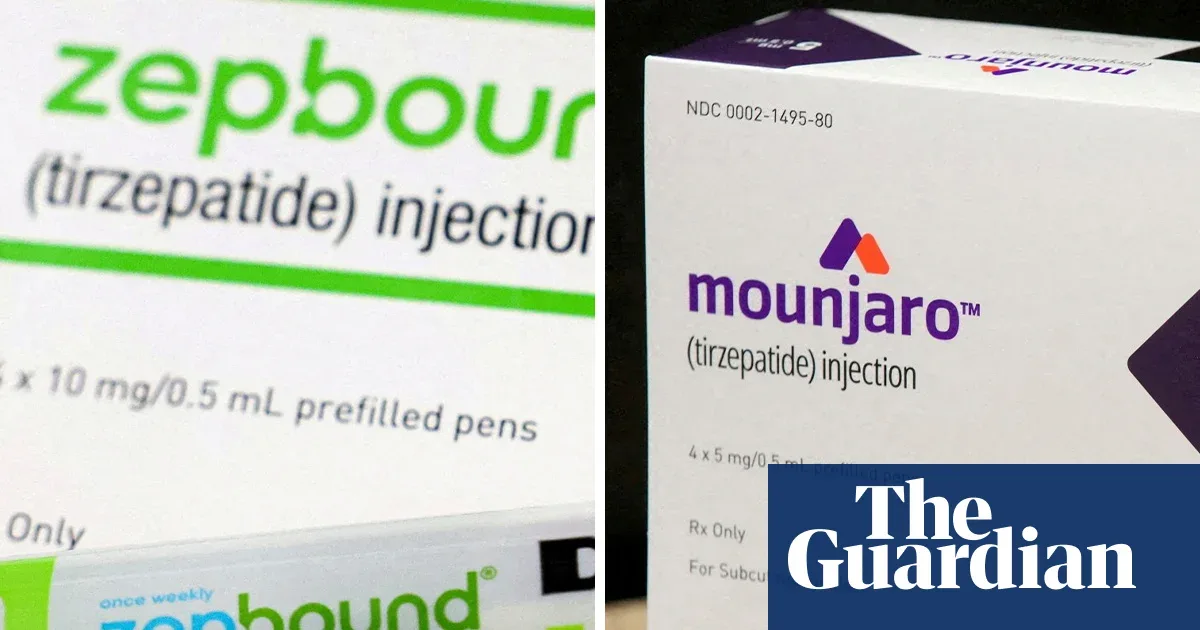
When using medications like Semaglutide or Tirzepatide, understanding your body's response is key. Shotlee allows users to correlate their medication adherence with health outcomes, creating a comprehensive picture of their wellness journey. Whether you are managing type 2 diabetes, weight loss, or general metabolic health, having a reliable record of your data empowers you to make informed decisions.
Future Outlook and Practical Takeaways
Future obesity rates will depend on a number of factors, including several related to the use of weight loss medications. The medical community is watching closely to see if the current decline in obesity rates stabilizes or accelerates as more patients gain access to these therapies. The reduction in the number of adults with obesity who had previously taken a weight loss drug (dropping from 75% to 69%) suggests a shift in treatment preferences, though this data requires continued monitoring.
Practical Steps for Patients
- Consult a Specialist: Ensure you are working with a provider who understands GLP-1 therapy and its long-term implications.
- Monitor Side Effects: Keep a log of any gastrointestinal issues or other adverse events.
- Track Metrics: Use tools like Shotlee to monitor weight, BMI, and blood pressure changes.
- Plan for Continuity: Discuss insurance and cost strategies with your provider before starting therapy.
- Focus on Lifestyle: Medication is a tool, not a cure; combine it with nutrition and activity plans.
Conclusion
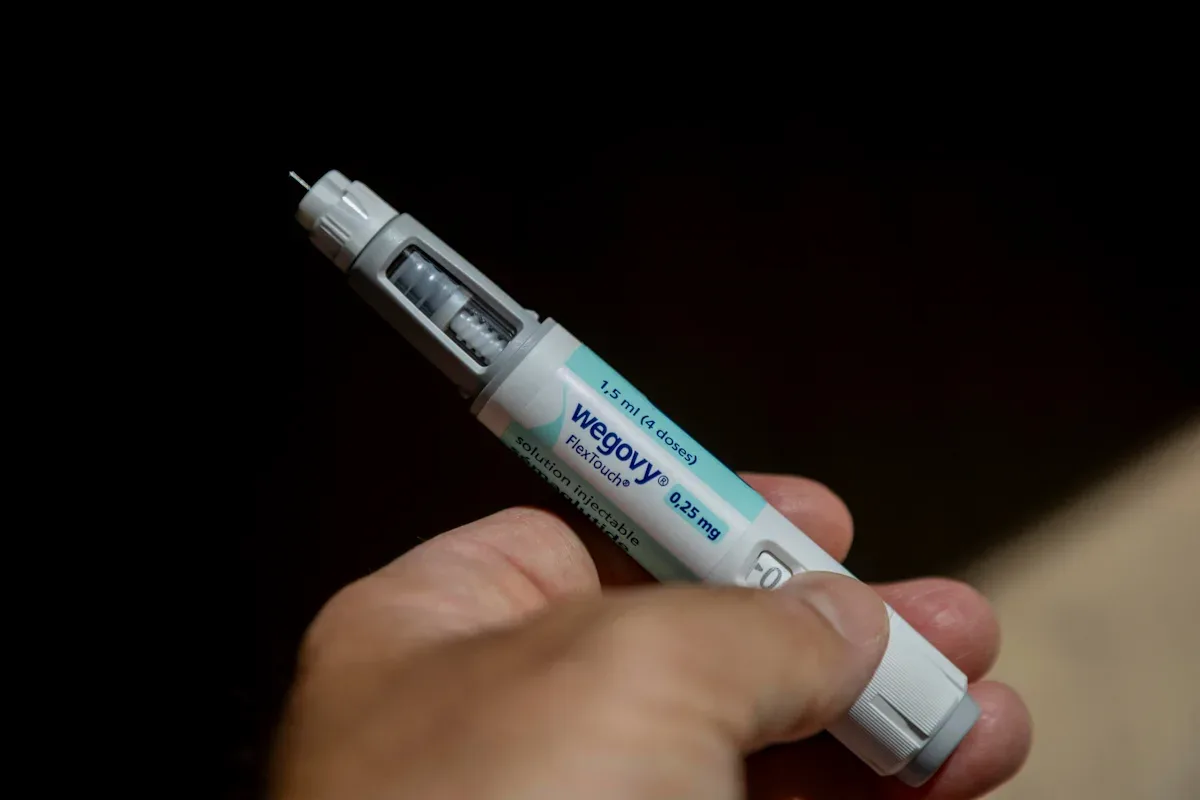
The rise of GLP-1 medications like Ozempic and Wegovy represents a significant turning point in the fight against obesity. While the data shows a modest but sustained decrease in obesity rates, the path forward involves overcoming barriers like cost, access, and adherence. As the market evolves and generic options potentially become available in the coming years, the hope is that these life-changing medications will become accessible to a broader population. Until then, careful management and data-driven tracking remain the best strategies for patients committed to their health.
Frequently Asked Questions
1. What is the current obesity rate in the US?
According to CDC estimates from 2023, 40% of Americans have a BMI of 30 or higher, which is the classification for obesity. Recent EPIC Research data indicates a slight decline to 40.7% over the specific tracking period analyzed.
2. How much have GLP-1 prescriptions increased?
Between the second quarter of 2021 and the first quarter of 2026, GLP-1 prescriptions increased more than four times, reaching 8,819 prescriptions per 100,000 patients.
3. Why do patients discontinue semaglutide therapy?
Common reasons for discontinuation include side effects, lack of health insurance coverage, and the high cost of the medication. Discontinuation can lead to weight regain and increased health risks.
4. When will generic semaglutide be available in the US?
Due to Novo Nordisk's patent, generic semaglutide is expected to hit the US market years from now, with the patent lasting until 2032. Some countries like India and Brazil already have cheaper versions.
5. How can Shotlee assist during GLP-1 treatment?
Shotlee helps patients track their progress, symptoms, doses, and health data. This ensures accurate reporting to healthcare providers and helps manage the long-term journey of treatment effectively.