
Ozempic and Metformin: Similarities After Side Effect Warnings
In the world of Type 2 diabetes treatment, the similarities between Ozempic and metformin have drawn increased attention, especially following warnings over their side effects. Both medications are prescribed to lower blood sugar levels and prevent diabetes complications, yet they differ in administration, mechanisms, and long-term profiles. One of the most popular drugs worldwide, metformin, is used by around 120 million people, primarily for Type 2 diabetes, where it helps the body handle insulin more effectively.
Ozempic, another go-to option for Type 2 diabetes, offers a range of extra health benefits alongside its own side effects, prompting comparisons. However, just because these two medications target similar outcomes doesn't make them easily substitutable. Always consult your doctor before starting or switching treatments, and be aware of potential side effects to avoid self-medication risks.
Shared Uses: Managing Type 2 Diabetes
The most obvious similarity between Ozempic and metformin is their primary prescription for Type 2 diabetes. Both work to lower blood sugar levels over time, reducing the risk of serious complications such as heart disease, kidney damage, and nerve issues associated with uncontrolled diabetes.
Clinical Background on Blood Sugar Control
Type 2 diabetes affects how the body processes glucose, leading to elevated blood sugar that can damage organs if unmanaged. Metformin, a biguanide, has been a first-line therapy for decades due to its proven efficacy in improving insulin sensitivity and reducing hepatic glucose production. Ozempic, the brand name for semaglutide, mimics the GLP-1 hormone to enhance insulin release, slow gastric emptying, and suppress glucagon—ultimately achieving similar glycemic control.
Studies have linked both drugs to positive weight loss results, though neither is prescribed specifically for this purpose. For dedicated weight loss, options like Wegovy (higher-dose semaglutide) or Mounjaro (tirzepatide) are approved and may be more suitable. This overlap in metabolic benefits underscores why patients and providers compare them, but individual responses vary based on factors like age, comorbidities, and lifestyle.
Key Differences in Administration and Accessibility
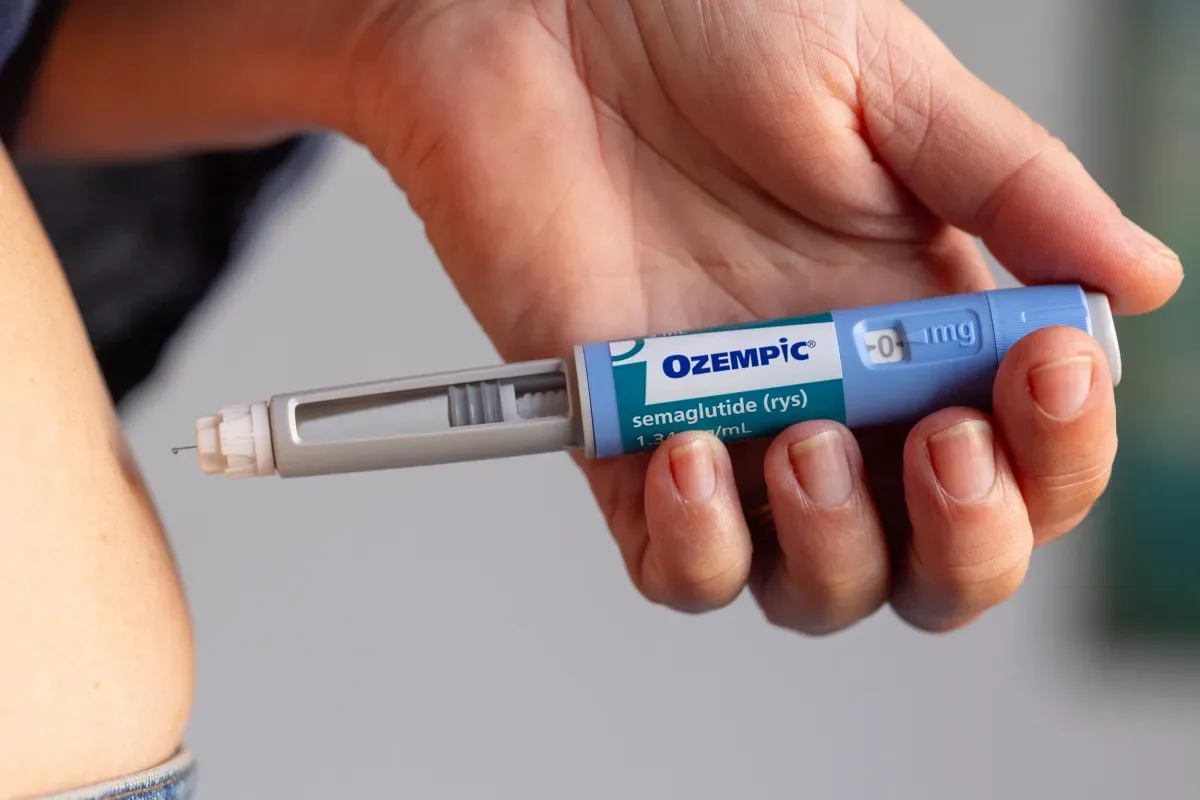
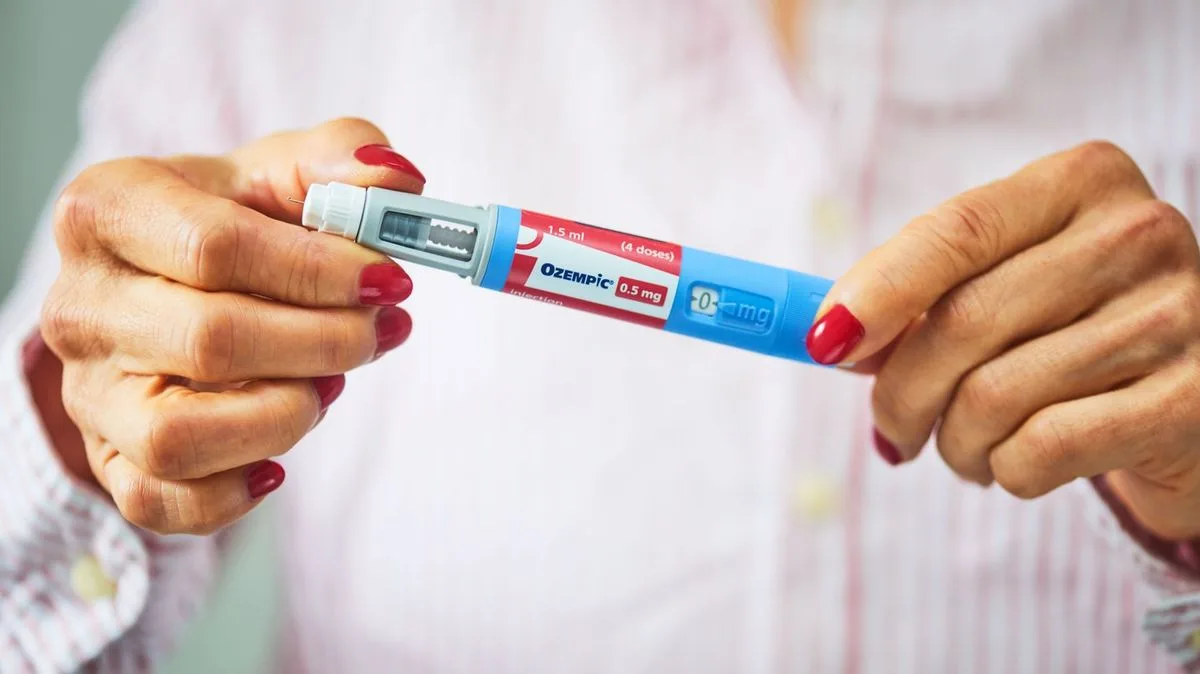
Despite their shared goals, Ozempic and metformin differ significantly in how they're taken. Ozempic is a weekly subcutaneous injection, designed for adults only. In contrast, metformin is typically an oral tablet taken daily and is available for children aged 10 and older.
Mechanism of Action: How They Differ
Understanding the mechanisms highlights why these drugs aren't interchangeable. Ozempic, as a GLP-1 receptor agonist, targets multiple pathways: it stimulates insulin secretion in a glucose-dependent manner, reduces appetite via brain signaling, and delays nutrient absorption in the gut. This multifaceted approach contributes to its cardiovascular benefits observed in trials like SUSTAIN.
Metformin, in its class of biguanides, primarily decreases the liver's glucose production (gluconeogenesis) and reduces intestinal sugar absorption. It also improves peripheral insulin sensitivity without causing hypoglycemia—a key safety advantage. Metformin's generic availability makes it far cheaper and more accessible than branded Ozempic, which remains patent-protected.
These differences mean Ozempic may offer additional perks like greater weight reduction (often 10-15% body weight in trials), while metformin provides steady, cost-effective control with a longer safety track record.
Precision tracking for your journey
Join thousands using Shotlee to accurately track GLP-1 medications and side effects.
📱 Get the Shotlee App
Track your GLP-1 medications, peptides, and health metrics on the go with our mobile app!
Overlapping Side Effects: What Patients Experience
Side effects represent a major area of similarities between Ozempic and metformin, particularly gastrointestinal issues. Common to both are nausea, vomiting, diarrhea, stomach ache, and loss of appetite. Ozempic users may also report a metallic taste in the mouth, mirroring metformin experiences.
Managing GI Side Effects
The NHS and Diabetes UK recommend taking metformin with food to alleviate nausea, a strategy that can also help Ozempic users during dose titration. Starting at low doses and gradually increasing—standard for both—minimizes these effects, which often subside over weeks. Hydration, small frequent meals, and anti-nausea aids like ginger can provide relief.
For tracking these symptoms, tools like Shotlee can help patients log side effects, dosages, and patterns to share with healthcare providers, enabling personalized adjustments.
Unique Risks and Long-Term Considerations
While short-term side effects overlap, metformin carries specific long-term risks due to its extensive use history. A key concern is vitamin B12 deficiency, affecting up to 30% of long-term users, which can cause extreme tiredness, mouth ulcers, vision problems, pins and needles, a red and sore tongue, and pale or yellow skin. Regular B12 monitoring and supplementation are advised.
Ozempic's profile includes risks like pancreatitis or gallbladder issues, though rarer, and its injectable nature poses injection-site reactions. Both can trigger severe allergic reactions in very few people, potentially life-threatening—symptoms include swelling, rash, or breathing difficulties warranting immediate medical attention.
Safety Profile Comparison
Metformin's longer history means more data on rare issues like lactic acidosis (very rare, <1/100,000), often linked to kidney impairment. Ozempic's trials show a favorable cardiovascular safety profile, but ongoing monitoring is crucial. Neither is risk-free, emphasizing doctor-guided use, especially with kidney, liver, or heart conditions.
Practical Guidance for Patients
Who should consider these drugs? Metformin suits most newly diagnosed Type 2 patients, especially those needing affordable, oral therapy. Ozempic fits adults with inadequate control on orals, obesity, or cardiovascular risk, per ADA guidelines.
- Discuss with your doctor: Kidney function (eGFR >30 for metformin), allergies, pregnancy plans, and interactions (e.g., alcohol with metformin).
- Lifestyle integration: Pair with diet, exercise for optimal results—both enhance insulin sensitivity.
- Monitoring: Regular A1C, weight, and side effect checks. Apps like Shotlee can streamline symptom and schedule tracking.
- Alternatives: If side effects persist, options like SGLT2 inhibitors (e.g., Jardiance) or DPP-4 inhibitors may be considered.
Key Takeaways: What This Means for Patients
- Ozempic and metformin share Type 2 diabetes treatment, blood sugar lowering, weight loss links, and GI side effects like nausea and vomiting.
- Differences include weekly injection (Ozempic, adults only) vs. daily tablets (metformin, kids 10+), GLP-1 vs. biguanide mechanisms, and cost.
- Metformin's B12 risk requires monitoring; both demand professional oversight.
- Not substitutes—personalized care prevents complications.
Conclusion
The similarities between Ozempic and metformin highlight effective diabetes tools amid side effect awareness, but their differences demand tailored prescribing. By understanding mechanisms, risks, and management, patients can optimize therapy. Consult your healthcare provider for the best fit, and track progress diligently for metabolic health success.