The End of the Needle? A New Era for Peptide Medications
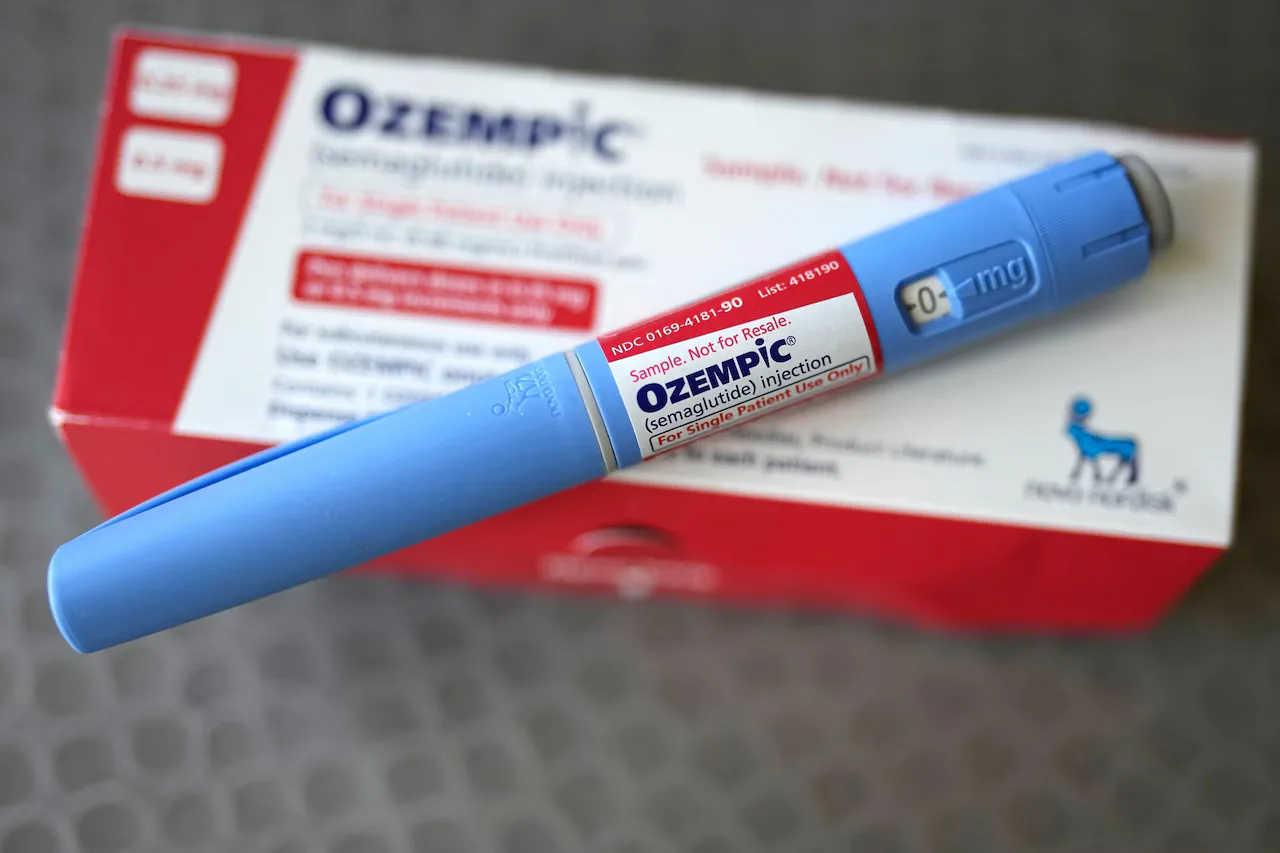
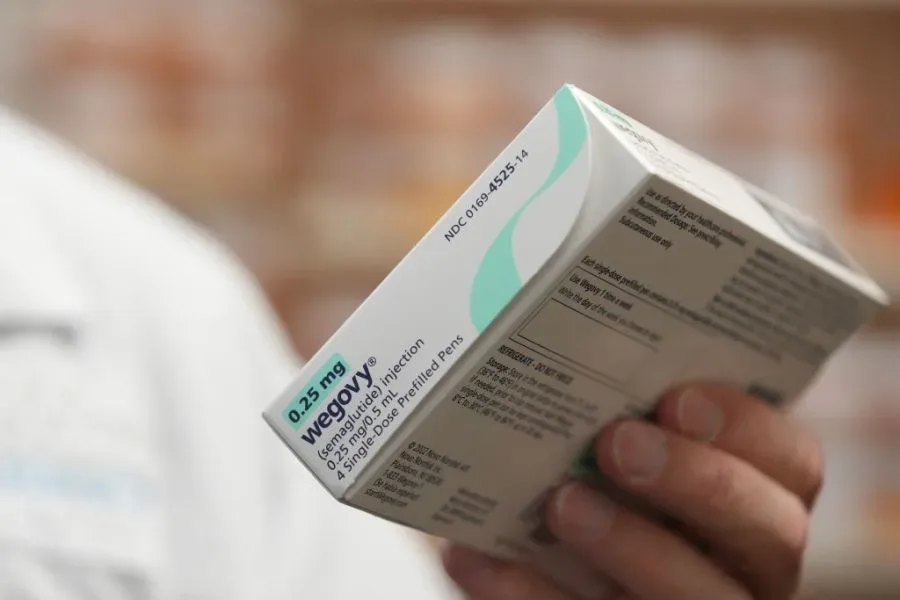
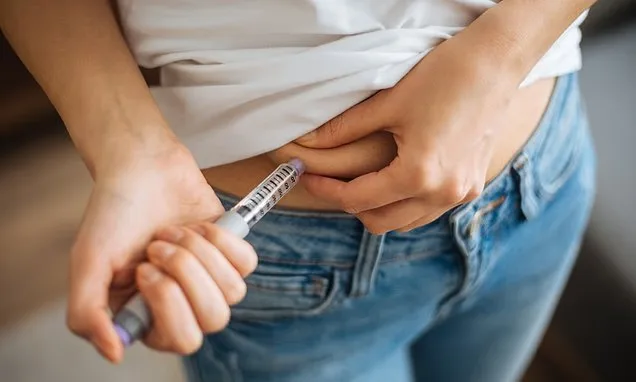
For millions of people managing chronic conditions like type 2 diabetes or obesity, the weekly injection has become a non-negotiable part of their routine. Medications like Ozempic, Wegovy, and Mounjaro have revolutionized treatment, but their delivery method remains a significant barrier for many. Fear of needles, pain, and the inconvenience of self-injection contribute to non-adherence, sometimes derailing progress even when the medication is effective.
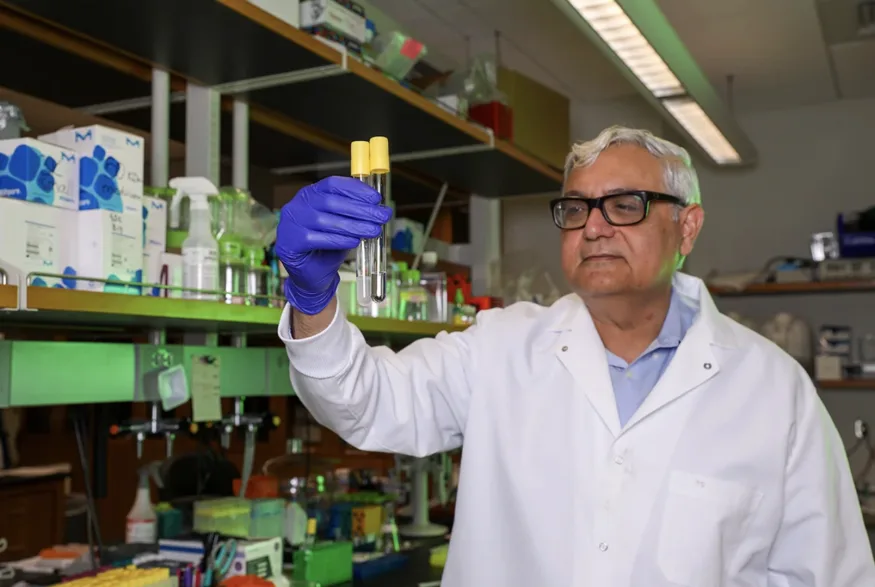
However, a significant breakthrough from Duke University's Pratt School of Engineering may soon change the landscape of peptide therapy. Researchers have developed a new drug delivery approach that allows peptide-based drugs to be taken orally with the same efficacy as injections. This innovation targets the core chemical vulnerability of these medications, offering a glimpse into a future where swallowing a pill is just as effective as receiving a shot.
This development is not merely a convenience upgrade; it represents a fundamental shift in how biologic medicines can be administered. If successful in further clinical trials, this technology could lower the barrier to entry for treatments that have historically required medical supervision or complex injection protocols.
The Biological Barrier: Why Peptides Are Hard to Swallow
To understand the magnitude of this breakthrough, one must first understand the biological challenge it solves. Peptides are short chains of amino acids, the building blocks of proteins and essential signaling molecules in the body. While the body naturally produces peptides to regulate processes like hunger, insulin release, and bone density, synthetic peptides used in medicine face a hostile environment when swallowed.
The stomach is designed to break down proteins. It secretes hydrochloric acid and enzymes like pepsin specifically to digest food proteins into amino acids. If a therapeutic peptide is swallowed in its raw form, the stomach acid typically degrades it before it can reach the bloodstream. This is why most peptide drugs, including insulin and GLP-1 receptor agonists, must be injected directly into the subcutaneous fat or muscle to bypass the digestive tract.
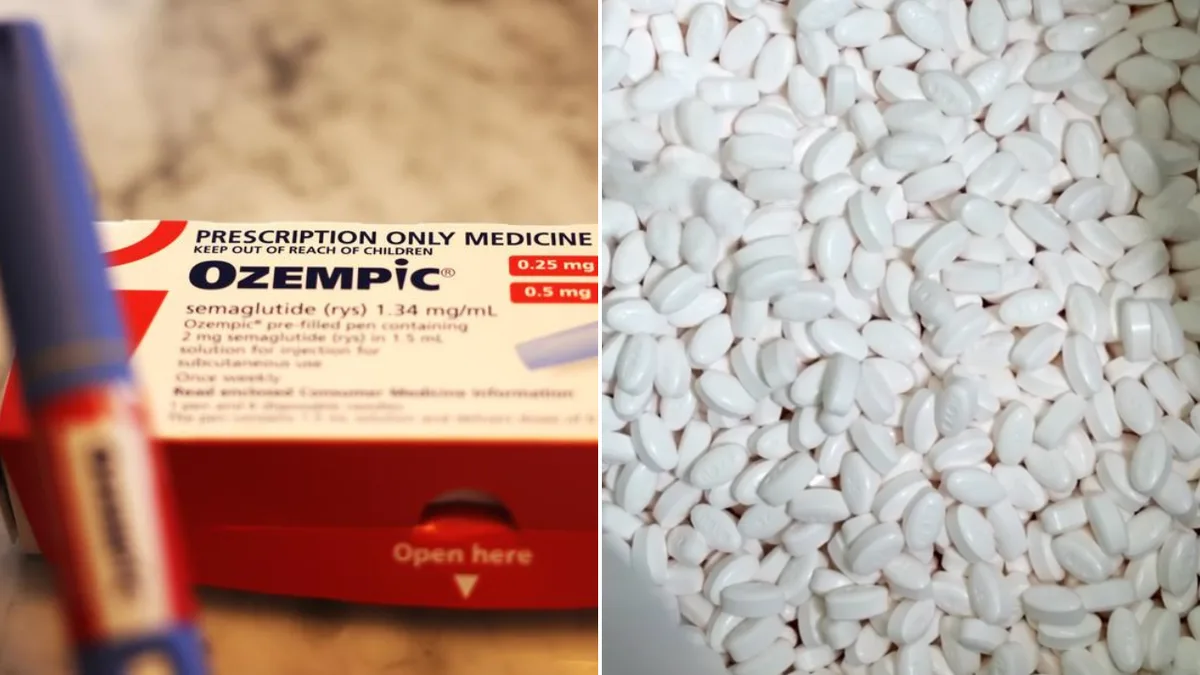
Current oral versions of semaglutide, such as Rybelsus, exist but rely on different mechanisms to survive the stomach. They often require patients to take the medication on an empty stomach with minimal water to ensure absorption, a compliance hurdle that many patients find difficult to maintain. The new Duke technique offers a distinct advantage by protecting the drug chemically rather than just manipulating the stomach environment.
How the ELP Delivery System Works
The core of this innovation lies in a material called an elastin-like polypeptide, or ELP. While this sounds complex, ELPs are biocompatible materials that the body naturally produces to regulate biological processes. Duke researchers designed these ELPs to act as a protective chameleon for the medication.
The Toggle Mechanism
The engineered ELPs are designed to toggle back and forth between solid and liquid shapes based on specific variables, primarily acidity and temperature. This dynamic behavior is the key to success:
- In the Stomach: When the drug enters the highly acidic environment of the stomach, the ELP structure tightens into a solid state. This solid shield physically protects the active peptide drug from being broken down by stomach acid.
- In the Intestines: Once the capsule bypasses the stomach and reaches the intestines, the environment changes. The drug is released as the ELP structure shifts, allowing the peptide to be absorbed into the bloodstream.
This targeted release system ensures that the medication remains intact until it reaches the specific absorption site in the small intestine, maximizing bioavailability without the need for acid-neutralizing agents.
Clinical Results and Efficacy
Science is only as good as its data, and the initial results from the Duke study are compelling. The research team conducted tests using mice to evaluate the efficacy of the GLP-1 drug delivered via this new oral method.
The findings were published in the journal Cell Biomaterials on May 13. In the study, the oral delivery system worked just as well as the traditional injected version regarding weight reduction. Crucially, the mice had access to high-calorie food during the trial, simulating a less controlled diet environment. Despite the caloric surplus, the oral group achieved weight loss metrics comparable to the injection group.
This suggests that the absorption rate is sufficient to trigger the metabolic effects required for weight management, even when the drug is not delivered directly into the tissue via injection. The consistency of the results across different dietary conditions indicates a robust delivery platform.
Comparison of Delivery Methods
Understanding where this new technology sits in the current market is vital for patients and providers. While oral semaglutide exists, the new ELP technology aims to solve the specific limitations of current oral formulations.
Precision tracking for your journey
Join thousands using Shotlee to accurately track GLP-1 medications and side effects.
📱 Get the Shotlee App
Track your GLP-1 medications, peptides, and health metrics on the go with our mobile app!
| Feature | Injection (Ozempic/Wegovy) | Current Oral (e.g., Rybelsus) | New ELP Oral (Duke Tech) |
|---|---|---|---|
| Administration | Weekly Subcutaneous Injection | Daily Pill | Theoretical Daily/Weekly Pill |
| Stomach Acid Protection | N/A (Bypasses Stomach) | Requires Acid Suppression/Empty Stomach | ELP Shielding (No Fasting Required) |
| Adherence Barrier | High (Needle Phobia) | Medium (Dietary Restrictions) | Low (Standard Pill) |
| Current Availability | Widely Available | Widely Available | Research Phase |
Beyond Weight Loss: Other Conditions at Risk
While the public conversation around GLP-1s is dominated by weight loss, the implications of this technology extend far beyond obesity management. The ability to deliver peptides orally opens doors for a wide array of chronic conditions that currently rely on injections.
Potential Applications:
- Diabetes: Insulin is the most common peptide drug. Oral insulin could eliminate the painful daily injections required for Type 1 diabetes management.
- Osteoporosis: Treatments for bone density often require injections. An oral alternative could improve adherence in elderly populations.
- HIV: Certain antiretroviral therapies utilize peptide components. Oral delivery could simplify long-term management.
- Irritable Bowel Syndrome (IBS): Peptide therapies for gut health could be administered more conveniently.
By removing the friction of injection, these treatments become more accessible, potentially leading to earlier diagnosis and better long-term health outcomes across the board.
Tracking Progress with Shotlee
For patients currently navigating weight loss journeys or managing chronic diseases, the transition to new medication forms will require careful monitoring. Whether you are currently using an injection or waiting for oral options to mature, tracking your health data remains essential.
Tools like Shotlee allow patients to log their symptoms, track weight fluctuations, and monitor how their body responds to different therapies. If you are considering a switch in medication delivery methods, maintaining a detailed log of your energy levels, side effects, and metabolic markers can provide valuable data for your healthcare provider. Consistent tracking helps identify patterns that might not be immediately obvious, ensuring that your treatment plan remains effective as technology evolves.
Practical Takeaways for Patients
While this technology is currently in the research phase, understanding its potential can help you prepare for the future of your treatment. Here are the key points to remember:
- Patience is Key: This is a breakthrough in research, not an immediate product. Clinical trials will take time to validate safety and efficacy in humans.
- Adherence Matters: Current oral options still have restrictions. Follow your doctor's instructions regarding fasting and water intake.
- Data is Power: Continue to track your health metrics diligently using tools like Shotlee to stay informed about your progress.
- Discuss Options: Talk to your physician about whether current injection methods or existing oral options are best for your specific health profile.
Conclusion
The Duke University study represents a significant leap forward in biomedical engineering. By solving the problem of stomach acid degradation, researchers have paved the way for a new generation of peptide medicines that are easier to take and potentially easier to adhere to. For millions of patients who dread the needle, the prospect of an oral GLP-1 or insulin option is not just a convenience—it is a quality-of-life improvement that could transform how medicine is delivered. As this technology moves from the lab to the clinic, patients should stay informed and continue to partner closely with their healthcare providers to optimize their treatment plans.
Frequently Asked Questions
1. Is this oral semaglutide available for purchase right now?
No, this specific ELP-based delivery technology is currently in the research phase following the Duke University study. While oral semaglutide (like Rybelsus) is available, it uses a different absorption technology and has different usage requirements.
2. How does the ELP technology differ from standard pill coatings?
Standard coatings may dissolve in the stomach but do not actively protect the drug from acid degradation. The ELP system uses a material that physically toggles to a solid state in acid, providing a dynamic shield that standard pills cannot offer.
3. Will this oral technology work for all GLP-1 drugs?
The research suggests it is suitable for a broad range of peptide-based drugs. This includes GLP-1 agonists like semaglutide and tirzepatide, as well as other peptides used for diabetes, HIV, and osteoporosis.
4. Does this mean I can stop taking my current injections immediately?
Absolutely not. Do not change your medication regimen without consulting your doctor. The new technology is not yet FDA-approved for commercial use, and current prescriptions remain the standard of care.
5. How can I track my progress if I am currently on injections?
Using health tracking apps like Shotlee allows you to log your weight, side effects, and dosage dates. This data is crucial for your doctor to assess the efficacy of your current treatment before any future changes to oral options are made.