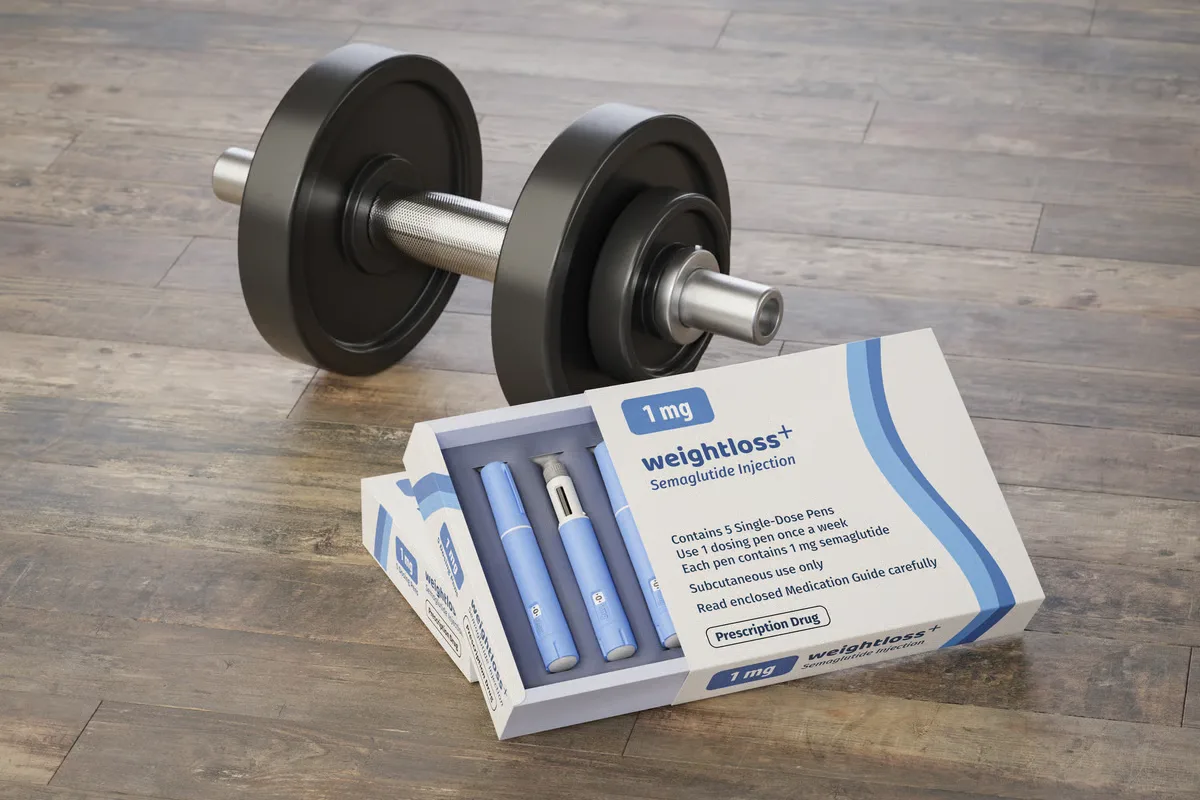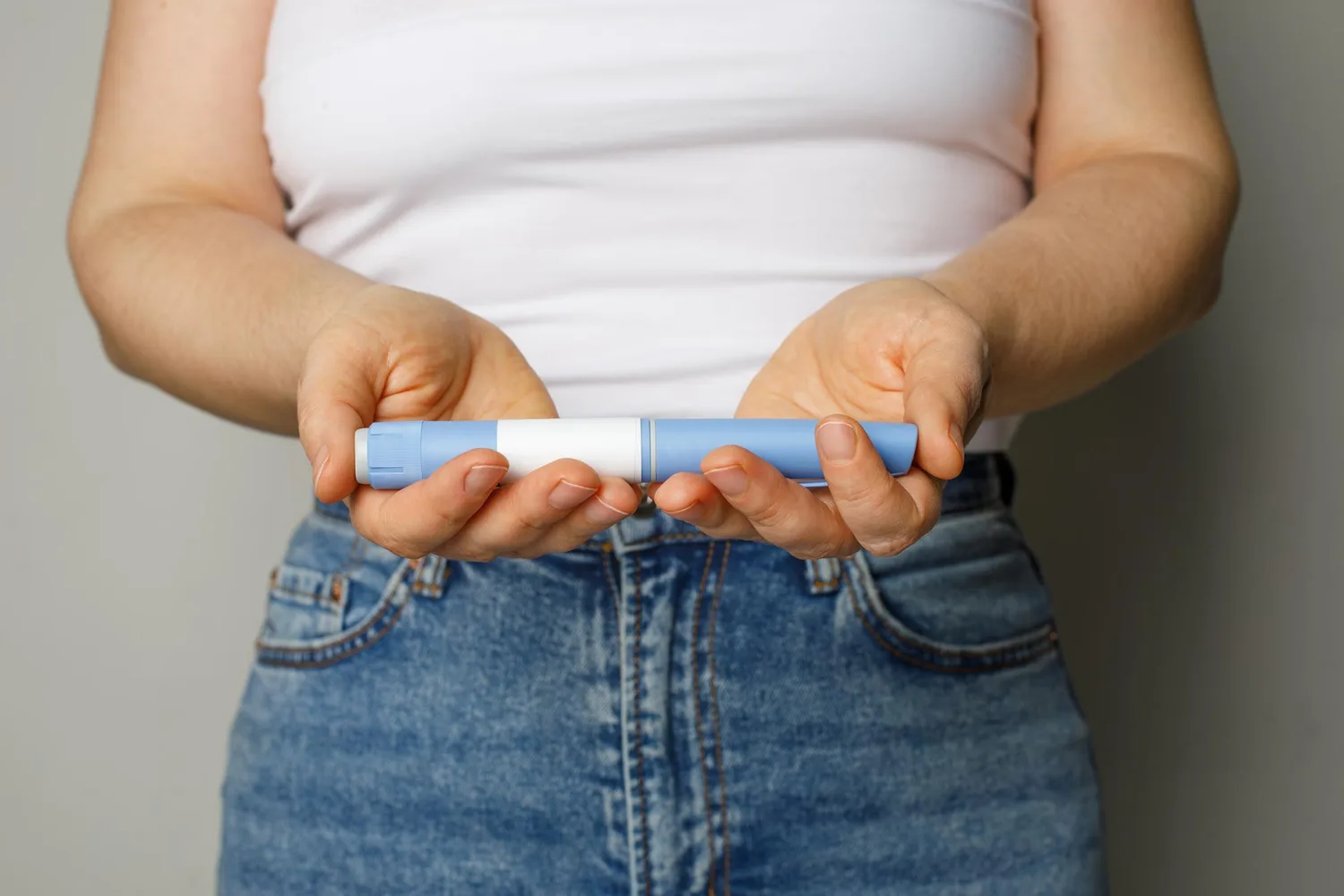

The quest for effective and convenient weight loss solutions has reached a new frontier with the advent of oral GLP-1 (glucagon-like peptide-1) receptor agonists. These groundbreaking medications, once exclusively available via injection, are now offering a more accessible pathway for individuals seeking to manage their weight. As these novel oral therapies enter the market, early prescribing patterns are beginning to reveal crucial insights into physician and patient preferences, shedding light on the evolving dynamics of obesity treatment.
Specifically, the initial launch uptake of Eli Lilly's oral semaglutide, marketed under the brand name Foundao, appears to be outpacing that of Novo Nordisk's oral semaglutide, which is also available in a pill form for weight loss, often associated with the Wegovy brand. This early trend suggests that factors beyond mere therapeutic mechanism are influencing adoption, including physician familiarity with drug classes, the strategic commercial positioning of new products, and established confidence in proven treatment pathways.
The Rise of Oral GLP-1s: A New Era in Weight Management
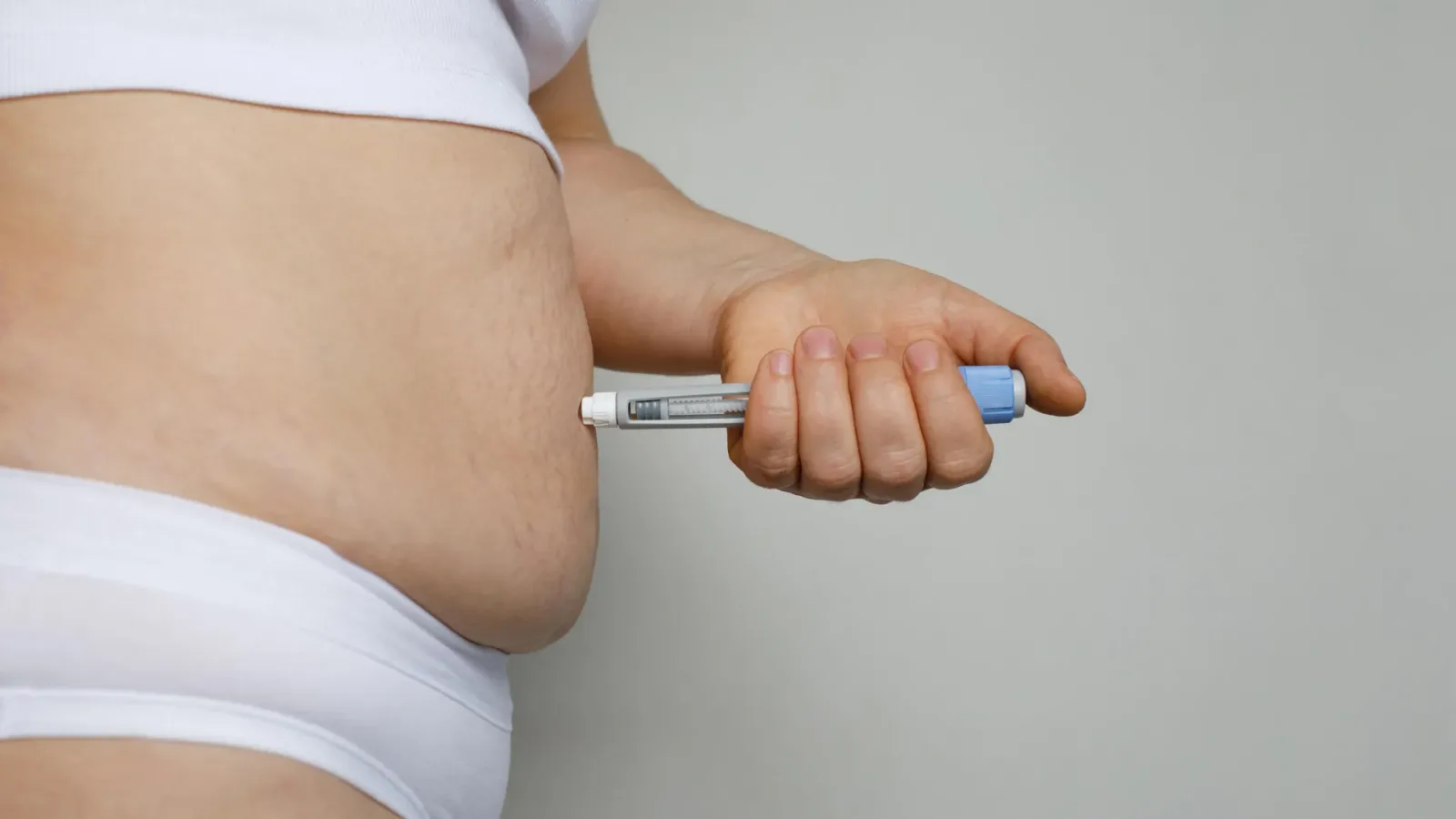
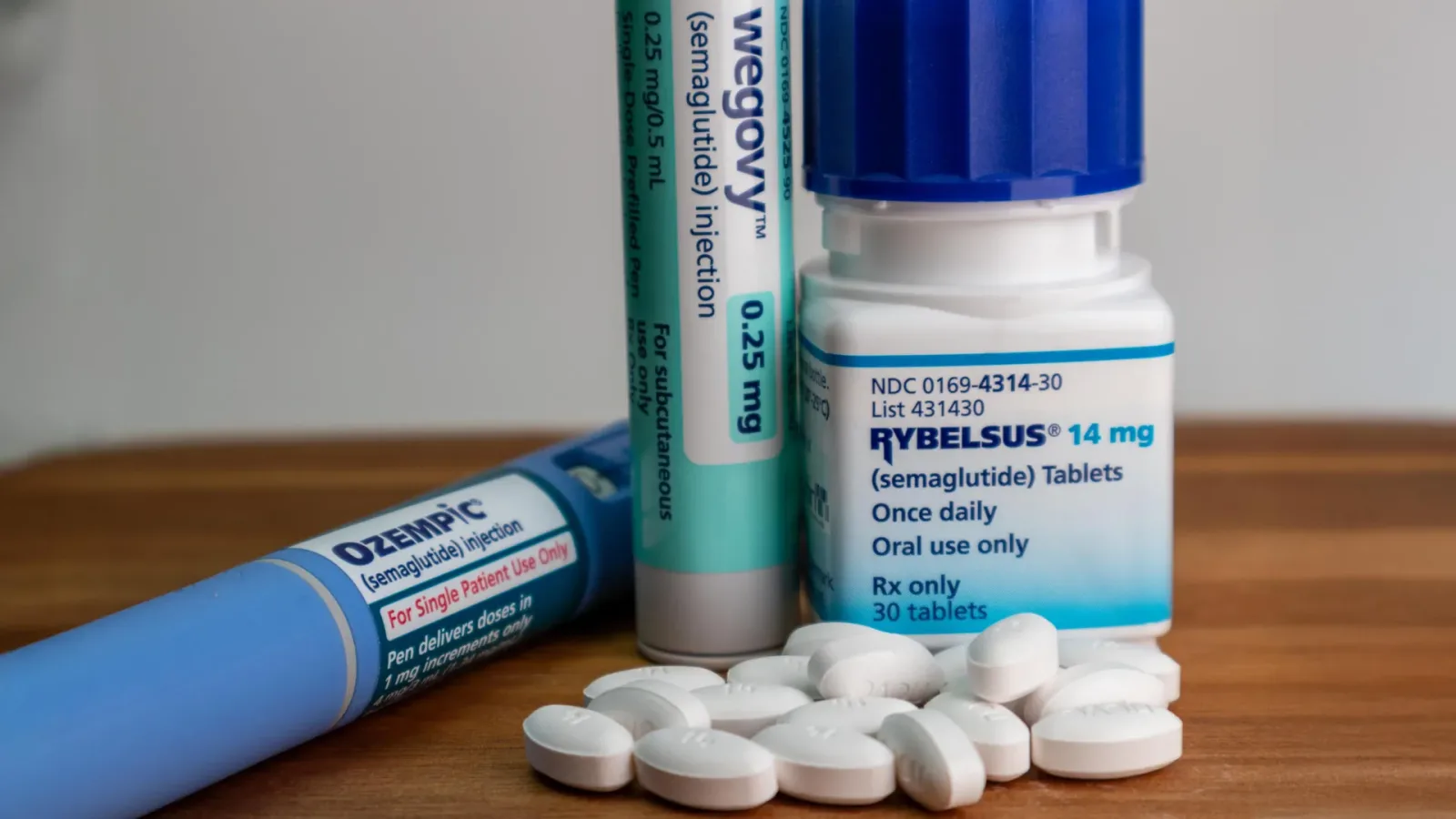
For years, injectable GLP-1 agonists like semaglutide (Ozempic, Wegovy) and liraglutide (Saxenda) have revolutionized obesity management, demonstrating significant efficacy in promoting weight loss and improving metabolic health markers. However, the barrier of injection has been a considerable hurdle for many potential patients, leading to hesitancy and lower adherence rates. The development of oral formulations represents a significant leap forward, promising to democratize access to these powerful therapies.
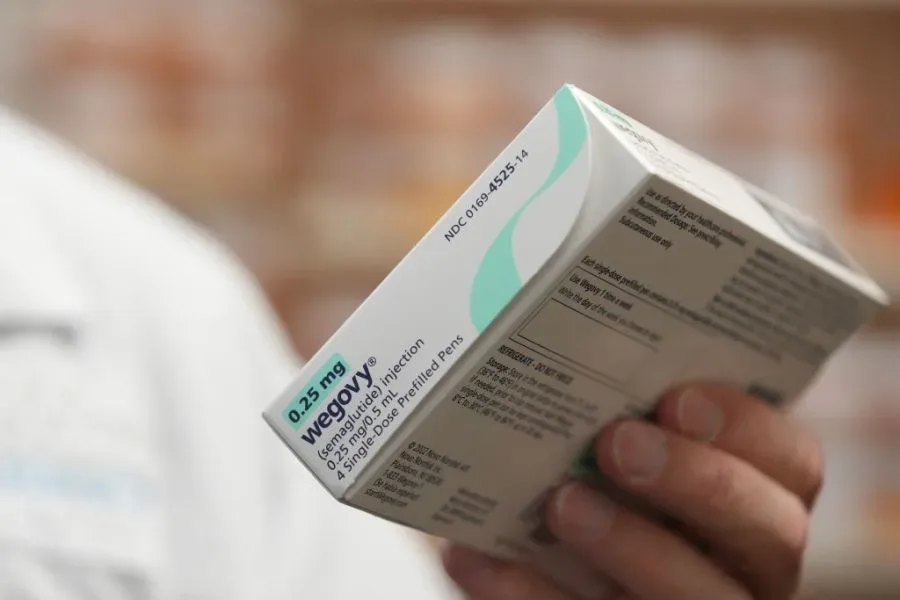
Foundao and the oral version of Wegovy are at the forefront of this oral revolution. By offering a pill-based alternative, they aim to capture a broader patient population, including those who are needle-averse or simply prefer the convenience of oral administration. This shift is not just about patient preference; it also has implications for healthcare systems and the long-term management of chronic conditions like obesity.
Early Adoption Trends: Foundao Takes an Initial Lead
Initial data and market observations indicate that Foundao, Eli Lilly's oral GLP-1, has experienced a stronger initial uptake compared to the oral semaglutide offering from Novo Nordisk. This observation is critical for understanding how new treatments gain traction in a competitive landscape. Several factors likely contribute to this early trend:
- Physician Familiarity and Experience: Eli Lilly has a strong presence in the diabetes and obesity markets, with established relationships and a track record of successful product launches. Physicians may feel more comfortable prescribing a new oral agent from a company they already trust and have experience with.
- Commercial Strategy and Positioning: The way a drug is marketed, the support provided to healthcare providers, and the perceived value proposition all play a significant role. Differences in commercial strategies between Eli Lilly and Novo Nordisk for their respective oral offerings could be influencing prescribing decisions.
- Confidence in Established Mechanisms: While both drugs are based on semaglutide, subtle differences in formulation, absorption, or the specific clinical data highlighted during launch might influence physician confidence. Physicians often rely on established evidence and perceived reliability when initiating new treatments, especially for chronic conditions.
- Patient Demand and Awareness: Public awareness campaigns and patient advocacy can also drive initial demand. The visibility and messaging surrounding Foundao's launch may have resonated more effectively with patients seeking oral weight loss solutions.
What This Means for Patients and Physicians
The evolving adoption patterns of oral GLP-1s have significant implications for both patients and the healthcare professionals who treat them. For patients, the availability of more convenient oral options expands their choices and potentially increases the likelihood of initiating and adhering to treatment.
For physicians, the initial success of one oral GLP-1 over another prompts a deeper evaluation. As clinicians gain more real-world experience with both Foundao and the oral Wegovy option, their perceptions regarding comparative efficacy, tolerability, and long-term treatment positioning are likely to evolve. This includes understanding:
Precision tracking for your journey
Join thousands using Shotlee to accurately track GLP-1 medications and side effects.
📱 Get the Shotlee App
Track your GLP-1 medications, peptides, and health metrics on the go with our mobile app!
- Comparative Efficacy: How do the actual weight loss results and metabolic improvements compare between Foundao and the oral Wegovy in diverse patient populations?
- Tolerability Profiles: Are there differences in the incidence or severity of gastrointestinal side effects (such as nausea, vomiting, or diarrhea), which are common with GLP-1s?
- Adherence Rates: Does the oral formulation truly lead to better long-term adherence compared to injectables, and are there differences between the oral options?
- Chronic Weight Management: Which oral therapy is best suited for sustained, long-term weight management, and what are the implications for ongoing treatment and monitoring?
Furthermore, stakeholders will be closely observing how prescribing patterns diverge across different patient segments. Understanding which patients ultimately gravitate toward oral versus injectable therapies for both initial weight loss and chronic weight management will be crucial for optimizing treatment strategies.
The Broader GLP-1 Landscape: Beyond Semaglutide
It's important to note that the GLP-1 market is dynamic and includes other significant players and molecules. Tirzepatide, marketed as Mounjaro for type 2 diabetes and Zepbound for weight loss, is another powerful dual GIP/GLP-1 receptor agonist that has shown impressive efficacy. While the current discussion focuses on oral semaglutide uptake, the success and market penetration of tirzepatide also contribute to the overall evolution of weight management therapies.
The introduction of oral GLP-1s is part of a larger trend towards personalized medicine in obesity care. Factors like genetic predisposition, metabolic profile, lifestyle, and patient preferences will increasingly guide the selection of the most appropriate therapy, whether it's an oral GLP-1, an injectable GLP-1, a dual agonist, or a combination approach.
Tracking Your Progress with Shotlee
For individuals embarking on a weight loss journey with any of these new medications, consistent tracking of progress, symptoms, and medication adherence is paramount. Tools like Shotlee can be invaluable in this process. By logging your doses, noting any side effects, and monitoring your weight and other health metrics, you can gain a comprehensive understanding of your treatment response. This data can then be shared with your healthcare provider, enabling more informed adjustments to your treatment plan and ensuring you are on the most effective path to achieving your health goals.
Conclusion: A Competitive and Evolving Future
The early adoption trends for oral GLP-1s, with Foundao showing initial strength over Novo Nordisk's oral semaglutide, highlight the complex interplay of factors influencing the uptake of new medical treatments. While this early lead is notable, the landscape is far from settled. As physicians and patients gain more real-world experience, and as more data becomes available, prescribing patterns will undoubtedly continue to shift.
The ultimate beneficiaries of this innovation are patients, who now have more accessible and potentially more effective options for managing their weight. The ongoing competition and scientific advancement in the GLP-1 space promise a future filled with even more tailored and impactful solutions for obesity and its associated health risks.
Key Takeaways:
- Oral GLP-1 medications are expanding treatment options for obesity, appealing to patients hesitant about injectables.
- Early trends suggest Eli Lilly's Foundao is experiencing stronger initial uptake than Novo Nordisk's oral semaglutide offering.
- Factors influencing adoption include physician familiarity, commercial strategy, and established confidence in drug mechanisms.
- Real-world data on comparative efficacy, tolerability, and adherence will shape future prescribing patterns.
- Patient engagement through tracking tools like Shotlee is crucial for optimizing treatment outcomes.