
A U.S. judge has ruled that Novo Nordisk must confront a portion of a lawsuit alleging shareholder fraud related to its CagriSema weight loss and diabetes treatment clinical trial. This legal development underscores the intense scrutiny and high expectations surrounding new obesity medications, particularly as the market for these transformative therapies continues to expand and attract significant investment. The case centers on investor confidence in Novo Nordisk's pipeline and its ability to compete with established and emerging treatments from rivals like Eli Lilly.
What Was the Outcome of the CagriSema Weight Loss Trial?
The CagriSema clinical trial, known as Redefine 1, reported that the drug helped participants reduce weight by 20.4% over 68 weeks. This result fell short of the 25% target set by Novo Nordisk and was perceived by investors as less effective than the 22.5% benchmark achieved by Eli Lilly's Zepbound, a key competitor in the obesity market. The trial involved approximately 3,400 adults with a body mass index (BMI) of at least 30, or a BMI of at least 27 with at least one weight-related comorbidity such as hypertension or cardiovascular disease. The disclosure of these results led to a significant drop in Novo Nordisk's American depositary receipts, highlighting the market's sensitivity to trial outcomes in this therapeutic area.
Why Did Investors Sue Novo Nordisk Over the CagriSema Trial?
Investors initiated a lawsuit against Novo Nordisk, alleging shareholder fraud primarily due to concerns about the transparency and conduct of the CagriSema clinical trial. A key point of contention was Novo Nordisk's decision to deviate from its usual protocols by allowing participants to self-manage their CagriSema dosages. This led to only 57% of participants receiving the highest dose, raising questions about potential tolerability issues and whether the trial accurately reflected the drug's efficacy under standard administration. Investors argued that these undisclosed deviations and the subsequent trial results were misrepresented, leading to a decline in stock value and significant financial losses.
What Specific Allegations Did the Judge Allow to Proceed?
U.S. District Judge Robert Kirsch ruled that investors had sufficiently pleaded that Martin Holst Lange, then Novo Nordisk’s executive vice president of development and now its chief scientific officer, intended to defraud them. The judge found that Lange's actions, specifically by falsely implying that the dosing protocols for CagriSema were consistent with those used in prior clinical trials, constituted a basis for a fraud claim related to the drug's tolerability. While the judge dismissed claims concerning other alleged misstatements and omissions, including references to "fixed doses," the surviving claims focus on the alleged intent to mislead investors about the dosing regimen and its implications for patient experience and drug effectiveness.
The judge's decision, detailed in a 56-page document, clarified that while Lange's projection of "unsurpassed" weight loss of at least 25% from CagriSema was considered "aspirational" and not grounds for a fraud claim, the alleged misrepresentations about dosing protocols were actionable. It is important to note that the judge did not rule on the merits of the investors' surviving claims but rather on whether these claims could proceed to further legal proceedings. Novo Nordisk has not yet issued a public comment on the ruling.
How Does CagriSema Compare to Other Weight Loss Drugs?
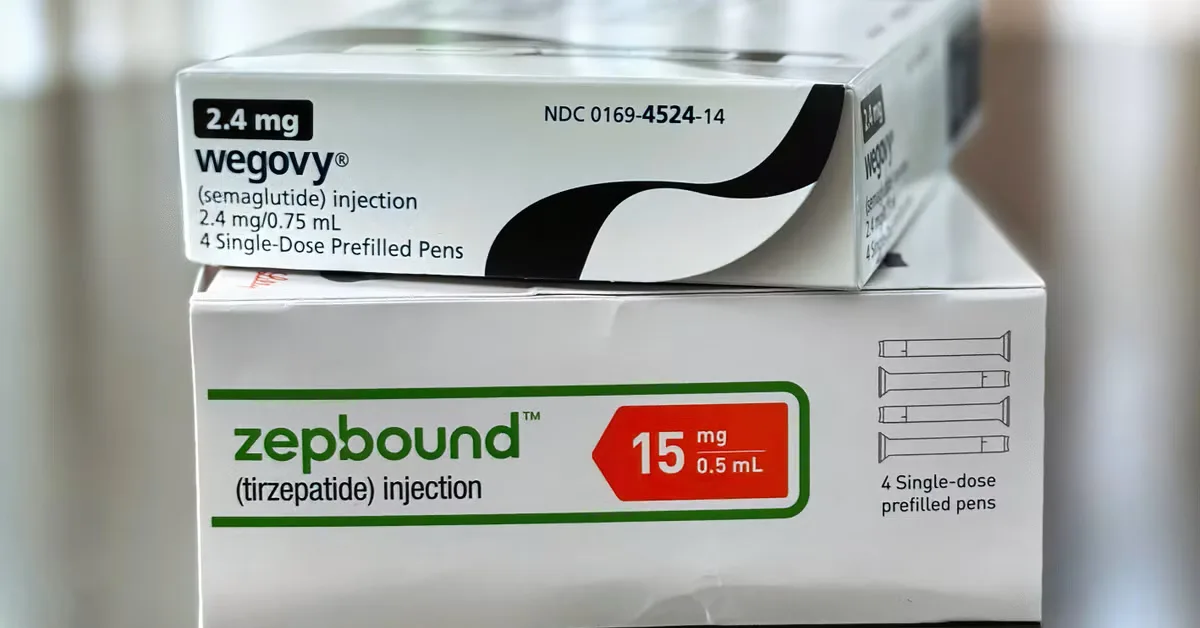
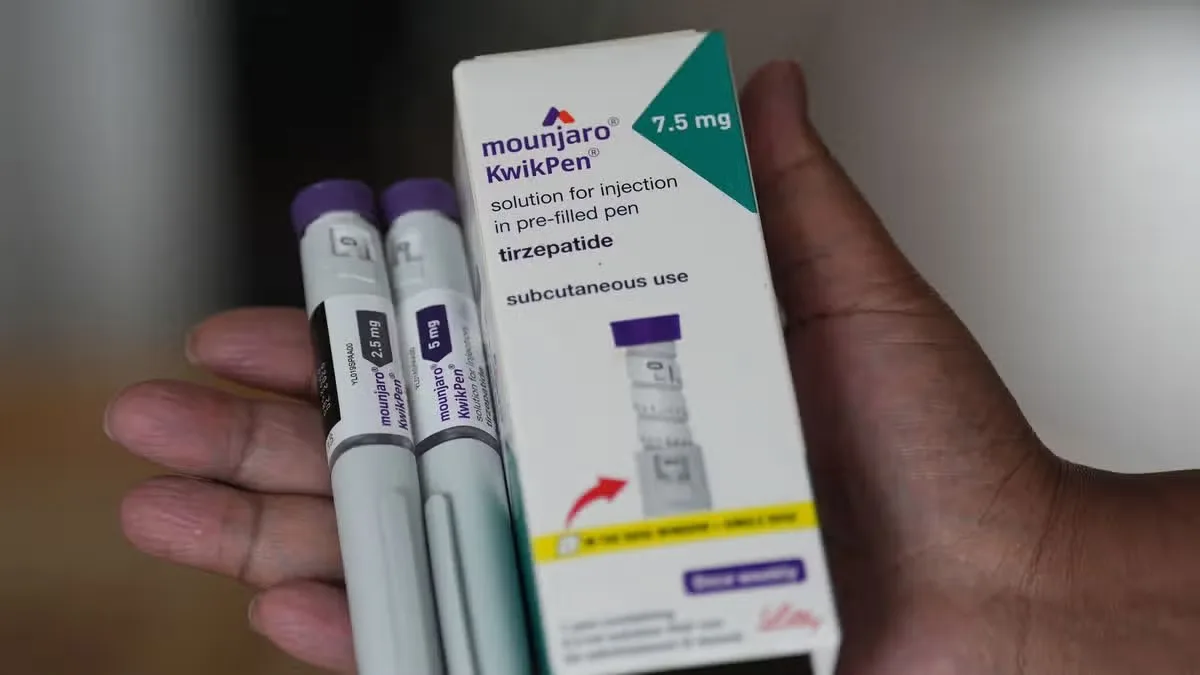
CagriSema is a novel combination drug developed by Novo Nordisk, aiming to leverage the success of its existing GLP-1 receptor agonist, semaglutide (the active ingredient in Wegovy and Ozempic), by combining it with cagrilintide. Cagrilintide is a molecule that mimics amylin, a hormone produced by the pancreas that helps regulate appetite and blood sugar. The goal of this combination is to achieve greater weight loss than semaglutide alone. However, the Redefine 1 trial results showed a weight loss of 20.4%, which lagged behind the 22.5% achieved by Eli Lilly's Zepbound (tirzepatide) in its own trials. Tirzepatide, marketed as Mounjaro for type 2 diabetes and Zepbound for weight loss, is a dual GIP and GLP-1 receptor agonist, a mechanism that has shown significant efficacy in clinical studies.
The competitive landscape for anti-obesity drugs is intensely fierce, with both Novo Nordisk and Eli Lilly vying for market dominance. Novo Nordisk's existing blockbuster, Wegovy, has been a significant success, but investors are keen to see the next generation of therapies that can offer even greater efficacy or improved tolerability. The performance of CagriSema relative to Zepbound is a critical factor in this ongoing battle for market share and investor confidence. The legal proceedings highlight the high stakes involved, where trial results and drug development strategies are directly linked to market valuation.
Precision tracking for your journey
Join thousands using Shotlee to accurately track GLP-1 medications and side effects.
📱 Get the Shotlee App
Track your GLP-1 medications, peptides, and health metrics on the go with our mobile app!
What is the Competitive Landscape for Obesity Drugs?
The market for obesity drugs is characterized by rapid innovation and intense competition, driven by a growing understanding of the disease and increasing demand for effective treatment options. Novo Nordisk, with its GLP-1 agonists like semaglutide (Wegovy, Ozempic), has established a strong foothold. However, Eli Lilly has emerged as a formidable competitor with tirzepatide (Mounjaro, Zepbound), a dual GIP/GLP-1 receptor agonist, which has demonstrated impressive weight loss results in clinical trials. Beyond these two giants, other pharmaceutical companies are actively researching and developing new therapeutic approaches, including different classes of drugs and combination therapies.
This competitive environment means that every new trial result, every regulatory approval, and every marketing claim is closely scrutinized by investors, healthcare providers, and patients alike. The legal dispute involving CagriSema is a clear indicator of the pressure on companies to deliver not only effective treatments but also to ensure transparency and accuracy in communicating trial data. The ongoing patent disputes and advertising challenges, such as Novo Nordisk's lawsuit against Eli Lilly over advertising claims for Zepbound and Mounjaro, further illustrate the aggressive nature of this market. Companies are investing heavily in research and development to secure a leading position in what is projected to be a multi-billion dollar market for years to come.
| Drug/Molecule | Company | Mechanism of Action | Primary Indication(s) | Reported Efficacy (Approximate Weight Loss) |
|---|---|---|---|---|
| Semaglutide (Wegovy) | Novo Nordisk | GLP-1 Receptor Agonist | Obesity | ~15-17% |
| Tirzepatide (Zepbound) | Eli Lilly | GIP and GLP-1 Receptor Agonist | Obesity | ~20-25% |
| CagriSema (Trial Stage) | Novo Nordisk | Semaglutide + Cagrilintide | Obesity (Trial) | ~20.4% (Redefine 1 Trial) |
What Are the Implications for Patients and Future Treatments?
The legal challenges and competitive pressures surrounding drugs like CagriSema have significant implications for patients seeking effective weight management solutions. While the pursuit of highly effective treatments is crucial, transparency in clinical trials and accurate communication of results are paramount for building patient trust. For individuals considering or currently using these medications, understanding the nuances of trial data, potential side effects, and the competitive landscape can empower them to have more informed discussions with their healthcare providers. The development of these drugs often involves complex dosing regimens and potential tolerability issues, which need to be carefully managed.
For patients using Shotlee or similar health tracking tools, monitoring their progress, symptoms, and adherence to prescribed doses is essential. This data can provide valuable insights for both the patient and their doctor, especially when navigating treatments with variable efficacy or potential side effects. The ongoing research and development in the obesity space, fueled by both scientific advancement and market competition, promise a future with a wider array of treatment options. However, the regulatory and legal scrutiny faced by companies like Novo Nordisk highlights the need for rigorous scientific validation and ethical communication throughout the drug development and commercialization process. The ultimate goal remains to provide safe and effective therapies that improve patient health outcomes.
What is Peptide Therapy for Weight Loss?
Peptide therapy for weight loss refers to the use of specific peptide molecules that can influence appetite, metabolism, and fat storage. Many of the most effective weight loss medications currently available, including semaglutide and tirzepatide, are in fact peptides or are based on peptide structures. These molecules naturally occur in the body and play crucial roles in various physiological processes. For instance, GLP-1 (glucagon-like peptide-1) is a hormone that stimulates insulin secretion, slows gastric emptying, and reduces appetite, all of which contribute to weight loss.
Cagrisema, for example, combines semaglutide (a GLP-1 analog) with cagrilintide (an amylin analog). Amylin is another peptide hormone that helps regulate post-meal glucose levels and satiety. By targeting these natural pathways, peptide therapies aim to mimic or enhance the body's own mechanisms for weight management. The development of these therapies involves synthesizing or modifying these peptides to improve their stability, potency, and delivery methods. While promising, peptide therapies, like all medications, require careful medical supervision due to potential side effects and the need for personalized treatment plans.
Practical Takeaways
- Investor Scrutiny: The legal case highlights the intense scrutiny drug companies face from investors regarding clinical trial data and drug efficacy.
- Dosing Matters: Deviations in dosing protocols during trials can raise concerns about real-world effectiveness and tolerability.
- Competitive Market: The obesity drug market is highly competitive, with companies like Novo Nordisk and Eli Lilly constantly innovating and challenging each other.
- Patient Empowerment: Understanding trial results and potential drug mechanisms helps patients make informed decisions in consultation with healthcare providers.
- Health Tracking: Tools like Shotlee can be invaluable for patients to monitor their progress and adherence, providing crucial data for managing treatment.
Conclusion
The U.S. judge's decision allowing part of the shareholder lawsuit against Novo Nordisk to proceed regarding the CagriSema trial is a significant development. It underscores the critical importance of transparency, consistent trial methodologies, and accurate communication of results in the pharmaceutical industry, especially in the high-stakes field of obesity treatments. As Novo Nordisk and its competitors continue to innovate and vie for market leadership, the legal and regulatory landscape will undoubtedly remain a key factor. For patients, this ongoing evolution means a future with potentially more effective weight management options, but also reinforces the need for informed decision-making and close collaboration with healthcare professionals, supported by tools that aid in diligent health tracking.