
The Next Generation of Obesity Treatment Arrives
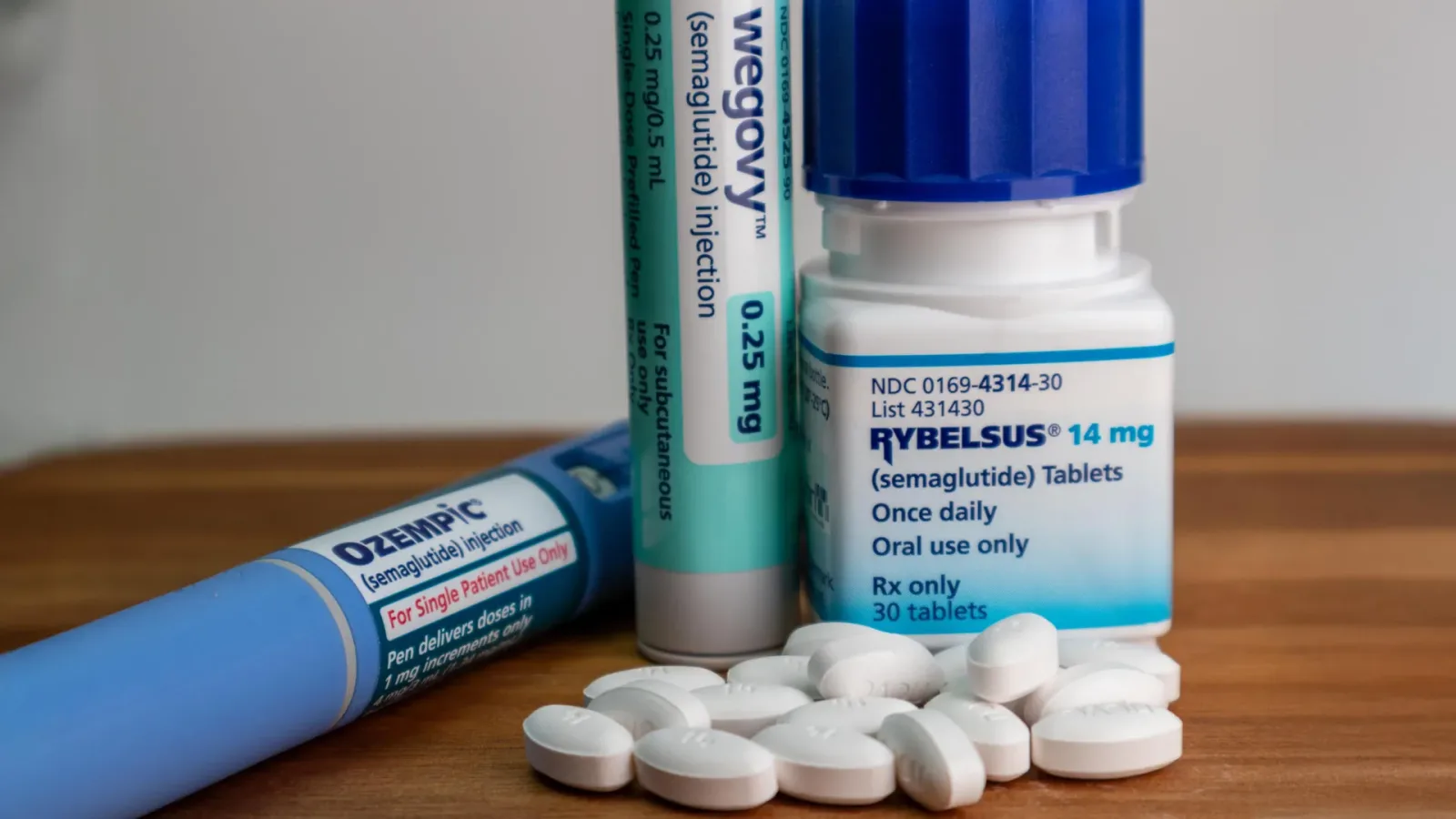
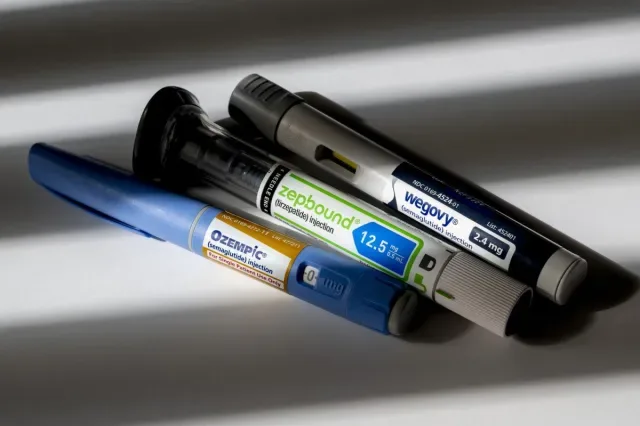
The landscape of weight loss medication is shifting rapidly. For years, GLP-1 agonists like semaglutide (Wegovy, Ozempic) and tirzepatide (Mounjaro, Zepbound) have dominated the conversation, offering significant results where previous options fell short. However, a new contender from Eli Lilly is making waves with data that suggests it may be the most potent drug in this class yet.
The name to remember is retatrutide. Recent results from clinical trials indicate that this experimental medication could achieve weight loss percentages that were previously only seen in bariatric surgery. But with great power comes great responsibility, and the safety profile is a critical piece of the puzzle for patients and providers alike.
As we stand on the precipice of a potential FDA filing for retatrutide, it is essential to understand what the data actually says, how it compares to current standards like Wegovy and Mounjaro, and what this means for your personal health journey.
Understanding Retatrutide: More Than Just a GLP-1
Retatrutide represents a significant evolution in peptide therapy. While often discussed in the context of the GLP-1 family, it is technically a triple agonist. This means it targets three different receptors in the body:
- GLP-1 (Glucagon-like peptide-1): Regulates appetite and insulin secretion, slowing gastric emptying to keep you feeling full longer.
- GIP (Glucose-dependent insulinotropic polypeptide): Enhances the effects of GLP-1 on metabolism and fat storage.
- Glucagon Receptor: Increases energy expenditure, effectively boosting the metabolic rate.
By engaging all three pathways, retatrutide aims to tackle obesity from multiple angles simultaneously: reducing the drive to eat, improving how the body processes sugar, and increasing the calories burned at rest. This mechanism is what sets the stage for the dramatic weight loss figures reported in recent trials.
Clinical Trial Results: The Numbers Behind the Hype
The data released from the Phase 2b trials is nothing short of staggering. In a study lasting 48 weeks (with extension data available), patients taking the highest dose of retatrutide achieved an average weight loss of 24% to 28% of their initial body mass. To put this in perspective, this is nearly double the weight loss typically associated with the highest doses of semaglutide (Wegovy).
Even more impressive is the performance of the drug in patients with severe obesity. Those who started with the highest BMI saw an average loss of 30% of their body weight, which translates to roughly 85 pounds for some participants. This level of efficacy is comparable to what patients typically experience after laparoscopic gastric bypass surgery, the current gold standard for bariatric procedures.
Head-to-Head Comparison
Understanding where retatrutide fits requires a direct comparison with the current market leaders. The following table summarizes the key efficacy data points from recent trials.
| Treatment | Active Ingredient | Avg. Weight Loss % | Duration | Notes |
|---|---|---|---|---|
| Retatrutide (High Dose) | Triple Agonist | ~28% | 48-80 Weeks | Most potent trial data to date. |
| Zepbound | Tirzepatide | ~20-25% | 72 Weeks | Strong GIP/GLP-1 dual action. |
| Wegovy | Semaglutide | ~15% | 68 Weeks | Standard GLP-1 benchmark. |
| Gastric Bypass | Surgery | ~25-30% | 1-2 Years | Surgical intervention, higher risk. |
Safety Profile and Side Effects: The Trade-Off
While the efficacy numbers are compelling, the safety profile is the critical factor that determines real-world viability. The trials did report a higher rate of gastrointestinal (GI) side effects compared to less potent obesity drugs.
Approximately 11% of participants on the highest dose of retatrutide discontinued the study due to GI side effects. These typically include nausea, vomiting, diarrhea, and constipation. Additionally, some patients in earlier trials discontinued not because of pain, but because they felt they were losing weight too rapidly, raising concerns about muscle mass preservation.
For patients considering peptide therapy, understanding this risk is vital. The trade-off is between maximum efficacy and tolerability. Lower doses may offer a more manageable side effect profile while still delivering significant results, though perhaps not the full 28% seen in the highest dose group.
Managing Expectations and Side Effects
When navigating the side effects of potent GLP-1 therapies, gradual dose titration is key. Patients should be prepared for a period of adjustment where the body adapts to the new hormonal signals. Hydration and dietary modifications can also play a significant role in mitigating these symptoms.
Tracking Progress with Shotlee
For patients embarking on a journey with potent medications like retatrutide, tirzepatide, or semaglutide, data tracking is not just helpful—it is essential. The rapid changes in weight and metabolism require close monitoring to ensure safety and efficacy.
Precision tracking for your journey
Join thousands using Shotlee to accurately track GLP-1 medications and side effects.
📱 Get the Shotlee App
Track your GLP-1 medications, peptides, and health metrics on the go with our mobile app!
At Shotlee, we understand that managing these medications involves more than just the weekly injection. It requires a holistic view of your health data. We recommend using Shotlee to track:
- Weight Trends: Monitor daily fluctuations versus long-term progress to avoid discouragement.
- Symptom Logs: Record GI side effects to identify patterns and discuss them with your provider.
- Dose Adherence: Ensure you are taking the medication exactly as prescribed to maintain therapeutic levels.
- Nutrition and Hydration: Track protein intake to preserve muscle mass during significant weight loss.
By correlating your medication schedule with your daily metrics, you can provide your healthcare team with the precise data they need to adjust your treatment plan effectively.
What's Next for Retatrutide?
Eli Lilly has indicated that, following a major earnings beat and the regulatory approval of their new oral weight loss pill, they expect to file for FDA approval on retatrutide as early as this year. If approved, this could mark a new era in obesity treatment, offering a non-surgical alternative that rivals the results of the most invasive procedures.
However, the path to approval involves rigorous review of the safety data. The 11% dropout rate due to side effects will be a focal point for regulators. If the FDA approves retatrutide, it will likely carry a strong warning regarding GI tolerability and the need for careful patient selection.
Practical Takeaways for Patients
Whether you are currently on Wegovy, Mounjaro, or waiting to see if retatrutide becomes available, here is how to prepare:
- Consult Your Provider: Discuss whether you are a candidate for the highest efficacy drugs.
- Plan for Side Effects: Have a plan in place for managing nausea or digestive issues.
- Focus on Nutrition: Prioritize protein to support muscle retention.
- Use Technology: Leverage tools like Shotlee to maintain accountability and track health metrics.
The potential for retatrutide to revolutionize weight loss is undeniable. While challenges remain regarding side effects and accessibility, the data suggests that we are moving closer to a future where effective, non-surgical weight loss is accessible to more people than ever before.
Conclusion
Retatrutide represents a significant leap forward in the science of obesity treatment. With trial results showing up to 28% weight loss, it challenges the status quo set by current GLP-1 medications and even rivals surgical outcomes. However, the higher dropout rate due to gastrointestinal side effects highlights the importance of personalized medicine and careful monitoring.
As the medical community awaits further regulatory decisions, patients should remain informed, proactive, and supported. By combining cutting-edge medication with diligent health tracking through platforms like Shotlee, patients can navigate their weight loss journey with greater confidence and safety.
Frequently Asked Questions (FAQs)
1. What exactly is retatrutide and how is it different from Ozempic?
Retatrutide is a triple agonist targeting GLP-1, GIP, and glucagon receptors, whereas Ozempic (semaglutide) is primarily a GLP-1 agonist. This third mechanism (glucagon) is believed to increase energy expenditure, contributing to higher weight loss percentages.
2. Is the 28% weight loss permanent?
Weight loss maintenance depends on long-term adherence to the medication and lifestyle changes. Most GLP-1 therapies require continued use to prevent weight regain, similar to how hypertension medications work for blood pressure.
3. How does the side effect profile compare to Wegovy?
Retatrutide has shown a higher rate of gastrointestinal side effects and discontinuation (11% in the highest dose group) compared to Wegovy. The intensity of nausea and digestive issues may be more pronounced due to the triple-agonist mechanism.
4. When might retatrutide be available to the public?
Eli Lilly has indicated an expectation to file for FDA approval as early as this year, though the actual approval and market availability could take several more months depending on the regulatory review process.
5. Can I use Shotlee to manage my medication side effects?
Yes, Shotlee is designed to help you log symptoms, track medication doses, and monitor weight trends. This data can be invaluable when discussing side effects with your healthcare provider to determine if a dose adjustment is necessary.