
A New Era in Metabolic Medicine: Beyond Appetite Suppression
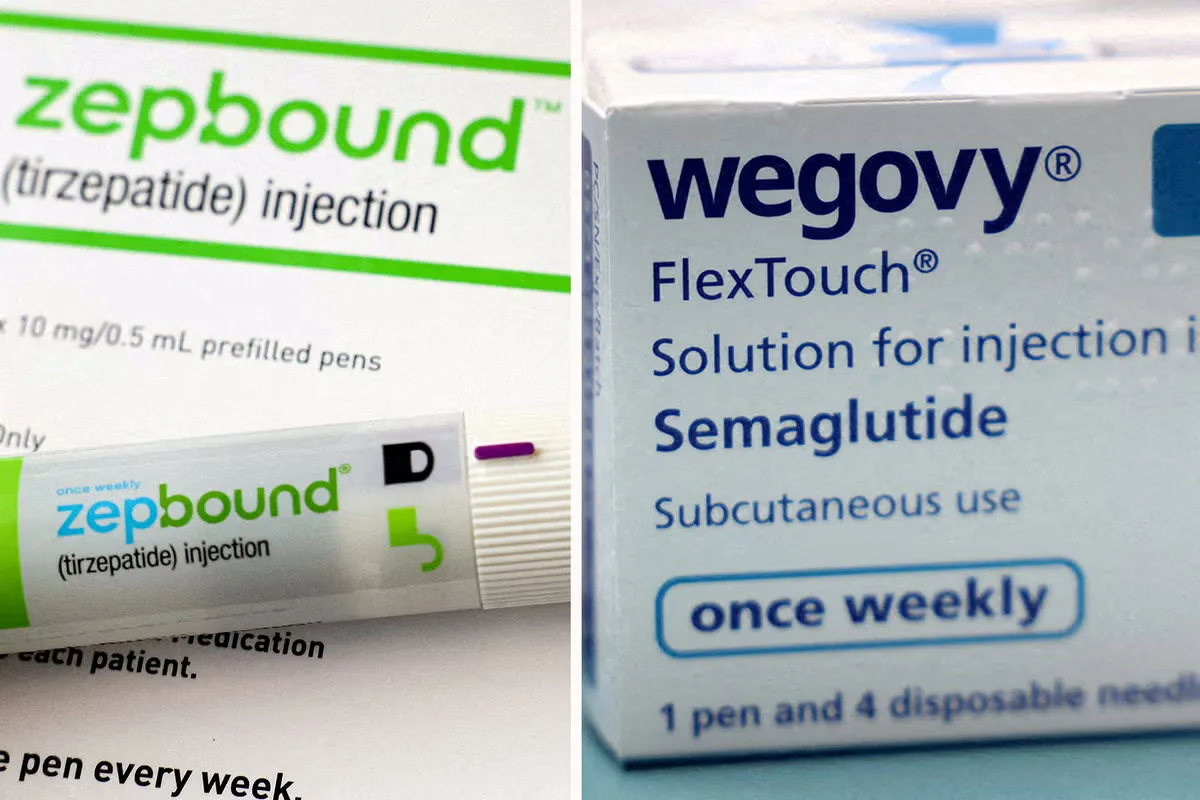
The landscape of obesity and type 2 diabetes treatment is currently undergoing a seismic shift. For years, the market has been dominated by injectable medications like Ozempic, Wegovy, and Mounjaro. While these GLP-1 based drugs have revolutionized weight loss, they are not without limitations. Now, a historic breakthrough announced by researchers at the Karolinska Institute and Stockholm University promises a different approach.
Scientists have developed an experimental oral pill designed to treat type 2 diabetes and obesity by directly stimulating muscle metabolism. Unlike current market leaders that work by signaling the brain to reduce hunger, this new molecule targets skeletal muscle tissue. This distinction could allow for fat burning and glucose control without the common gastrointestinal side effects associated with popular peptide therapies.
Published in the prestigious scientific journal Cell, these findings represent one of the most promising advances in next-generation metabolic treatments. As we await further clinical data, understanding how this innovation compares to existing options like semaglutide and tirzepatide is crucial for patients navigating their health journeys.
The Limitations of Current GLP-1 Treatments
To appreciate the significance of this new development, it is essential to understand the mechanisms of the drugs currently on the market. Medications such as Ozempic (semaglutide) and Wegovy function primarily as GLP-1 receptor agonists. They mimic the hormone glucagon-like peptide-1, which signals the brain to reduce appetite and slows gastric emptying.
While effective for weight reduction, this mechanism relies heavily on appetite suppression. A significant concern among medical professionals and patients alike is the loss of lean muscle mass alongside fat. When the body enters a caloric deficit, it often breaks down muscle tissue for energy. This can lead to:
- Sarcopenia: Age-related or diet-induced muscle loss that weakens the body.
- Metabolic Slowdown: Muscle is metabolically active; losing it can lower your resting metabolic rate, making long-term weight maintenance harder.
- Gastrointestinal Distress: Nausea, vomiting, and other digestive issues are frequently reported side effects.
This is where the new approach diverges. By focusing on the muscles themselves rather than the brain's hunger signals, the new therapy aims to preserve the very tissue that keeps metabolism running efficiently.
How the New Beta-2 Agonist Works
The core of this breakthrough lies in a molecule known as a β2 agonist. While this class of compounds is not entirely new to pharmacology, it has historically faced a significant hurdle: the risk of cardiovascular side effects. Traditional β2 agonists could overstimulate the heart, causing rapid heart rates or palpitations, which made them unsafe for widespread metabolic use.
The research team overcame this obstacle by engineering a new version capable of activating beneficial metabolic pathways specifically in muscle tissue without triggering significant cardiac overstimulation. Here is how the mechanism functions:
Direct Muscle Activation
Skeletal muscle is the body's largest organ for glucose disposal. In healthy individuals, muscles absorb glucose from the bloodstream after meals. In type 2 diabetes, this process is impaired. The new drug stimulates the muscle to burn more fat and utilize glucose more effectively, independent of insulin sensitivity.
Preservation of Lean Mass
Because the drug promotes fat burning and glucose uptake directly within the muscle cells, the body does not need to break down muscle tissue to generate energy. This preservation of lean mass is critical for long-term metabolic health and overall quality of life.
Precision tracking for your journey
Join thousands using Shotlee to accurately track GLP-1 medications and side effects.
📱 Get the Shotlee App
Track your GLP-1 medications, peptides, and health metrics on the go with our mobile app!
Clinical Trial Results and Safety Profile
The transition from theory to practice is always the most critical phase. The research team conducted a Phase I clinical study to evaluate the safety and tolerability of the medication in humans. This initial trial included 48 healthy volunteers and 25 individuals diagnosed with type 2 diabetes.
The results were encouraging. According to the initial data, the medication was well-tolerated by participants, with no major safety concerns identified during the early stages. Key observations from the study included:
- Improved Glucose Regulation: Participants showed better blood sugar control.
- Fat Utilization: There was an increased use of fat as an energy source.
- Healthy Body Composition: Weight loss, where observed, came primarily from a reduction in body fat rather than muscle mass.
This finding addresses one of the most contentious debates surrounding modern weight-loss medications: the trade-off between fat loss and muscle preservation. By maintaining muscle mass, patients may experience better functional outcomes and sustained metabolic rates.
Comparison: GLP-1s vs. The New Muscle Target
For patients considering their treatment options, understanding the differences between the established GLP-1 therapies and this emerging beta-2 agonist is vital. The table below summarizes the key distinctions based on current research.
| Feature | GLP-1 Medications (Ozempic, Wegovy) | New Beta-2 Agonist (Experimental) |
|---|---|---|
| Primary Mechanism | Appetite suppression via brain signals | Direct stimulation of muscle metabolism |
| Administration | Injectable (weekly or daily) | Oral (Pill) |
| Common Side Effects | Nausea, vomiting, GI distress | Minimal GI issues reported in Phase I |
| Impact on Muscle | Variable risk of muscle loss | Designed to preserve muscle mass |
| Cardiovascular Risk | Generally low, but monitored | Historically high, now mitigated in new version |
Practical Takeaways for Your Health Journey
While this new pill is not yet available to the public, the implications for the future of metabolic health are profound. For now, patients managing diabetes or obesity on current treatments like semaglutide or tirzepatide should continue to prioritize muscle health.
Monitoring your progress is essential. Whether you are on a current peptide therapy or lifestyle management, tracking your metrics can provide valuable insights. At Shotlee, we understand that data is key to health optimization. Patients can use Shotlee to track:
- Symptom Logs: Record any gastrointestinal discomfort or energy levels.
- Dose Tracking: Ensure adherence to prescribed medication schedules.
- Weight Composition: Monitor weight trends alongside muscle maintenance efforts.
By staying informed and proactive with health data, you can better prepare for future treatment options that may offer even greater metabolic benefits.
The Road Ahead: Next Steps in Development
The research team, coordinated by the biotechnology company Atrogi AB, is now preparing for Phase II clinical trials. These larger studies will involve a broader patient population with type 2 diabetes and obesity. The goal is to confirm whether the benefits observed in the early human trials and preclinical studies can be maintained in diverse groups.
If successful, this treatment could become a viable alternative for patients who cannot tolerate GLP-1 side effects or who wish to avoid injectable medications. It represents a shift from "starving" the body of calories to "fueling" the body's ability to burn them efficiently.
As the medical community awaits the Phase II results, the conversation around diabetes and obesity treatment continues to evolve. This breakthrough underscores the importance of innovation in finding treatments that align with the body's natural physiology, prioritizing muscle health and metabolic function alongside weight management.