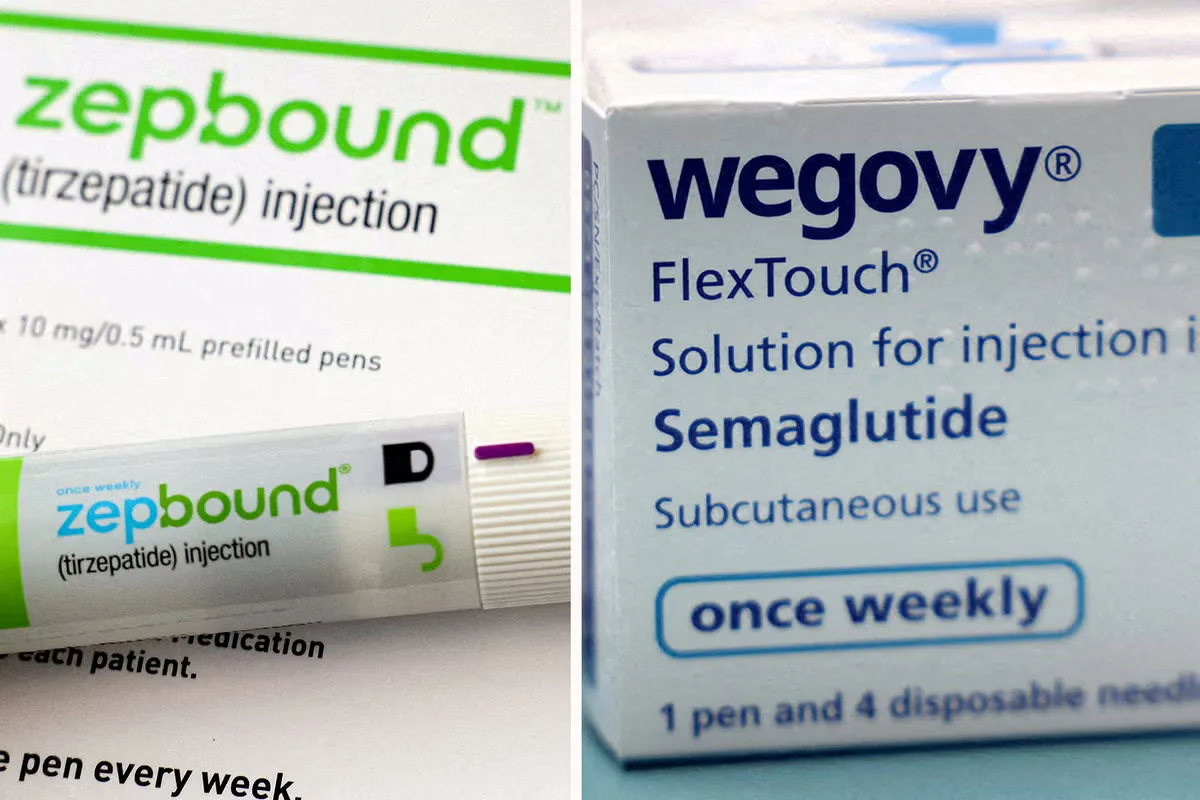
Why Is Novo Nordisk Suing Eli Lilly Over Weight Loss Claims?
Novos Nordisk filed a federal lawsuit against Eli Lilly in New Jersey alleging deceptive advertising practices regarding the efficacy of their respective GLP-1 medications. The Danish pharmaceutical giant claims that Indianapolis-based competitor Eli Lilly knowingly cited outdated clinical trial data to make false comparisons between Zepbound and Wegovy. Specifically, the complaint argues that Lilly promoted weight loss figures based on maximum drug dosages while comparing them against older, lower doses of Novo Nordisk’s products. This discrepancy creates a misleading picture for consumers seeking effective obesity treatments and diabetes management solutions. By requesting a court order to stop these campaigns, Novo Nordisk aims to protect market integrity and ensure patients receive accurate information about potential weight loss outcomes.
The legal action was filed in a federal court in New Jersey on Tuesday, marking a significant escalation in the competition for dominance in the obesity treatment sector. This move signals a shift from standard patent litigation to direct challenges regarding marketing communications and consumer perception. Legal experts note that while pharmaceutical companies routinely sue over intellectual property, false advertising lawsuits are far less common in this industry.
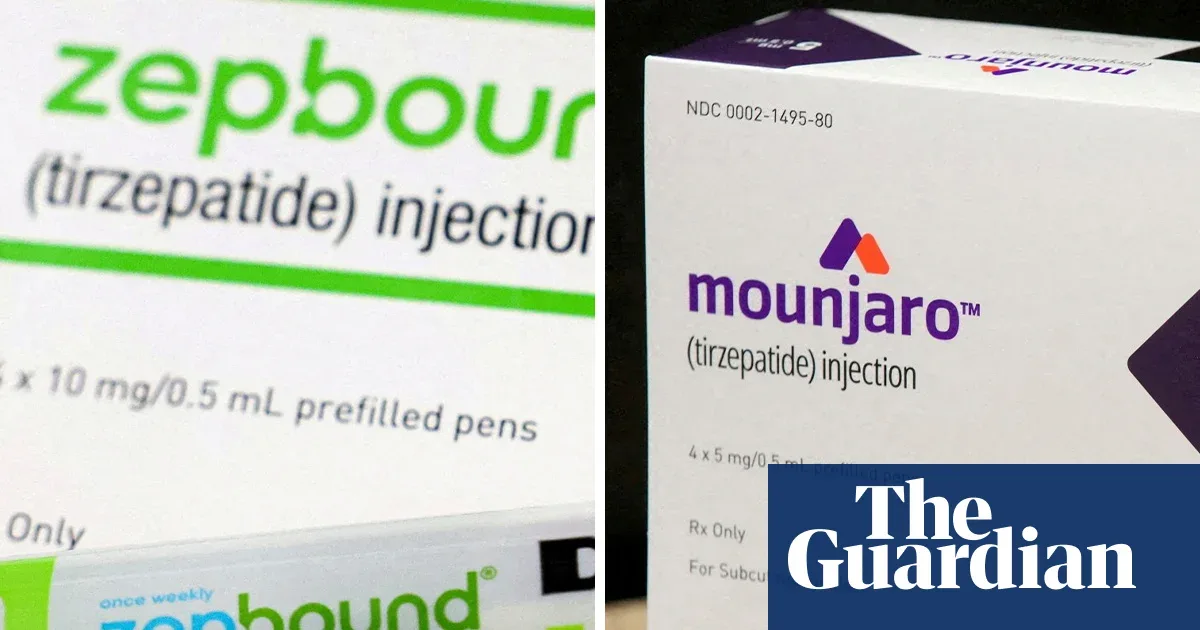
Novo Nordisk is asking the court to order Eli Lilly to stop the campaign, run corrective advertisements, and pay damages derived from any profits tied to the marketing. The suit accuses Indianapolis-based Eli Lilly of violating federal and state laws through nationwide promotional campaigns for its obesity drug Zepbound and diabetes drug Mounjaro.
How Do Dosage Comparisons Impact Weight Loss Data?
The central dispute involves specific dosage comparisons that significantly alter the reported average weight loss percentages in marketing materials. Novo Nordisk General Counsel John Kuckelman stated that Eli Lilly's advertisements displayed an average weight loss of approximately fifty pounds for Zepbound compared to only thirty-three pounds for Wegovy. Kuckelman explained that these figures reflected a comparison between the maximum doses of Eli Lilly's drugs and lower, older doses of Wegovy, while ignoring a seven-point-two milligram dose approved by the FDA in March. Separate late-stage trials of the highest approved doses showed average weight loss of roughly forty-eight pounds for Zepbound and forty-seven pounds for Wegovy. Consequently, the marketing campaign creates a false narrative about the relative superiority of one medication over the other based on uneven testing parameters.
The core of the disagreement lies in whether the data presented to the public accurately reflects the current state of approved treatments. Novo Nordisk issued a cease-and-desist letter in April following the approval of the higher Wegovy dose, noting that Eli Lilly subsequently inserted an inadequate disclaimer while continuing a campaign that has logged over 700 million views since late April.
When patients see these numbers, they often expect a specific outcome based on the advertised average. However, individual results vary significantly based on adherence, lifestyle changes, and metabolic factors regardless of the brand name. Understanding the specific dosage context is crucial for setting realistic expectations.
What Do the Clinical Trial Results Actually Show?
Eli Lilly defends its promotional claims by referencing results from its SURMOUNT-5 clinical trial which was completed in 2024. A spokesperson for the company told Reuters that the firm intended to defend against the lawsuit vigorously and asserted that Novo Nordisk was seeking to block the public communication of trial results rather than compete on product merits. The dispute highlights the complexity of comparing different clinical endpoints across separate trial phases and populations. While Novo Nordisk argues that the data is maliciously and deceptively false, Lilly maintains that their promotions were based on valid, completed research data available at the time of advertising. This conflict underscores the challenges pharmaceutical companies face when communicating complex medical data to the general public through mass media channels.
The lawsuit focuses on dosage comparisons used in marketing materials where the discrepancy between the two companies' data sets is most visible. Novo Nordisk argues that the ads are maliciously and deceptively false because Lilly knowingly cites outdated clinical trials that compare the highest doses of the Lilly medicines to lower doses of Novo Nordisk's medicines.
Understanding the nuances of clinical trial design is essential for interpreting these public health claims accurately. Patients should look for peer-reviewed data rather than relying solely on promotional summaries.
What Is the Financial Impact on Both Pharmaceutical Companies?
The legal battle comes as both drugmakers fight for control of a U.S. weight-loss market that analysts estimate could top one hundred billion dollars by 2030. Following Tuesday's filing, Novo Nordisk shares dropped two percent in Copenhagen, while Eli Lilly rose slightly by zero point five percent. Legal experts note that while pharmaceutical companies routinely sue over patents, false advertising lawsuits are far less common in this industry. Alexandra Roberts, a professor at Northeastern University's School of Law, noted that potential damages could be significant given the market size, though any financial penalty may be limited by how recently the higher Wegovy dosage entered the market. Investors are watching closely to see if this sets a precedent for future competition in the rapidly expanding peptide therapy sector.
The financial stakes are incredibly high as both companies vie for control of a lucrative market. The dispute highlights the intense competition driving innovation and marketing strategies in the GLP-1 space.
Market analysts suggest that the outcome could influence how future drug launches are marketed and regulated. The resolution of this case may impact investor confidence in the sector.
Precision tracking for your journey
Join thousands using Shotlee to accurately track GLP-1 medications and side effects.
📱 Get the Shotlee App
Track your GLP-1 medications, peptides, and health metrics on the go with our mobile app!
How Does This Legal Battle Affect Patients Seeking Treatment?
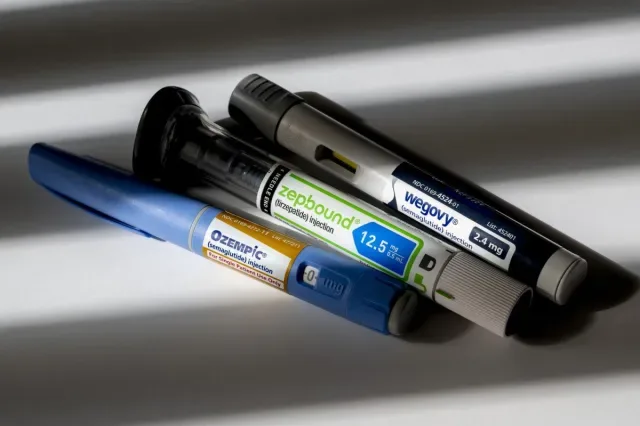
Patients currently using or seeking GLP-1 agonists should understand that marketing claims may not reflect individual medical outcomes or approved dosage protocols. When considering medications like Ozempic, Wegovy, or Mounjaro, it is crucial to consult with a healthcare provider about the specific dose that is appropriate for your body rather than relying on aggregate marketing statistics. Tracking progress through tools like Shotlee can help individuals monitor how they respond to different doses over time without being swayed by promotional narratives. Patients should be aware that weight loss varies significantly based on adherence, lifestyle changes, and metabolic factors regardless of the brand name. Staying informed about the legal and clinical context helps manage expectations and ensures safer usage of these powerful medications in the long term.
For those enrolled in peptide therapy programs, maintaining accurate records is vital. Shotlee allows users to log symptoms and doses, providing a personalized view of their health journey.
The legal uncertainty does not change the regulatory approval status of the drugs, but it does highlight the need for patient vigilance regarding marketing materials.
What Should Patients Know About GLP-1 Marketing Claims?
Patients should approach weight loss advertising with a critical eye and verify claims against official prescribing information. Marketing materials often highlight average outcomes from specific trials without disclosing the exact dosages or exclusion criteria used. It is important to recognize that individual responses to GLP-1 medications like semaglutide and tirzepatide can vary widely.
- Always verify the dosage used in clinical studies before comparing results.
- Consult a healthcare provider to determine the right dose for your needs.
- Track your own progress using health tracking tools to monitor real-world results.
- Be wary of ads that compare maximum doses to older, lower doses.
- Understand that weight loss is influenced by lifestyle factors beyond medication alone.
Practical Takeaways for Patients
When evaluating treatment options, patients should prioritize medical advice over advertising campaigns. The ongoing lawsuit highlights the importance of understanding the specific data behind weight loss claims. By focusing on clinically proven data and personal health metrics, patients can make more informed decisions about their weight loss journey.
Conclusion
The lawsuit between Novo Nordisk and Eli Lilly represents a pivotal moment in the pharmaceutical industry's approach to advertising weight loss medications. As the legal proceedings unfold, the industry will likely see increased scrutiny on how clinical data is communicated to the public. For patients, the key takeaway is to rely on verified medical advice and track personal outcomes rather than marketing statistics. This dispute underscores the need for transparency and accuracy in the rapidly evolving landscape of obesity treatment.
FAQs
What is the core allegation in the Novo Nordisk lawsuit against Eli Lilly?
Novo Nordisk alleges that Eli Lilly engaged in false advertising by comparing the maximum doses of Zepbound to lower, older doses of Wegovy, creating a misleading impression of superiority in weight loss efficacy.
How does the 7.2 mg Wegovy dose impact the weight loss comparison data?
The 7.2 mg dose approved by the FDA in March significantly changes the comparison, as trials of the highest approved doses show similar weight loss results for both Zepbound and Wegovy, roughly 48 pounds versus 47 pounds.
Why are false advertising lawsuits less common than patent disputes in pharma?
Legal experts note that while patent litigation is routine, false advertising lawsuits are less common because they require proving deceptive intent and consumer harm, which is more difficult to establish than patent infringement.
What does the SURMOUNT-5 trial reveal about Zepbound's efficacy claims?
Eli Lilly defends its claims using SURMOUNT-5 trial results completed in 2024, asserting that their promotions were based on valid, completed research data available at the time of advertising.
How should patients evaluate weight loss marketing claims for GLP-1 medications?
Patients should verify the specific dosages used in studies, consult healthcare providers for personalized advice, and track their own progress using health tools to ensure expectations align with individual results.