
MEOW-1 Trial Begins: Key Facts About the "Cat Ozempic"
OKAVA Pharmaceuticals, a biopharmaceutical firm based in San Francisco, has announced the start of a groundbreaking clinical trial to assess a weight-loss treatment for obese cats. The therapy involves a GLP-1 implant, according to a company press release.
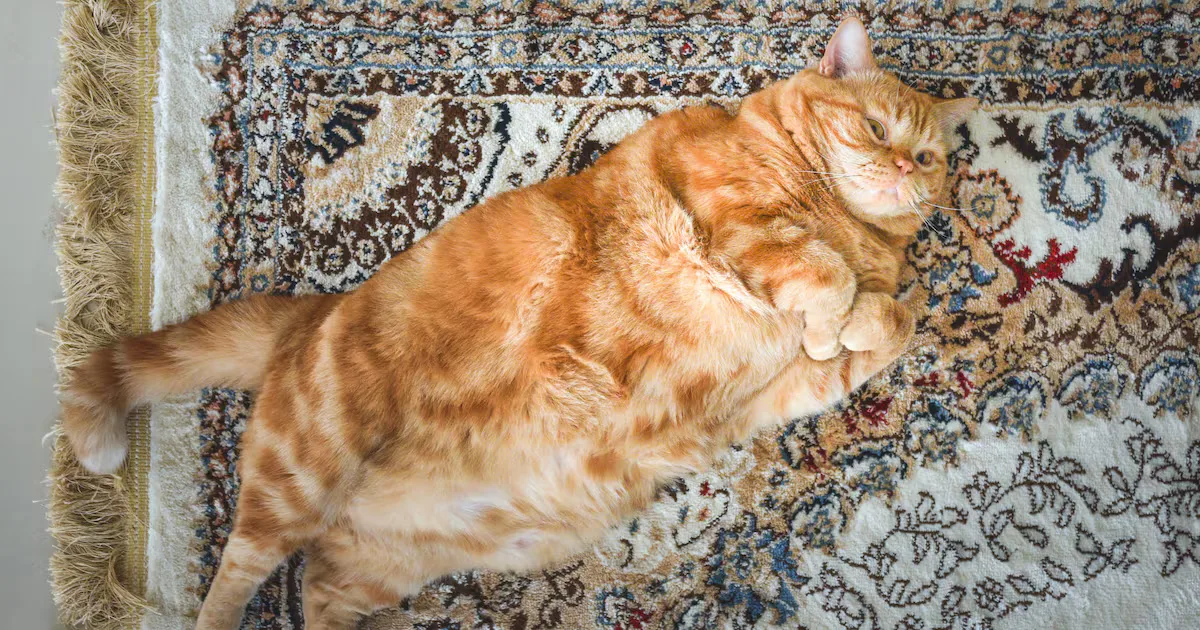
Feline obesity is a growing concern, with estimates suggesting that 50 to 61 percent of cats in the United States are either overweight or obese. This has led to a heightened demand among veterinarians, pet owners, and industry experts for effective treatments that go beyond traditional diet and exercise.
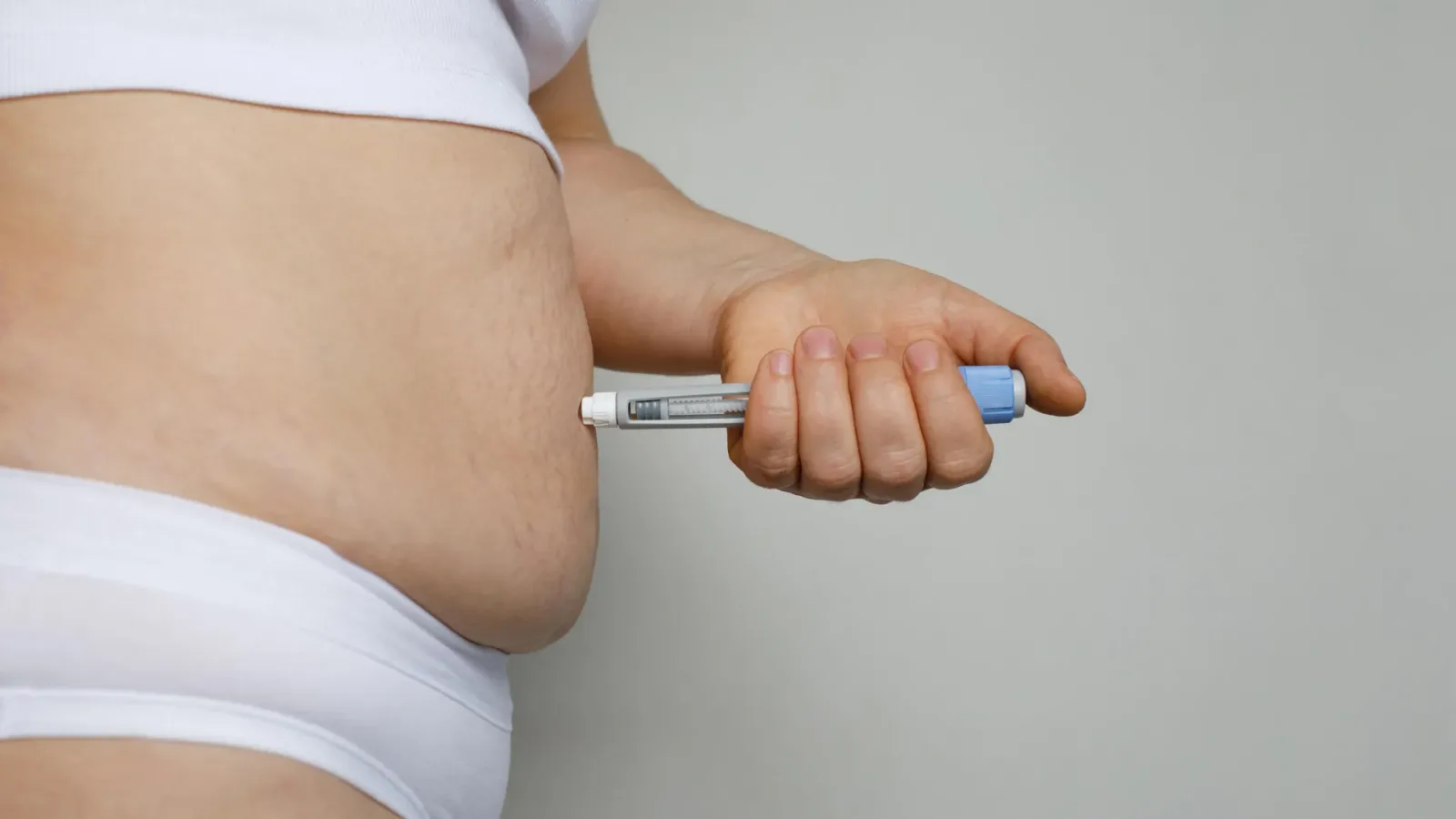
GLP-1 drugs have revolutionized the management of diabetes and obesity in humans. Their potential use in pets could usher in a new era in animal healthcare. Health tracking apps like Shotlee can help monitor weight changes alongside new treatments.
Details of the MEOW-1 Study
OKAVA Pharmaceuticals has administered the first dose to a cat in the MEOW-1 study, evaluating OKV-119, a subdermal GLP-1 implant designed to combat obesity, diabetes, and kidney disease in cats. The trial, formally known as "ManagEment of OverWeight cats with OKV-119" (MEOW-1), is the first GLP-1 weight loss trial specifically for domestic pets.
The study plans to involve up to 50 cats, with their weight and health metrics closely monitored at three- and six-month intervals.
The OKV-119 implant uses Vivani Medical's NanoPortal™ technology. This ensures a consistent, long-lasting release of exenatide, a GLP-1 agonist approved for human type 2 diabetes, for up to six months per implant.
Precision tracking for your journey
Join thousands using Shotlee to accurately track GLP-1 medications and side effects.
📱 Get the Shotlee App
Track your GLP-1 medications, peptides, and health metrics on the go with our mobile app!
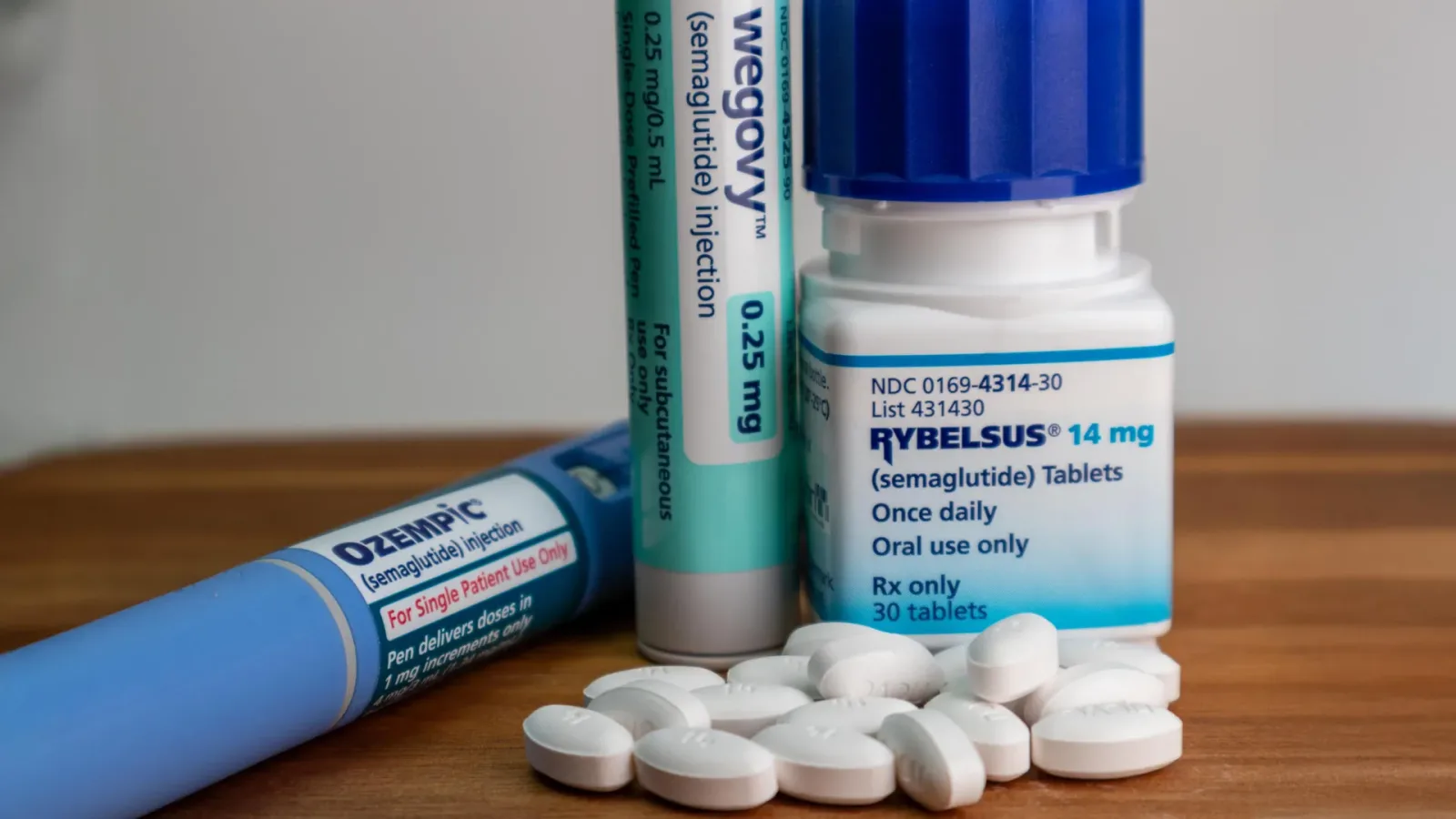
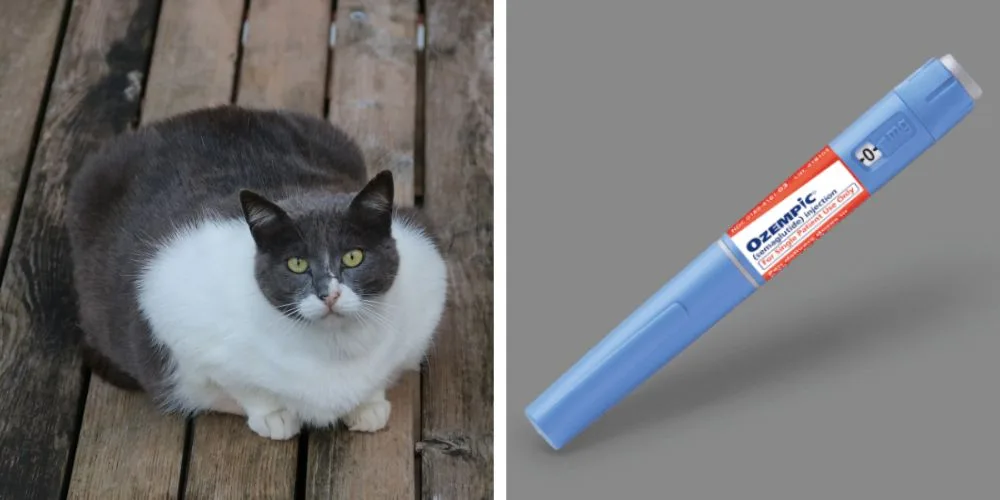
GLP-1 receptor agonists aid in promoting satiety, delaying digestion, and regulating glucose levels. While human versions like Ozempic and Wegovy have become popular for weight loss, OKV-119 utilizes exenatide, distinct from the semaglutide or tirzepatide found in those human drugs.
The subdermal implant offers a key advantage over daily or weekly injections for pets. It circumvents issues related to medication adherence and provides up to six months of therapeutic benefit from a single administration.
The American Veterinary Medical Association Clinical Trials Registry has registered the trial, which is being conducted under an Investigational New Animal Drug application with the FDA-Center for Veterinary Medicine.
Results from the trial are expected in the summer of 2026. If the study proves successful, a similar trial involving dogs is planned.
According to Michael Klotsman, Ph.D., MBA, CEO of OKAVA Pharmaceuticals, caloric restriction, or fasting, is a well-known method for improving metabolic health and extending lifespan in cats, but it can be hard to maintain. He stated that OKV-119 is intended to replicate the physiological effects of fasting, such as improved insulin sensitivity, reduced fat mass, and more efficient energy metabolism, without requiring changes to feeding habits.
OKAVA plans to pursue FDA approval for OKV-119 between 2027 and 2028. If approved, the estimated out-of-pocket cost for pet owners would be approximately $100 per month.