
GLP-1 Implant Being Tested for Overweight Pets
Weight loss medications might soon extend beyond human use, potentially benefiting our animal companions.
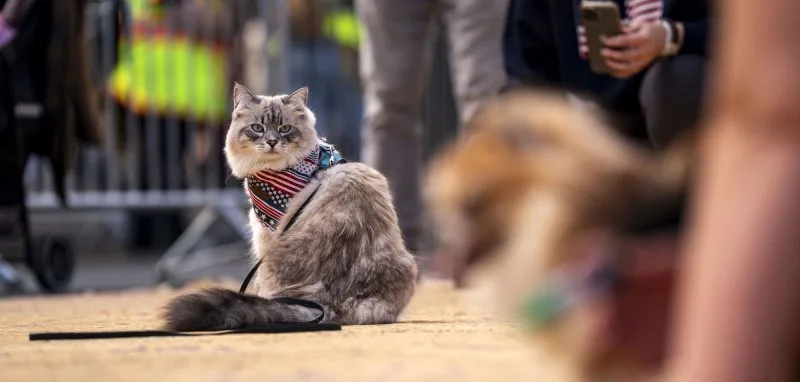
Okava Pharmaceuticals, a California-based firm, has initiated a clinical trial involving 50 cats to assess a GLP-1-based weight loss approach. The treatment involves a small implant placed under the skin, known as OKV-119, engineered to administer medication gradually over a six-month period.
This trial, named MEOW-1, is among the pioneering studies in this field.
The company states that the treatment “is designed to mimic many of the physiological effects of fasting - improved insulin sensitivity, reduced fat mass and more efficient energy metabolism -- without requiring significant changes in feeding routines or disrupting the human-animal bond that often centers around food.”
It offers the potential to enhance a cat's life quality and promote healthy aging. Health tracking apps like Shotlee can help monitor these improvements.
Experts indicate that roughly 60% of cats in the United States are considered overweight, which elevates the risk of diabetes and other health issues.
"In veterinary medicine for the last 100 years, the only prescription we had was feed less, exercise more, and that just doesn't work for all types of obesity," Dr. Ernie Ward, a veterinarian and pet obesity expert, told CBS News.
Precision tracking for your journey
Join thousands using Shotlee to accurately track GLP-1 medications and side effects.
📱 Get the Shotlee App
Track your GLP-1 medications, peptides, and health metrics on the go with our mobile app!
According to Ward, this new medication could offer benefits beyond just weight reduction, citing human research indicating positive impacts on diabetes and overall long-term health.
Ward also highlighted the key unknowns, including the cost, potential side effects, and the implant's effectiveness. Okava estimates the monthly cost to pet owners could be around $100 if the medication receives approval.
Some pet owners are open to the idea.
"He spends most of his days sleeping. He's a lounger ... big lounger," cat owner Savannah Tielking, whose 10-year-old cat weighs 21 pounds, told CBS News. "I think that if my vet came to me and was like, 'He's diabetic. We've tried everything else. We should consider that' - then most definitely."
The results from the MEOW-1 study are anticipated next summer, with Okava planning to seek FDA approval for the implant within a two-year timeframe.
The company also mentions a similar version for dogs is currently in development.