In a significant step for accessible metabolic health treatment, Zydus Lifesciences Limited has announced plans to launch its Semaglutide Injection (15 mg/3 ml) in India on the very first day the patent expires. This Zydus semaglutide launch targets the rapidly rising prevalence of Type 2 Diabetes and obesity in the country, where GLP-1 receptor agonists like semaglutide have proven effective for blood sugar control and weight management.
The Growing Need for Affordable GLP-1 Therapy in India
India faces an epidemic of metabolic disorders, with Type 2 Diabetes affecting over 77 million adults and obesity rates climbing steadily. Semaglutide, a GLP-1 receptor agonist, has transformed global management of these conditions by mimicking the GLP-1 hormone to regulate blood sugar and appetite. However, high costs—often linked to patented delivery systems—have limited access, especially for long-term therapy required in chronic cases.
Zydus' aggressive Day-1 launch post-patent expiry positions it as a leader in democratizing GLP-1 therapy. By offering a more affordable and convenient option, the company addresses key barriers to treatment adherence in patients managing lifelong conditions.
Three Brand Names for Targeted Indian Market
Zydus will introduce its semaglutide injection under three distinct brand names tailored for the Indian market: SEMAGLYNTM, MASHEMATM, and ALTERMETM. Available in the 15 mg/3 ml strength, this product is specifically designed to meet the needs of patients with Type 2 Diabetes Mellitus and obesity.
The launch aligns with Zydus' patient-centric innovation strategy, emphasizing not just the active ingredient but also optimized delivery for real-world use. This approach ensures broader reach in a price-sensitive market.
Clinical Background on Semaglutide
Semaglutide belongs to the GLP-1 receptor agonist class, which has gained prominence worldwide for dual benefits in glycemic control and weight loss. Clinical trials like SUSTAIN and STEP have demonstrated its efficacy, showing reductions in A1C levels by 1-2% and weight loss of 10-15% over 68 weeks in obesity patients. In India, where lifestyle factors exacerbate these conditions, affordable access could prevent complications like cardiovascular disease and neuropathy.
What Makes Zydus' Semaglutide Stand Out: The Reusable Pen Innovation
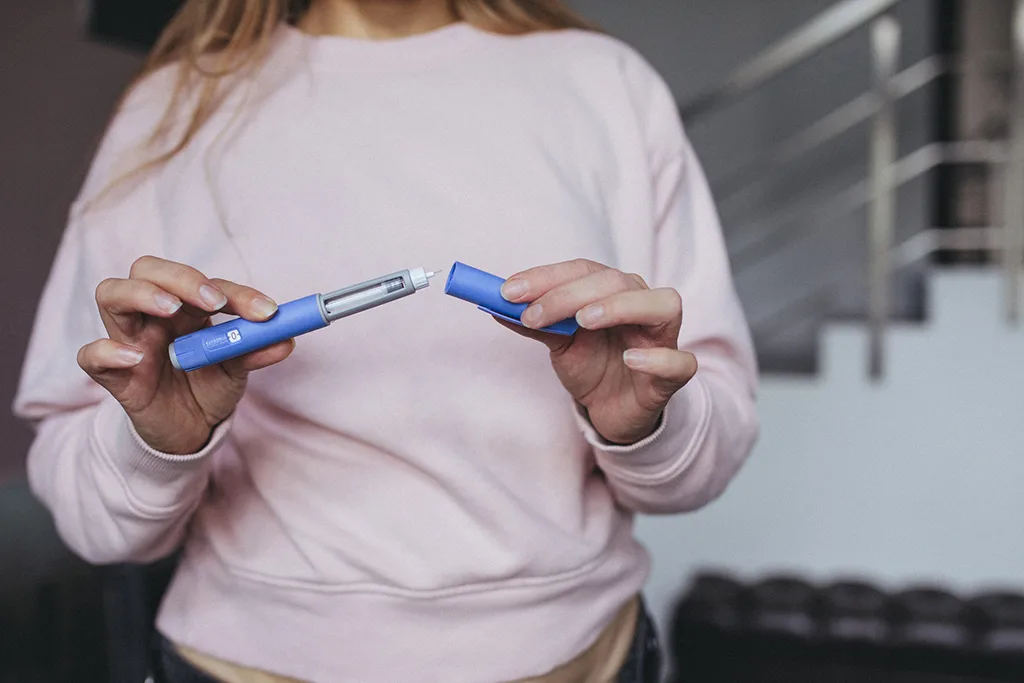
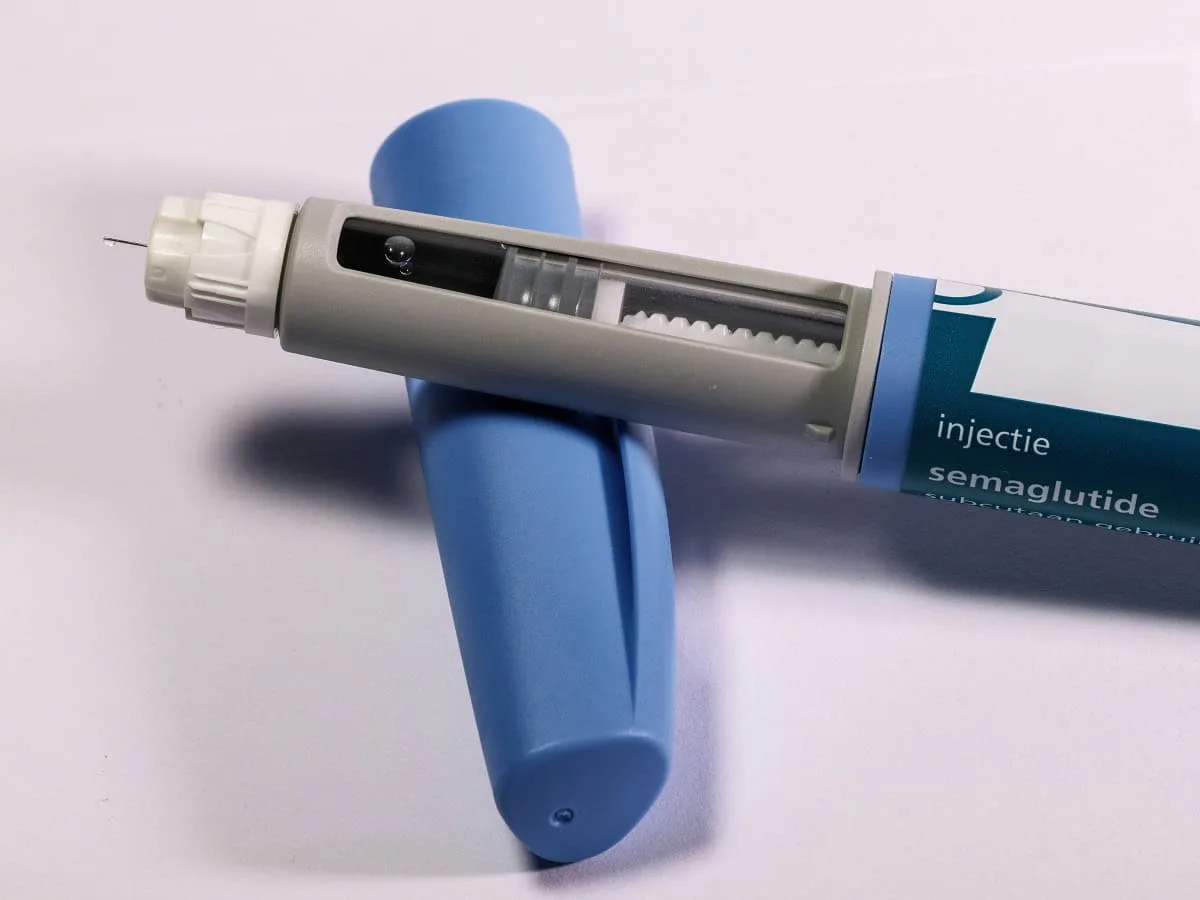
The hallmark of Zydus' offering is its adjustable, reusable single-pen device—a departure from current semaglutide therapies that require separate single-dose pens for dose escalation.
Dose Titration Challenges with Existing Options
Dose titration is standard for GLP-1 therapies: patients start low (e.g., 0.25 mg weekly) and increase gradually to minimize side effects like nausea. Traditional pens from brands like Ozempic or Wegovy necessitate buying multiple pens, driving up costs—potentially thousands of rupees monthly in India.
Advantages of Zydus' Reusable Pen
- Flexible Dosing: Patients can select different dose strengths using the same pen, covering all approved levels for Type 2 Diabetes and obesity.
- Cost Savings: Eliminates need for multiple pens during titration, reducing overall therapy expenses.
- Enhanced Convenience: Simplifies long-term use, promoting adherence.
- Exclusive Rights: Zydus holds exclusive rights to this device in India.
This innovation directly tackles the economic burden of GLP-1 therapy, which can span years or a lifetime.
Affordability, Adherence, and Long-Term Outcomes
GLP-1 therapy demands consistency for optimal results, yet high device costs and complexity hinder adherence rates, which hover around 50-70% globally. Zydus' reusable pen lowers recurring expenses and streamlines administration, potentially improving health outcomes like sustained weight loss and HbA1c control.
Precision tracking for your journey
Join thousands using Shotlee to accurately track GLP-1 medications and side effects.
📱 Get the Shotlee App
Track your GLP-1 medications, peptides, and health metrics on the go with our mobile app!
Dr. Sharvil Patel, Managing Director of Zydus Lifesciences Limited, emphasized: "The launch reflects the company's commitment to innovation focused on patients. We are not just bringing a critical therapy to market but also trying to improve the standard of care. Simplifying treatment through a new delivery mechanism could help patients stick to their therapy and achieve better long-term results."
For patients, tools like Shotlee can complement this by tracking symptoms, side effects, and injection schedules, further supporting adherence.
How Semaglutide Works: Mechanism of Action
Semaglutide mimics the natural GLP-1 hormone, binding to receptors in the pancreas, brain, and gut. Key effects include:
- Stimulating glucose-dependent insulin secretion.
- Suppressing glucagon release to prevent high blood sugar.
- Slowing gastric emptying for prolonged satiety and appetite control.
These actions lead to better post-meal glucose control and gradual weight reduction, making it ideal for Type 2 Diabetes and obesity. Compared to older diabetes drugs like metformin or sulfonylureas, GLP-1 agonists offer superior cardiovascular benefits, as shown in trials like LEADER and SUSTAIN-6.
Safety Considerations for Semaglutide
Common side effects include gastrointestinal issues (nausea, vomiting, diarrhea), typically mild and diminishing with time. Rare risks like pancreatitis or thyroid tumors require monitoring. Patients should discuss titration schedules and contraindications (e.g., history of medullary thyroid carcinoma) with their doctor. In India, where polypharmacy is common, integration with existing regimens needs physician oversight.
Why This Launch Matters for India's Public Health
With diabetes projected to affect 134 million Indians by 2045, affordable semaglutide could curb healthcare costs and improve quality of life. Globally, semaglutide (as Ozempic, Rybelsus, Wegovy) has set benchmarks, but India's market—dominated by generics—stands to benefit from domestic innovation.
Market Impact and Future Outlook
Zydus' entry signals intense competition post-patent expiry, likely sparking price wars among domestic players. If priced competitively, these brands could reach thousands previously priced out, expanding GLP-1 use beyond urban elites to rural and middle-class patients.
Compared to imported options, Zydus' focus on local needs positions it for dominance in affordable peptide therapy.
What Patients Should Know and Discuss with Doctors
- Eligibility: Ideal for Type 2 Diabetes not controlled by oral meds or obesity with BMI ≥27 kg/m².
- Starting Therapy: Begin with low doses; use the reusable pen for titration.
- Lifestyle Synergy: Pair with diet, exercise for best results.
- Monitoring: Regular A1C, weight, and side effect checks.
- Access: Available soon via pharmacies; confirm insurance coverage.
Consult endocrinologists for personalized plans, especially if combining with other therapies.
Key Takeaways
- Zydus launches Semaglutide Injection (15 mg/3 ml) under SEMAGLYNTM, MASHEMATM, ALTERMETM on patent expiry day.
- Reusable pen reduces costs and boosts convenience for Type 2 Diabetes and obesity management.
- Affordability drives adherence, improving outcomes in India's metabolic crisis.
- Semaglutide's GLP-1 mechanism offers dual glycemic and weight benefits.
- Competitive pricing could transform access to advanced therapy.
Conclusion: A Step Toward Equitable Metabolic Care
Zydus' semaglutide launch with innovative delivery heralds affordable GLP-1 therapy in India, preserving efficacy while slashing barriers. Patients managing Type 2 Diabetes or obesity should explore this with healthcare providers for potentially life-changing results. Stay informed on related topics like GLP-1 side effects management and peptide therapy advancements.