
NHS Pays GPs Incentives for Mounjaro, Wegovy Prescriptions
In a move to address uneven access to weight-loss jabs on the NHS, the Department of Health and Social Care (DHSC) has introduced financial incentives for GPs to prescribe drugs like Mounjaro and Wegovy. This announcement, part of a new GP contract backed by £25 million in funding, comes eight months after the NHS began its mass rollout of these GLP-1 receptor agonist injections last summer. The initiative aims to encourage family doctors to prescribe the medications and refer patients to weight management services, ensuring treatment reaches those with the highest clinical need.
Background on the NHS Weight-Loss Jabs Rollout
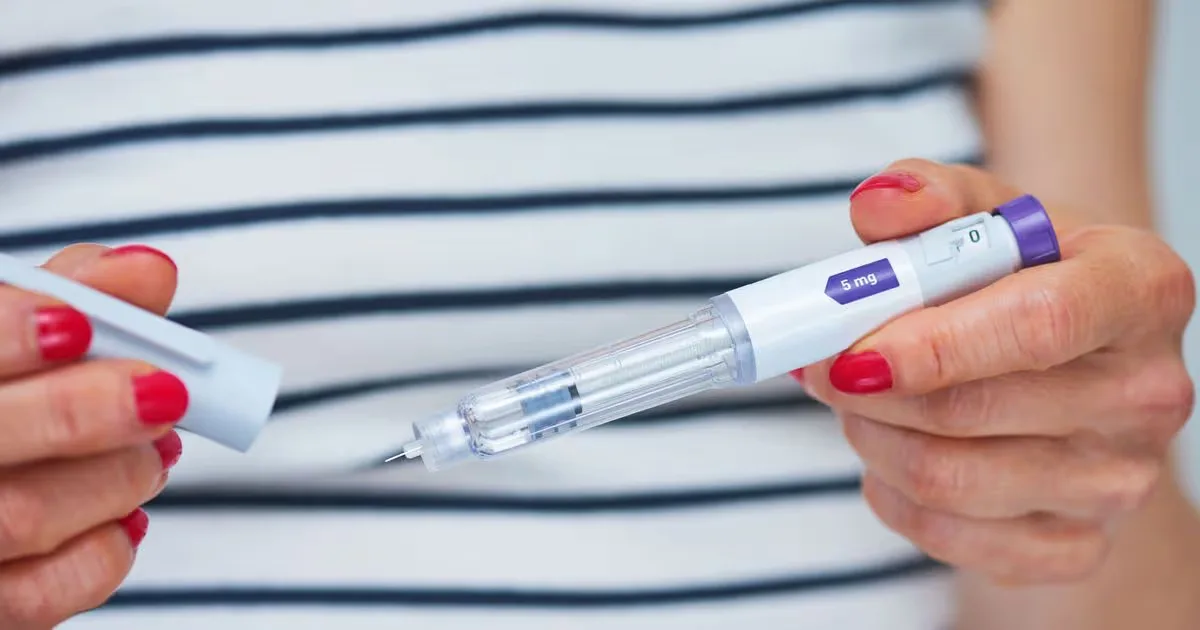
The NHS mass rollout of weight-loss jabs began last summer with tight eligibility restrictions, targeting severely obese individuals who also suffer from related health problems such as type 2 diabetes, high blood pressure, or sleep apnea. Mounjaro (tirzepatide) and Wegovy (semaglutide) are once-weekly injections that mimic hormones like GLP-1 and, in Mounjaro's case, GIP, to reduce appetite, slow gastric emptying, and improve blood sugar control. These mechanisms not only promote significant weight loss—often 15-20% of body weight in clinical trials—but also address underlying metabolic issues driving obesity.
Despite the promise, leading GPs raised concerns early on about the additional workload. NHS England has prioritized 220,000 patients in the first three years of a phased rollout planned over up to 12 years. If all over three million eligible patients sought treatment in the first year, with 70% starting therapy, it could consume 18% of GP appointments, straining primary care resources.
Government Incentives: Promoting Fair Access
The DHSC noted that "not all practices prescribe weight-loss drugs," prompting the new incentives. Health and Social Care Secretary Wes Streeting emphasized fairness in access, stating: "Weight-loss drugs can be a real game changer for those who need them. I'm determined that access should be based on need, not ability to pay."
He highlighted risks outside the NHS: "Outside the NHS, we've seen those who can spare the cash buying privately, and the proliferation of rogue prescribers peddling dangerous unlicensed drugs that are putting patients at risk." Streeting framed this as part of a broader public health strategy to ease the £11 billion annual burden obesity places on the health service and economy. The incentives will prioritize those with the highest clinical need, upholding NHS principles.
How the Incentives Work
- GPs receive payments for prescribing Mounjaro or Wegovy to eligible patients.
- Additional funding supports referrals to weight management services.
- £25 million total investment to scale access sustainably.
Current data shows an estimated 2.4 million people in the UK are taking weight-loss drugs, mostly through private channels. Research published earlier this month indicates women and middle-class individuals dominate private prescriptions, underscoring inequities the incentives aim to correct.
Expert Reactions: Support and Cautions
Professor Victoria Tzortziou Brown, chair of the Royal College of GPs (RCGP), acknowledged the targeted approach: "At present, weight-loss medications on the NHS are targeted at those with the greatest clinical need, in line with national guidance and the capacity of local services." She stressed: "GPs are prescribing within these parameters. Decisions about eligibility, rollout and resourcing are not made by practices, but nationally, based on the evidence we have about safety, effectiveness and capacity."
Brown cautioned against over-reliance on incentives: "While long-overdue investment in general practice is welcome, GPs do not withhold treatment or prescribe based on financial incentives. Decisions are guided by clinical judgment and what is safest and most appropriate for individual patients." Widening rollout, she warned, could increase unsustainable workloads and raise unrealistic expectations for ineligible patients or those for whom the drugs are unsuitable.
"Widening the rollout of these medications in general practice could end up increasing workload in a way that may not be sustainable, and risk raising unrealistic expectations among patients who may not be eligible, or for whom these medicines are not suitable."
Precision tracking for your journey
Join thousands using Shotlee to accurately track GLP-1 medications and side effects.
📱 Get the Shotlee App
Track your GLP-1 medications, peptides, and health metrics on the go with our mobile app!
Henry Gregg, chief executive of the National Pharmacy Association (representing around 6,000 independent pharmacies), called the NHS rollout "very slow," with only a handful of patients treated in some areas. He advocated for pharmacies' role: "The Government should be using the expertise pharmacies have in this area to support the NHS reach more patients, rather than overstretched GPs. Community pharmacies can provide a patient with the care they need to achieve a sustainable weight loss, through wraparound support and careful lifestyle changes, where a patient is eligible for treatment."
Understanding Mounjaro and Wegovy: Mechanisms and Eligibility
Drug Profiles
Mounjaro (tirzepatide): A dual GLP-1/GIP agonist approved for weight management in eligible adults. Administered as a once-weekly subcutaneous injection, it excels in reducing hunger and improving insulin sensitivity.
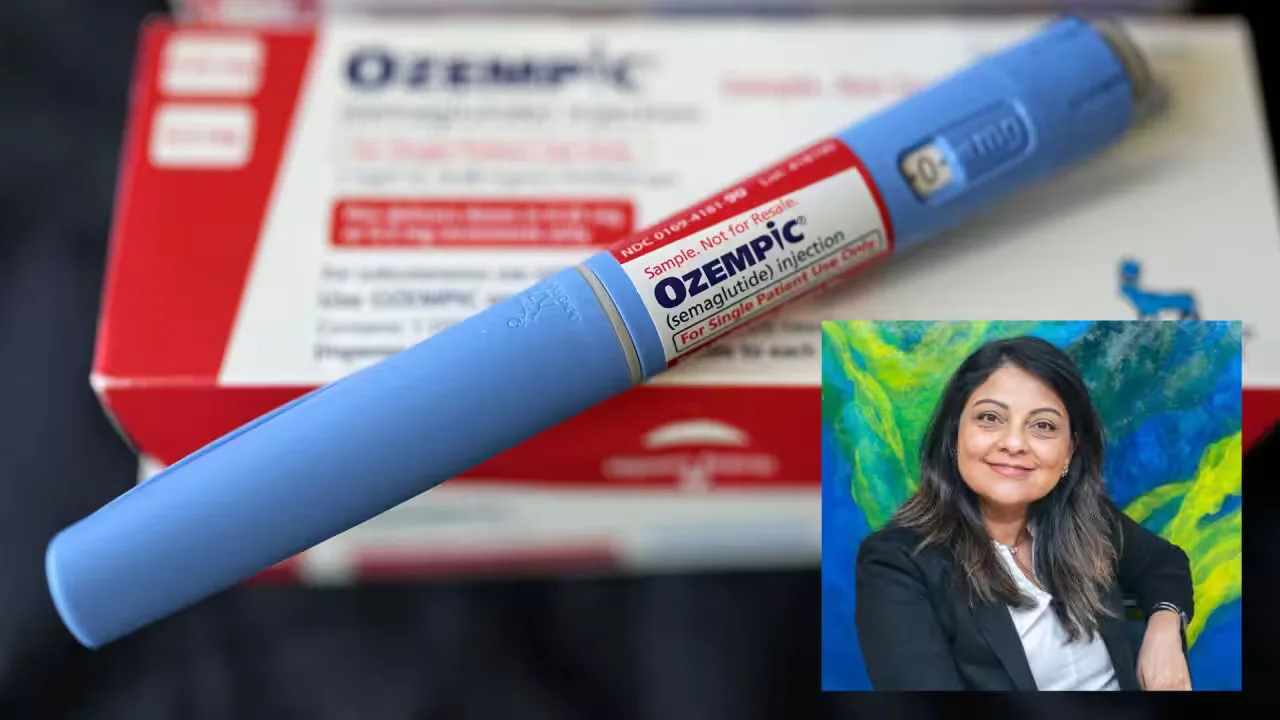
Wegovy (semaglutide): A GLP-1 receptor agonist at higher doses than those used for diabetes (Ozempic). It promotes satiety and weight loss through central and peripheral effects on the brain and gut.
Eligibility Criteria on the NHS
Patients must typically have a BMI of 35+ (or 30+ with comorbidities) and have tried lifestyle interventions. The drugs are not first-line; they're for those with highest need to mitigate risks like cardiovascular disease or joint issues linked to obesity.
Safety Considerations
Common side effects include nausea, diarrhea, and gastrointestinal discomfort, which often improve over time. Serious risks like pancreatitis or thyroid tumors are rare but monitored. The government's warning on rogue private prescribers underscores the importance of NHS-supervised use to avoid compounded or unlicensed versions. Patients should discuss family history and contraindications with their GP.
Challenges in Current Access and Phased Rollout
Even eligible patients face delays; in some regions, rollout "has hardly begun at all." The 12-year plan reflects capacity limits, prioritizing specialist weight management services before broader GP involvement. Private access, while faster, is costly (£150-250/month) and uneven, favoring higher-income groups.
What This Means for Patients
If you're obese with comorbidities, ask your GP about NHS eligibility for Mounjaro or Wegovy. Prepare by tracking weight, BMI, and symptoms—apps like Shotlee can help log side effects or medication schedules during trials. Combine with diet, exercise, and behavioral support for best outcomes, as these drugs work synergistically with lifestyle changes.
Compare to alternatives: Unlike older drugs like orlistat, GLP-1 jabs offer superior weight loss (10-20% vs. 5%) but require ongoing use. Discontinuation often leads to regain, emphasizing long-term commitment.
Key Takeaways
- NHS incentives (£25M) encourage GPs to prescribe Mounjaro/Wegovy for fairer access based on need.
- Rollout prioritizes 220,000 high-need patients first; full eligibility affects 3M+ over 12 years.
- Experts like RCGP stress clinical judgment over incentives; pharmacies could expand support.
- Private use dominates (2.4M users), but risks unlicensed drugs—stick to regulated channels.
- Discuss eligibility with your GP; monitor progress for sustainable metabolic health.
Conclusion: Steps Toward Equitable Obesity Care
The NHS GP incentives mark progress in tackling obesity's £11B burden, aligning access with clinical need. While challenges like workload persist, this structured approach—backed by evidence on safety and efficacy—positions Mounjaro and Wegovy as vital tools in metabolic health. Patients: Consult your doctor, explore eligibility, and integrate these therapies into comprehensive plans for lasting results. Stay informed on rollout updates via NHS resources.