
Scientists Experiment with GLP-1 Drugs for Overweight Canines and Felines
Your cherished dog or cat may soon have the opportunity to shed excess weight.
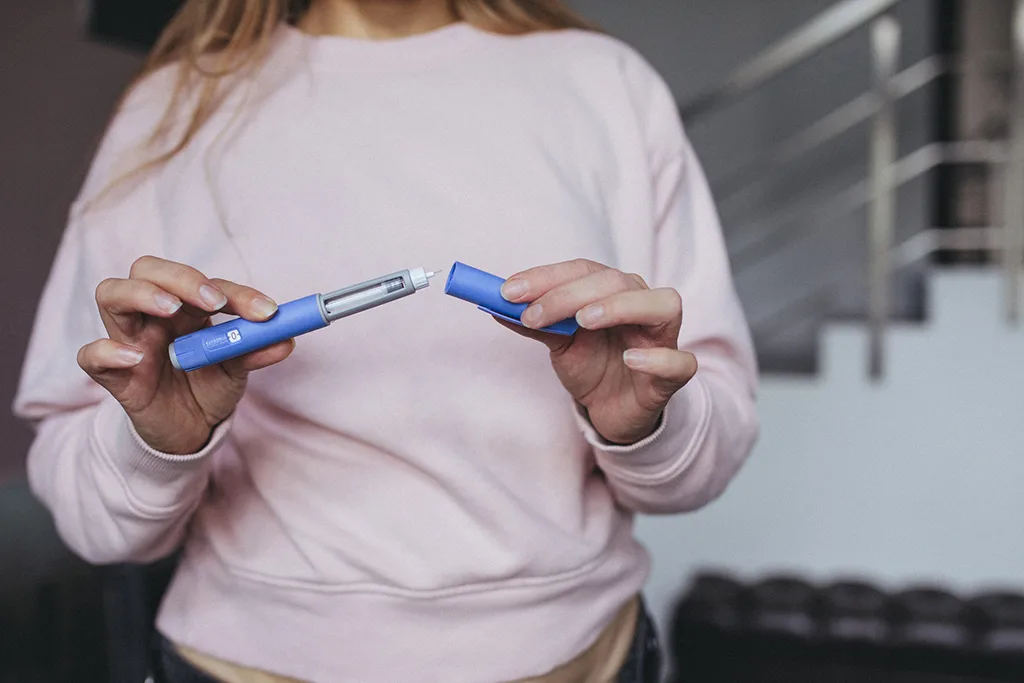
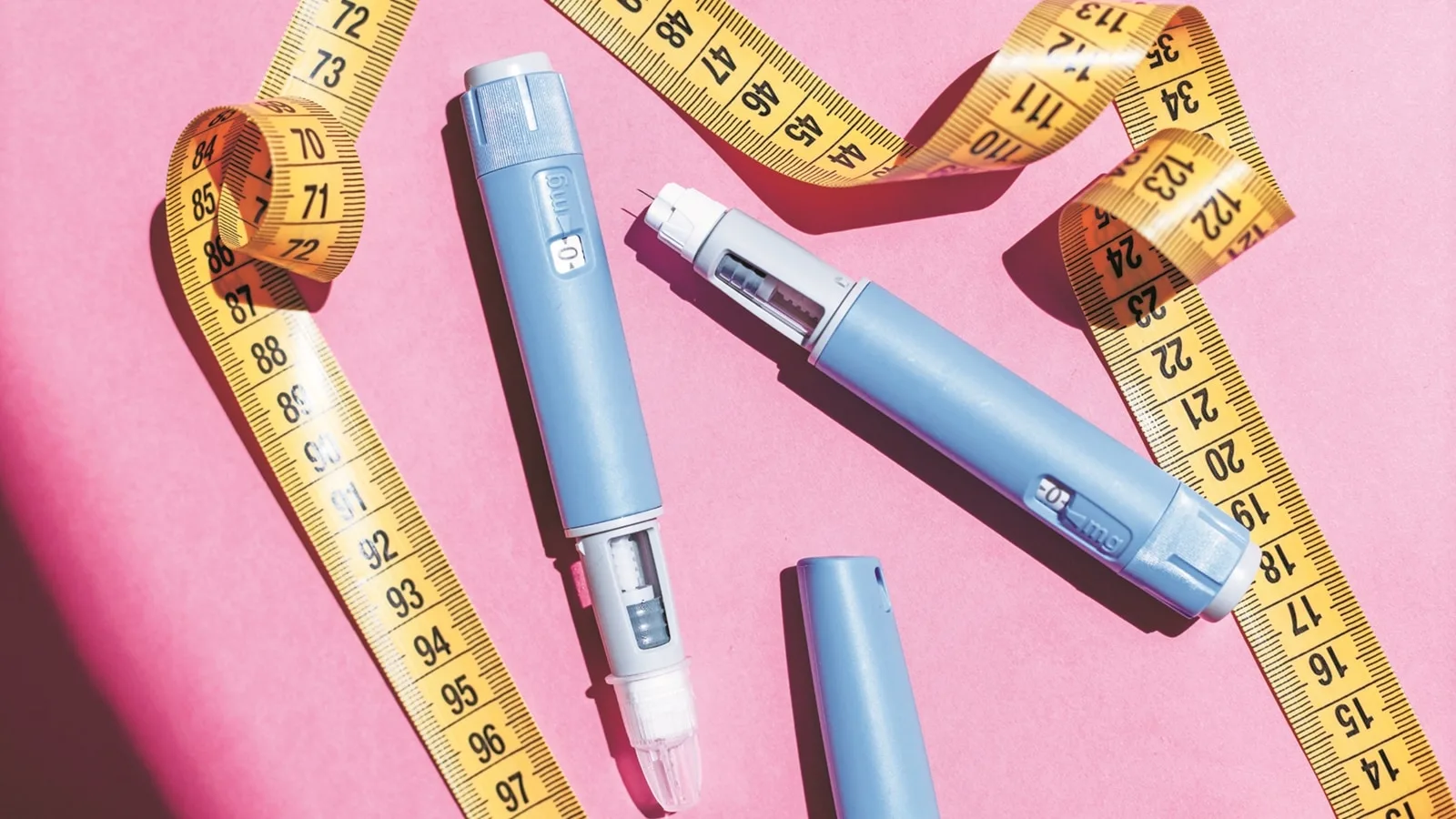
We are entering an era where pets might lose weight using diabetes and weight loss medications similar to Ozempic and Wegovy. These medications would be specifically tailored for animals.
While not yet a reality, it appears imminent. According to reports, Okava Pharmaceuticals, a biopharmaceutical company based in San Francisco, is expected to announce the initiation of a pilot study. This study will examine the use of GLP-1 agonists on obese cats.
The cats will receive the drug via microchip-sized implants, releasing it slowly over six months. This method aims to simplify treatment for owners. Okava intends to conduct comparable trials on dogs.
Chen Gilor, a veterinarian at the University of Florida leading the research, stated that the implant is inserted under the skin, and after six months, the cat will have lost weight. He described the process as seemingly magical.
Precision tracking for your journey
Join thousands using Shotlee to accurately track GLP-1 medications and side effects.
📱 Get the Shotlee App
Track your GLP-1 medications, peptides, and health metrics on the go with our mobile app!
Originally developed for diabetes treatment, GLP-1 agonist drugs mimic a gut hormone that regulates blood sugar levels and appetite. Their appetite-suppressing qualities have made them successful for human weight loss.
The use of these drugs on pets raises ethical questions. Selective breeding has already led to dogs and cats conforming to human beauty standards, sometimes negatively impacting their well-being. Now, pets may be further pressured to conform to a slender physique through the use of new medications.
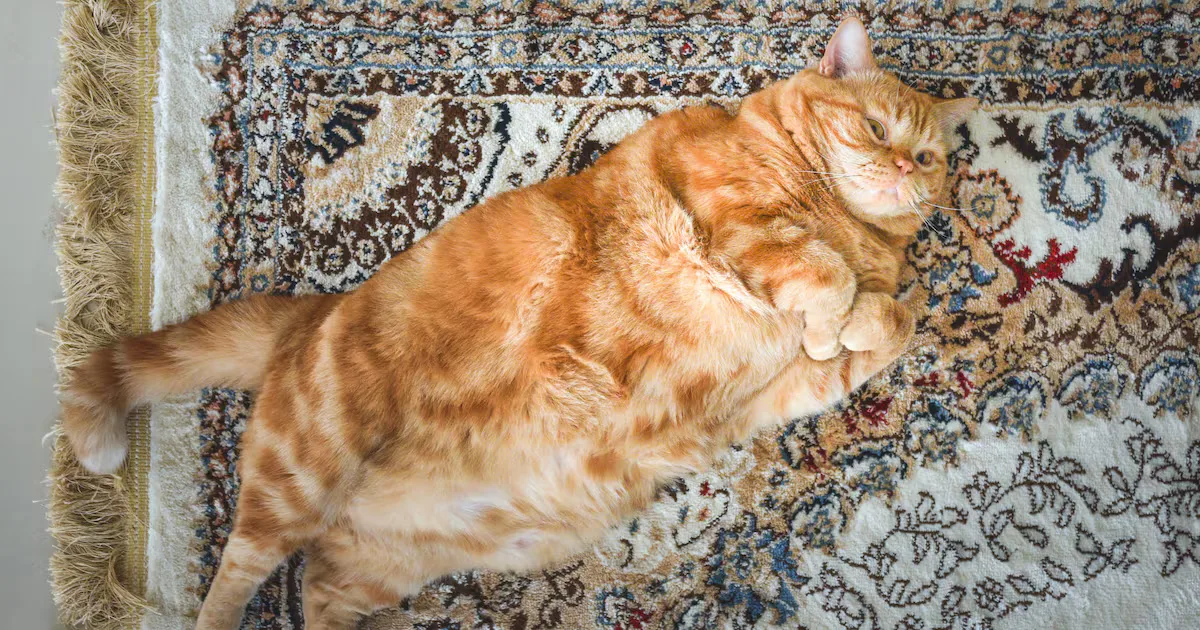
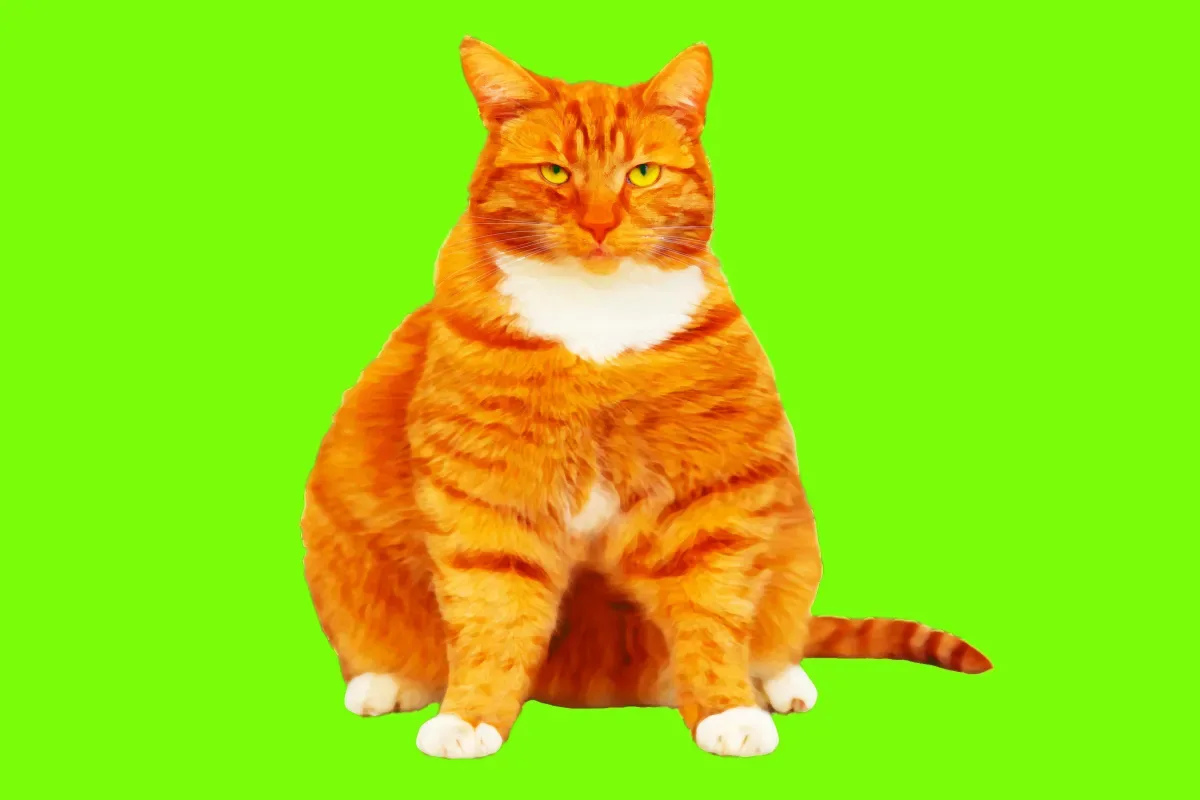
However, some pets may benefit from these drugs for health reasons, especially if their owners neglect their exercise or diet. Approximately 60 percent of US dogs and cats are obese, with hundreds of thousands also suffering from diabetes, according to Gilor.
Some veterinarians are already prescribing human GLP-1 drugs to pets. A veterinary endocrinologist at Texas A&M reported using these drugs a few times annually in diabetic cats. It may have been inevitable that this practice became more formalized. Health tracking apps like Shotlee can help monitor the progress of these treatments and overall pet well-being.
Ernie Ward, a veterinarian and founder of the Association for Pet Obesity Prevention, believes this will be a significant advancement. He suggests that veterinarians are on the verge of a new era in obesity medicine.