
Luke Combs' Candid Confession on Weight and Career Fears
Country star Luke Combs, known for hits like "Fast Cars," has openly discussed his lifelong battle with weight and how it's influencing his music career. Despite past struggles, he's firmly refusing GLP-1 medications for weight loss. In a recent interview on The New York Times' Popcast, Combs expressed deep concerns about his physical appearance potentially costing him opportunities.
"One of my biggest fears is like, man, maybe I don't get a shot just 'cause of the way I look," he explained. "You know what I mean? And like, that was a hard pill to swallow, because you can't really change the way you look."
Combs admits he's not being explicitly told to lose weight, but he dreams daily of looking like fellow country singer Sam Hunt. "I have always struggled with my weight," he continued. "It bugs me a lot that I can't figure it out. I don't want my life to be this life of like, ease and like, everything's easy. I like when stuff's hard."
Why Luke Combs is Steering Clear of GLP-1 Medications
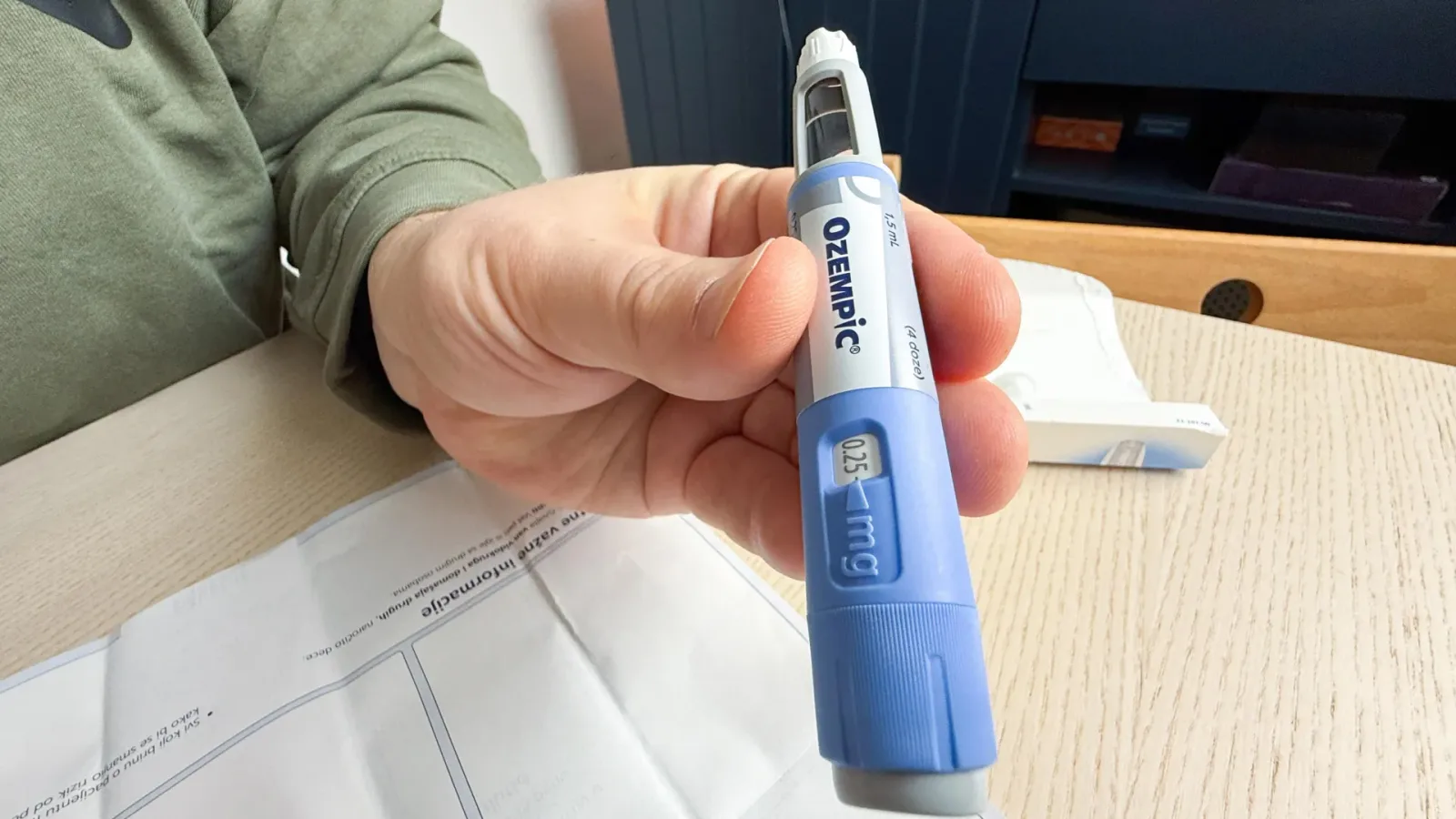
When pressed on avoiding new "medical technology" like GLP-1 medications—popular drugs such as semaglutide (found in Ozempic and Wegovy) and tirzepatide (in Mounjaro)—Combs was straightforward. "As dumb as that sounds, that stuff scares me more than I think that I would enjoy the benefits of."
His body-image issues remain an "impossible nut to crack," yet he's determined to conquer them on his own terms. "No matter how hard I try, it's just been like this impossible nut to crack for me. And I will do it, but I'm not going to do it the short way," he added. "And not that there's anything wrong with that. That's personal for you. I need to win, like, I need to beat myself."
This personal philosophy underscores a broader conversation in metabolic health: the tension between pharmacological aids and traditional lifestyle changes.
What Are GLP-1 Medications and How Do They Promote Weight Loss?
GLP-1 receptor agonists mimic the glucagon-like peptide-1 hormone, which regulates blood sugar, slows gastric emptying, and signals fullness to the brain. Originally developed for type 2 diabetes, these medications have gained fame for substantial weight loss—often 15-20% of body weight in clinical trials.
For patients like those inspired by celebrity stories, GLP-1 meds work by:
- Reducing appetite and food intake
- Improving insulin sensitivity
- Delaying digestion to enhance satiety
However, they're not a "short way" without considerations, as Combs implies. Prescribed under medical supervision, they're most effective alongside diet and exercise.
Common GLP-1 Drugs for Weight Loss
- Semaglutide: Weekly injections; approved for obesity
- Tirzepatide: Dual GLP-1/GIP agonist; shows superior weight loss in studies
While effective, long-term use requires monitoring for sustainability post-discontinuation.
Pros and Cons of GLP-1 Medications: Weighing the Evidence
Key Benefits
Beyond weight loss, GLP-1s offer cardiovascular protection and improved metabolic markers. They're transformative for obesity-related conditions like sleep apnea and hypertension.
Precision tracking for your journey
Join thousands using Shotlee to accurately track GLP-1 medications and side effects.
📱 Get the Shotlee App
Track your GLP-1 medications, peptides, and health metrics on the go with our mobile app!
Potential Drawbacks and Safety Concerns
Side effects include nausea, gastrointestinal issues, and rare risks like pancreatitis or thyroid tumors in animal studies. Muscle loss during rapid weight reduction is another concern, emphasizing the need for resistance training. Combs' fear of these interventions resonates with patients wary of dependency or unknown long-term effects.
Discuss with a healthcare provider to assess suitability, especially for those with gastrointestinal disorders or family history of thyroid cancer.
Luke Combs' Approach: Embracing the 'Hard Way' for Lasting Change
Combs' commitment to self-mastery aligns with evidence favoring gradual, behavioral weight loss. Sustainable habits—calorie control, strength training, and mindset shifts—reduce rebound weight gain risks compared to medication alone.
For fans emulating his mindset, focus on:
- Balanced nutrition emphasizing protein and fiber
- Consistent exercise blending cardio and weights
- Mindful tracking of progress, perhaps using apps like Shotlee for symptom and habit monitoring
Alternatives to GLP-1 for Weight Management
Not everyone needs or wants GLP-1 meds. Options include:
- Peptide therapies: Like CJC-1295 for growth hormone support, aiding fat loss without appetite suppression
- Lifestyle interventions: Cognitive behavioral therapy for eating habits
- Metabolic coaching: Personalized plans addressing root causes like insulin resistance
Comparing GLP-1 to natural methods: Meds accelerate results but demand ongoing commitment; Combs' path builds resilience.
What This Means for Patients and Fans
Luke Combs' story humanizes weight loss debates. GLP-1 medications suit many but aren't universal. Consult endocrinologists or metabolic specialists to weigh personal risks versus rewards.
Practical guidance:
- Track BMI, waist circumference, and energy levels
- Combine any intervention with sleep and stress management
- Consider genetic testing for obesity predispositions
Key Takeaways
- Luke Combs fears GLP-1 meds scare him more than their benefits, preferring to "beat myself."
- GLP-1s excel in appetite control and weight reduction but carry side effect risks.
- Sustainable weight loss thrives on personal effort, echoing Combs' philosophy.
- Individualize approaches: Meds for some, lifestyle for others.
In conclusion, Combs' refusal spotlights agency in health journeys. Whether pursuing GLP-1 or the hard way, prioritize medical advice for metabolic success.