
Luke Combs on Skipping GLP-1s for Weight Loss: 'Not the Short Way'
In a candid discussion on GLP-1 medications for weight loss, Grammy-nominated country singer Luke Combs shared his reasons for steering clear of these popular drugs. During the Tuesday, Feb. 24, episode of The New York Times' Popcast podcast, the 35-year-old "Back in the Saddle" singer and father of three emphasized his commitment to tackling health challenges through effort rather than medical shortcuts.
Luke Combs Opens Up About His Biggest Fears
Combs got real about one of his "biggest fears": "One of my biggest fears is like, man, maybe I don't get a shot just 'cause of the way I look," he said. "You know what I mean? And like, that was a hard pill to swallow, because you can't really change the way you look."
As his fame grew, Combs noted he hasn't faced pressure from music industry executives to alter his appearance, such as hiring a trainer or changing his beard. He even joked about dreaming of looking like fellow country star Sam Hunt "everyday."
Lifelong Weight Struggles and the Appeal of the 'Hard Way'
"I have always struggled with my weight," Combs admitted. "It bugs me a lot that I can't figure it out. I don't want my life to be this life of like, ease and like, everything's easy. I like when stuff's hard."
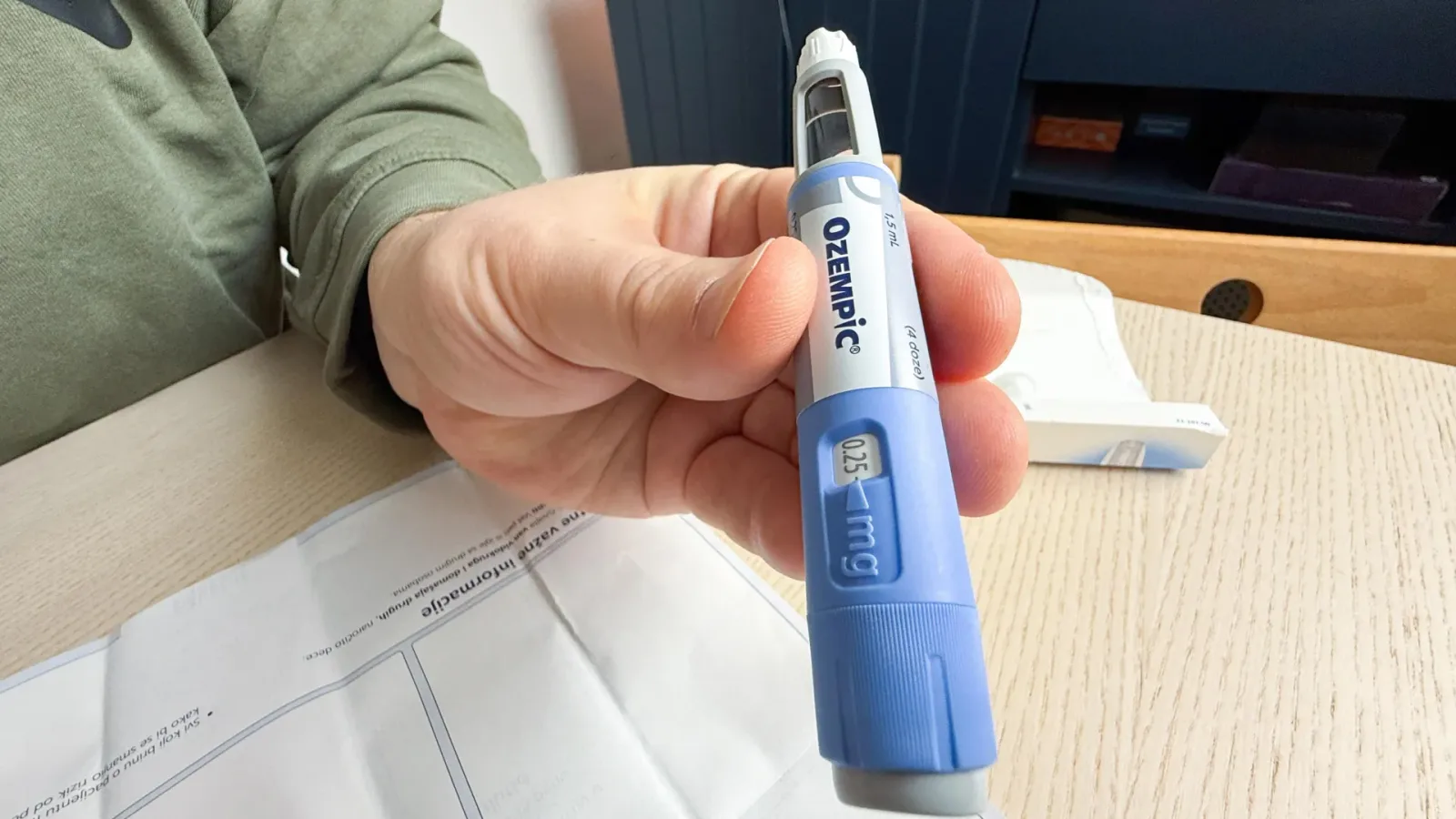
When asked about avoiding "medical technology" like GLP-1 medications—such as semaglutide brands including Ozempic and Wegovy—Combs agreed. "As dumb as that sounds, that stuff scares me more than I think that I would enjoy the benefits of," he said.
Combs confessed he's never faced truly hard physical labor: "Like, I'm not out digging ditches, man. It's not that hard of a job." Yet his body image issues persist as "this thing I can't conquer." "No matter how hard I try, it's just been like this impossible nut to crack for me. And I will do it, but I'm not going to do it the short way," he declared. "And not that there's anything wrong with that. That's personal for you. I need to win, like, I need to beat myself."
Family Motivation Drives Longevity Goals
Combs has consistently shared his health motivations tied to family. In June 2022, he told Zane Lowe on Apple Music 1 about his son Tex Lawrence, born that month with wife Nicole Hocking: "This having a kid thing has really messed up my head on this thing in the best way. I want to be around, dude. Do you know what I mean?"
More recently, in November 2024, he told NBC News that "longevity is the goal" thanks to his wife and kids. "Every day you get to spend with those guys is really fun and tough, and you need to be your best self to take care of them the way that you feel like they deserve to be taken care of."
"It's a long process, man. It's a long road," Combs added. "It's tough. It's a challenge, man. I struggle with it every day."
Understanding GLP-1 Medications: Why They're Popular for Weight Loss
GLP-1 receptor agonists, like semaglutide (found in Ozempic and Wegovy) and tirzepatide (in Mounjaro and Zepbound), mimic the glucagon-like peptide-1 hormone. This hormone regulates blood sugar, slows gastric emptying, and signals fullness to the brain, leading to reduced appetite and significant weight loss—often 15-20% of body weight in clinical trials.
Precision tracking for your journey
Join thousands using Shotlee to accurately track GLP-1 medications and side effects.
📱 Get the Shotlee App
Track your GLP-1 medications, peptides, and health metrics on the go with our mobile app!
These medications were originally developed for type 2 diabetes but gained fame for obesity treatment after studies like STEP and SURMOUNT showed sustained results. For many, they address metabolic health issues tied to insulin resistance, cardiovascular risk, and inflammation. However, Combs' perspective underscores a common concern: reliance on pharmacology versus building sustainable habits.
How GLP-1s Work in the Body
- Appetite Suppression: Activates brain receptors to reduce hunger.
- Delayed Digestion: Slows stomach emptying for prolonged satiety.
- Blood Sugar Control: Boosts insulin release and lowers glucagon.
While effective, they require weekly injections and lifestyle support for optimal outcomes.
GLP-1s vs. Lifestyle Changes: Comparing Approaches
Pros of GLP-1 Medications
- Rapid, clinically proven weight loss.
- Benefits for comorbidities like heart disease and sleep apnea.
- Bridge for those with metabolic barriers to diet/exercise alone.
Cons and Combs' Concerns
- Potential side effects: nausea, gastrointestinal issues, muscle loss if not paired with exercise.
- Cost and access barriers (often $1,000+/month without insurance).
- Weight regain upon discontinuation without habit changes.
- Psychological aspects: Combs fears missing the "win" of self-conquest.
Combs' choice aligns with evidence that lifestyle interventions—calorie control, strength training, and cardio—yield 5-10% weight loss long-term for motivated individuals, fostering discipline like he seeks.
Safety Considerations for GLP-1 Use
Common side effects include nausea (up to 44% in trials), vomiting, and diarrhea, often improving over time. Rare risks: pancreatitis, gallbladder issues, thyroid tumors (in rodents). Not recommended for those with medullary thyroid cancer history or multiple endocrine neoplasia syndrome type 2.
Monitoring is key; tools like Shotlee can help users track symptoms, side effects, or medication schedules alongside diet logs.
Practical Guidance: Should You Consider GLP-1s or Go the 'Luke Combs Way'?
Who Might Benefit from GLP-1s:
- BMI ≥30 (or ≥27 with conditions like hypertension).
- Failed prior weight loss attempts.
- Need for cardiometabolic improvements.
Opting for Natural Methods Like Combs:
- Motivated by personal challenge and family.
- Prefer building habits: 150+ min/week exercise, protein-rich diet, sleep optimization.
- Track progress with apps for accountability.
Discuss with a doctor: GLP-1s aren't for cosmetic use alone. Combine approaches for best results—many use meds as a kickstart while adopting Combs' mindset for maintenance.
Key Takeaways: What Luke Combs' Story Means for Metabolic Health
- GLP-1s offer powerful tools but aren't one-size-fits-all.
- Personal motivation trumps shortcuts for sustainable change.
- Family and longevity goals fuel lasting commitment.
- Weight struggles are common; conquering them builds resilience.
Conclusion: Your Path to Health
Luke Combs' rejection of GLP-1s highlights the value of effort-driven weight management in metabolic health. Whether choosing medications or the hard road, prioritize doctor-guided plans. His story reminds us: health is personal—embrace what aligns with your values for long-term success.
Read the original article on People for more celebrity insights.