
The Hims & Hers Wegovy Pill Launch and Swift Shutdown
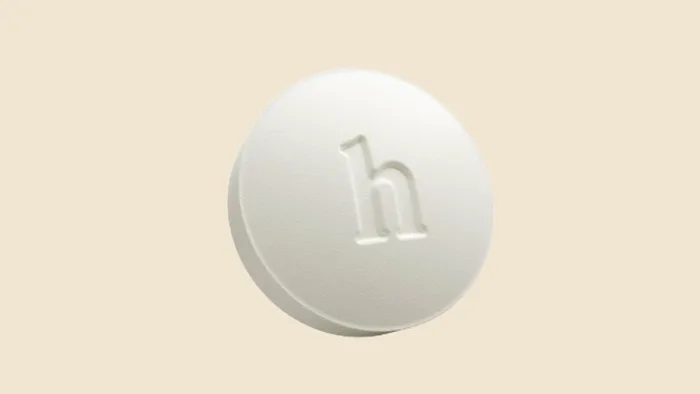
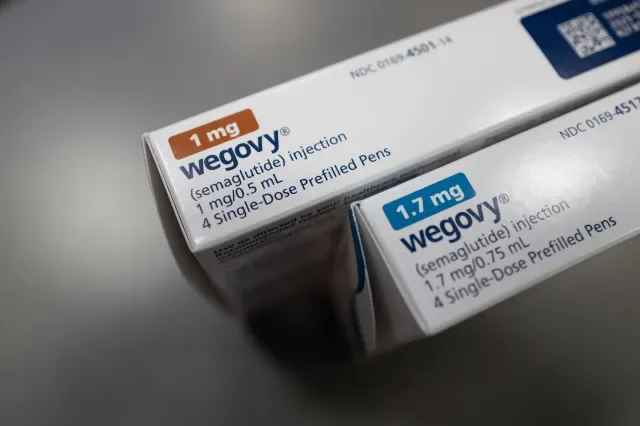
Telehealth company Hims & Hers unleashed a wild few days in the obesity drug market last week when it introduced a cheap, compounded version of Novo Nordisk's new Wegovy pill. This audacious attempt to grab a slice of the lucrative GLP-1 market ended disastrously: the company pulled its product just two days after launch. U.S. regulators vowed to take "decisive" action against its knockoff drug and similar products, while Novo Nordisk announced it was suing Hims & Hers over its copycat drugs.
The knockoff GLP-1 market, often described as the Wild West, persists even as the FDA ramps up enforcement. While the Wegovy pill drama has quieted, it raises critical questions: Why did this unregulated space explode, and is the FDA's response too little, too late?
From Shortages to a Gray Market Boom
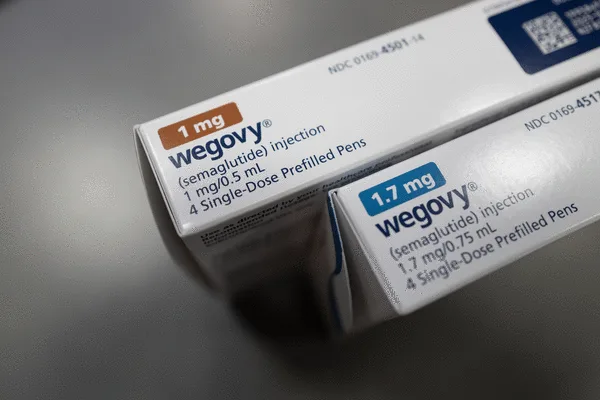
The door to compounded GLP-1 drugs swung open due to overwhelming demand. Regulatory authorities permit "compounded" versions of medicines officially listed in shortage. Wegovy, approved for weight loss in 2021, and Zepbound, approved in 2023, both faced shortages that fueled a gray market. Telehealth companies, online pharmacies, and even wellness spas began offering knockoff versions of these blockbuster GLP-1 agonists.
Manufacturers eventually resolved supply issues—Zepbound's shortage ended over a year ago, and Wegovy's nearly a year ago. The FDA granted telehealth firms and pharmacies a grace period to cease sales, but the compounded weight-loss drug market lingers. This persistence underscores a key tension in GLP-1 therapy: high demand for drugs like semaglutide (Wegovy's active ingredient) and tirzepatide (Zepbound's) for obesity and metabolic health outpaces accessible, affordable supply.
Understanding GLP-1 Drugs and Their Popularity
GLP-1 receptor agonists like Wegovy and Zepbound mimic the glucagon-like peptide-1 hormone, which regulates blood sugar, slows gastric emptying, and reduces appetite. Clinically proven for significant weight loss—often 15-20% of body weight—they've transformed metabolic health management. However, list prices exceed $1,000 monthly, driving patients toward cheaper alternatives despite risks.
Compounded GLP-1s: Not Generics, and Why That Matters
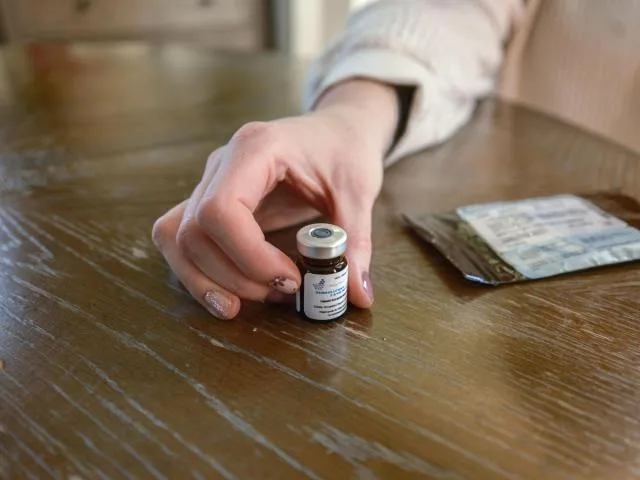
The No. 1 rule for compounded GLP-1s in the U.S. is "Let the buyer beware." These are not generic versions of Wegovy or Zepbound—a subtle but critical distinction. FDA-approved generics undergo rigorous testing to prove bioequivalence to the original. Compounded drugs bypass this oversight, produced by pharmacies or compounders without guaranteeing efficacy, purity, or safety.
Potential risks include inconsistent dosing, contamination, or subpotent formulations that fail to deliver therapeutic benefits. For patients pursuing peptide therapy for weight loss or type 2 diabetes, this means unpredictable outcomes and heightened side effect risks, from nausea to more serious issues like gastrointestinal complications.
Precision tracking for your journey
Join thousands using Shotlee to accurately track GLP-1 medications and side effects.
📱 Get the Shotlee App
Track your GLP-1 medications, peptides, and health metrics on the go with our mobile app!
Why Compounded Wegovy Pills Raise Extra Red Flags
A compounded version of the Wegovy pill is particularly fraught. Semaglutide is a peptide—a complex molecule historically challenging to oralize. Peptides degrade in the gastrointestinal tract's harsh acidic environment, which breaks down proteins indiscriminately.
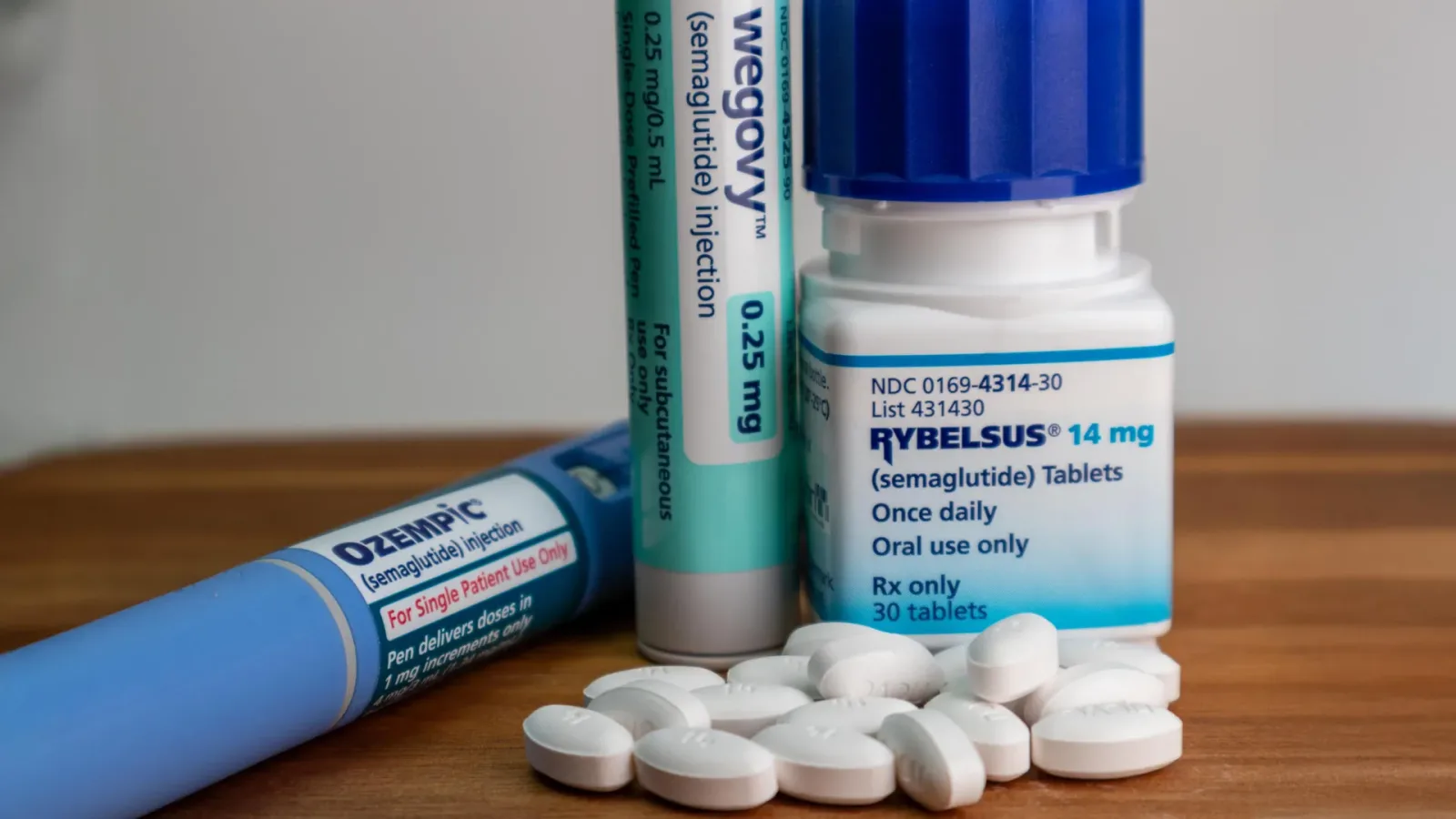
Novo Nordisk acquired technology to shield semaglutide, allowing it to survive the gut and enter the bloodstream. The FDA-approved Wegovy oral tablet requires strict adherence: take on an empty stomach and wait 30 minutes before eating. Hims & Hers' cheap knockoff couldn't credibly match this innovation, sparking doubts about its efficacy beyond Novo's patent claims.
Broader Knockoff Landscape: Beyond Pills
The Hims incident is just the tip. A vast array of compounded injectable GLP-1s remains available, often mixed with unproven additives claiming enhanced benefits—like faster weight loss or fewer side effects—without evidence. Unapproved formulations abound: lozenges, "microdose" pills, and under-the-tongue drops. Sites even peddle alleged tirzepatide pills, despite no approved oral version existing. Eli Lilly's upcoming orforglipron—a small-molecule GLP-1 pill—is slated for potential FDA approval this spring, but it's unrelated to these copycats.
FDA Crackdown and Consumer Confusion
Consumers aren't at fault for confusion. Some sellers mislabel compounded drugs as "generics," and even experts slip into sloppy terminology. Aggressive ads for cheap GLP-1 alternatives bombard the public, tempting those priced out of branded options.
The FDA has warned for years about inefficacy and safety risks. Commissioner Marty Makary escalated on Friday, pledging crackdowns on Hims & Hers and others, plus action against misleading ads claiming "generic" or equivalent status. Enforcement is vital, but the gray market's scale—fueled by millions eligible for GLP-1s—poses challenges.
What This Means for Patients Seeking GLP-1 Therapy
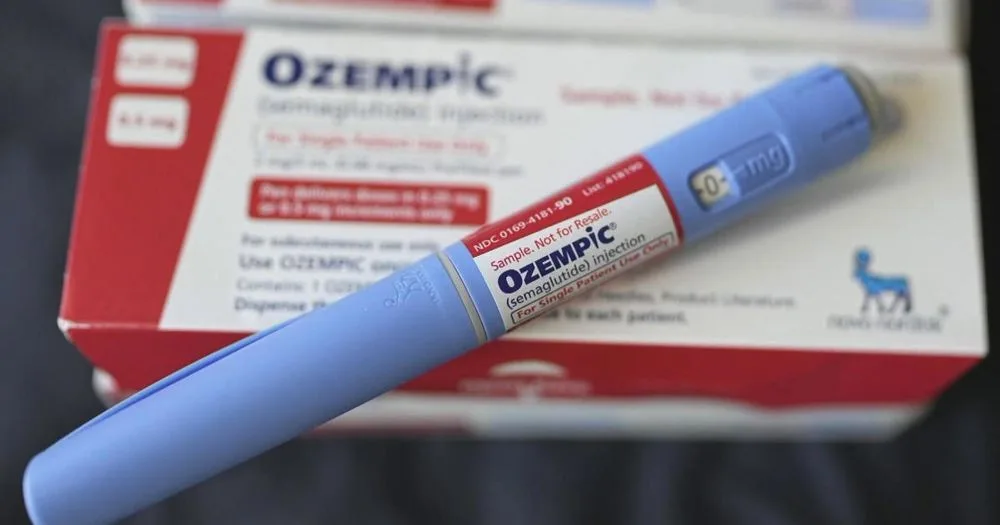
- Stick to FDA-Approved Options: Prioritize Wegovy, Zepbound, or alternatives like Ozempic and Mounjaro from licensed providers. Discuss with your doctor to assess eligibility based on BMI, comorbidities, and metabolic health goals.
- Verify Insurance and Access: Coverage is improving but spotty. Programs like NovoCare or LillyDirect offer savings cards; competition is lowering prices.
- Monitor for Safety: Common GLP-1 side effects include nausea, vomiting, and diarrhea. Tools like Shotlee can help track symptoms, side effects, or dosing schedules for approved medications.
- Avoid Gray Market Traps: No compounded GLP-1 is proven equivalent. Risks outweigh unverified savings.
Key Takeaways
The knockoff GLP-1 market thrives because branded drugs remain out of reach for many. Until accessibility improves—via better insurance, lower prices, and supply stability—demand for cheap alternatives will persist. Patients deserve safe, effective peptide therapy; bypassing FDA oversight gambles health for hype.
Conclusion: Prioritizing Safety in the GLP-1 Era
The Hims & Hers Wegovy pill fiasco spotlights the Wild West of knockoff GLP-1 drugs, but the deeper issue endures. With shortages resolved and FDA action intensifying, now's the time to choose proven paths. Consult healthcare providers, explore legitimate access routes, and stay informed on metabolic health advancements. Safe, regulated GLP-1 therapy offers real transformation—don't settle for unregulated risks.