
India Issues Guidelines on GLP-1 Drugs Use, Risks, Regulations
The Government of India has released detailed guidelines on GLP-1 drugs' use, risks, and regulations, as outlined in an official press release from New Delhi on April 1. These GLP-1 drugs guidelines emphasize safe administration for managing type 2 diabetes and obesity while cracking down on unauthorized sales and misuse. This move addresses growing concerns over on-demand availability through retail pharmacies, online platforms, wholesalers, and wellness clinics.
Understanding Diabetes and the Role of GLP-1 Drugs
Diabetes is a chronic disease that occurs when the pancreas does not produce adequate insulin, or when the body cannot effectively use the insulin it produces, leading to high blood sugar. If left untreated, it can lead to severe complications like blindness, kidney failure, heart attacks, stroke, and lower limb amputation.
Insulin and glucagon are hormones produced by the pancreas that regulate blood sugar (glucose) levels. Insulin helps convert food into energy and lowers blood sugar by enabling cells to absorb glucose, while glucagon raises blood sugar when levels drop too low. Together, these hormones keep blood sugar within a healthy range.
In patients with type 2 diabetes, this balance breaks down. The body's cells become resistant to insulin, or the pancreas does not produce enough of it, or both—while glucagon continues to drive blood sugar higher. It is this dual dysfunction that GLP-1 drugs are designed to address.
Types of Diabetes
There are two main kinds of diabetes highlighted in the guidelines:
- Type 1 diabetes: Characterised by deficient insulin production by the pancreas. Type 1 diabetic patients require daily doses of insulin for life.
- Type 2 diabetes: Stops the body from using insulin properly. Risk factors include family history of diabetes, obesity/overweight, and not getting enough exercise. It is preventable through maintaining a healthy body weight, being physically active with at least 150 minutes of moderate exercise each week, eating a healthy diet, avoiding sugar and saturated fats, and not smoking tobacco.
Obesity as a Chronic Disease and Risk Factor
People with excess body weight, a family history of diabetes, and excess sugar in the diet are at high risk of developing type 2 diabetes. Being obese—with a body mass index (BMI) of over 25 kg/m²—also increases the risk of diabetes. Abdominal fat particularly raises the risk of insulin resistance. Obesity is a major driver of non-communicable diseases such as cardiovascular disease and some cancers.
Obesity is defined as a chronic disease caused by excess body fat, with BMI greater than or equal to 25 kg/m², while overweight is defined as a BMI ranging from 23.00 to 24.99 kg/m². BMI is a metric calculated from height and weight. Obesity is preventable and reversible. To prevent and reduce obesity, people should reduce calories from fats and sugars, increase intake of fruit, vegetables, legumes, whole grains, and nuts, and engage in regular physical activity (60 minutes per day for children and 150 minutes per week for adults).
How GLP-1 Drugs Work: Mechanism of Action
GLP-1 drugs (glucagon-like peptide-1 receptor agonists) are medications developed to treat both type 2 diabetes and obesity by correcting hormonal imbalance—stimulating insulin release and suppressing excess glucagon—to bring blood sugar back under control. They regulate blood sugar and appetite and are also used to treat obesity.
Essentially, they slow down gastric emptying, increasing the feeling of fullness, which decreases patients' appetite and leads to weight loss. When we eat, the digestive system breaks food down into simple sugars that enter the bloodstream. GLP-1 is activated in response, triggering the pancreas to release insulin, which moves glucose out of the bloodstream and into cells for energy. The hormone also suppresses glucagon, preventing the liver from releasing additional glucose.
GLP-1 agonist medications mimic this hormone, triggering the same effects for longer. They stimulate the pancreas to release more insulin, suppress glucagon, and keep food in the digestive system longer, promoting fullness and weight loss. The first GLP-1 medication was approved by the United States' Food & Drug Administration in 2005, with many new ones recently popular for treating diabetic and obese patients.
Precision tracking for your journey
Join thousands using Shotlee to accurately track GLP-1 medications and side effects.
📱 Get the Shotlee App
Track your GLP-1 medications, peptides, and health metrics on the go with our mobile app!
Available GLP-1 Medications in India
The following GLP-1 medications are currently available:
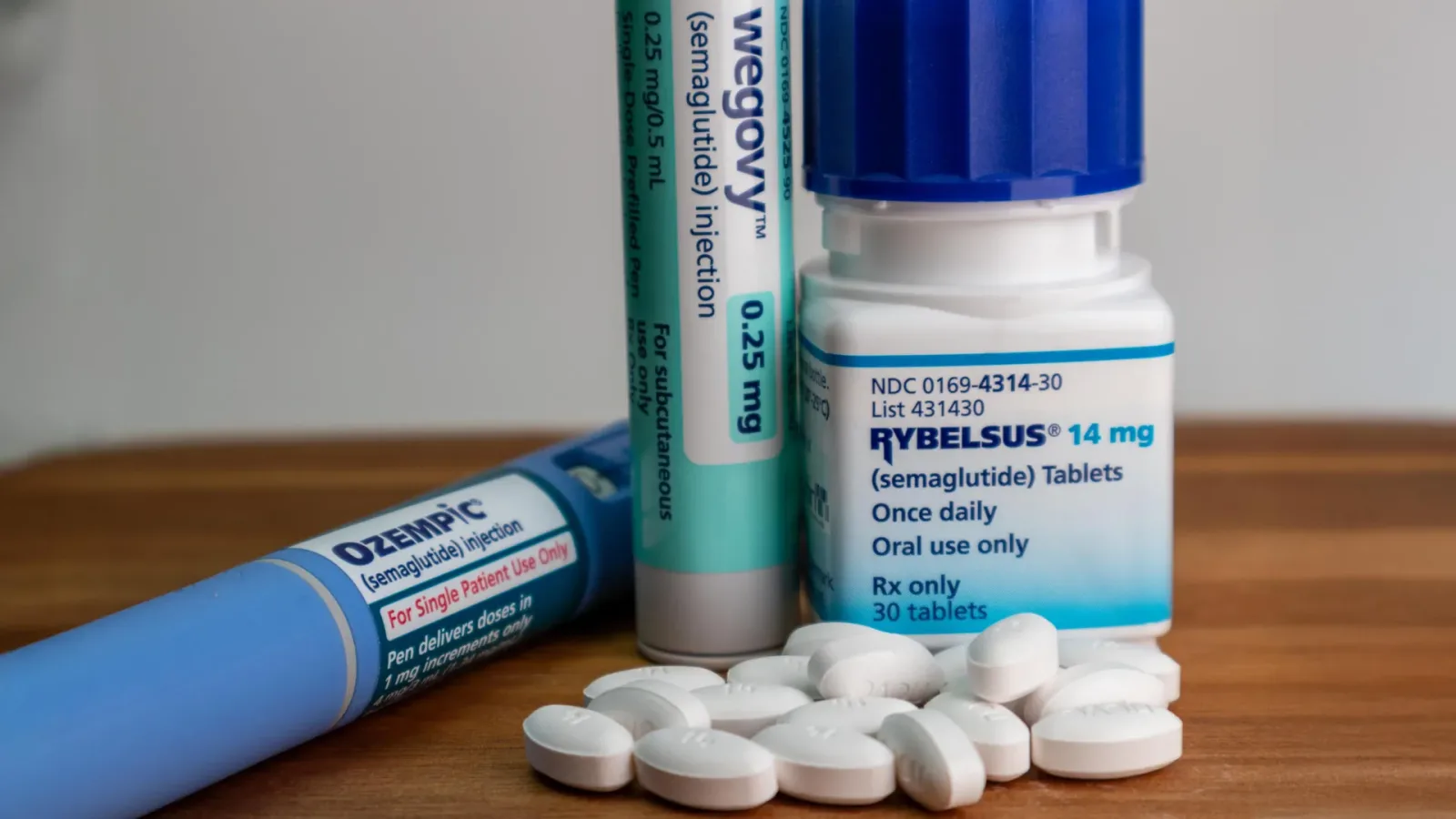
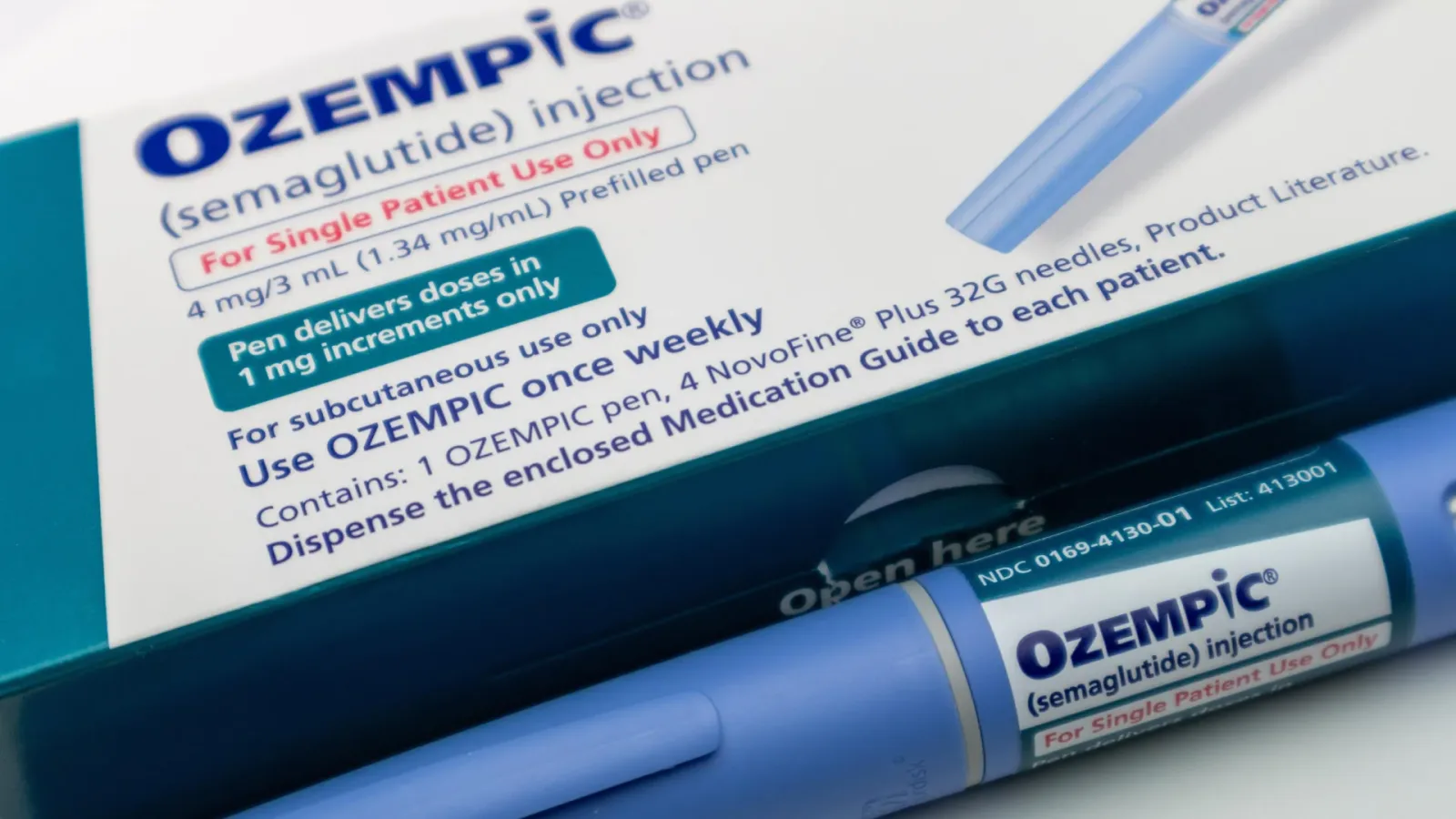
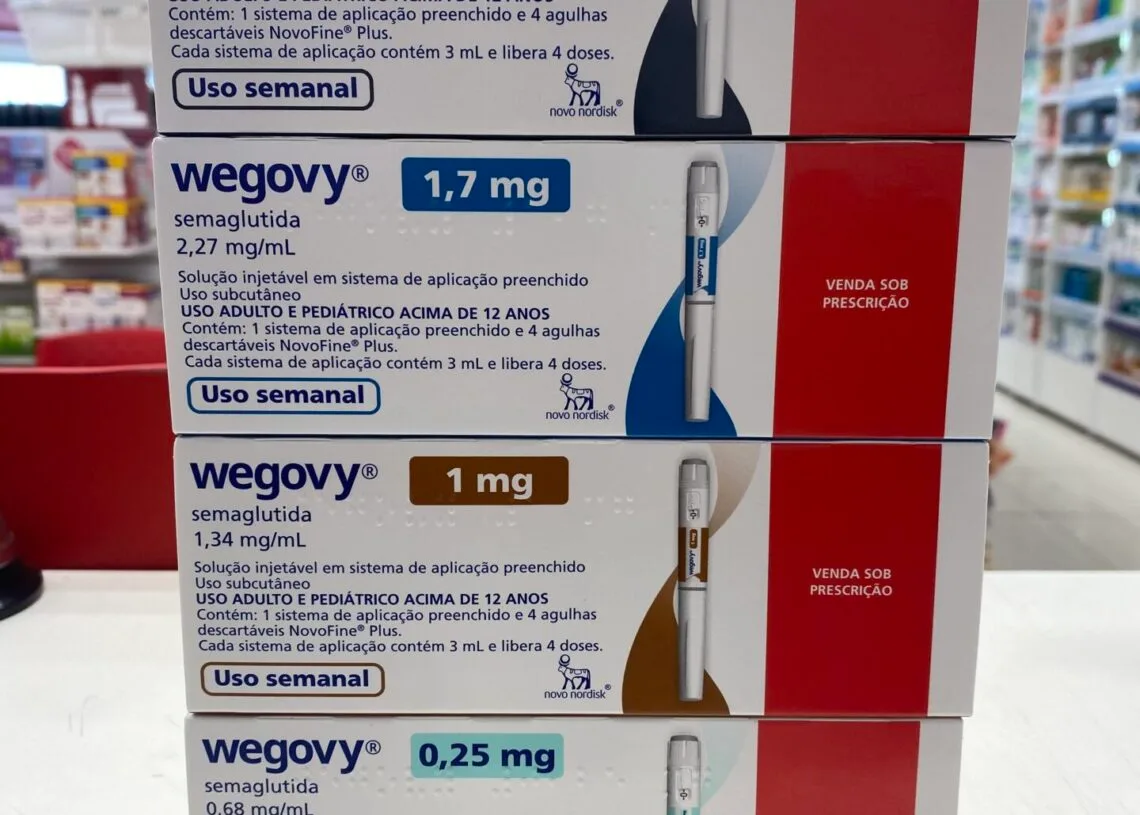
- Semaglutide injection
- Semaglutide tablets
- Liraglutide
- Tirzepatide
- Dulaglutide
- Exenatide
- Exenatide extended release
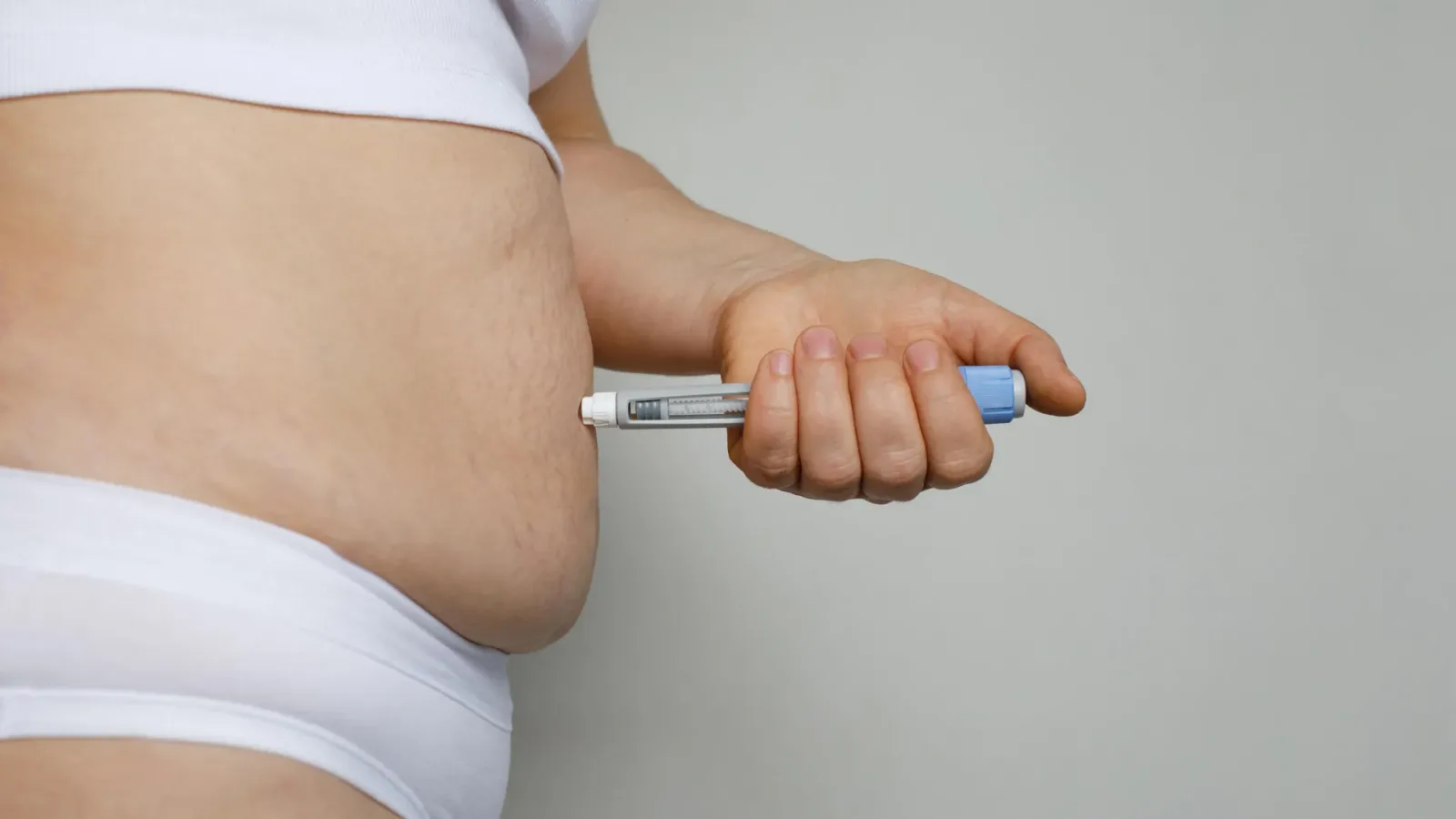
Most are administered via pre-filled injection pens, though some like oral semaglutide are available in tablet form.
Risks and Side Effects of GLP-1 Drugs
GLP-1 drugs must be taken under medical supervision. Misuse without clinical oversight can lead to severe health complications. Side effects range from mild to serious, including nausea, dizziness, pancreatitis, medullary thyroid cancer, kidney injury, and bowel obstruction.
These medications may also complicate various health conditions. Patients considering GLP-1 therapy should discuss their full medical history with a doctor to weigh benefits against risks. Tools like symptom-tracking apps can help monitor side effects such as nausea or changes in appetite during treatment.
Indian Government Regulations and Enforcement
Multiple variants of GLP-1 drugs have been recently introduced in the Indian market, raising concerns over unauthorized availability. To prevent unauthorised sale, unsupervised use, and malpractices, the Drug Controller General of India (DCGI) has intensified regulatory surveillance.
In India, GLP-1 drugs can be prescribed only by endocrinologists, internal medicine specialists, and cardiologists. On March 10, 2024, a comprehensive advisory was issued to all drug manufacturers to stop misleading advertisements and promotions encouraging prescription-free use.
In recent weeks, 49 businesses were audited and inspected nationwide, including online pharmacy warehouses, drug wholesalers, retailers, and weight loss clinics. These inspections focused on violations like unauthorised sales, improper prescriptions, and misleading marketing. Notices have been issued, with stricter inspections continuing. Violators face license cancellation, fines, and legal action.
Practical Guidance for Patients
For those with type 2 diabetes or obesity, GLP-1 drugs offer a targeted approach by addressing insulin resistance and glucagon excess alongside appetite control. However, they are not a standalone solution. Combine them with lifestyle changes: aim for a BMI under 23 through diet and 150 minutes of weekly exercise.
Consult a qualified specialist before starting. Obtain medications only with a prescription from regulated channels. If experiencing side effects like persistent nausea or abdominal pain, seek immediate medical advice. Compared to insulin therapy (essential for type 1 diabetes), GLP-1 drugs provide dual benefits for blood sugar and weight but require monitoring for gastrointestinal issues.
Key Takeaways: What This Means for Patients
- GLP-1 drugs like semaglutide and liraglutide effectively manage type 2 diabetes and obesity by mimicking natural hormones.
- Serious risks necessitate medical supervision; self-medication is dangerous.
- India's guidelines enforce prescriptions by specialists only, with active crackdowns on misuse.
- Prioritize prevention through healthy weight, diet, and exercise to reduce diabetes risk.
- Regulatory actions protect public health amid rising popularity of these therapies.
Conclusion
India's guidelines on GLP-1 drugs underscore their value as a medical breakthrough for type 2 diabetes and obesity while highlighting the need for caution. With side effects from nausea to pancreatitis, supervised use is non-negotiable. Patients should consult endocrinologists or specialists, adhere to prescriptions, and embrace lifestyle measures for optimal metabolic health. Ongoing surveillance ensures safe access through legitimate channels.