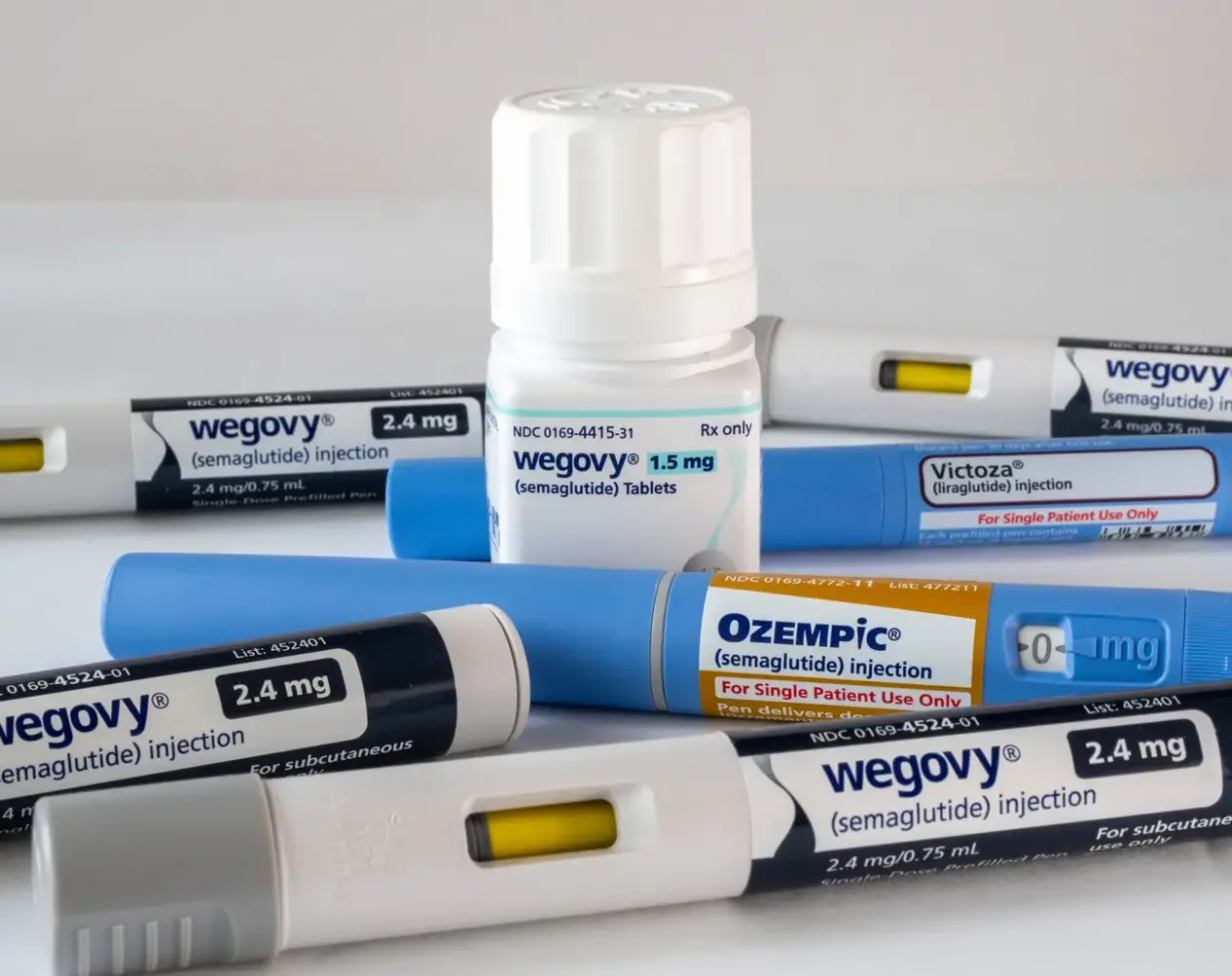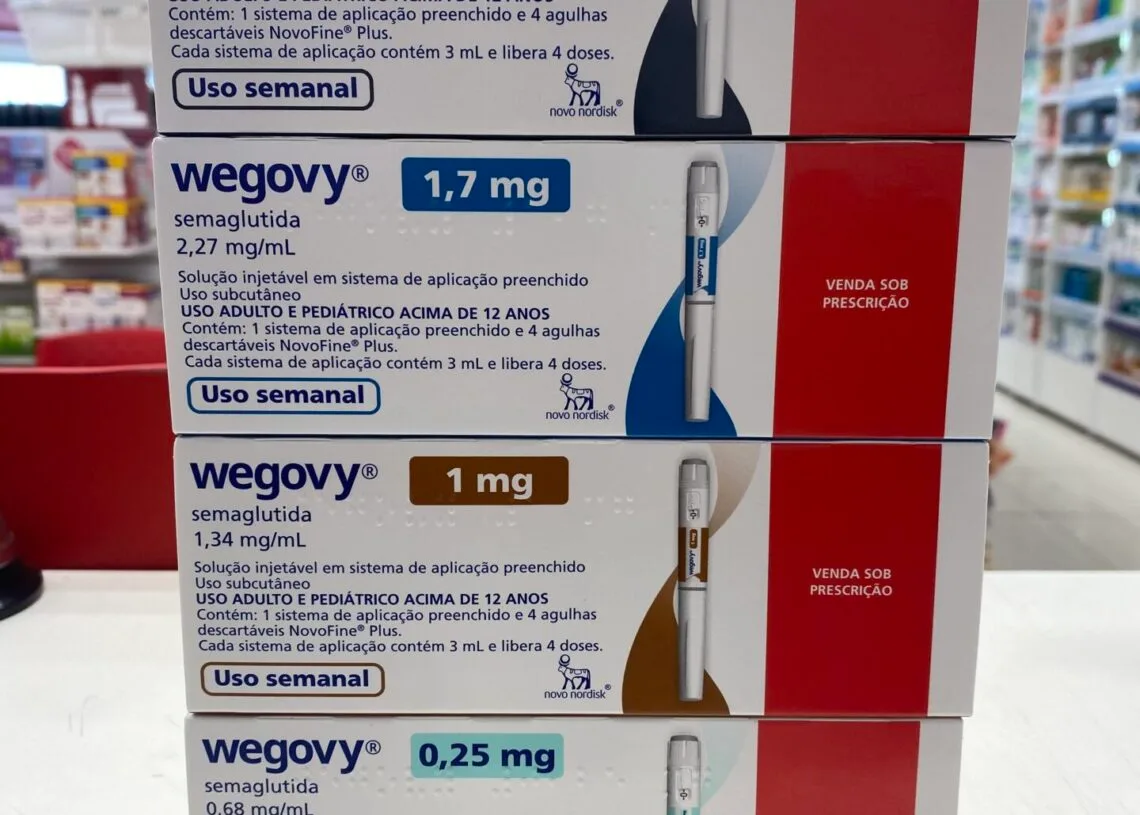

Ozempic Goes Generic Worldwide, But Not in U.S. Until 2030
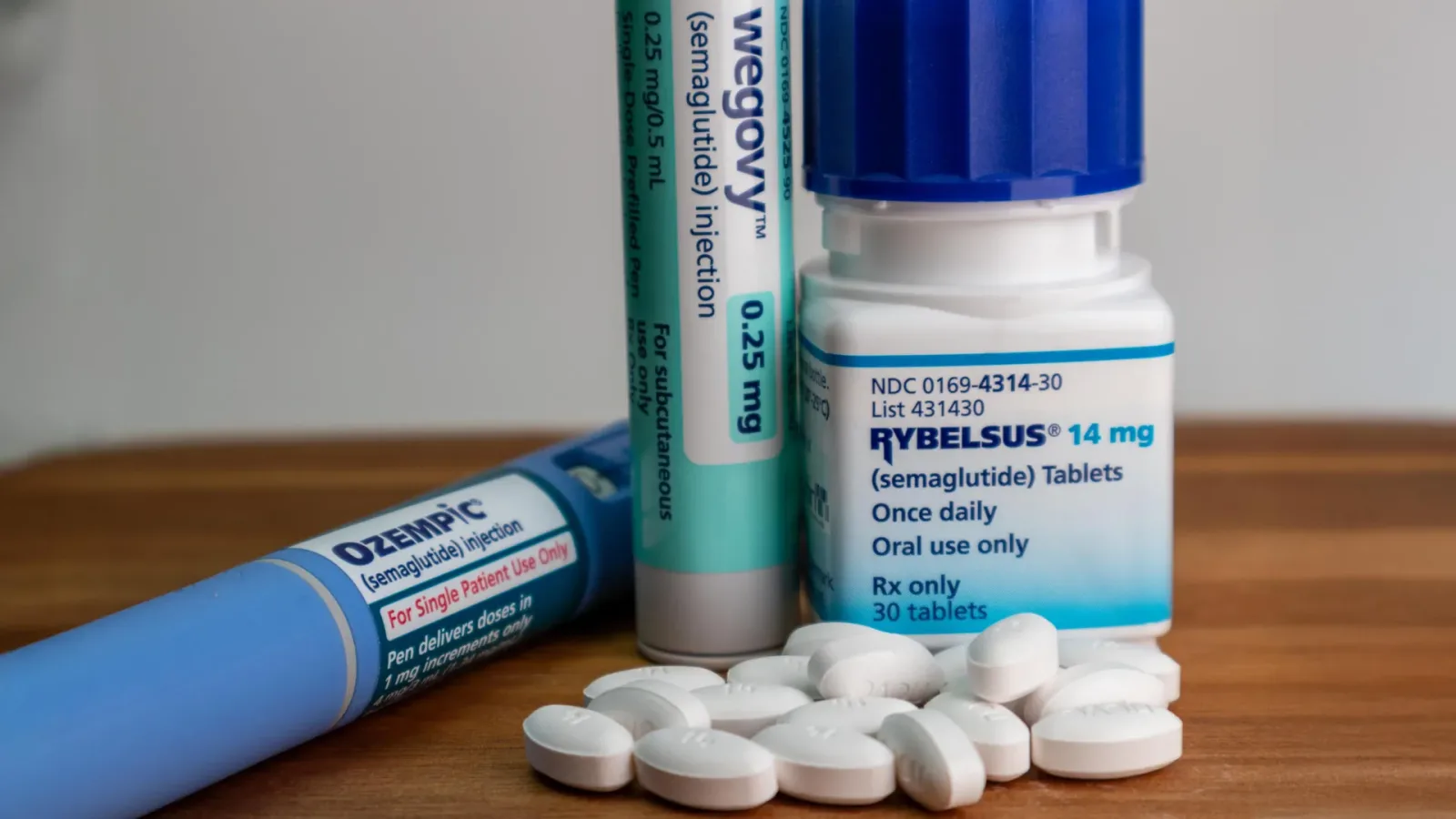
Ozempic generic versions are launching soon in major emerging markets, marking a pivotal shift for semaglutide access worldwide. Developed by Novo Nordisk, Ozempic—also marketed as Wegovy for weight management—is losing patent protection in densely populated countries like India, China, Brazil, Turkey, and South Africa. These markets represent roughly 40% of the global population, with first alternatives expected as early as this weekend in India.
The Patent Expiration Timeline for Ozempic
Semaglutide, the active ingredient in Ozempic, has revolutionized treatment for type 2 diabetes and obesity. As a GLP-1 receptor agonist, it mimics the glucagon-like peptide-1 hormone, slowing gastric emptying, reducing appetite, and improving blood sugar control. Clinical trials have also shown cardiovascular benefits, including reduced risk of heart attacks and strokes in patients with diabetes.
Pharmaceutical patents typically last 20 years from filing, but development timelines, regulatory approvals, and extensions often shorten the effective exclusivity period. In emerging markets, patent protections for Ozempic are expiring now, allowing generic manufacturers to enter. This contrasts sharply with Western markets, where extensions push generic entry to 2030 or later.
Key Markets Launching Ozempic Generics First
- India: First generics as early as this weekend.
- China, Brazil, Turkey, South Africa: Expected in the coming months.
These countries hold enormous potential demand. India and China alone have more than 800 million overweight or obese adults and over 360 million people with diabetes, per global health estimates tied to semaglutide's proven efficacy.
Price Drops, Demand Surge, and Expanded Access
The primary impact of Ozempic generics will be on pricing. Analysts predict monthly costs could fall to as low as $15, compared to hundreds of dollars in Western markets like the U.S., where prices exceed $300 without insurance. This affordability could transform obesity and diabetes management in low- and middle-income regions.
Competition is ramping up, with dozens of manufacturers preparing launches. Branded producers like Novo Nordisk are responding with price cuts and premium positioning. Access advocate Leena Menghaney, as reported by The New York Times, stated: "The availability of these drugs, which have been restricted to high-income countries to very wealthy people, will now be democratized by the generics."
For patients, this means broader access to semaglutide's benefits: sustained weight loss (up to 15-20% body weight in trials), glycemic control, and cardiovascular risk reduction. However, generics must meet bioequivalence standards to ensure safety and efficacy match the original.
Practical Guidance for Patients Considering Semaglutide
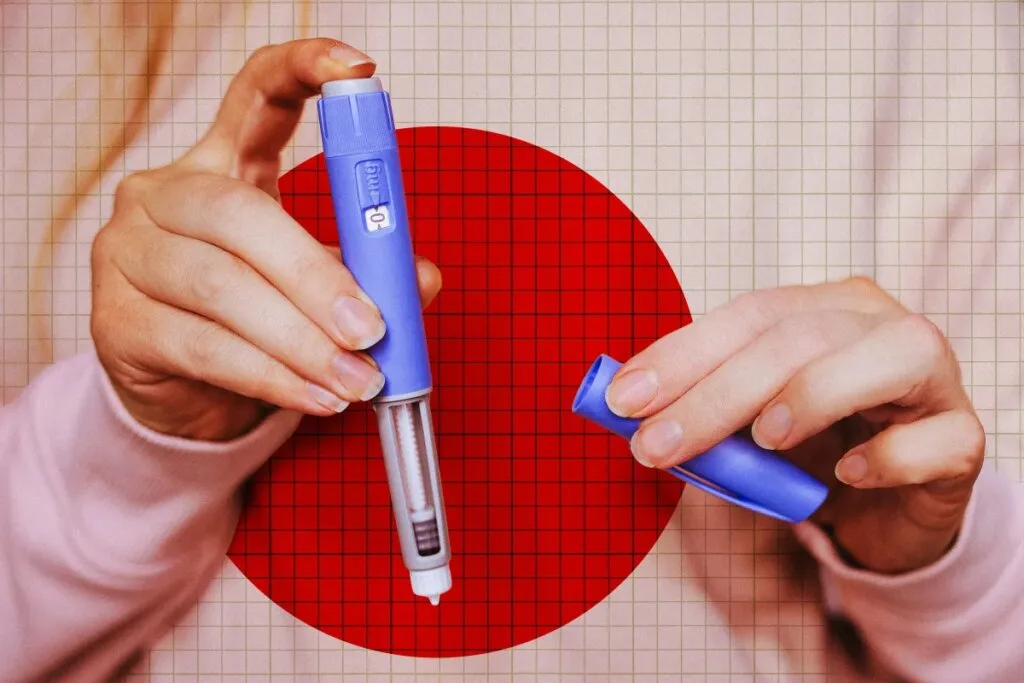
If you're in an emerging market, discuss generic Ozempic with your doctor, especially if you have obesity, type 2 diabetes, or cardiovascular risks. Start with standard dosing (0.25 mg weekly, titrating up) and monitor for side effects like nausea or gastrointestinal issues. Tools like Shotlee can help track symptoms, side effects, or injection schedules for better adherence.
Precision tracking for your journey
Join thousands using Shotlee to accurately track GLP-1 medications and side effects.
📱 Get the Shotlee App
Track your GLP-1 medications, peptides, and health metrics on the go with our mobile app!
Always verify generic quality through regulatory approvals from bodies like India's CDSCO or China's NMPA.
U.S. and Europe: Why Ozempic Generics Are Delayed
In the United States and Europe, generic Ozempic is not expected before 2030 due to patent extensions granted since the 1980s and 1990s. These protections allow companies to recoup R&D investments—semaglutide's development cost billions—but maintain high prices. The U.S. accounts for about two-thirds of global Ozempic sales.
Meanwhile, non-standardized alternatives have appeared in a regulatory gray area, leading to authority interventions. Patients here may explore compounded semaglutide under medical supervision, but FDA-approved options remain branded and costly.
Safety Considerations with Semaglutide Generics
Whether branded or generic, semaglutide carries risks like pancreatitis, gallbladder issues, or thyroid tumors (in animal studies). Common side effects include nausea, vomiting, and diarrhea, often improving over time. Contraindications include personal/family history of medullary thyroid carcinoma or multiple endocrine neoplasia syndrome type 2.
Consult healthcare providers for personalized risk assessment, especially with generics from new manufacturers.
Comparing Ozempic to Alternatives
Ozempic (semaglutide) outperforms older diabetes drugs like metformin in weight loss and CVD prevention. Compared to other GLP-1s like tirzepatide (Mounjaro/Zepbound), it has a strong track record but may see generics enter competitively. In emerging markets, generics could undercut even other GLP-1s, boosting overall adoption.
A Market in Transition: Global Implications
The end of Ozempic's monopoly in much of the world signals a competitive phase for obesity treatments. This market has exploded recently, driven by semaglutide's success. Generics will expand use, potentially preventing cardiovascular diseases in millions, but disparities persist—Western prices stay high, influencing healthcare spending and strategies.
Key Takeaways: What This Means for Patients
- Ozempic generics launch soon in India (this weekend), China, Brazil, Turkey, South Africa—prices to $15/month.
- Vast potential: 800M+ overweight/obese, 360M+ diabetics in India/China alone.
- U.S./Europe wait until 2030; current costs >$300/month.
- Semaglutide transforms obesity/diabetes care via GLP-1 mechanism; monitor safety.
- Discuss with doctors; generics democratize access per experts like Leena Menghaney.
Conclusion: Actionable Insights on Ozempic Generics
Ozempic's generic rollout in emerging markets promises affordable semaglutide for billions, enhancing metabolic health outcomes. U.S. patients should explore insurance, patient assistance, or alternatives while advocating for faster access. Stay informed on regulatory updates and consult providers to leverage these GLP-1 advancements safely.