
The Hidden Cost of Rapid Weight Loss: GLP-1s and Hormonal Shifts
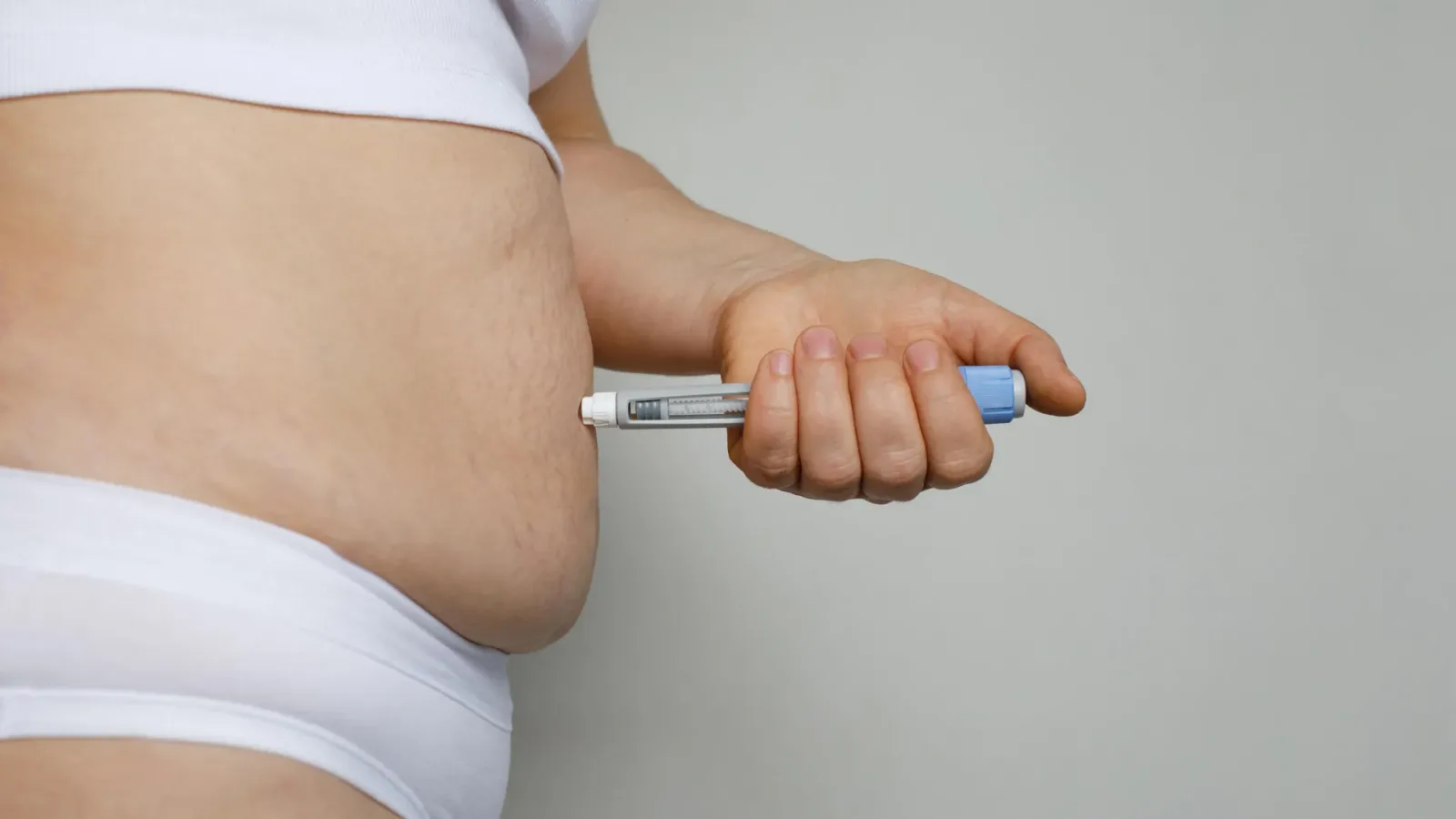
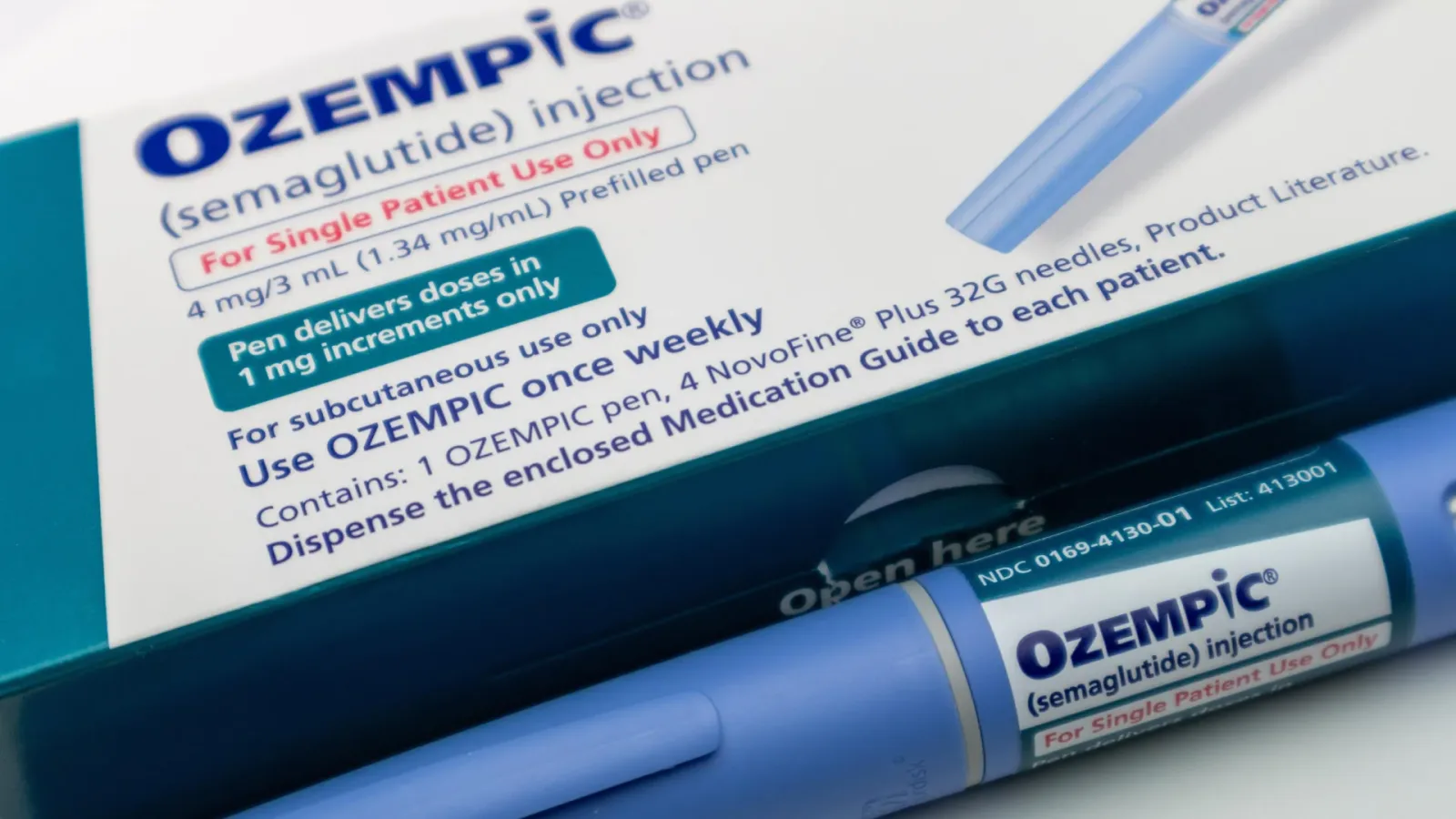
The transformative power of GLP-1 receptor agonists—medications like Ozempic, Wegovy, Mounjaro, and Zepbound—for weight management is undeniable. Patients are achieving impressive results, shedding significant body weight, and seeing metabolic markers improve. However, within online communities dedicated to health and aging, a concerning pattern is emerging:
A woman loses 25 pounds on her GLP-1 therapy, does everything right, but suddenly feels worse. Her hot flashes intensify, she wakes at 2 a.m. unable to return to sleep, and her mood becomes erratic. When she asks her physician, the response is often dismissive: 'It's probably just the adjustment period.'
This scenario, frequently discussed in forums like Reddit's r/Menopause, highlights a critical gap in current GLP-1 prescribing practices. The issue isn't necessarily a direct side effect of the drug itself, but rather the profound physiological impact of rapid fat loss intersecting with the delicate hormonal landscape of perimenopause and menopause. For many prescribers focused primarily on metabolic outcomes, this hormonal interplay remains an unaddressed variable.
Understanding Adipose Tissue: The Body’s Estrogen Backup System
To understand why rapid weight loss can destabilize hormonal health in midlife women, we must first examine the role of fat tissue, or adipose tissue, in estrogen production.
Aromatase and Estrogen Conversion
Fat tissue is not inert storage; it is an active endocrine organ. It contains the enzyme aromatase, which converts androgens (male hormones) into estrogen. As women naturally transition through perimenopause and into menopause, ovarian estrogen production declines significantly. In this phase, the estrogen produced by adipose tissue becomes the body’s primary, and sometimes sole, source of circulating estrogen.
Research indicates that the expression of the aromatase gene in adipose tissue is significantly higher in postmenopausal women compared to premenopausal women, demonstrating the body's reliance on this system as ovarian function wanes. When women utilize highly effective peptide therapies like semaglutide or tirzepatide to shed substantial fat mass—sometimes 20% or more of total body weight—they are effectively reducing this crucial estrogen source.
Dr. Jessica Duncan, Chief Medical Officer at Ivim Health, notes that intentional weight loss in postmenopausal women has been shown to reduce estradiol levels. While it is still debated whether GLP-1s drive these hormonal changes solely through accelerated weight loss or via a direct mechanism, the clinical reality is that the hormonal shift occurs.
“This is clinically real and routinely missed,” states Dr. Duncan. “Most GLP-1 prescribers are focused on metabolic outcomes, which makes sense. But they're not always thinking about what rapid fat loss means hormonally for a woman who's already in perimenopause or close to it. Those are not two separate conversations—they're the same conversation.”
The Perimenopause Collision: Symptoms Misattributed
Women starting GLP-1 therapy in their 40s and early 50s are often already experiencing the natural, fluctuating decline of estrogen and progesterone that defines perimenopause. The weight loss induced by Wegovy or Mounjaro does not cause this decline, but it can dramatically accelerate the shift toward lower estrogen levels, potentially pushing a woman into a symptomatic state faster than anticipated.
The resulting symptoms are easily misattributed:
- Worsened Hot Flashes: A sudden drop in baseline estrogen can trigger or intensify vasomotor symptoms.
- Sleep Deterioration: Night sweats and early-morning awakenings become more pronounced.
- Mood Instability: Fluctuations in sex hormones are closely linked to anxiety, irritability, and unpredictable mood swings.
- Libido Changes: A notable drop in sexual desire can accompany hormonal reduction.
Because these symptoms mimic both typical medication side effects and the expected progression of menopause, they are often waved off as temporary or normal. This leaves patients feeling frustrated: they achieved their weight goal but feel physically worse than before they started treatment.
The Critical Role of Sleep Disruption
Sleep disruption is perhaps the most consequential, yet underestimated, consequence. A systematic review of 86 studies published in Sleep Medicine Reviews confirmed strong evidence linking declining perimenopausal estrogen and progesterone levels directly to increased nighttime wakefulness and reduced total sleep time. Poor sleep, in turn, elevates the stress hormone cortisol, disrupts hunger hormones (like ghrelin and leptin), and can actively work against a patient's metabolic goals.
When a patient on Semaglutide begins waking consistently at 2 a.m. and cannot return to sleep, this should not automatically be filed under 'adjustment period' but rather recognized as a potential hormonal signal requiring investigation.
Why Prescribers May Miss the Connection
The primary reason this hormonal impact is often overlooked stems from the origins and typical prescribing demographic of these medications. GLP-1s were researched and approved primarily through a metabolic lens: A1C reduction, cardiovascular risk mitigation, and BMI reduction.
Precision tracking for your journey
Join thousands using Shotlee to accurately track GLP-1 medications and side effects.
📱 Get the Shotlee App
Track your GLP-1 medications, peptides, and health metrics on the go with our mobile app!
The majority of initial prescriptions are written by primary care providers or telehealth platforms, disciplines that may not possess the deep expertise in hormonal health typically held by gynecologists or specialized endocrinologists.
Furthermore, biological differences between sexes are sometimes ignored in broad treatment protocols. Research suggests that endogenous sex hormones, particularly estrogen, modulate GLP-1 receptor expression in the hypothalamus. Studies have shown that women often experience both greater weight loss and a higher incidence of side effects compared to men on the same agonists.
Dr. Duncan emphasizes the need for a proactive approach:
“If I'm seeing a woman in her 40s starting a GLP-1, I want to know where she is hormonally before we begin. Is she having symptoms of hormonal decline? How is she sleeping? Has she noticed changes in her cycle? I want that baseline, because if we're going to drive significant fat loss, I want to understand what that's going to mean for her specifically—not just her weight, but how she's going to feel.”
This standard—establishing a hormonal baseline before treatment and monitoring changes as weight loss progresses—is not yet standard practice across the board.
Integrating Hormonal Health into GLP-1 Therapy
For women in their late 30s through their 50s considering or currently using GLP-1s, integrating hormonal awareness is crucial for optimizing well-being alongside weight loss. It requires a shift from viewing weight loss as the sole metric of success.
Key Considerations and Data Points
While extensive testing isn't necessary before starting therapy, open communication with your provider is essential. If symptoms arise, tracking them diligently—using tools like the Shotlee app to log sleep quality, mood fluctuations, and specific symptoms alongside weight and dose—provides objective data for discussion.
When discussing potential hormonal shifts with your clinician, consider these factors:
| Symptom Cluster | Potential Hormonal Link | Actionable Data Point |
|---|---|---|
| Worsening Night Sweats/Insomnia | Estrogen/Progesterone Decline | Time of night waking, severity rating (1-10) |
| Unexplained Fatigue/Mood Swings | Cortisol elevation due to poor sleep, hormone shifts | Daily mood score, energy level tracking |
| Rapid Weight Loss (>15% Total) | Reduction in primary estrogen source (adipose tissue) | Total weight lost since starting therapy |
If symptoms are prominent, targeted lab work may be appropriate, including estradiol, FSH, and progesterone, ideally timed relative to the menstrual cycle if still menstruating. Thyroid function should also be ruled out if fatigue and mood changes are severe.
The Future: Combined Therapy Approaches
Emerging research suggests that treating hormonal health and weight simultaneously yields superior results. A retrospective cohort study published in The Lancet in January 2026, conducted at the Mayo Clinic, followed postmenopausal women on tirzepatide. The findings were striking:
- Women receiving concurrent Menopause Hormone Therapy (MHT) lost 35% more total body weight than those on tirzepatide alone.
- Weight loss at 15 months was 17% for the combined group versus 14% for the monotherapy group.
- The combined group also showed improved cardiometabolic outcomes.
This study is one of the first to suggest that hormone therapy can act as a modifier of GLP-1 efficacy, indicating that treating both systems together may be more effective than treating either in isolation.
Practical Takeaways for GLP-1 Users
If you are a woman navigating midlife while using GLP-1 therapy, remember these key points:
- Baseline Awareness: Recognize that rapid fat loss impacts estrogen levels, especially if you are perimenopausal.
- Symptom Tracking is Crucial: Do not dismiss worsening hot flashes, sleep issues, or mood changes as 'just the drug.' Track them meticulously.
- Advocate for Deeper Testing: If symptoms persist past the initial adjustment phase, ask your provider to consider hormonal markers alongside metabolic panels.
- Holistic View: Weight loss and hormonal health are intrinsically linked. Optimal health means feeling good, not just hitting a number on the scale.
Conclusion
The introduction of powerful weight loss medications like Ozempic and Mounjaro marks a significant medical advancement. However, their efficacy must be balanced with a comprehensive understanding of female physiology. For women in the perimenopausal transition, rapid weight loss can trigger or exacerbate hormonal symptoms that are frequently misdiagnosed or ignored. By fostering open dialogue with providers and tracking symptoms rigorously, patients can ensure their journey toward metabolic health does not come at the unexpected cost of their hormonal well-being.