
Shotlee LogoShotlee
Blog
Download on theApp Store
Get it onGoogle Play
Skip to main content
Beyond Weight Loss: GLP-1 Drugs and Unexpected Changes to Taste and Smell - Featured image
Medication Insights

Beyond Weight Loss: GLP-1 Drugs and Unexpected Changes to Taste and Smell

Dr. Adrian Vale, MD
Reviewed by Dr. Adrian Vale, MDInternal Medicine · Board-Certified Obesity Medicine
·June 25, 2026·6 min read

On this page

  • The Sensory Shift: Unpacking New Side Effects of GLP-1 Therapies
  • New Research Highlights Sensory Disturbances in GLP-1 Users
  • The Biological Connection: How GLP-1s Might Affect the Nervous System
  • Contextualizing Sensory Loss: Weight Loss vs. Medication Effects
  • Tracking Your Journey: Monitoring Sensory Health During Treatment
  • Conclusion: Balancing Breakthrough Treatment with Vigilant Monitoring
  • Identifying the Sensory Changes
  • The Pre-Existing Problem of Sensory Dysfunction
  • Practical Next Steps

Track Smart

Calculate active GLP-1 levels automatically with Shotlee.

Download →

The revolutionary GLP-1 medications, celebrated for their efficacy in diabetes and weight management, are now being scrutinized for a less-discussed side effect: alterations in our senses of smell and taste. A recent study suggests a tangible link between these peptide therapies and sensory disturbances.

Share

On this page

  • The Sensory Shift: Unpacking New Side Effects of GLP-1 Therapies
  • New Research Highlights Sensory Disturbances in GLP-1 Users
  • The Biological Connection: How GLP-1s Might Affect the Nervous System
  • Contextualizing Sensory Loss: Weight Loss vs. Medication Effects
  • Tracking Your Journey: Monitoring Sensory Health During Treatment
  • Conclusion: Balancing Breakthrough Treatment with Vigilant Monitoring
  • Identifying the Sensory Changes
  • The Pre-Existing Problem of Sensory Dysfunction
  • Practical Next Steps

The Sensory Shift: Unpacking New Side Effects of GLP-1 Therapies

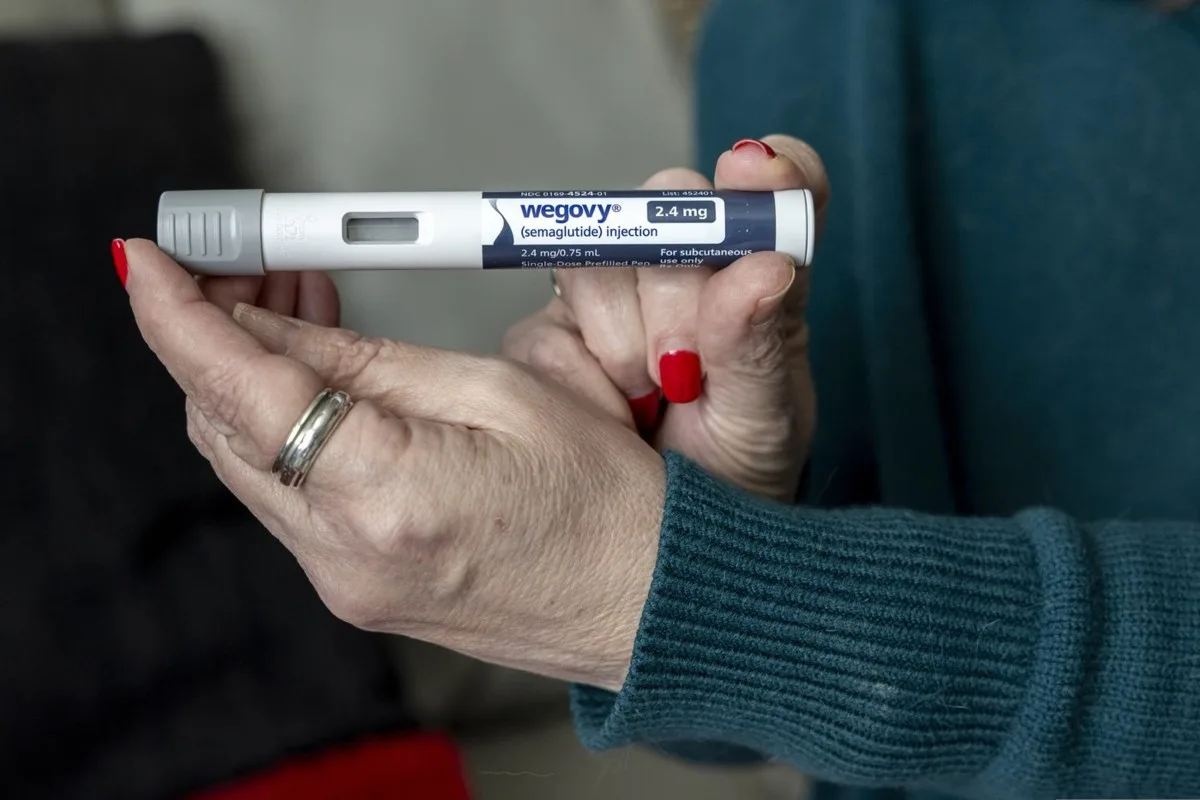
The rise of GLP-1 receptor agonists—medications like Ozempic (semaglutide), Wegovy, Mounjaro (tirzepatide), and Zepbound—has fundamentally changed the landscape of managing Type 2 diabetes and obesity. With an estimated 1 in 8 adults in the U.S. now utilizing these powerful injectable treatments, their impact on public health is undeniable.

While users commonly report gastrointestinal distress, sulfurous burping, and significant weight loss, a more subtle, yet potentially concerning, side effect is emerging from recent scientific inquiry: changes in the perception of smell and taste.

For many embarking on a health journey with these medications, the focus remains squarely on the scale. However, this latest research suggests that the mechanism of action for GLP-1s may extend beyond appetite regulation, influencing the intricate neural pathways governing our senses.

New Research Highlights Sensory Disturbances in GLP-1 Users

Limited clinical reporting previously existed regarding taste and smell issues among GLP-1 users. This gap has now been partially filled by a significant study published in the JAMA Network, which utilized extensive electronic health record (EHR) data.

Researchers focused on adults aged 18 and older who were diagnosed with Type 2 diabetes and had no pre-existing history of smell or taste disturbances. By tracking these individuals over periods ranging from two months to three years, the study established a clear association.

Identifying the Sensory Changes

The findings indicated that patients initiated on GLP-1 medications demonstrated an increased risk of developing sensory alterations compared to control groups who were not taking the drugs. These changes were not uniform but spanned several recognized sensory dysfunctions:

  • Anosmia: The complete loss of the ability to smell.
  • Parosmia: A distortion of smell, often causing otherwise pleasant odors to smell foul, chemical, or metallic.
  • Parageusia: A distortion of taste, where food tastes incorrect, or a phantom flavor persists even when nothing is being consumed.
  • Unspecified Changes: Other general alterations in sensory perception.

The study authors concluded that these findings underscore the necessity for increased clinical awareness and monitoring among prescribers. As they noted, “This study suggests that GLP-1RA therapy is associated with a higher risk of smell and taste disturbance, highlighting the need for closer monitoring and greater public health awareness.”

The Biological Connection: How GLP-1s Might Affect the Nervous System

Why would a medication designed to mimic a gut hormone affect how we perceive the world through scent and flavor? Researchers hypothesize that the answer lies in the drug’s interaction with the nervous system.

GLP-1, the natural hormone mimicked by these drugs, is not confined to the digestive tract. It is widely expressed and secreted throughout the body’s neural networks. This widespread presence suggests a plausible pathway for the medication to exert effects on either the central nervous system (brain and spinal cord) or the peripheral nervous system (nerves outside the brain and spinal cord).

The potential for GLP-1s to influence sensory processing suggests a broader impact on neurological function than previously emphasized in standard prescribing information, necessitating deeper investigation into their systemic effects.

While this initial research establishes an association, further validation is required to pinpoint the exact mechanism by which semaglutide or tirzepatide might interfere with olfactory or gustatory receptors or processing centers.

Contextualizing Sensory Loss: Weight Loss vs. Medication Effects

It is crucial to differentiate the effects of the medication itself from the physiological changes accompanying significant weight loss. Experts point out that rapid or substantial weight reduction, regardless of the method, can sometimes temporarily impact sensory functions.

Precision tracking for your journey

Join thousands using Shotlee to accurately track GLP-1 medications and side effects.

📱 Get the Shotlee App

Track your GLP-1 medications, peptides, and health metrics on the go with our mobile app!

Download on theApp Store
Get it onGoogle Play

Generally, if sensory changes are secondary to metabolic shifts from weight loss, these functions are expected to normalize as the body stabilizes at its new weight.

The Pre-Existing Problem of Sensory Dysfunction

It is important to note that smell and taste dysfunction are already common public health concerns, especially as we age. According to the NHS, an estimated 12% of the U.S. population experiences some form of smell impairment, a condition that disproportionately affects older adults.

The implications of these baseline issues are significant, as sensory loss is increasingly linked to severe health outcomes. For instance, poor sense of smell has been correlated with an increased risk of developing heart disease within four years, and it is also recognized as a potential early indicator of dementia.

Similarly, taste dysfunction (dysgeusia) affects an estimated 19% of older Americans. Loss of taste is not merely an inconvenience; it can signal underlying neurodegenerative diseases like Alzheimer’s or cardiovascular events such as stroke or heart failure. Furthermore, altered taste perception can lead to dangerous dietary imbalances—for example, reduced sensitivity to salt might prompt excessive intake, elevating blood pressure.

The risks extend beyond chronic disease. The inability to detect hazards like a gas leak or smoke from a fire due to anosmia presents an immediate, life-threatening danger.

Tracking Your Journey: Monitoring Sensory Health During Treatment

If you are utilizing GLP-1 therapies for managing diabetes or achieving weight goals, proactive health tracking is essential. While side effects like nausea are often logged immediately, sensory changes can be insidious and easily dismissed as part of the general adjustment period.

For individuals using digital health tools, documenting these changes alongside other metrics—such as dose adjustments, weight changes, and GI symptoms—provides valuable data for your healthcare provider. Tools that allow for detailed symptom logging can help establish a timeline between starting the medication and noticing sensory shifts.

Sensory Change Description Potential Significance
Anosmia Complete loss of smell. Safety risk (gas leaks, spoiled food); potential neurological marker.
Parosmia Smells are distorted (e.g., coffee smells like gasoline). Significant impact on quality of life and appetite.
Parageusia Taste is distorted or phantom flavors are present. Can lead to nutritional deficiencies (e.g., over-salting food).

Practical Next Steps

Experts universally recommend immediate consultation with your prescribing physician if you notice any persistent or troubling changes to your sense of smell or taste. Do not stop or alter your prescription without medical guidance. Your doctor can help determine if the symptoms are likely medication-related, weight-loss related, or indicative of an underlying condition requiring separate attention.

Conclusion: Balancing Breakthrough Treatment with Vigilant Monitoring

GLP-1 medications represent a monumental advance in metabolic health, offering profound benefits for millions. However, as their usage expands, the spectrum of potential side effects continues to broaden. The emerging data linking semaglutide and tirzepatide to disturbances in smell and taste serves as a crucial reminder that these are potent pharmacological agents affecting complex biological systems.

For patients, this means prioritizing holistic health tracking. While enjoying the benefits of weight management or improved glycemic control, maintaining open communication with your healthcare team about *all* changes—even those as seemingly minor as a phantom taste—is paramount to ensuring a safe and effective treatment experience.
?Frequently Asked Questions

Are changes in smell or taste common side effects of GLP-1 drugs?

While gastrointestinal issues are common, changes in smell (anosmia) and taste (parageusia) are less frequently reported but are now supported by research suggesting an increased risk among users compared to non-users.

What is the potential reason GLP-1s might affect smell and taste?

Researchers suggest the effect may be linked to the drug's absorption into the nervous system, as GLP-1 is widely expressed and secreted within both the central and peripheral nervous systems.

If I experience a loss of smell on Wegovy, will it ever return?

If the sensory change is temporary and related to metabolic shifts from weight loss, the senses typically return once weight stabilizes. If it is directly linked to the medication's action, consult your doctor, as the effect may resolve after stopping the therapy.

What is parosmia, and is it linked to these weight loss medications?

Parosmia is a distortion of smell where familiar scents smell foul or chemical. Recent studies indicate that patients on GLP-1 therapies may experience an increased risk of this and other sensory disturbances.

Should I stop taking my GLP-1 medication if I notice a change in taste?

No. You should immediately contact your prescribing physician to discuss the change. They can evaluate whether the symptom is related to the medication, weight loss, or another underlying health factor before any dosage adjustment is made.

Source Information

Originally published by New York Post.Read the original article →

Read next

Keep exploring

More on Ozempic

Articles covering Ozempic dosing, side effects, and clinical updates.

Peptides and Health: The Truth Behind the Beauty and Weight Loss Claims
Medical Insights

Peptides and Health: The Truth Behind the Beauty and Weight Loss Claims

Peptides are the newest buzzword in health and beauty, promising everything from wrinkle reduction to profound weight loss. But does the science actually back up the claims, and are they safe?

7 min read
Svemia Approved: What Canada's New Semaglutide Generic Means for You
Medical News

Svemia Approved: What Canada's New Semaglutide Generic Means for You

Canada's Health Department has cleared Apotex's Svemia, marking a major milestone for generic semaglutide availability and weight loss treatment access.

7 min read
Ozempic, Wegovy, Mounjaro: How Do They Affect Mental Health?
Health & Wellness

Ozempic, Wegovy, Mounjaro: How Do They Affect Mental Health?

New research sheds light on the neuropsychiatric effects of popular weight loss medications like semaglutide and tirzepatide. Discover how these treatments may influence anxiety, depression, and other mental health outcomes.

7 min read

Same topic: GLP-1 Receptor Agonists

All GLP-1 Receptor Agonists articles →
GLP-1 Drugs for Alcohol Use Disorder: The Future of Addiction Treatment?
Medical Innovation

GLP-1 Drugs for Alcohol Use Disorder: The Future of Addiction Treatment?

GLP-1 receptor agonists, widely known for their efficacy in weight management and type 2 diabetes, are showing remarkable promise in addressing Alcohol Use Disorder (AUD). Emerging research suggests these injectable therapies may fundamentally alter the brain's reward pathways, offering a novel pharmaceutical path for those struggling with heavy drinking.

6 min read
GLP-1 Drugs Show New Promise in Cardiovascular Procedures
Cardiology

GLP-1 Drugs Show New Promise in Cardiovascular Procedures

New research suggests that GLP-1 receptor agonists, known for their roles in diabetes and weight management, may offer significant cardiovascular protection for patients undergoing complex procedures like TAVR and carotid artery stenting.

7 min read
Aston University Investigates Weight-Loss Drugs for PCOS Treatment
PCOS Research

Aston University Investigates Weight-Loss Drugs for PCOS Treatment

A gynaecologist at Aston University has won a £60,000 NHS research grant to probe the potential of weight-loss drugs like Ozempic and Mounjaro in treating polycystic ovary syndrome (PCOS). This initiative aims to evaluate their impact on metabolic health and fertility in affected women. Discover the project's details and why it matters for patient care.

6 min read

More in Medication Insights

Ozempic, Wegovy, Mounjaro: Your Health Journey & What to Track
Health & Wellness

Ozempic, Wegovy, Mounjaro: Your Health Journey & What to Track

The rise of GLP-1 medications like Ozempic, Wegovy, and Mounjaro has revolutionized weight management and metabolic health for millions. But beyond the prescription, embarking on this journey requires mindful tracking of your progress, symptoms, and overall well-being. This guide explores what you should be paying attention to, offering practical insights for both patients and the natural health industry.

7 min read
Beyond Ozempic: Exploring the Expanding World of Peptide Therapeutics
Health & Wellness

Beyond Ozempic: Exploring the Expanding World of Peptide Therapeutics

Peptides are making waves in health and wellness, driven by the success of medications like Ozempic. This article delves into what peptides are, their growing applications, and the exciting future of peptide therapy.

8 min read
Beyond the Rx: Mastering Metabolic Health with or Without GLP-1s
Health & Wellness

Beyond the Rx: Mastering Metabolic Health with or Without GLP-1s

GLP-1 medications have revolutionized weight loss and diabetes management, but true metabolic health hinges on sustainable lifestyle changes. Discover how to improve your health, with or without these powerful tools.

7 min read
Share this article
  1. Home
  2. Blog
  3. Beyond Weight Loss: GLP-1 Drugs and Unexpected Changes to Taste and Smell
Dr. Adrian Vale, MD — Internal Medicine · Board-Certified Obesity Medicine
Medically reviewed

Dr. Adrian Vale, MD

Internal Medicine · Board-Certified Obesity Medicine

Dr. Adrian Vale is a board-certified internal medicine physician with a clinical focus on obesity medicine and metabolic health. He reviews Shotlee guides and articles on GLP-1 medications, peptide therapy, and weight-management protocols for clinical accuracy.

View all articles reviewed by Dr. Adrian Vale, MD
Shotlee LogoShotlee

Your comprehensive health tracking companion. Track, analyze, and optimize your journey with advanced metrics and community support.

Product

  • Medication Trackers
  • Health Guides
  • Calculators
  • Compare Medications
  • Pricing

Resources

  • Health Blog
  • Support Center

Legal

  • Privacy Policy
  • Terms of Service
  • Community Guidelines
  • Refund Policy

© 2026 Shotlee. All rights reserved.

Made with for the community♥ for the community