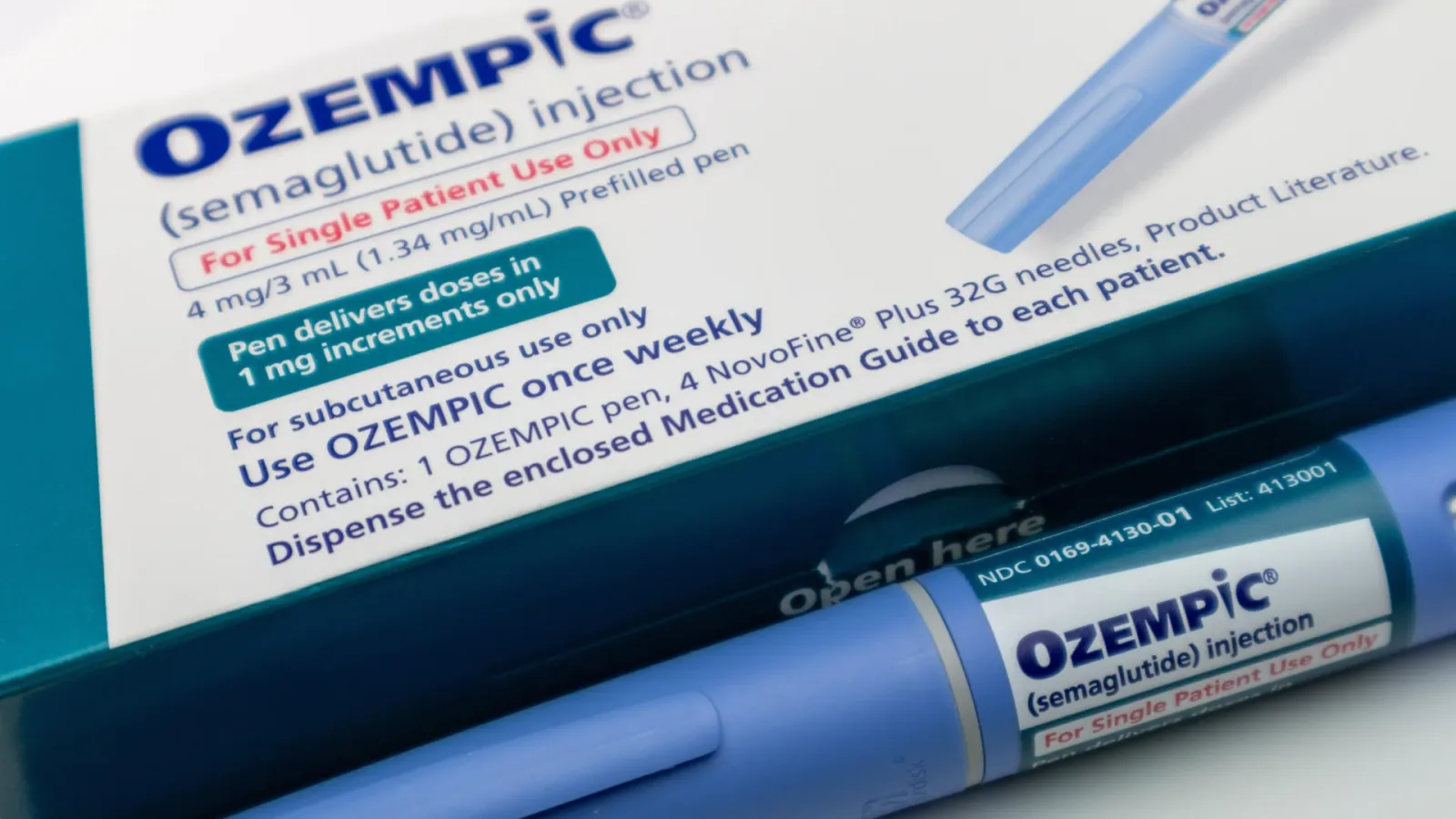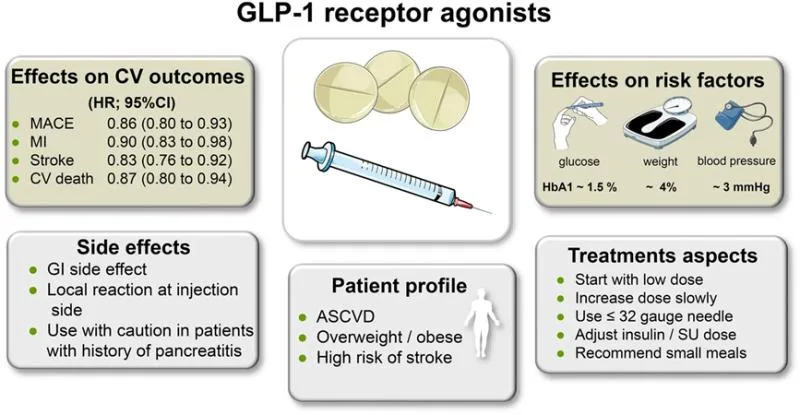

The landscape of cardiovascular treatment is continuously evolving, and recent findings are highlighting the expanding role of GLP-1 receptor agonists (GLP-1 RAs) beyond their established benefits for diabetes and weight management. These powerful medications, including popular drugs like semaglutide (Ozempic, Wegovy) and tirzepatide (Mounjaro, Zepbound), are now showing promising results as adjunctive therapies in patients undergoing high-risk cardiovascular procedures such as transcatheter aortic valve replacement (TAVR) and carotid artery stenting (CAS).
Two observational studies, presented at the Society for Cardiovascular Angiography and Interventions (SCAI) annual meeting and published in JSCAI, suggest that GLP-1 RAs can lead to substantial reductions in adverse cardiovascular events and even mortality in these patient populations. These findings are particularly noteworthy as they extend the known cardiovascular protective effects of GLP-1 RAs to individuals with structural heart disease and those at risk of stroke.
Tirzepatide and TAVR: Reducing Heart Failure After Valve Replacement
Transcatheter aortic valve replacement (TAVR) has revolutionized the treatment of aortic stenosis, offering a less invasive option for many patients. However, the risk of post-procedural complications, particularly heart failure (HF) and acute kidney injury, remains a concern. A study led by Dr. Ibrahim Mortada and colleagues from the University of Texas Medical Branch investigated the impact of tirzepatide, a dual GIP/GLP-1 receptor agonist, when used as an adjunct therapy in patients undergoing TAVR.
Key Findings in the TAVR Cohort
The retrospective analysis examined electronic health record data from adults with obesity who underwent TAVR between 2020 and 2025. Patients who initiated tirzepatide within one year after TAVR were compared to those who did not use the medication. After propensity score matching to account for baseline differences, the results were compelling:
- Reduced Heart Failure Events: Patients treated with tirzepatide experienced significantly fewer heart failure events in the year following TAVR compared to non-users (44.9% vs. 55.3%). The hazard ratio was 0.68, indicating a 32% reduction in risk.
- Signal of Reduced Acute Kidney Injury: There was also a notable trend towards reduced acute kidney injury in the tirzepatide group (9.7% vs. 17.1%), with a hazard ratio of 0.63.
- No Significant Impact on Atherosclerotic Events: Importantly, the benefits of tirzepatide in this context appeared specific to HF and renal pathways, with no statistically significant improvements observed in acute myocardial infarction (MI) or ischemic stroke rates.
The authors emphasized that the persistence of HF and cardiorenal events after TAVR likely stems from underlying metabolic dysfunction rather than solely body size. This underscores the need for adjunctive therapies that target cardiometabolic pathways. The findings suggest that metabolic optimization, potentially through medications like tirzepatide, could be a crucial strategy for improving outcomes in patients undergoing TAVR, especially as the procedure is increasingly used in younger, lower-risk populations with a higher prevalence of metabolic diseases.
GLP-1 Drugs After Carotid Artery Stenting: Lowering Major Adverse Cardiovascular Events
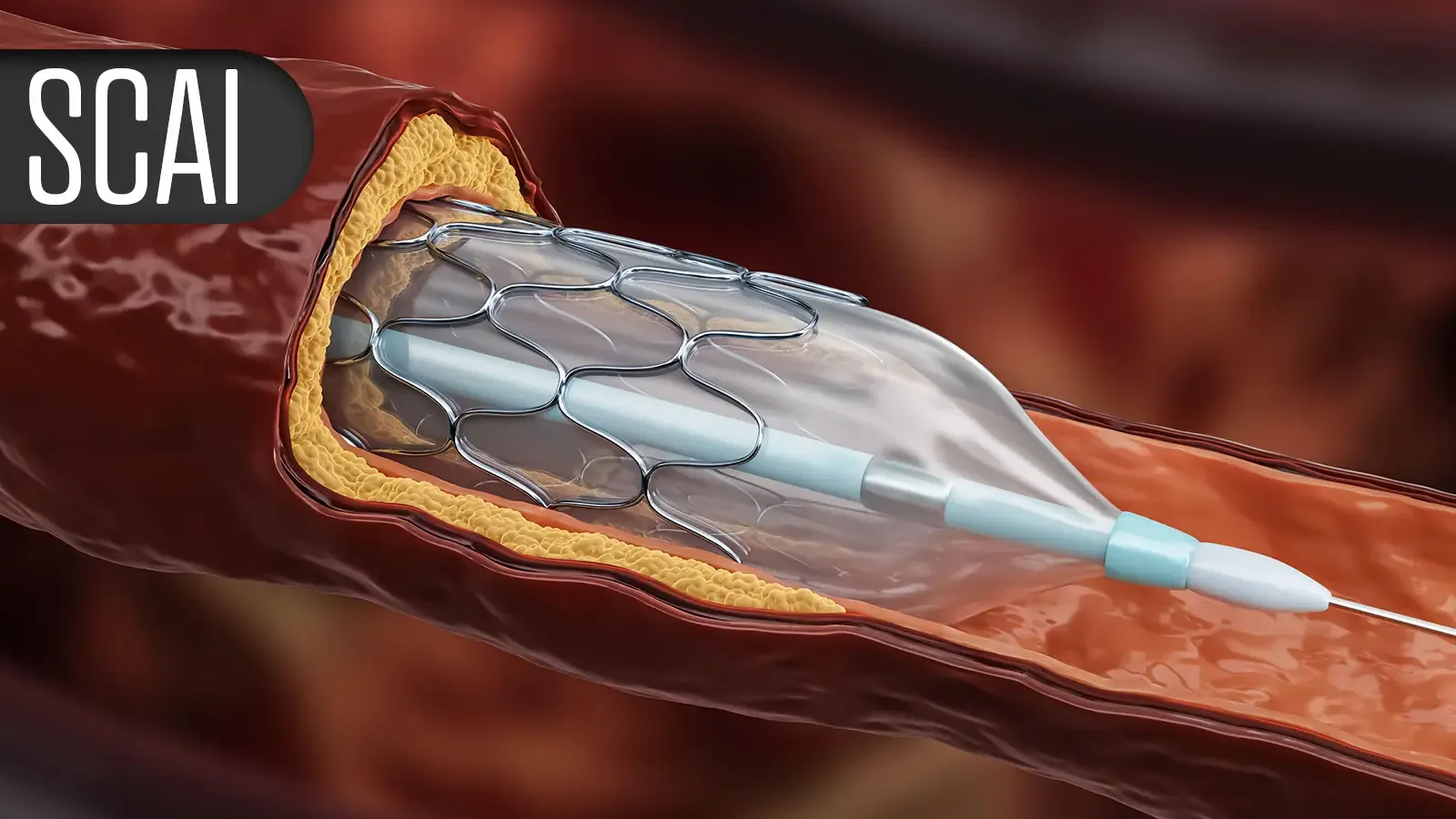
Carotid artery stenting (CAS) is performed to restore blood flow to the brain in individuals with narrowed carotid arteries, reducing the risk of stroke. However, CAS carries its own set of risks, including periprocedural stroke and other major adverse cardiovascular events (MACE). A separate study by Dr. Abdullah Ghuman and Dr. Maumita Das of TidalHealth Peninsula Regional explored the role of GLP-1 RAs in patients undergoing CAS.
Outcomes for Patients Undergoing CAS
This observational study analyzed data from adults who underwent CAS between 2015 and 2023. Patients with exposure to GLP-1 drugs (including semaglutide, liraglutide, lixisenatide, or tirzepatide) within 12 months of the procedure were compared to a matched cohort of non-users. The primary endpoint was MACE at one year, defined as MI, cerebral infarction, and all-cause mortality.
The key findings from this analysis include:
Precision tracking for your journey
Join thousands using Shotlee to accurately track GLP-1 medications and side effects.
📱 Get the Shotlee App
Track your GLP-1 medications, peptides, and health metrics on the go with our mobile app!
- Reduced Overall MACE: Patients exposed to GLP-1 RAs demonstrated a statistically significant reduction in MACE at one year compared to those not using these medications (39.7% vs. 44.6%). The risk ratio was 0.89, suggesting a 11% reduction in the overall risk of MACE.
- Significant Reduction in All-Cause Mortality: A particularly striking finding was the substantial reduction in all-cause mortality in the GLP-1 RA group (3.9% vs. 8.9%), representing a 56% lower risk.
- No Significant Individual Component Reduction: While the overall MACE rate was reduced, the individual components of MI and cerebral infarction did not reach statistical significance on their own. The authors noted that the study might have been underpowered to detect these smaller differences, and the 1-year follow-up might not be sufficient to capture the full anti-atherosclerotic effects of GLP-1 RAs.
The researchers hypothesize that GLP-1 RAs may offer benefits in CAS patients due to their effects on plaque stabilization, inflammation reduction, and improved endothelial function, which are particularly relevant given the high burden of polyvascular atherosclerosis and the embolic risks associated with CAS. The significant reduction in all-cause mortality is a strong indicator of a broader protective effect.
Understanding the Mechanisms and Study Limitations
The growing evidence for GLP-1 RAs in cardiovascular health is linked to their multifaceted mechanisms of action. Beyond their well-known effects on glucose control and weight loss, these agents have demonstrated:
- Cardioprotective Effects: Improvements in blood pressure, lipid profiles, and reduction of systemic inflammation.
- Endothelial Function Improvement: Enhancing the health and function of the inner lining of blood vessels.
- Anti-atherosclerotic Properties: Potentially slowing the progression of plaque buildup in arteries.
- Renal Protection: Reducing the risk of kidney damage, as suggested in the TAVR study.
Study Design and Potential Biases
Both studies were retrospective observational analyses utilizing data from the TriNetX Global Collaborative Network. While these studies provide valuable hypothesis-generating insights, it's crucial to acknowledge their limitations:
| Study Aspect | TAVR Study (Tirzepatide) | CAS Study (GLP-1 RAs) |
|---|---|---|
| Data Source | TriNetX EHR data (2020-2025) | TriNetX EHR data (2015-2023) |
| Patient Population | Adults with obesity undergoing TAVR | Adults undergoing CAS |
| Intervention Group | Tirzepatide initiators post-TAVR (n=437) | GLP-1 RA exposure within 12 months of CAS (n=906) |
| Control Group | Non-users (n=12,406) | No GLP-1 RA exposure (n=29,476) |
| Matching | Propensity Score Matching (421 vs. 421) | Propensity Score Matching (899 vs. 899) |
| Key Limitations | Residual confounding, reliance on prescription data (adherence unknown), potential selection bias from hospital records. | Residual confounding, reliance on prescription data (adherence unknown), inability to distinguish pre/post-procedural initiators, exclusion of dulaglutide/exenatide, potential underpowering for individual event rates, limited follow-up duration. |
The reliance on electronic health records means that actual medication adherence could not be assessed, and residual confounding factors may persist despite matching. The CAS study also had limitations in distinguishing between pre- and post-procedural initiation of GLP-1 RAs and excluded certain medications due to database constraints. These factors highlight the need for prospective, randomized controlled trials to confirm these promising findings.
Practical Takeaways and Future Directions
For patients undergoing TAVR or CAS, these findings suggest that GLP-1 receptor agonists could play a valuable role in their post-procedural care. If you are considering or have undergone these procedures and are managing conditions like diabetes or obesity, discuss with your cardiologist or endocrinologist whether GLP-1 therapy might be a suitable addition to your treatment plan. For individuals managing chronic conditions and tracking their health metrics, using tools like Shotlee can help monitor key health indicators, medication adherence, and symptom progression, providing valuable data for discussions with your healthcare team.
The future of GLP-1 RA research in cardiovascular interventions is bright. Further prospective studies are warranted to:
- Confirm these findings in larger, more diverse populations.
- Investigate the optimal timing and duration of GLP-1 RA therapy.
- Explore potential benefits in different subgroups of patients (e.g., symptomatic vs. asymptomatic, varying degrees of atherosclerosis).
- Clarify the specific mechanisms driving these cardiovascular benefits in the context of interventional procedures.
Conclusion
The emergence of GLP-1 receptor agonists as potentially beneficial adjunctive therapies in TAVR and carotid artery stenting marks an exciting advancement in cardiovascular medicine. These studies provide compelling observational evidence that these medications, already established for metabolic health, can offer significant protection against heart failure and reduce major adverse cardiovascular events, including mortality, in patients undergoing these complex interventions. While further research is essential to solidify these findings, they open new avenues for optimizing patient care and improving long-term outcomes in high-risk cardiovascular populations.