
The Unexpected Economic Driver: GLP-1 Medications and Retail Growth
In recent times, the retail landscape has witnessed a significant uptick in spending, with some regions reporting growth rates of around 6%. While traditional drivers like tourism and agricultural booms often take center stage, a closer examination reveals a powerful, and perhaps unexpected, contributor: the burgeoning popularity of GLP-1 receptor agonist medications. These innovative drugs, widely recognized for their efficacy in weight management and diabetes control, are now demonstrating a tangible influence on consumer spending patterns, particularly within the pharmaceutical sector.
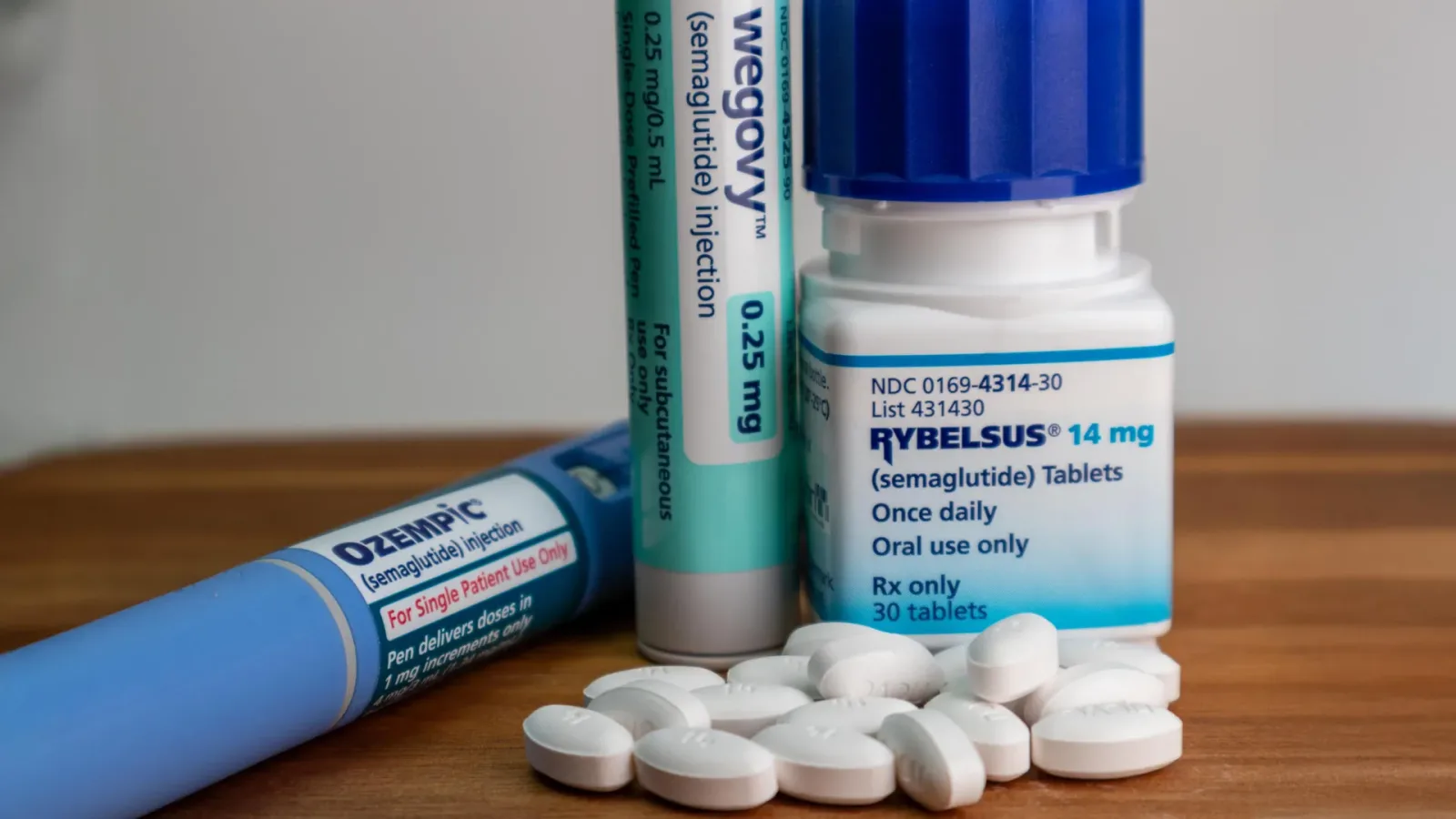
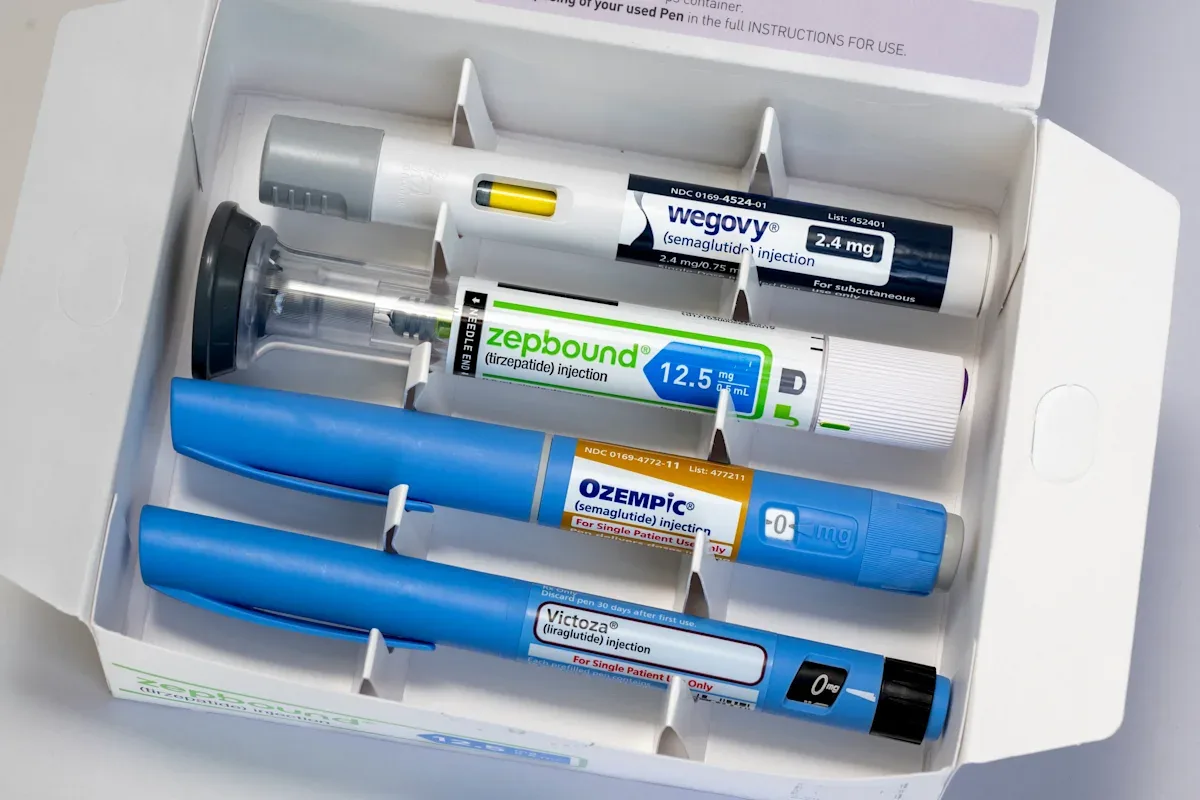
The conversation around these medications, often referred to by brand names like Wegovy, Ozempic, Mounjaro, and Zepbound, extends beyond their direct health benefits. As their adoption increases, so too does the economic activity they generate. This phenomenon is not just a matter of increased prescription sales; it has a ripple effect that influences broader retail trends.
Understanding the GLP-1 Phenomenon
Glucagon-like peptide-1 (GLP-1) receptor agonists are a class of medications that mimic the action of the GLP-1 hormone, which is naturally produced in the body. This hormone plays a crucial role in regulating blood sugar levels and appetite. By stimulating insulin secretion, reducing glucagon release, and slowing gastric emptying, GLP-1s help individuals manage type 2 diabetes and, notably, achieve significant weight loss.
The journey of these drugs from novel treatments to mainstream pharmaceuticals has been rapid. Initially developed for diabetes management, their potent weight loss effects soon became apparent, leading to their approval and widespread use for obesity. This dual functionality has propelled them to the forefront of medical innovation and, consequently, consumer interest.
The Cost Factor and Its Economic Impact
A key aspect contributing to the economic influence of GLP-1s is their cost. These medications are generally expensive, with monthly treatment regimens representing a significant financial commitment for individuals. As more people access these therapies, the cumulative spending on these drugs escalates considerably. This sustained, high-value expenditure directly boosts pharmaceutical retail sales. For instance, a 6% increase in overall retail spending could be significantly bolstered by the consistent, high-volume sales of these premium-priced medications.
The economic impact isn't limited to the direct purchase price. The demand for these drugs also stimulates related industries, from manufacturing and distribution to healthcare provider consultations. This creates a complex web of economic activity that benefits various sectors.
Beyond Pharmaceuticals: Broader Retail Implications
While the direct impact on pharmaceutical sales is undeniable, the influence of GLP-1 medications on broader retail spending is multifaceted and evolving. As individuals achieve their weight loss goals and experience improved health outcomes, their purchasing habits may shift. This can lead to:
- Changes in Food and Beverage Spending: With reduced appetite and cravings, individuals may purchase fewer high-calorie, processed foods and opt for healthier, often more expensive, alternatives. This can redirect spending within the grocery sector.
- Increased Spending on Apparel: As individuals lose weight, they often require new clothing. This can lead to a surge in purchases within the fashion and apparel retail segments.
- Investment in Health and Wellness: Improved health and energy levels may encourage individuals to invest more in fitness-related products, gym memberships, and other wellness services, further diversifying their retail expenditure.
- Reduced Healthcare Costs (Long-Term): While the initial drug cost is high, the long-term reduction in obesity-related comorbidities like type 2 diabetes, heart disease, and sleep apnea could lead to decreased spending on other medical treatments and prescriptions over time. This shift in healthcare spending could indirectly influence disposable income available for retail purchases.
Geographic and Demographic Trends
The impact of GLP-1 medications can also be observed geographically and demographically. Regions with higher adoption rates of these therapies may see a more pronounced effect on their local retail economies. For example, if a particular area has a higher prevalence of individuals seeking weight management solutions or has a robust healthcare infrastructure that supports the prescription and administration of these drugs, its retail sector might experience a more significant boost attributable to these medications.
Precision tracking for your journey
Join thousands using Shotlee to accurately track GLP-1 medications and side effects.
📱 Get the Shotlee App
Track your GLP-1 medications, peptides, and health metrics on the go with our mobile app!
Furthermore, the demographic profile of individuals utilizing GLP-1s can influence spending patterns. As these treatments become more accessible and their benefits more widely understood, they are being adopted by a broader range of age groups and socioeconomic backgrounds, leading to more widespread retail effects.
The Role of Health Tracking in Understanding Impact
For individuals managing their health with GLP-1 medications, diligent tracking of progress, symptoms, and medication adherence is crucial. Tools like Shotlee can play a vital role in this process. By logging medication doses, monitoring weight changes, and recording any side effects or lifestyle adjustments, users gain valuable insights into their treatment journey. This data not only empowers patients and their healthcare providers to optimize treatment but also contributes to a broader understanding of the real-world impact of these therapies on daily life and, by extension, consumer behavior.
Understanding how these medications affect appetite, energy levels, and overall well-being can shed light on how individuals are reallocating their resources and making purchasing decisions. The aggregated data from such tracking can provide a micro-level view of the macro-economic trends driven by these powerful new drugs.
Looking Ahead: The Future of GLP-1s in Retail
The rise of GLP-1 receptor agonists represents a significant development in both medicine and economics. As research continues and these medications become even more accessible, their influence on retail spending is likely to grow and evolve. Beyond their direct contribution to pharmaceutical sales, their role in reshaping consumer habits related to food, fashion, and wellness suggests a lasting impact on the retail landscape.
For businesses and consumers alike, understanding this trend is key. Retailers may need to adapt their strategies to cater to the changing needs and purchasing power of individuals on GLP-1 therapies. For consumers, recognizing these shifts can lead to more informed decisions about their spending and health investments.
The story of GLP-1s in retail is far from over. It's a dynamic narrative that highlights the intricate connection between health innovation, individual well-being, and the broader economy.
Key Takeaways for Consumers and Businesses:
- For Consumers: Be mindful of how GLP-1 medications might influence your spending habits. Consider reallocating budgets towards healthier food options, new apparel as you reach your goals, and other wellness activities.
- For Businesses: Explore opportunities to cater to the evolving needs of individuals who are experiencing weight loss and improved health. This could involve offering specialized products, services, or marketing campaigns.
- Healthcare Providers: Continue to educate patients on the holistic impact of GLP-1 therapy, including potential shifts in lifestyle and spending.
Conclusion
The impact of GLP-1 medications like Wegovy, Ozempic, Mounjaro, and Zepbound extends far beyond their intended therapeutic benefits. As these drugs gain widespread adoption, they are demonstrably influencing retail spending, particularly within the pharmaceutical sector, due to their high cost and sustained demand. This economic ripple effect is also beginning to shape consumer behavior in areas such as food, apparel, and wellness. By understanding these trends and leveraging tools for health tracking, individuals and businesses can better navigate the evolving landscape shaped by this significant medical and economic development.