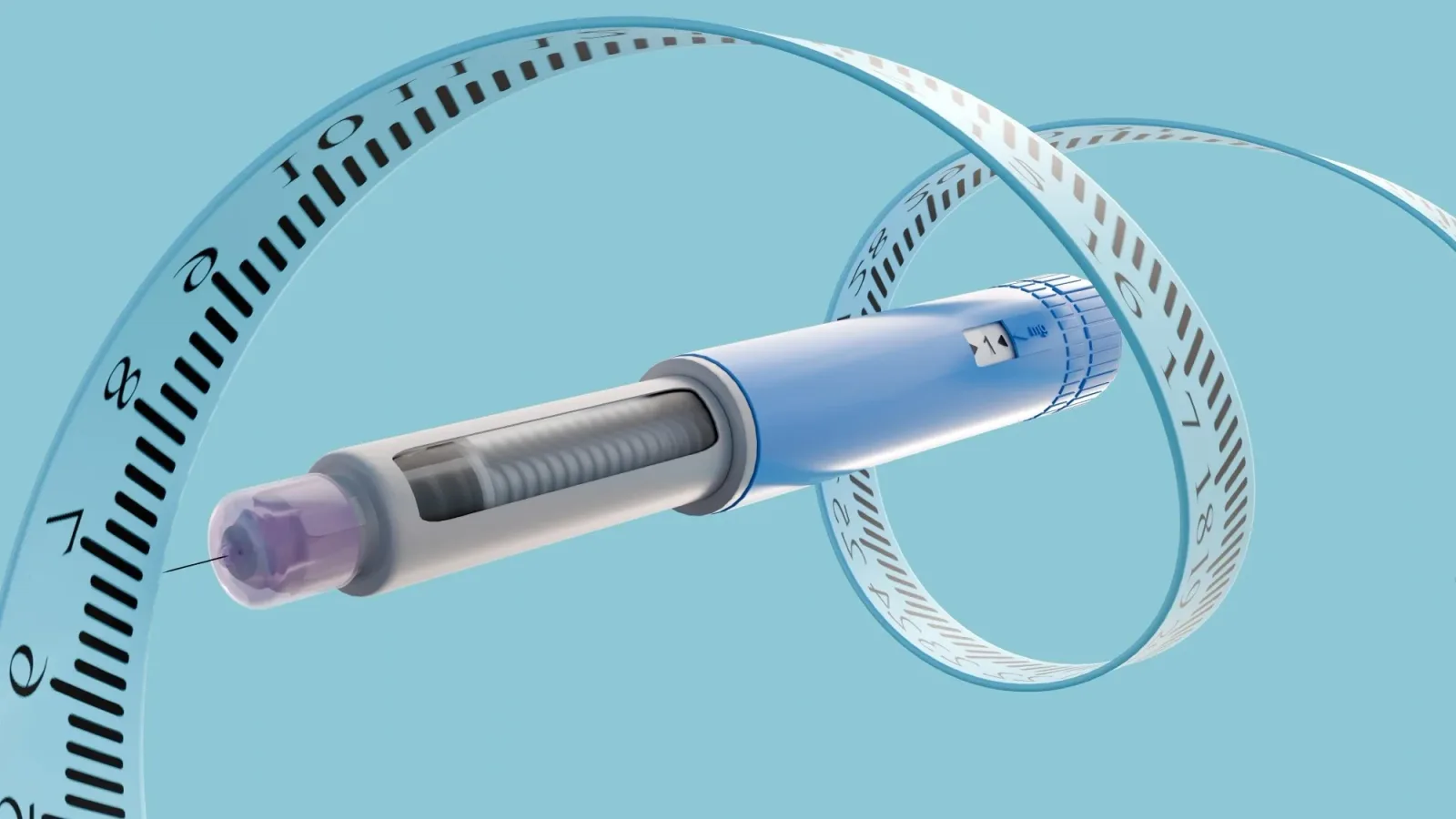

The Evolving Landscape of Obesity Treatment
The fight against obesity has entered a new era, driven by remarkable advancements in pharmaceutical innovation. For investors looking to capitalize on this burgeoning market, the choices often boil down to two paths: speculating on smaller biotech companies with the potential for a future breakthrough, or investing in established players already generating significant revenue from proven therapies. For those prioritizing safety, profitability, and durable growth, the latter often presents a more compelling case. In this dynamic space, Eli Lilly (LLY) stands out as a leader, not just for its current success, but for its strategic positioning to dominate the market for years to come.
The narrative surrounding the anti-obesity drug market has shifted dramatically. What was once viewed as an emerging frontier is now a robust, multi-billion dollar commercial reality. While companies like Novo Nordisk have historically been prominent, Eli Lilly has rapidly ascended to a dominant position, largely due to its innovative product pipeline and superior market execution. This dominance is not a fleeting trend but a testament to the efficacy and broad applicability of its leading therapies.
Tirzepatide: A Game-Changer in Weight Management
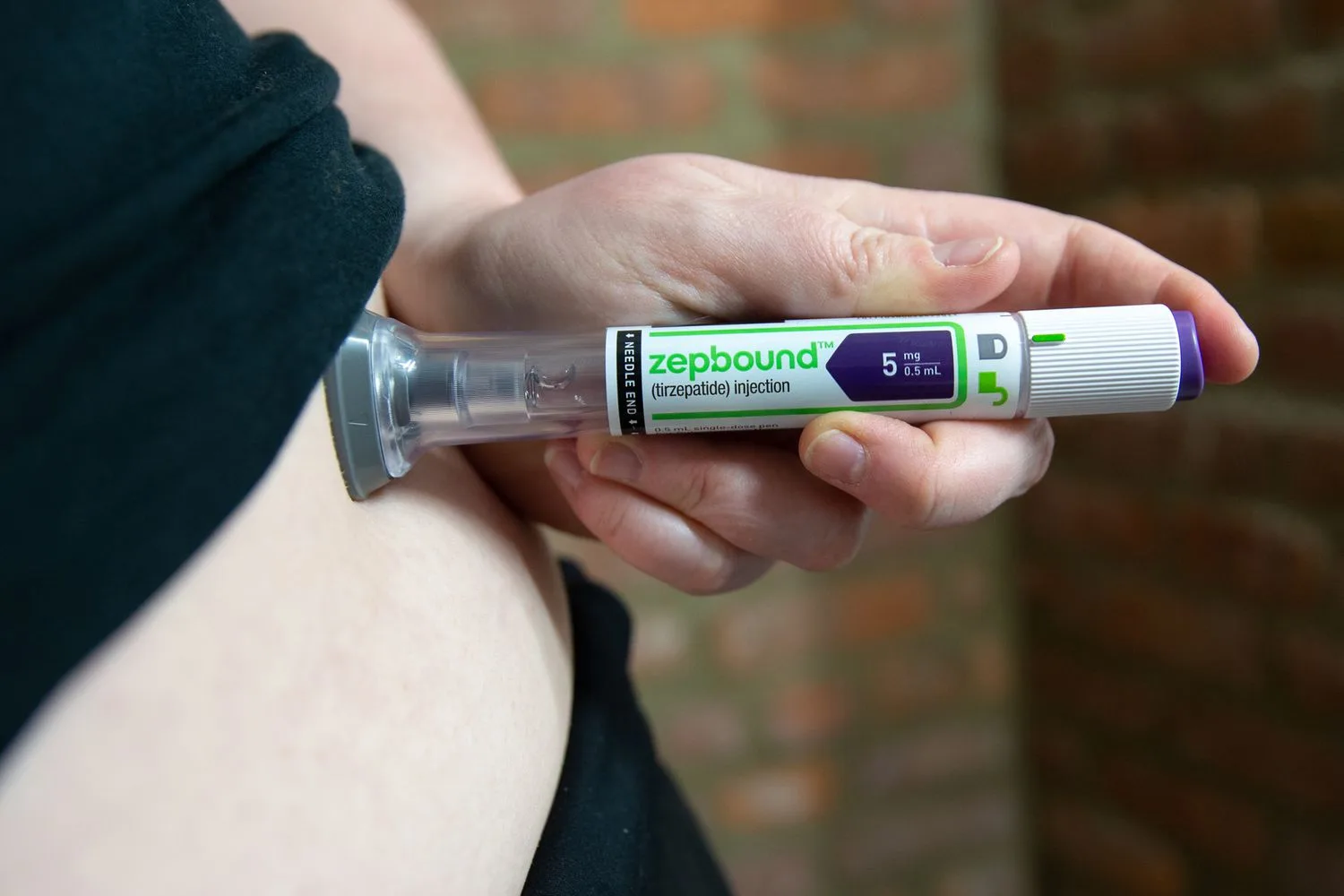
At the heart of Eli Lilly's success in the obesity space is tirzepatide. Marketed under brand names like Mounjaro for type 2 diabetes and Zepbound for chronic weight management, this groundbreaking medication has demonstrated industry-leading efficacy in clinical trials and real-world application. Tirzepatide's mechanism of action, targeting both GLP-1 and GIP receptors, offers a dual approach that has translated into significant and sustained weight loss for many patients. The question is no longer whether these drugs work, but rather how vast the market for effective weight-loss solutions will become.
The impact of tirzepatide is undeniable. It has not only captured significant market share but has also set a new benchmark for what patients and healthcare providers can expect from obesity pharmacotherapy. This clinical success is the bedrock upon which Eli Lilly's market leadership is built, creating a strong foundation for continued growth.
Understanding the Science Behind Tirzepatide
Tirzepatide is a dual glucose-dependent insulinotropic polypeptide (GIP) and glucagon-like peptide-1 (GLP-1) receptor agonist. By activating both of these incretin hormone pathways, it mimics the body's natural hormones to:
- Regulate blood sugar: Enhances insulin secretion and reduces glucagon secretion, leading to better glycemic control.
- Promote satiety: Slows gastric emptying and signals fullness to the brain, reducing appetite and food intake.
- Facilitate fat loss: Contributes to a reduction in body fat mass through metabolic effects and reduced caloric consumption.
This dual action is believed to be a key factor in its superior weight-loss results compared to single-receptor agonists, making it a highly sought-after treatment option.
Profitability and Scalability: Eli Lilly's Current Strength
Unlike many growth-oriented biopharmaceutical companies that require years to achieve profitability, Eli Lilly is already generating substantial earnings from its anti-obesity franchise. The company's financial performance in recent quarters underscores this reality. In the first quarter of 2026, Eli Lilly reported a remarkable $7.4 billion in net income, with earnings more than doubling year-over-year. This impressive growth was significantly fueled by the rapid sales expansion of its tirzepatide-based medications.
While Eli Lilly does not typically disclose profit margins for individual drugs, the sheer magnitude of its earnings relative to previous periods clearly indicates that its GLP-1 and GIP receptor agonist portfolio is a primary driver of profitability. This isn't just about future potential; it's about a robust, cash-generating business operating today. The growth is sustained by increasing patient volumes and strong market demand, rather than solely relying on price increases, which contributes to the durability of its financial success.
Precision tracking for your journey
Join thousands using Shotlee to accurately track GLP-1 medications and side effects.
📱 Get the Shotlee App
Track your GLP-1 medications, peptides, and health metrics on the go with our mobile app!
Manufacturing and Distribution: The Unsung Heroes of Market Dominance
In the current climate of high demand for GLP-1 and related therapies, the ability to manufacture, distribute, and ensure global access to these medications has become as critical as their clinical efficacy. Eli Lilly has made substantial investments to expand its manufacturing capacity, a strategic move that provides a significant structural advantage over smaller competitors. Building out this kind of infrastructure is not only capital-intensive but also time-consuming, creating a formidable barrier to entry for new players.
Even if novel obesity drugs emerge, they will still require extensive manufacturing, complex supply chains, and robust reimbursement strategies to reach patients on a large scale. Eli Lilly is already ahead of the curve in these essential operational aspects, positioning it to benefit from continued demand well into the future. This focus on scale and operational excellence is a key differentiator, ensuring that the company can meet market needs effectively.
Key Considerations for Investors
When evaluating investments in the anti-obesity drug market, several factors are paramount:
| Factor | Eli Lilly's Position | Implications for Investors |
|---|---|---|
| Clinical Efficacy | Leading results with tirzepatide (Zepbound, Mounjaro) | Strong patient and physician adoption, high demand. |
| Market Share | Rapidly gaining ground, becoming a dominant player | Secured position in a growing market. |
| Profitability | Already generating substantial profits | Lower risk compared to pre-revenue companies; cash flow supports R&D and expansion. |
| Manufacturing & Scale | Significant investment in production capacity | Ability to meet global demand, competitive advantage. |
| Diversification | Broad pharmaceutical portfolio beyond obesity | Reduced reliance on a single product; financial stability. |
| Competitive Risk | Low likelihood of immediate major disruption from competitors | Durable market leadership expected. |
The primary competitive risk for Eli Lilly might arise if a competitor, such as Novo Nordisk, were to introduce a significantly superior therapy. However, there is currently no concrete evidence to suggest such a breakthrough is imminent. While no stock is entirely risk-free, Eli Lilly's diversified portfolio, strong cash flow across multiple therapeutic areas, and internal funding of growth initiatives provide a significant degree of resilience.
For investors seeking to track their health journey, manage medication schedules, or monitor key health metrics related to weight management, tools like Shotlee can be invaluable. Integrating such platforms can help individuals stay engaged with their treatment plans, leading to better adherence and outcomes, which in turn supports the long-term success of therapies like those offered by Eli Lilly.
Practical Takeaways for Investors and Patients
For investors, the takeaway is clear: Eli Lilly offers a compelling opportunity to invest in the leading company within the rapidly expanding anti-obesity drug market. Its combination of proven efficacy, current profitability, and scalable infrastructure makes it a durable choice, distinct from speculative bets on smaller biotechs.
For patients considering or currently using these therapies, understanding the science, adhering to treatment plans, and working closely with healthcare providers are crucial. Utilizing tools to track progress, side effects, and dosage can enhance the treatment experience and contribute to achieving health goals. The success of these medications is a testament to scientific innovation, and their widespread availability, supported by companies like Eli Lilly, offers new hope for millions struggling with obesity.
Conclusion
The anti-obesity drug market is no longer a speculative venture but a significant and growing commercial reality. Eli Lilly, with its flagship tirzepatide therapy, has firmly established itself as the category leader. By combining groundbreaking scientific innovation with robust manufacturing, distribution, and a strong financial foundation, the company is exceptionally well-positioned for sustained growth and profitability. For investors looking for a durable, high-conviction play in the weight management sector, Eli Lilly represents a clear and strategic choice, offering exposure to a market that is transforming lives and generating substantial economic value.