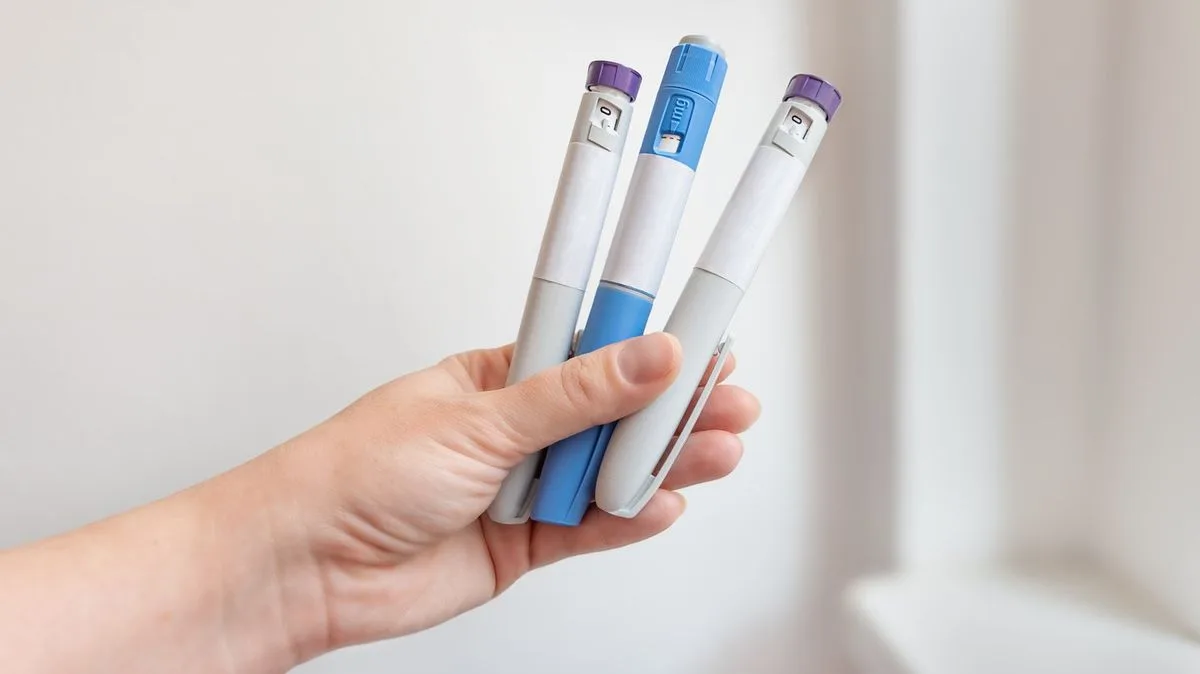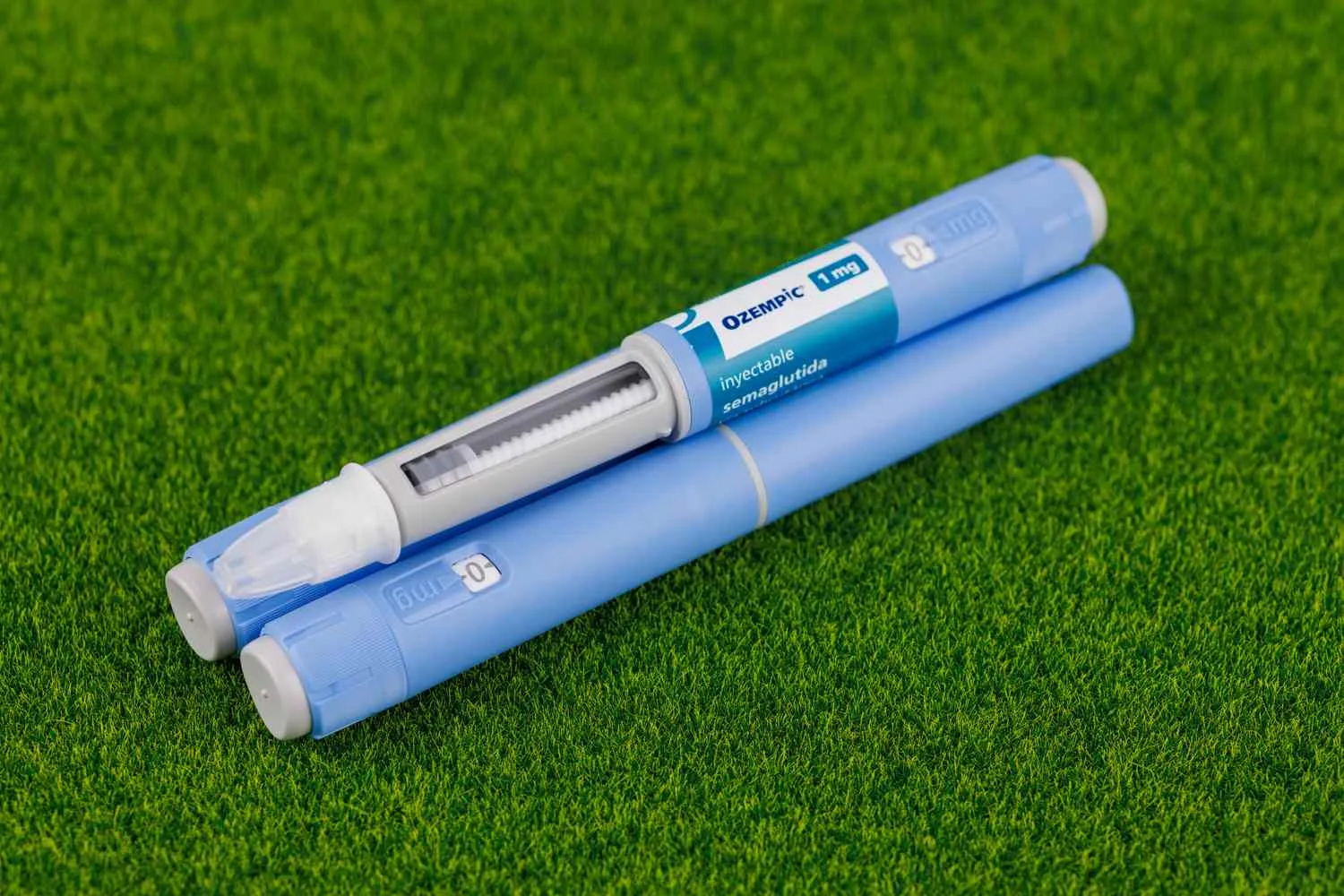

The advent of GLP-1 receptor agonists has undeniably marked a significant milestone in medical science, particularly for weight management and metabolic health. Drugs like semaglutide (Ozempic, Wegovy) and tirzepatide (Mounjaro) have captured global attention, not just for their efficacy but also for the cultural phenomenon they've ignited. However, their explosive popularity has also ushered in a complex and sometimes concerning landscape, often described as the 'wild west' of wellness.
The Science Behind the Success: How GLP-1s Work
GLP-1 receptor agonists are a class of medications that mimic the action of a natural hormone called glucagon-like peptide-1. This hormone plays a crucial role in regulating blood sugar and appetite. When administered, these drugs:
- Stimulate Insulin Release: They signal the pancreas to release more insulin when blood sugar levels are high, helping to lower them.
- Reduce Glucagon Secretion: They suppress the release of glucagon, a hormone that raises blood sugar levels.
- Slow Gastric Emptying: They delay the rate at which food leaves the stomach, promoting a feeling of fullness for longer.
- Act on the Brain: They target appetite control centers in the brain, reducing hunger and cravings.
These combined effects lead to significant improvements in glycemic control for individuals with type 2 diabetes and substantial weight loss for those struggling with obesity. The dramatic results have understandably generated immense excitement and demand.
The Collision of Blockbuster Drugs and the Algorithmic Age
What sets the current GLP-1 phenomenon apart from previous medical breakthroughs is the environment into which these drugs have landed: our hyper-connected, wellness-obsessed, and algorithm-driven digital age. Unlike blockbuster drugs of the past, which required in-person doctor visits and were discussed through traditional media channels, GLP-1s have become a focal point of online discourse, social media trends, and direct-to-consumer marketing.
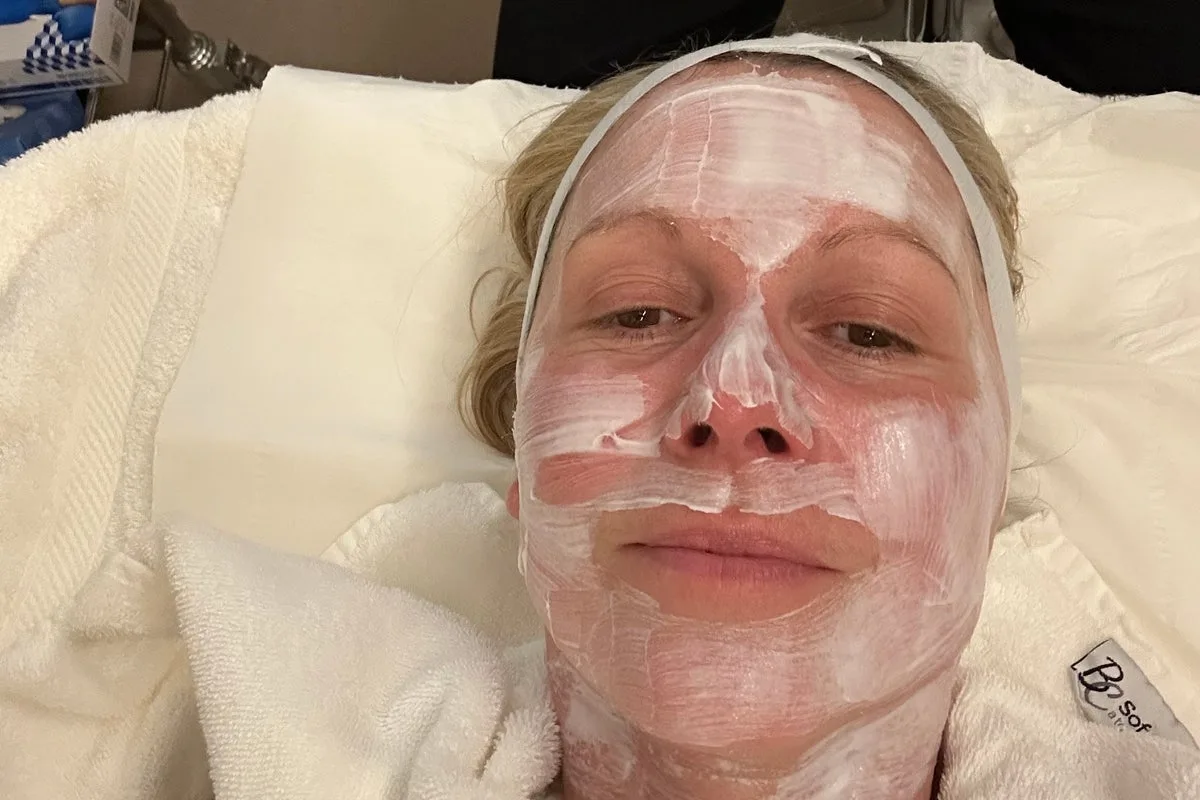
This convergence has created a unique cultural moment. Platforms like X (formerly Twitter), TikTok, and Reddit are flooded with testimonials, before-and-after photos, and discussions about the transformative power of these medications. This visual and highly shareable content taps into a long-standing human desire for quick fixes and appearance enhancement, amplified by the algorithmic nature of these platforms which constantly feed users more of what they engage with.
The accessibility of information, and sometimes misinformation, online has blurred the lines between legitimate medical treatment and self-directed wellness pursuits. This has unfortunately led to a surge in individuals seeking these drugs outside of conventional medical channels.
The 'Wild West' of Unregulated Peptides and Online Sourcing
The immense popularity and perceived benefits of GLP-1s have unfortunately fueled a 'wild west' scenario, particularly concerning the sourcing of peptides. Some individuals, driven by a desire to achieve similar results or explore novel compounds, are turning to the internet to order peptides. These are often marketed as 'research chemicals' and are frequently sourced from international suppliers, including those in China.
The critical issue here is the lack of regulation and quality control. A New Yorker investigation, for example, found that many of these unregulated compounds contained impurities, heavy metals like lead, or were not at the correct dosage. This poses significant health risks, as the exact composition and purity of what is being injected cannot be reliably verified.
"The allure of a 'weight loss elixir' combined with the accessibility of online ordering has created a dangerous environment where individuals may be risking their health by using unverified substances."
This trend represents a stark contrast to the controlled and medically supervised approach required for approved GLP-1 medications. While the intention might be to explore cutting-edge wellness, the reality can be exposure to dangerous contaminants and unpredictable health outcomes.
The Role of Social Media and Algorithmic Influence
Social media platforms play a pivotal role in shaping perceptions and driving demand for GLP-1s and related peptides. The visual nature of platforms like TikTok and Instagram makes them ideal for showcasing dramatic transformations, creating a powerful, albeit often curated, narrative of success.
Visual Appeal and Transformation
Before-and-after photos and videos are incredibly persuasive. They offer a tangible representation of what users can achieve, tapping into societal pressures around body image and appearance. This visual evidence, amplified by algorithms that prioritize engagement, can create a compelling case for these drugs, even for individuals who may not be medically suitable candidates.
Precision tracking for your journey
Join thousands using Shotlee to accurately track GLP-1 medications and side effects.
📱 Get the Shotlee App
Track your GLP-1 medications, peptides, and health metrics on the go with our mobile app!
The Biohacking Movement
The GLP-1 phenomenon has also become intertwined with the biohacking movement, a community focused on optimizing human performance and health through various interventions, including technology, diet, and supplements. For some biohackers, GLP-1 agonists represent a powerful tool for metabolic enhancement and longevity, further encouraging exploration beyond conventional medical advice.
Comparison and Community
Social media also fosters a sense of community and comparison. Users share their experiences, dosages, and progress, creating a feedback loop where others are encouraged to join or replicate their journeys. While this can offer support, it also normalizes practices that might be risky or inappropriate for an individual's specific health profile.
Responsible Use and the Future of GLP-1s
The transformative potential of GLP-1 receptor agonists is undeniable. However, their integration into our modern wellness culture necessitates a careful and responsible approach. The 'wild west' of unregulated peptide sourcing and the pervasive influence of social media highlight the urgent need for education and caution.
For individuals considering GLP-1 therapy, the following are crucial:
- Consult a Healthcare Professional: Always discuss your health goals and any potential treatments with a qualified doctor. They can assess your suitability, prescribe the correct medication, and monitor your progress safely.
- Understand the Risks and Benefits: Be aware of the potential side effects and contraindications of any medication.
- Prioritize Approved Medications: Stick to medications that have undergone rigorous clinical trials and received regulatory approval (e.g., Ozempic, Wegovy, Mounjaro).
- Be Skeptical of Online Claims: Critically evaluate information found on social media and be wary of unsolicited advice or offers for unregulated substances.
- Track Your Progress Safely: If you are on a prescribed GLP-1 medication, consider using tools to track your doses, symptoms, and overall health metrics. Apps like Shotlee can be invaluable for maintaining a detailed health journal, ensuring you adhere to your treatment plan and can provide comprehensive information to your doctor.
The future of GLP-1s lies in harnessing their therapeutic power while mitigating the risks associated with misinformation and unregulated markets. This requires a collective effort from healthcare providers, regulatory bodies, social media platforms, and, most importantly, informed individuals.
Key Takeaways
The rise of GLP-1 drugs has coincided with a unique cultural moment, amplified by social media and the internet. While these medications offer significant health benefits, they have also contributed to a 'wild west' of unregulated peptide sourcing and online wellness trends. It is crucial for individuals to prioritize medically supervised treatment with approved medications and to exercise extreme caution regarding online offers and unverified substances. Responsible use, informed decision-making, and close collaboration with healthcare professionals are paramount to safely harnessing the power of these revolutionary drugs.
Frequently Asked Questions
Q1: What are GLP-1 drugs, and why are they so popular?
GLP-1 receptor agonists are a class of medications that mimic a natural hormone to help regulate blood sugar and appetite. Their popularity stems from their significant efficacy in treating type 2 diabetes and promoting substantial weight loss, leading to dramatic health improvements for many individuals.
Q2: What is meant by the 'wild west' of wellness in relation to GLP-1s?
The 'wild west' refers to the unregulated and often risky landscape that has emerged around GLP-1s. This includes the online sourcing of unverified peptides from international suppliers, often with questionable purity and dosage, and the pervasive influence of social media trends that may bypass medical guidance.
Q3: Are peptides ordered online from places like China safe?
No, peptides ordered online from unregulated sources are generally not considered safe. Investigations have revealed that many such products can contain harmful impurities, incorrect dosages, or even heavy metals. They lack the quality control and regulatory oversight of approved medications.
Q4: How does social media influence the perception and use of GLP-1 drugs?
Social media platforms amplify the visual impact of GLP-1s through before-and-after photos and testimonials, creating a powerful narrative of transformation. Algorithms further promote this content, making it highly visible and influencing demand, sometimes encouraging off-label or unapproved use.
Q5: What is the safest way to consider using GLP-1 medications?
The safest approach is to consult a qualified healthcare professional. They can determine if a GLP-1 medication is appropriate for your health needs, prescribe an approved drug, monitor your progress, and manage any potential side effects. Avoid sourcing these medications or similar compounds from unregulated online channels.