
GLP-1 Drugs Raise Osteoporosis Risk 30% – Hollywood Stars Beware
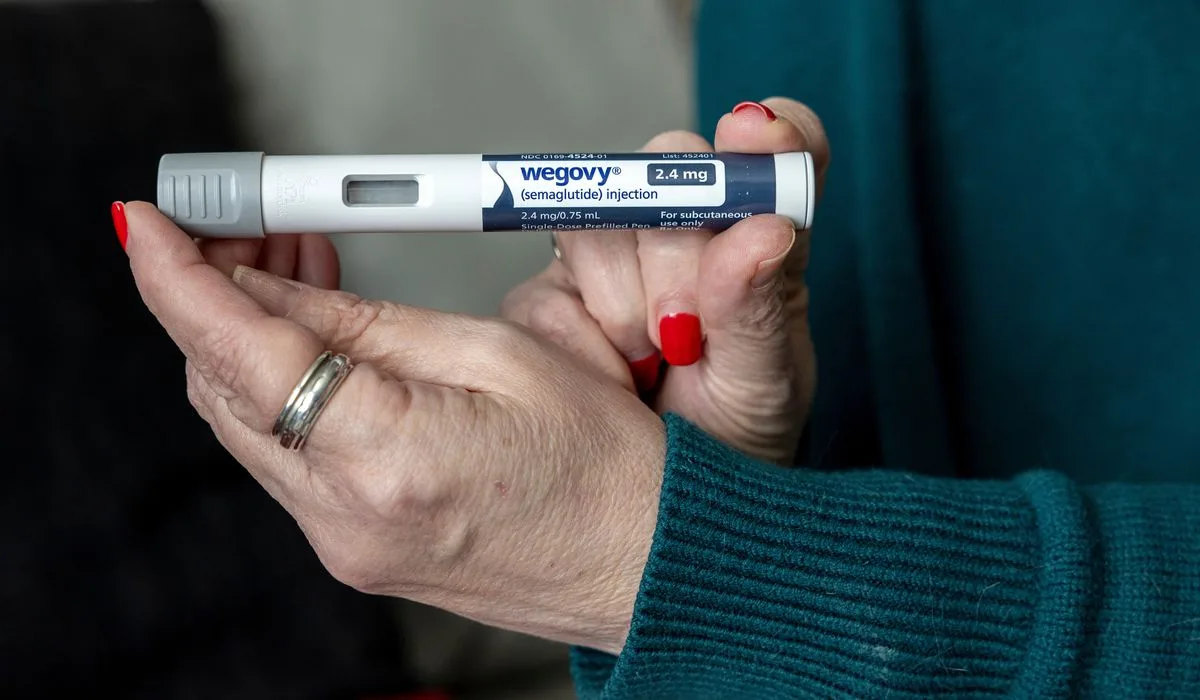
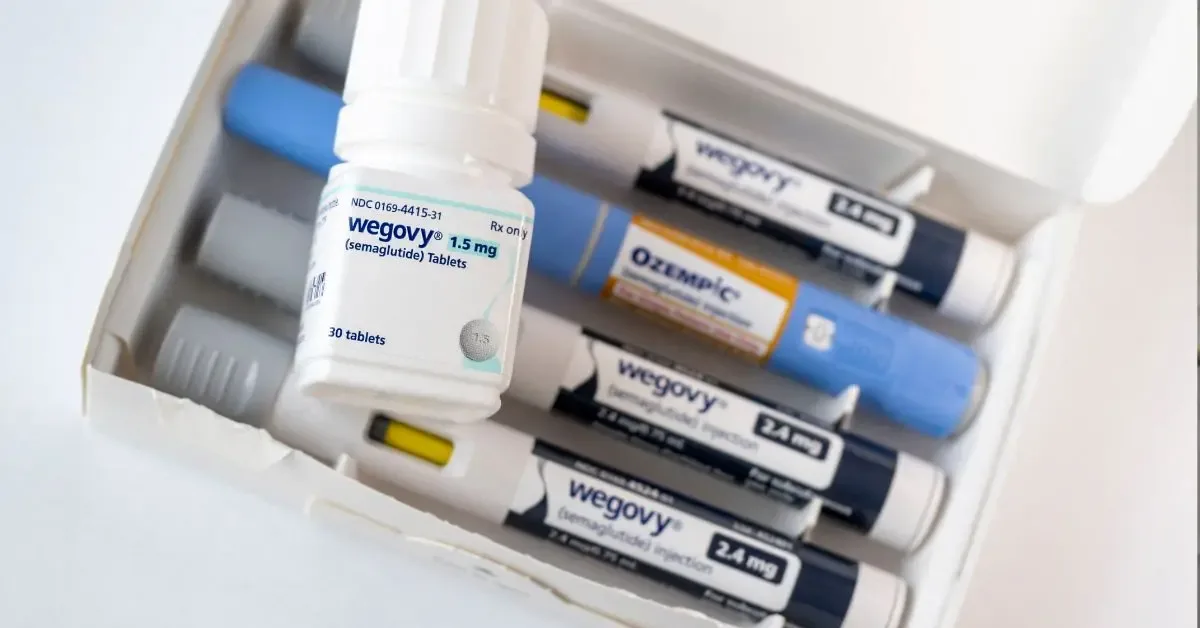
In the glitzy world of Hollywood, where weight loss jabs like GLP-1 drugs have become the go-to for shedding pounds quickly, a new study delivers a sobering shocker. Researchers from the University of Pennsylvania found those taking GLP-1 drugs faced a nearly 30 percent higher risk of developing osteoporosis – a disease that weakens bones and leaves them prone to fracture. This revelation raises alarms for celebrities and everyday users alike, highlighting potential painful complications from these fat-fighting medications.
The Key Findings from the University of Pennsylvania Study
The study spotlighted several musculoskeletal risks associated with GLP-1 drugs, which mimic hormones to suppress appetite and promote weight loss. Beyond osteoporosis, the research identified elevated dangers for other bone and joint conditions.
Osteoporosis: A 30% Increased Risk
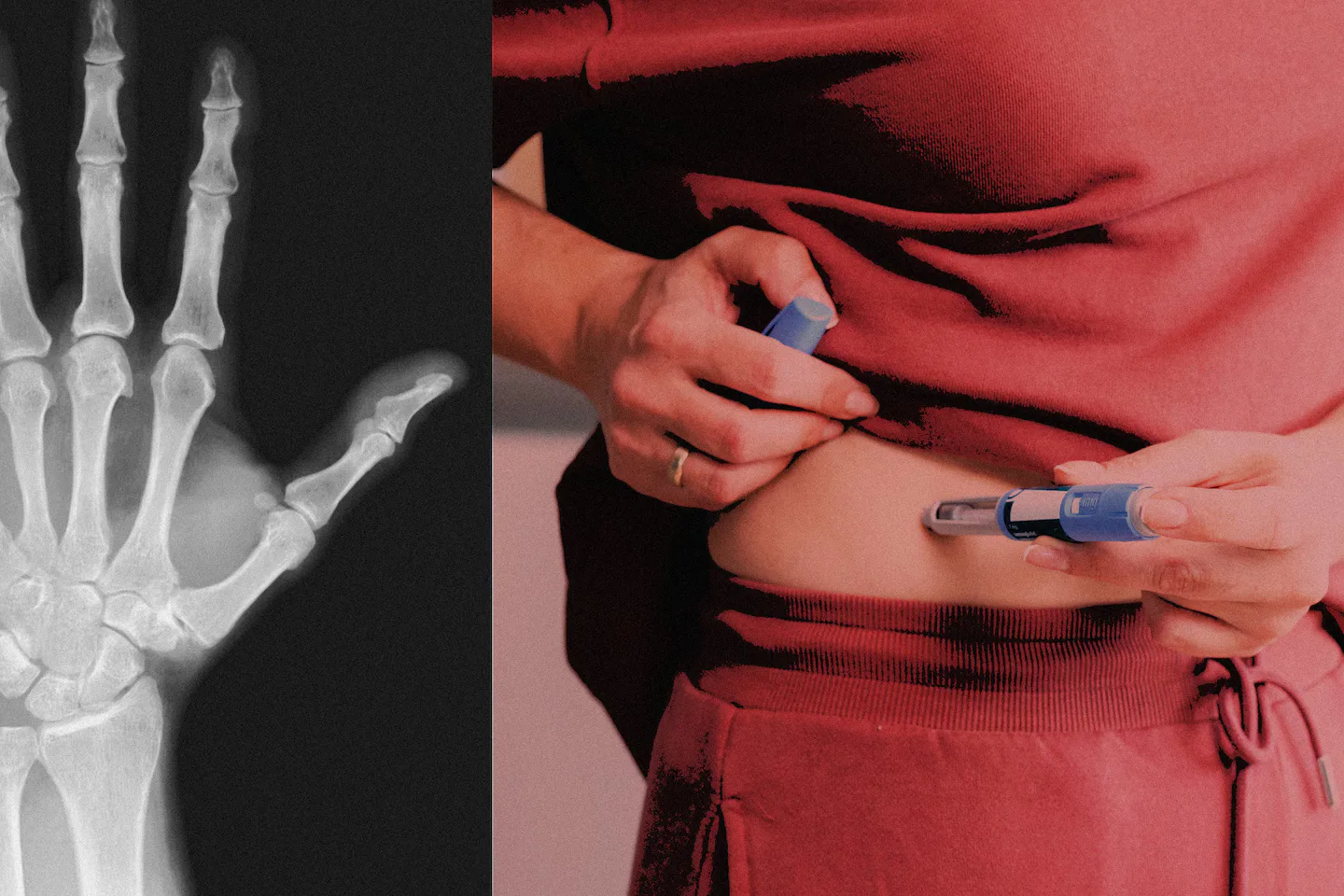
Osteoporosis occurs when bones lose density and strength, making fractures far more likely, especially in the hip, spine, and wrist. The University of Pennsylvania researchers reported a nearly 30 percent higher risk among GLP-1 users. This is particularly concerning because rapid weight loss from these drugs can accelerate bone loss, as fat tissue plays a role in hormone production that supports bone health.
Gout Risk Climbs 12%
Gout, a painful form of inflammatory arthritis caused by needle-like crystals forming in joints, saw its risk rise by 12 percent in GLP-1 users. This condition often strikes the big toe but can affect knees, ankles, and hands, causing intense pain and swelling that can sideline even the busiest stars.
Osteomalacia Surges Over 150%
Even rarer but more alarming is osteomalacia, a condition involving softening bones caused by poor mineralization. The study noted an increase of more than 150 percent among those on GLP-1 drugs, underscoring how these medications might disrupt vitamin D and calcium metabolism essential for bone integrity.
Expert Commentary on the Risks
Clifford Rosen, a professor of medicine at Tufts University who was not involved in the research but studies bone health and GLP-1 drugs, emphasized the gravity of these findings. He noted that while the population-wide risk remains relatively small, the implications for individuals could still be serious.
"Adding another percent on top of that could be devastating."
Rosen's words highlight a critical point: for someone predisposed to bone issues, even a modest risk elevation from GLP-1 drugs could lead to life-altering fractures.
Why Older Adults and Postmenopausal Women Are Especially Vulnerable
For older adults in particular, bone fractures can trigger a cascade of health problems that some patients never fully recover from. Postmenopausal women are thought to be especially vulnerable, as fracture risk naturally increases in the years following menopause due to declining estrogen levels, which protect bone density.
Hollywood stars, often under immense pressure to maintain slim figures into later years, may unknowingly amplify these risks with GLP-1 drugs. The combination of age-related bone loss and medication-induced effects creates a perfect storm for complications.
Precision tracking for your journey
Join thousands using Shotlee to accurately track GLP-1 medications and side effects.
📱 Get the Shotlee App
Track your GLP-1 medications, peptides, and health metrics on the go with our mobile app!
Tendon Injuries: A Separate 50% Risk Increase
Separate analysis suggests the flab-fighting drugs may also be linked to a dramatic rise in tendon injuries. Over five years, GLP-1 use was associated with roughly a 50 percent increased risk of several tendon ruptures, including injuries affecting the pectoralis major, the rotator cuff, and the Achilles tendon.
The researchers began investigating the issue after noticing an unusual pattern among patients arriving at clinics with unexplained injuries. These tendon issues can result from rapid weight changes altering biomechanics or from direct effects on connective tissue metabolism during GLP-1 therapy.
How GLP-1 Drugs May Impact Bone and Tendon Health
GLP-1 receptor agonists, the class behind these weight loss drugs, primarily work by slowing gastric emptying, reducing appetite, and improving insulin sensitivity. However, their effects extend to bone metabolism. Weight loss itself can reduce mechanical loading on bones, potentially decreasing density. Additionally, some evidence points to GLP-1 drugs influencing parathyroid hormone and vitamin D pathways, which regulate calcium absorption.
For tendons, the rapid shifts in body composition might strain these collagen-rich structures, especially during intense physical activity common among celebrities maintaining their physiques.
What This Means for Patients and Hollywood Users
If you're considering or already using GLP-1 drugs for weight loss, these findings underscore the need for proactive bone health management:
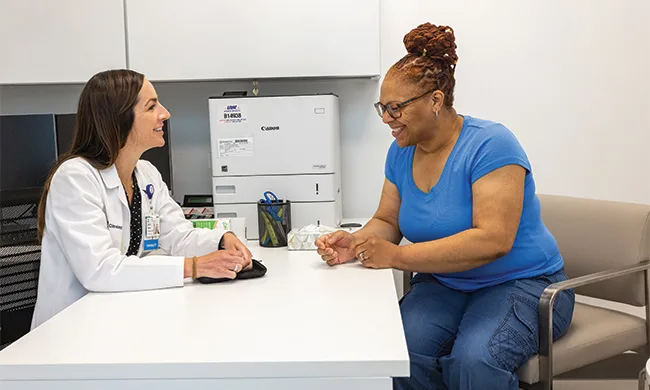
- Discuss screening: Talk to your doctor about baseline DEXA scans for bone density and blood tests for vitamin D, calcium, and parathyroid hormone levels.
- Supplement wisely: Ensure adequate calcium (1,000-1,200 mg/day) and vitamin D (800-2,000 IU/day) intake, but only under medical guidance to avoid interactions.
- Exercise strategically: Incorporate weight-bearing activities like walking or resistance training to support bone and tendon strength, avoiding high-impact moves that risk ruptures.
- Monitor symptoms: Track joint pain, swelling, or unexplained injuries. Tools like Shotlee can help log symptoms, side effects, or medication schedules for better doctor discussions.
Postmenopausal women and older adults should weigh these risks against benefits, potentially exploring alternatives like lifestyle changes or other metabolic therapies.
Comparing Risks to Benefits and Alternatives
GLP-1 drugs offer proven weight loss and metabolic benefits, but these bone risks add nuance. Compared to traditional weight loss methods like diet alone, GLP-1s accelerate results – yet at potential cost to skeletal health. Alternatives might include SGLT2 inhibitors for metabolic control with possibly milder bone effects, or non-drug approaches like supervised low-calorie diets paired with bone-supportive nutrition.
Safety profiles vary by individual; those with family histories of osteoporosis or gout should proceed cautiously.
Key Takeaways for GLP-1 Users
- University of Pennsylvania study: 30% higher osteoporosis risk, 12% gout increase, >150% osteomalacia rise.
- 50% higher tendon rupture risk over 5 years for pectoralis major, rotator cuff, Achilles.
- Expert warning: Small population risks can devastate individuals, especially older adults and postmenopausal women.
- Action steps: Screen bones, supplement essentials, exercise smartly, and monitor closely.
Conclusion: Balancing Weight Loss Dreams with Bone Health Reality
While GLP-1 drugs promise rapid fat loss for Hollywood stars and beyond, the University of Pennsylvania's findings remind us of hidden costs to bone and tendon health. Preserve the excitement of weight management by prioritizing skeletal screenings and holistic care. Consult your healthcare provider to tailor GLP-1 therapy safely, ensuring long-term vitality over short-term spotlight gains.