
The GLP-1 Revolution: More Than Just Weight Loss
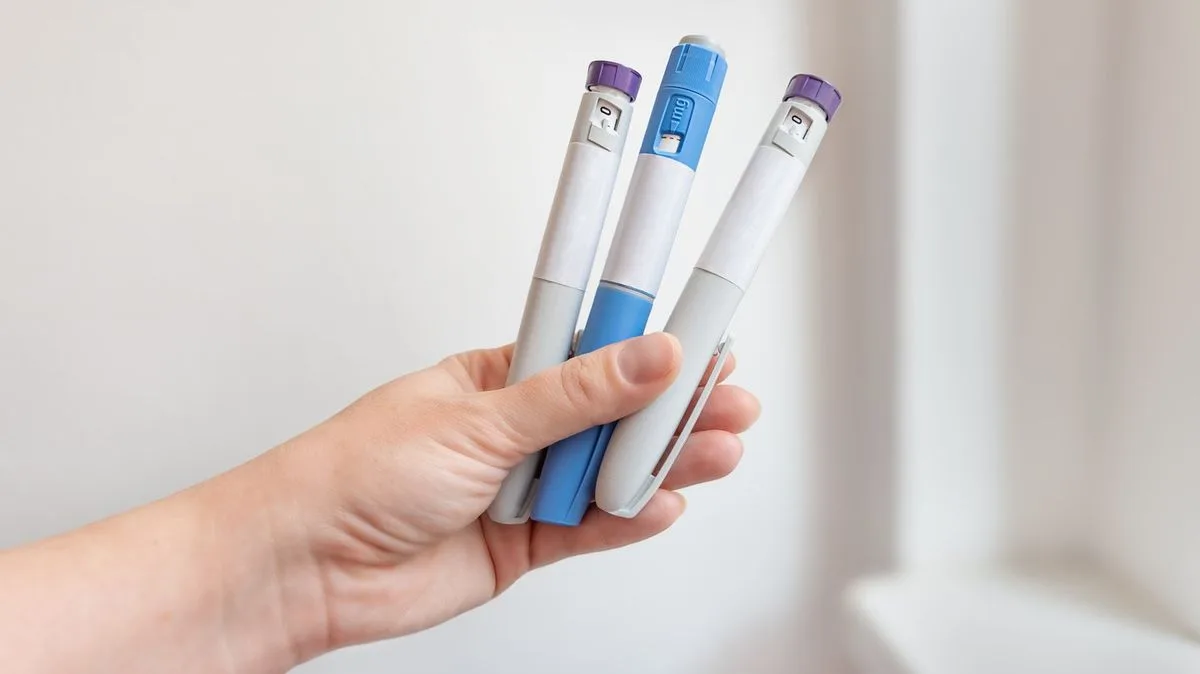
In recent years, a class of medications known as GLP-1 receptor agonists has surged into the spotlight, primarily for their remarkable efficacy in weight management. Drugs like semaglutide (found in Ozempic and Wegovy) and tirzepatide (found in Mounjaro and Zepbound) have transformed the landscape of obesity treatment, offering significant weight loss results for many individuals. However, the impact of these powerful drugs extends far beyond the number on the scale, influencing everything from dietary habits to unexpected consumer trends and personal health monitoring.
Understanding How GLP-1 Agonists Work
Glucagon-like peptide-1 (GLP-1) is a naturally occurring hormone produced in the gut that plays a crucial role in regulating blood sugar and appetite. GLP-1 receptor agonists are medications that mimic the action of this hormone, offering several key benefits:
- Appetite Suppression: They slow down the rate at which the stomach empties, leading to a feeling of fullness that lasts longer. This reduces overall food intake and cravings.
- Blood Sugar Control: GLP-1 agonists stimulate the pancreas to release insulin when blood sugar levels are high and reduce the amount of sugar the liver produces. This makes them highly effective for managing type 2 diabetes.
- Metabolic Benefits: Beyond weight and blood sugar, emerging research suggests potential cardiovascular benefits and other positive impacts on metabolic health.
These mechanisms combine to promote significant weight loss, often leading to improvements in related health conditions such as high blood pressure, high cholesterol, and sleep apnea.
Navigating the Side Effects: Beyond the Benefits
While the benefits of GLP-1 agonists are substantial, they are not without their side effects. These are common and often manageable, but awareness is key for anyone considering or currently using these medications.
Gastrointestinal Distress: The Most Common Concerns
The most frequently reported side effects are gastrointestinal in nature, stemming directly from the drugs' effect on digestion:
- Nausea
- Vomiting
- Diarrhea
- Constipation
- Abdominal pain
These symptoms are often most pronounced when starting the medication or increasing the dose and tend to improve over time as the body adjusts. However, for some individuals, they can be persistent or severe enough to impact quality of life.
The Phenomenon of 'Ozempic Breath'
A less commonly discussed but increasingly recognized side effect is what has been colloquially termed "Ozempic breath" or "Ozempic burps." This is believed to be a consequence of the slowed gastric emptying. When food remains in the stomach longer, it can ferment, leading to the release of gases that can cause unpleasant odors or tastes in the mouth, or noticeable burps. This phenomenon highlights how GLP-1 agonists can subtly alter bodily functions beyond just appetite.
Dry Mouth and Other Considerations
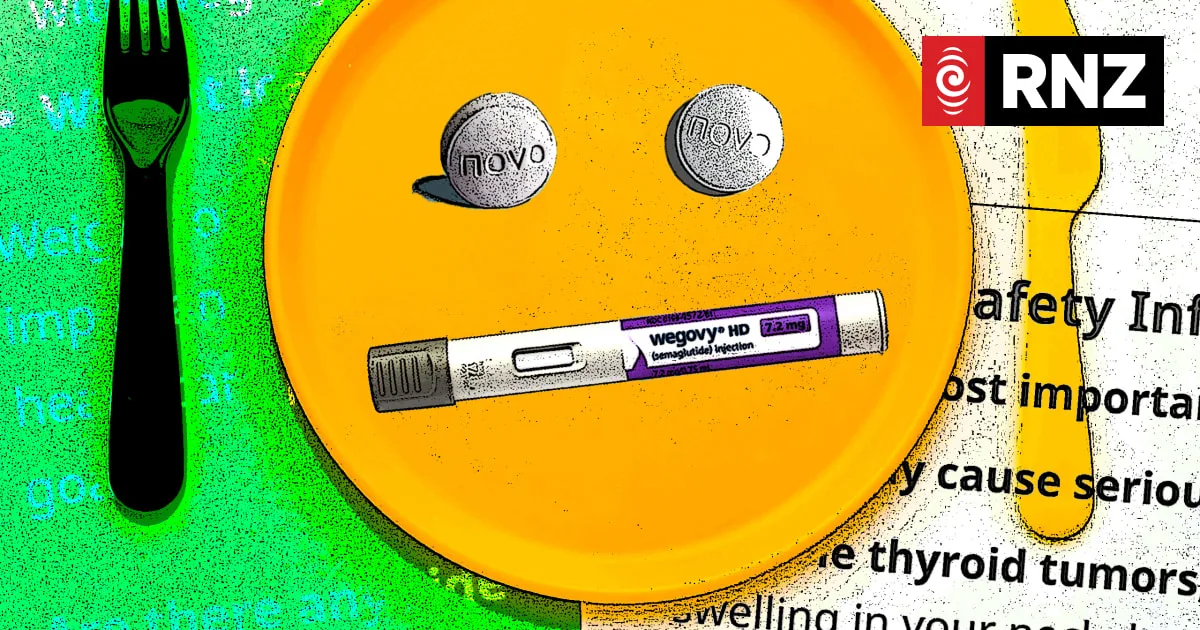
Dry mouth is another common side effect, which can contribute to oral health issues if not managed. Other potential side effects, though less frequent, can include pancreatitis, gallbladder problems, and in rare cases, thyroid tumors. It is crucial for patients to discuss their full medical history with their healthcare provider to assess individual risks and benefits.
The Ripple Effect: How GLP-1s Are Changing Consumer Habits
The widespread adoption of GLP-1 medications is creating fascinating shifts in consumer behavior, particularly within the food and beverage industry. Companies are actively researching and responding to these trends.
Precision tracking for your journey
Join thousands using Shotlee to accurately track GLP-1 medications and side effects.
📱 Get the Shotlee App
Track your GLP-1 medications, peptides, and health metrics on the go with our mobile app!
Functional Snacking and Portion Control
As GLP-1 users naturally eat less, there's a growing demand for "functional snacks" – items that are satisfying, nutrient-dense, and often come in smaller, convenient portions. This has led to increased sales in categories like mints, gum, and even protein bars. For example, The Hershey Company has reported an 8% growth in its Ice Breakers line, attributing some of this success to the GLP-1 trend. The CEO noted that while overall food purchases might decrease, the demand for treats, often packaged in small portions, remains relatively stable because they are viewed as an "emotional treat" rather than a meal.
Focus on Protein and Muscle Preservation
Rapid weight loss can lead to the loss of both fat and muscle mass. To combat this, many individuals on GLP-1 therapy are consciously increasing their intake of protein. This focus on preserving muscle mass is driving interest in protein-rich foods and supplements, a trend that Hershey has also observed with a 17% increase in consumption of its protein bars.
The Confectionery Industry's Adaptation
The confectionary market, often perceived as vulnerable to reduced calorie intake, appears to be somewhat insulated. The appeal of small indulgences and the emotional connection people have with treats mean that candy and chocolate are still being purchased. Companies are likely to continue innovating with smaller portion sizes, premium ingredients, and perhaps even formulations that align with a health-conscious mindset.
Tracking Your Progress and Symptoms with Shotlee
For individuals navigating the journey with GLP-1 medications, meticulous tracking of health data, symptoms, and medication adherence is paramount. Tools like Shotlee can be invaluable in managing this complex treatment regimen.
Key Data Points to Monitor:
| Data Point | Why it Matters for GLP-1 Users | How Shotlee Can Help |
|---|---|---|
| Weight | Primary indicator of treatment efficacy. | Log daily or weekly weight to visualize progress and identify trends. |
| Appetite & Cravings | Understanding how the medication affects hunger cues. | Record hunger levels before and after meals, and log any significant cravings. |
| Side Effects (Nausea, Dry Mouth, etc.) | Essential for managing comfort and identifying potential issues. | Track the frequency, severity, and timing of any side effects experienced. |
| Food & Water Intake | Ensuring adequate nutrition and hydration, especially with reduced appetite. | Log meals, snacks, and daily water consumption to ensure balanced intake. |
| Medication Doses & Schedule | Crucial for adherence and optimal therapeutic effect. | Set reminders and log each injection to maintain consistency. |
By consistently logging these details, individuals can gain a comprehensive understanding of how the GLP-1 medication is impacting their body, identify patterns, and provide valuable, data-driven insights to their healthcare providers. This proactive approach can lead to more personalized treatment adjustments and better overall outcomes.
The Future of GLP-1 Therapy and Personalized Health
The development and widespread use of GLP-1 receptor agonists represent a significant advancement in metabolic health and weight management. As research continues, we can expect to see even more sophisticated applications and potentially new drugs with enhanced benefits and fewer side effects. The impact on consumer behavior is already evident, reshaping how we think about food, snacking, and personal well-being.
For individuals using these medications, staying informed, working closely with healthcare professionals, and utilizing tools for diligent health tracking are essential components of a successful and sustainable health journey. The conversation around GLP-1s is evolving, moving beyond simple weight loss to encompass a broader understanding of their role in overall metabolic health.
Practical Takeaways
- Understand the Mechanism: GLP-1 drugs work by mimicking a natural hormone to control blood sugar and reduce appetite.
- Be Aware of Side Effects: Gastrointestinal issues and dry mouth are common. 'Ozempic breath' is a known, though less discussed, side effect.
- Consumer Trends are Shifting: Expect increased demand for smaller, functional snacks and protein-rich foods.
- Track Your Health Diligently: Use tools like Shotlee to monitor weight, symptoms, diet, and medication adherence for optimal results and communication with your doctor.
Conclusion
The influence of GLP-1 receptor agonists like Ozempic, Wegovy, Mounjaro, and Zepbound is undeniable, extending from profound impacts on individual health to subtle shifts in global consumer markets. While their primary role in weight loss and diabetes management is well-established, understanding their broader effects—including the management of side effects like 'Ozempic breath' and their influence on dietary habits—is crucial. For those on this therapeutic path, proactive health tracking with tools such as Shotlee empowers informed decision-making and fosters a collaborative relationship with healthcare providers, ultimately supporting a more holistic approach to well-being.