
For millions living with arthritis, the daily reality often involves persistent pain, stiffness, and a significant reduction in mobility. These debilitating symptoms can profoundly impact the ability to perform everyday tasks, diminishing overall quality of life. While current treatments primarily focus on managing these symptoms and reducing inflammation, a promising new avenue of research is emerging, potentially linking popular weight loss medications to improved joint health.
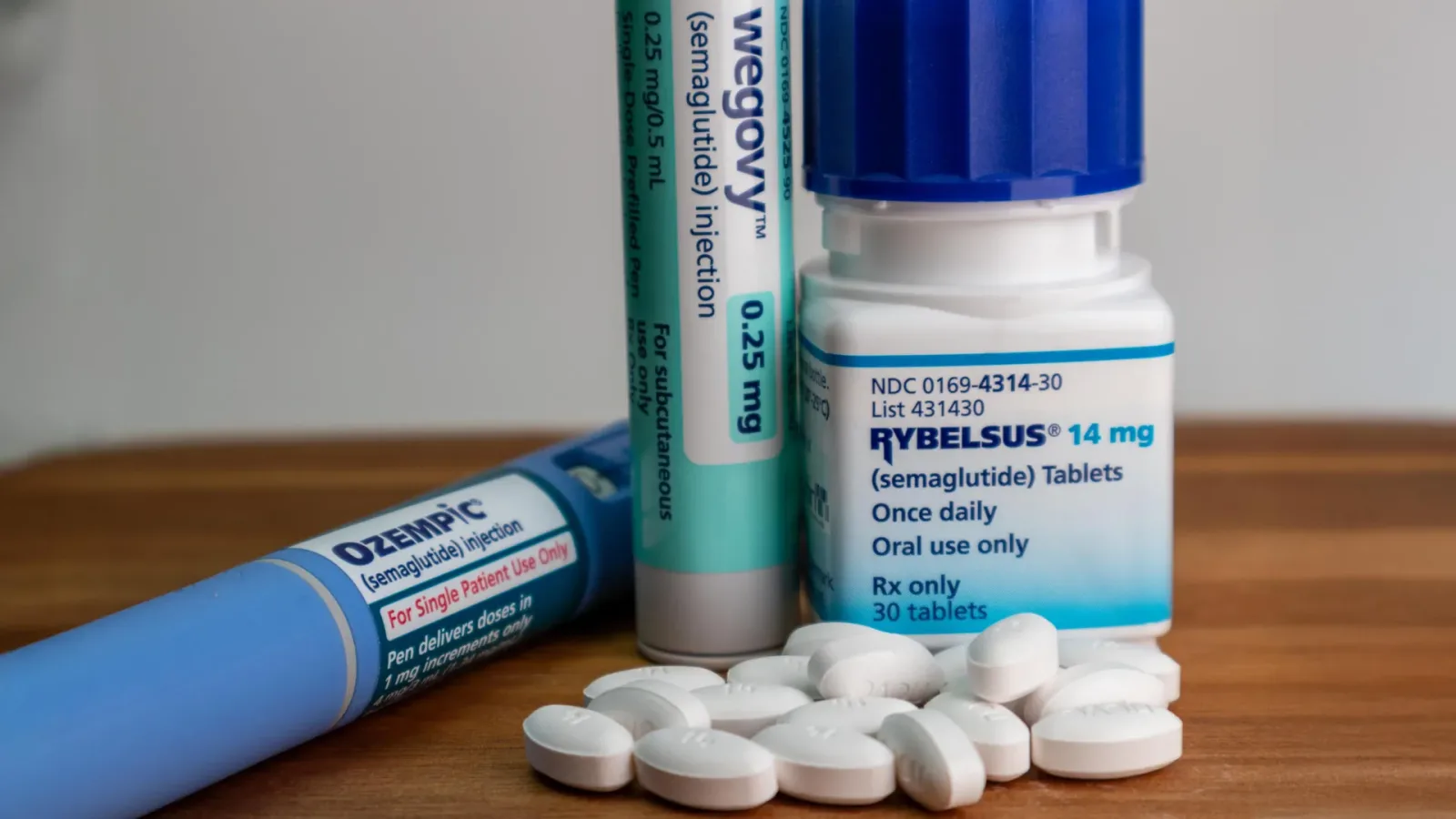
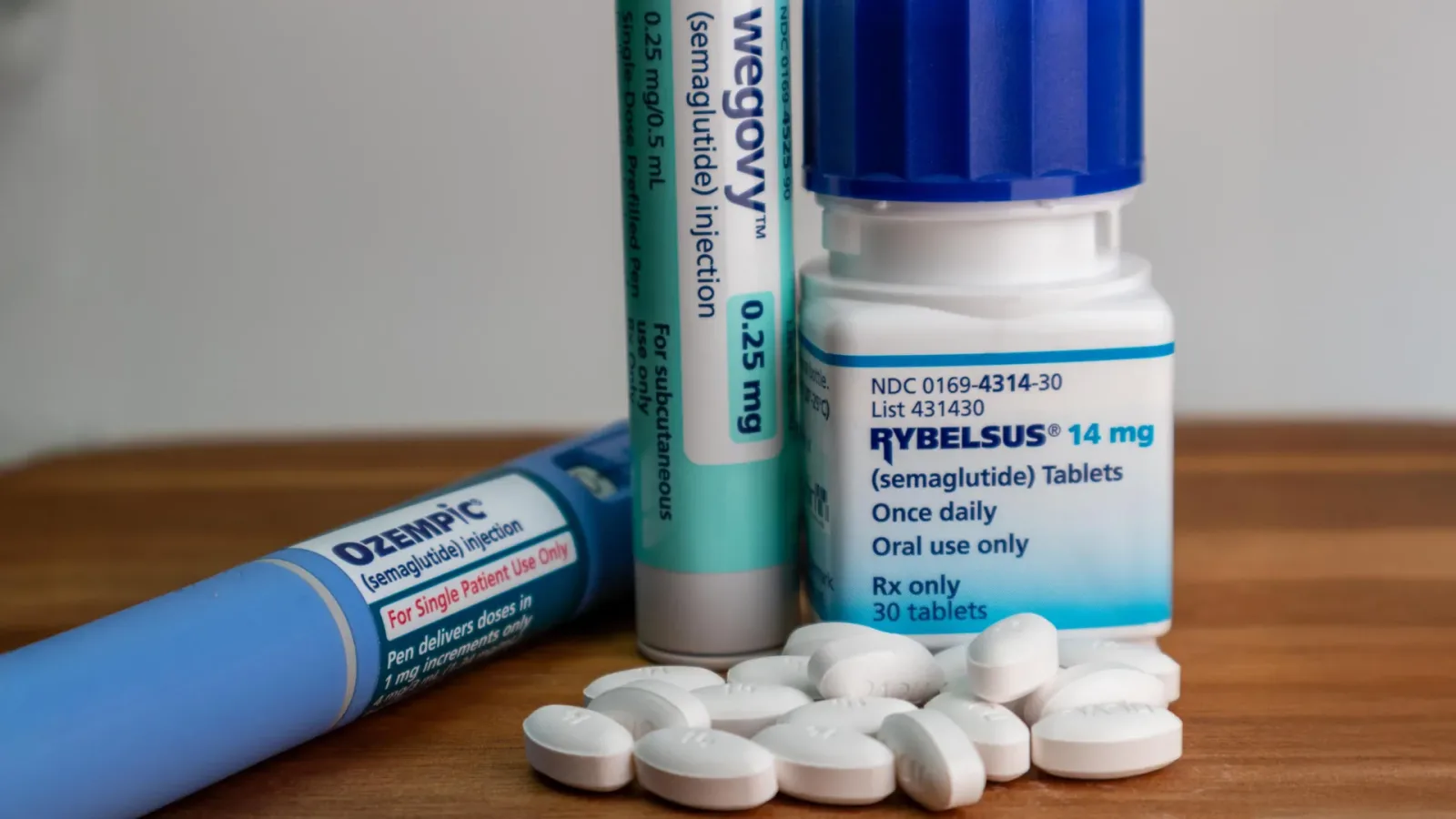
Researchers at Aarhus University's Department of Biomedicine have identified a potential new role for GLP-1, the hormone at the heart of widely recognized medications like Ozempic, Wegovy, and Mounjaro. This groundbreaking study, published in Lancet Rheumatology, suggests that these powerful drugs might offer a dual benefit: not only aiding in weight management but also directly targeting inflammation within the joints.
Understanding Arthritis and Current Treatment Approaches
Arthritis is not a single condition but an umbrella term encompassing a diverse group of joint disorders. This spectrum includes inflammatory conditions such as rheumatoid arthritis and psoriatic arthritis, where the body's immune system mistakenly attacks the joints, leading to swelling and damage. On the other end of the spectrum is osteoarthritis, the most prevalent form, characterized by the gradual wear and tear of joint cartilage, often resulting in pain and stiffness.
Current therapeutic strategies for arthritis are tailored to the specific type of joint disease. For inflammatory types, the focus is on suppressing the overactive immune response and reducing inflammation to prevent further joint damage. For osteoarthritis, treatments aim to alleviate pain, improve joint function, and slow the progression of cartilage degeneration. While weight management is a cornerstone recommendation for many arthritis patients, particularly those with osteoarthritis, due to the reduced stress it places on weight-bearing joints, the potential for pharmacological intervention to address inflammation directly is an exciting prospect.
The Science Behind GLP-1 and Joint Inflammation
The key to this new research lies in the hormone Glucagon-Like Peptide-1 (GLP-1). Naturally produced in the body, GLP-1 plays a crucial role in regulating blood sugar levels and promoting a feeling of fullness, which contributes to its effectiveness in weight loss. The recent study delved into the presence and function of GLP-1 within the joints themselves.
Associate Professor Tue Wenzel Kragstrup, who spearheaded the research, explained the significance of their findings: "Our study shows that the body's own GLP-1 hormone is present only in very small amounts in the joints. This means that its natural effect in the joint is likely to be limited. However, it also suggests that GLP-1-based medication, which is administered in much higher doses, may be able to influence inflammation directly in the joints."
This observation is critical. Because GLP-1 medications are administered exogenously and at significantly higher concentrations than what the body naturally produces in the joint environment, they may possess the capacity to exert a more pronounced effect on local inflammatory processes. The study's data work, meticulously led by medical doctor and PhD student Mads Brüner alongside PhD student Amalie Broksø, involved the analysis of blood and joint fluid samples from arthritis patients.
Linking Blood Levels to Joint Concentrations
A significant finding from the research was the strong correlation between GLP-1 levels in the blood and those found within the joint fluid. "We can see that the levels of GLP-1 in joint fluid are closely linked to the levels in the blood," Brüner elaborated. "This suggests that it is primarily the amount of GLP-1 circulating in the body that determines how much reaches the joint." This finding is crucial because it implies that systemic administration of GLP-1 medications could lead to sufficient concentrations reaching the affected joints to potentially exert therapeutic effects.
A Potential Dual Benefit for Arthritis Patients
The implications of this research are substantial, particularly for individuals managing arthritis alongside weight concerns. As Kragstrup noted, "Weight loss is already part of the recommendations for many patients with arthritis, but our study may indicate that medication such as Wegovy could have a dual effect -- both through weight loss and by increasing GLP-1 levels in the joints."
Precision tracking for your journey
Join thousands using Shotlee to accurately track GLP-1 medications and side effects.
📱 Get the Shotlee App
Track your GLP-1 medications, peptides, and health metrics on the go with our mobile app!
This potential for a "dual benefit" could revolutionize how certain types of arthritis are managed. For patients who are candidates for GLP-1 therapy for weight loss or type 2 diabetes, the added possibility of reducing joint inflammation without additional medication is a highly attractive prospect. It suggests a more holistic approach to managing a condition that often involves multiple contributing factors.
The First Detection of GLP-1 in Arthritic Joint Fluid
While previous studies had hinted at the anti-inflammatory properties of GLP-1, this marks the first documented instance of the hormone being directly detected in the joint fluid of individuals with arthritis. This direct evidence provides a strong biological rationale for further investigation into GLP-1-based therapies for joint conditions.
However, the researchers are careful to manage expectations. "Our findings provide a biological basis for investigating whether GLP-1-based medication may have direct effects in the joints -- beyond the known effects on weight and metabolism," Kragstrup stated. "However, we have not demonstrated that the treatment works against arthritis. This will require a number of clinical studies."
The scientific community emphasizes that it is premature for patients to consider these medications as a direct treatment for arthritis. Extensive clinical trials are necessary to confirm efficacy, determine optimal dosages, and assess long-term safety for joint health. The immediate next step, as outlined by the researchers, is to "investigate whether the medication reaches the joints in sufficient quantities and actually reduces inflammation in the joints."
About the Study and Its Collaborators
This translational clinical biomarker study was a collaborative effort involving several esteemed institutions. Researchers from Aarhus University's Department of Biomedicine and the Department of Molecular Medicine (MOMA) at Aarhus University Hospital worked alongside colleagues from the Clinic for Rheumatic and Connective Tissue Diseases at Hospitalsenhed Midt, the Novo Nordisk Foundation Center for Basic Metabolic Research, and the Department of Biomedical Sciences at the University of Copenhagen.
The study's primary objective was to ascertain if GLP-1 could be quantified in joint fluid and to compare these levels with those found in the bloodstream of patients suffering from inflammatory arthritis, including rheumatoid arthritis and spondyloarthritis. The research received funding from the Director Michael Hermann Nielsen's Memorial Grant and the Risford Foundation. Importantly, the authors reported no conflicts of interest related to their work on this study.
Practical Takeaways for Patients
While the research on GLP-1 and arthritis is in its early stages, it offers a beacon of hope for many. For individuals currently using or considering GLP-1 medications like Ozempic, Wegovy, or Mounjaro for weight management or diabetes, understanding this potential secondary benefit could be encouraging. However, it is crucial to remember:
- Consult Your Doctor: Always discuss any new health information or treatment considerations with your healthcare provider. Do not start or stop any medication without medical supervision.
- Focus on Current Treatments: Continue to adhere to your prescribed arthritis treatment plan. This research is exploratory and not yet a substitute for established therapies.
- Track Your Progress: If you are on a GLP-1 medication, consider using tools like Shotlee to monitor your weight, any changes in joint pain or stiffness, and medication adherence. This data can be invaluable for discussions with your doctor.
- Stay Informed: Keep abreast of future research and clinical trial results, which will provide clearer answers on the efficacy of GLP-1 drugs for arthritis.
Conclusion
The discovery that GLP-1 medications might possess the ability to combat inflammation directly within the joints, in addition to their well-established role in weight management, represents a significant advancement in our understanding of these powerful drugs. While much more research is needed, this study opens the door to a future where medications like Ozempic and Wegovy could offer a more comprehensive solution for individuals grappling with the dual challenges of excess weight and inflammatory joint conditions. This potential dual action could pave the way for improved patient outcomes and a better quality of life for those affected by arthritis.