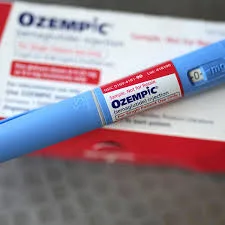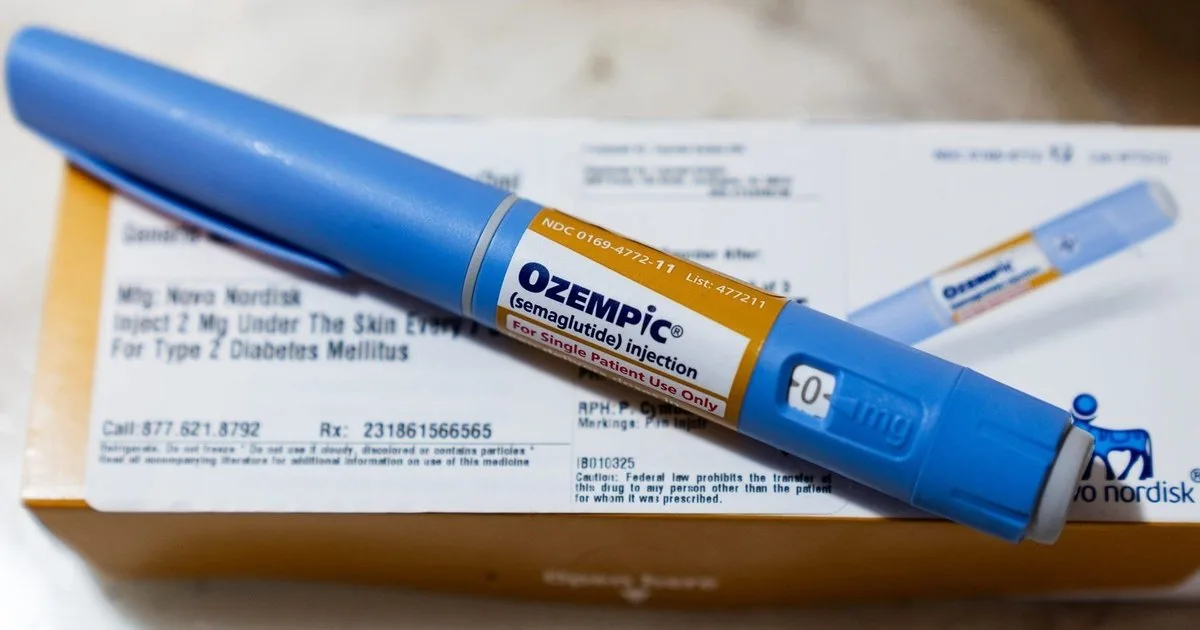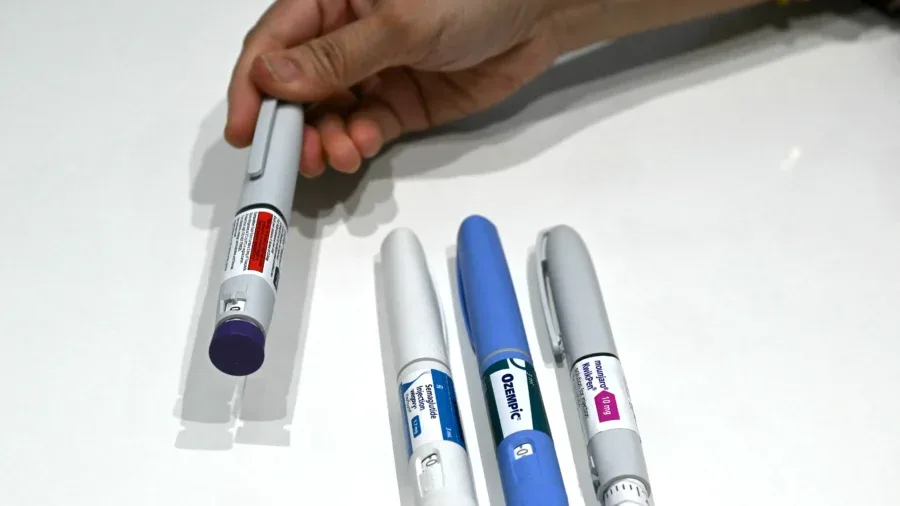

The U.S. Food and Drug Administration (FDA) has issued a stern warning to Harbin Jixianglong Biotech Co., Ltd., a China-based pharmaceutical firm, highlighting serious concerns about its manufacturing practices for active pharmaceutical ingredients (APIs) used in GLP-1 medications. These medications, including popular treatments for Type 2 diabetes and weight loss, rely on the purity and quality of their core chemical components. The FDA's action underscores the critical importance of robust oversight in global pharmaceutical supply chains to ensure patient safety.
Concerns Over Relabeling and Manufacturing Controls
The FDA's warning letter details several significant violations observed at Harbin Jixianglong Biotech. A primary concern is the company's practice of repackaging and relabeling active pharmaceutical ingredients sourced from external suppliers. This process, coupled with the alteration of manufacturing and retest dates without proper supporting documentation, raises red flags regarding the traceability and authenticity of the ingredients. Such actions can obscure the true origin and history of the materials, making it difficult to assess their quality and safety.
Furthermore, the FDA found that the company failed to maintain adequate controls for manufacturing, testing, and preventing contamination. This is particularly alarming given that semaglutide and tirzepatide, the APIs in question, are typically incorporated into finished sterile injectable drugs. These finished products require stringent measures to prevent microbial contamination and ensure sterility. The warning letter specifically noted a lack of testing for endotoxins—toxic substances produced by certain bacteria—during the manufacturing process. Additionally, the water used in production was not adequately sampled or tested, even when manually transported and stored for manufacturing use. Harbin Jixianglong Biotech acknowledged not fully assessing the risks of microbial contamination or implementing sufficient controls for its water system.
Potential Risks to Consumers
The FDA expressed significant concern that the company's labeling practices "may have been an attempt to circumvent safeguards" and could "pose a risk to consumers of receiving substandard GLP-1 APIs." The integrity of the API is paramount; any compromise in its quality can directly impact the efficacy and safety of the final drug product administered to patients. For individuals relying on GLP-1 medications for chronic conditions like Type 2 diabetes or for weight management, the purity and accurate labeling of these ingredients are non-negotiable.
This situation highlights the vulnerability of the pharmaceutical supply chain. When APIs are not manufactured and handled according to strict regulatory standards, the risks extend from the ingredient supplier all the way to the patient. The FDA's intervention is a crucial step in preventing potentially compromised ingredients from entering the U.S. market and reaching consumers.
Regulatory Actions and Company Response
In response to these findings, the FDA took decisive action. On February 27th, the agency placed Harbin Jixianglong Biotech Co., Ltd. under an import alert. This alert empowers customs officials to detain shipments from the company without the need for physical inspection, significantly hindering their ability to export to the U.S. The company was also removed from the FDA's clearance list for reviewing incoming drug ingredients.
The company did acknowledge that it sometimes sourced products from other suppliers to meet high U.S. demand. However, the FDA found that Harbin Jixianglong Biotech lacked proper procedures for these third-party purchases. The warning letter also noted that the company shipped tirzepatide batches to the U.S. before completing necessary tests to confirm the drugs' stability and effectiveness until their listed expiration dates. The FDA is seeking clarity on the fate of semaglutide batches that had already been sold.
Harbin Jixianglong Biotech was given a strict deadline of 15 working days to respond to the FDA's warning letter, outlining corrective actions and a remediation plan to address the identified deficiencies.
Understanding GLP-1 Medications and APIs
To fully grasp the implications of the FDA's warning, it's important to understand what GLP-1 medications and their APIs are:
- GLP-1 Receptor Agonists: These are a class of drugs that mimic the action of the naturally occurring hormone glucagon-like peptide-1 (GLP-1). This hormone plays a role in regulating blood sugar levels and appetite.
- Active Pharmaceutical Ingredients (APIs): These are the biologically active components of a drug product. In the case of GLP-1 medications, semaglutide and tirzepatide are the APIs. They are the raw chemical substances that produce the desired therapeutic effect.
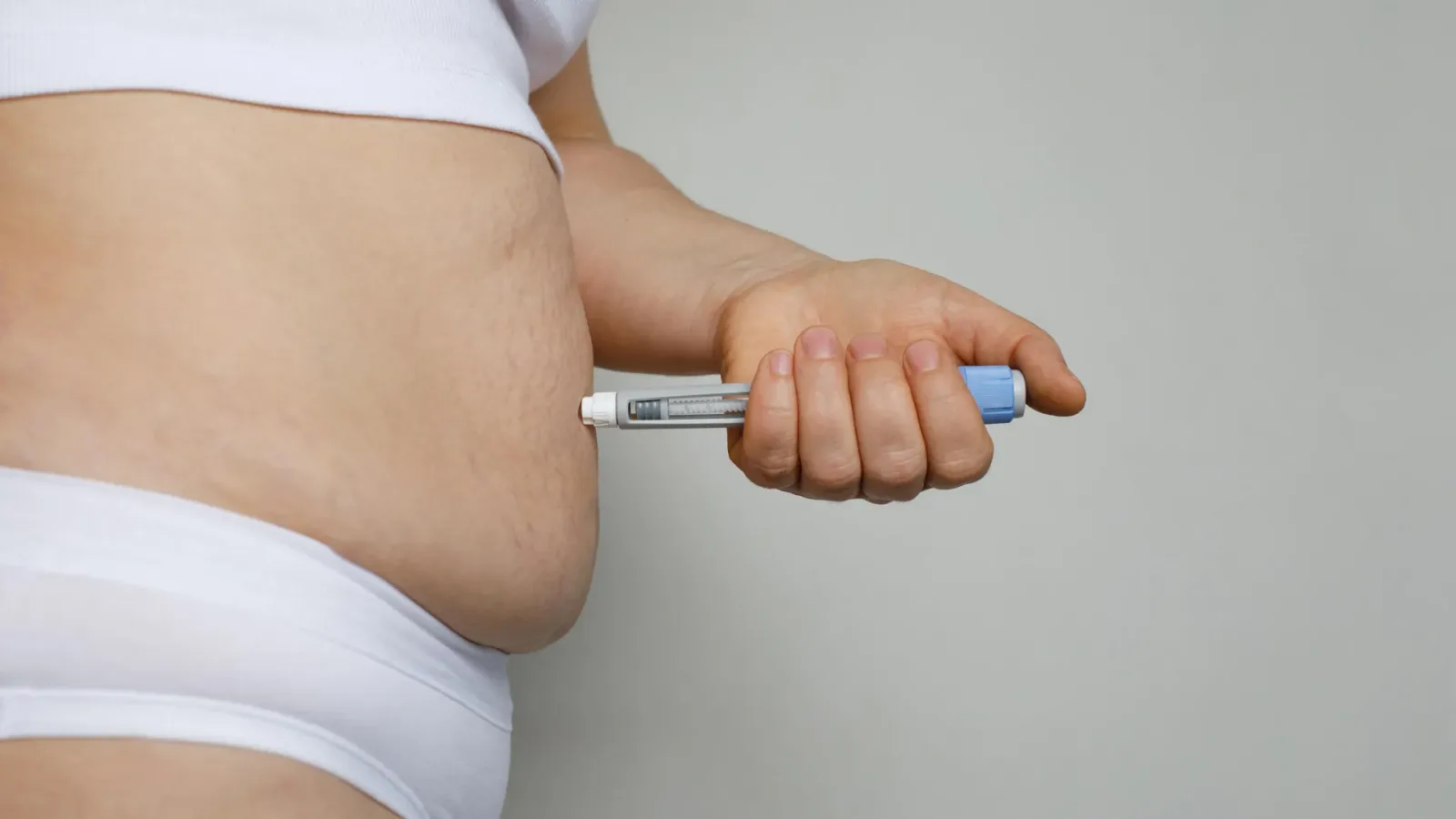
- Finished Prescription Drugs: APIs are manufactured under strict conditions and then formulated into the final dosage forms (e.g., injectable pens) that patients receive. This formulation process also involves rigorous quality control.
- Compounded Medications: In some instances, APIs may be used in compounded medications, which are custom-made preparations for individual patients.
The FDA's warning letter specifically addresses issues with the APIs, not the finished prescription drugs sold directly to patients. However, any compromise at the API stage can have downstream consequences for the safety and efficacy of the final medications. For individuals using these medications, understanding the supply chain's integrity is crucial.
Tracking Your Health and Medication Journey with Shotlee
For individuals managing chronic conditions with medications like those derived from GLP-1 APIs, meticulous tracking of their health journey is essential. Utilizing tools that help monitor dosages, potential side effects, and overall well-being can provide valuable insights and empower proactive health management. Platforms like Shotlee can be instrumental in:
Precision tracking for your journey
Join thousands using Shotlee to accurately track GLP-1 medications and side effects.
📱 Get the Shotlee App
Track your GLP-1 medications, peptides, and health metrics on the go with our mobile app!
- Dose Management: Accurately logging medication schedules and doses, ensuring adherence and proper administration.
- Symptom Tracking: Recording any symptoms experienced, whether related to the condition being treated or potential side effects of the medication. This data can be invaluable when discussing progress with healthcare providers.
- Health Data Integration: Connecting various health metrics to provide a holistic view of one's health status alongside medication use.
By maintaining a detailed record of medication intake and health responses, patients can work more effectively with their doctors to optimize treatment plans and address any concerns promptly.
Key Takeaways and Future Implications
The FDA's action against Harbin Jixianglong Biotech serves as a critical reminder of the complexities and potential vulnerabilities within the global pharmaceutical supply chain. For APIs like semaglutide and tirzepatide, which are in high demand for treating prevalent health conditions, ensuring their quality and authenticity is paramount.
This incident underscores the need for:
- Enhanced Regulatory Scrutiny: Continued vigilance from regulatory bodies like the FDA to identify and address non-compliant manufacturers.
- Supply Chain Transparency: Greater transparency and traceability from API manufacturers to finished drug producers.
- Due Diligence by Purchasers: Pharmaceutical companies purchasing APIs must conduct thorough due diligence on their suppliers.
- Patient Awareness: While patients receive finished drugs, understanding the importance of regulatory oversight in the API manufacturing process is beneficial.
The FDA's proactive stance is vital in safeguarding public health and maintaining confidence in the medications Americans rely on.
Conclusion
The FDA's warning to Harbin Jixianglong Biotech Co., Ltd. highlights significant concerns regarding the manufacturing and handling of critical GLP-1 drug ingredients. Practices such as relabeling, altering dates without documentation, and inadequate contamination controls pose potential risks to the integrity of medications used by millions for diabetes and weight management. Regulatory actions, including import alerts, are in place to mitigate these risks. This situation emphasizes the ongoing importance of stringent oversight and transparency throughout the global pharmaceutical supply chain to ensure the safety and efficacy of life-changing therapies.
Frequently Asked Questions
1. What specific GLP-1 drug ingredients were involved in the FDA warning?
The FDA warning letter specifically addresses issues with the active pharmaceutical ingredients (APIs) semaglutide and tirzepatide. These are the core chemical components used to manufacture popular GLP-1 medications prescribed for Type 2 diabetes and weight loss.
2. Does this FDA warning mean the finished Ozempic, Wegovy, or Mounjaro drugs are unsafe?
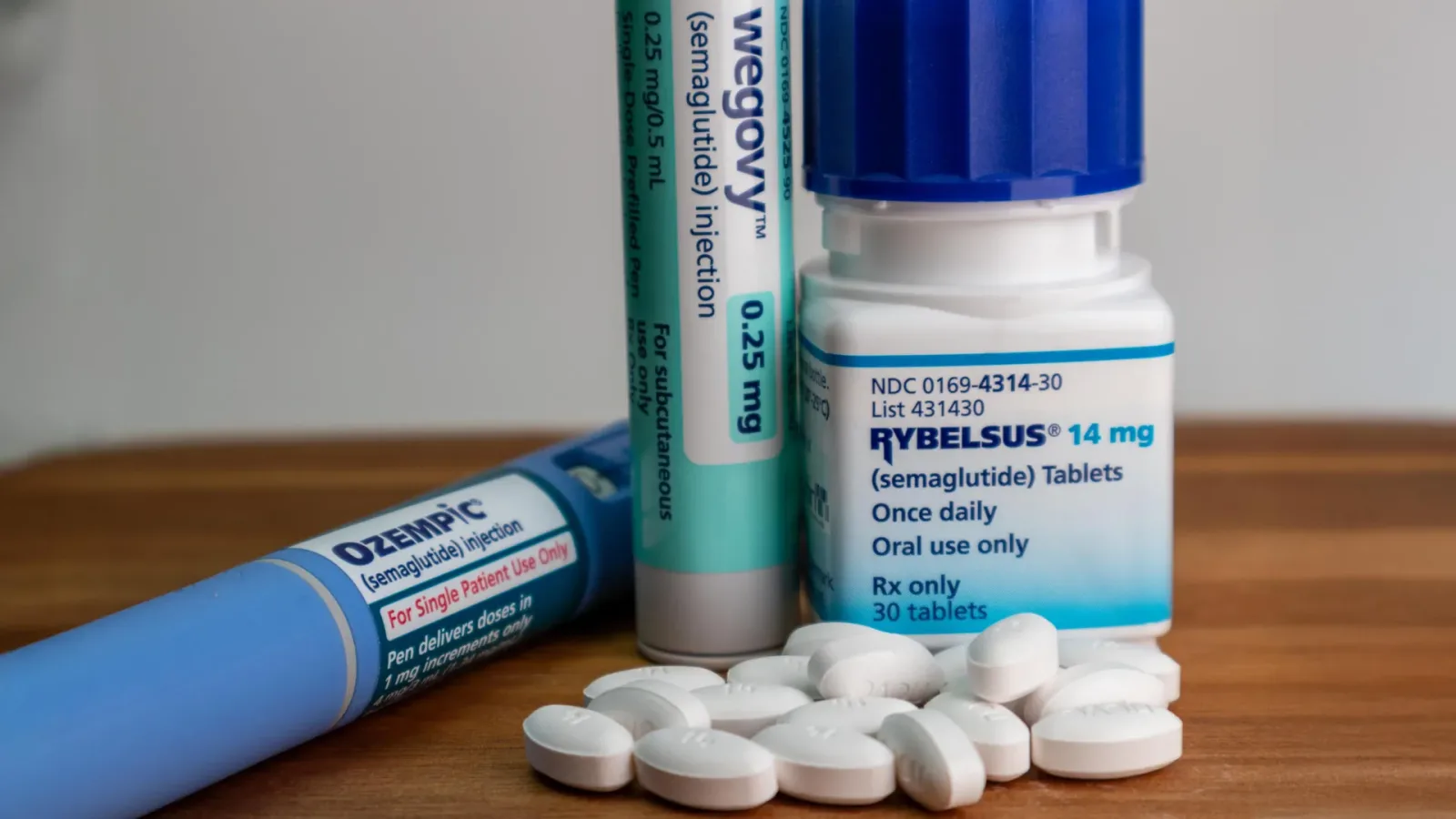
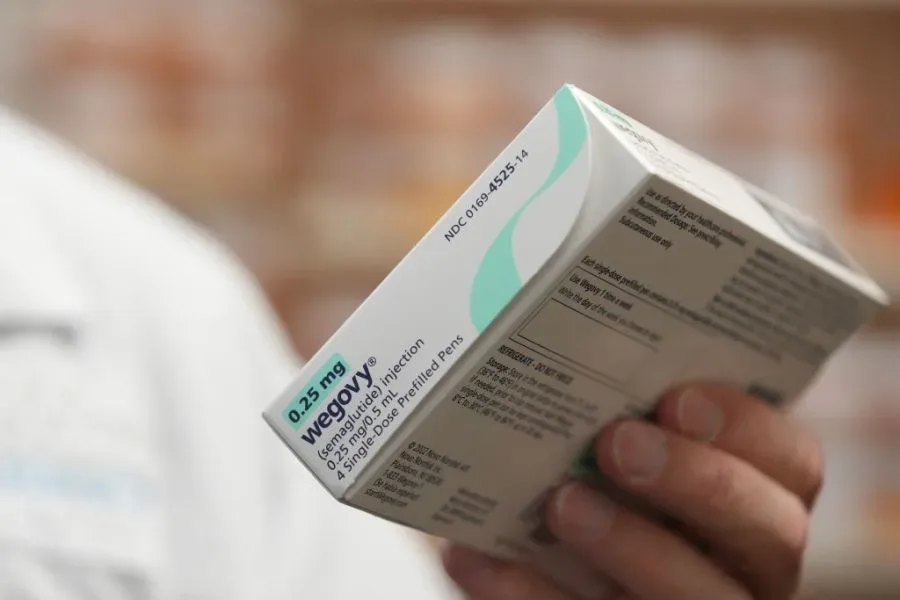
The FDA's warning letter pertains to the active pharmaceutical ingredients (APIs) manufactured by Harbin Jixianglong Biotech, not the finished prescription drugs like Ozempic, Wegovy, or Mounjaro sold directly to patients. However, compromised APIs can potentially affect the quality of finished drugs, which is why regulatory oversight is crucial at all stages.
3. What were the main violations by Harbin Jixianglong Biotech?
The primary violations included repackaging and relabeling sourced APIs, altering manufacturing and retest dates without proper documentation, and failing to maintain adequate controls for manufacturing, testing, and preventing contamination, such as endotoxin testing and proper water system management.
4. What actions did the FDA take against the company?
The FDA placed Harbin Jixianglong Biotech Co., Ltd. under an import alert, allowing for the detention of its shipments without inspection. The company was also removed from the FDA's clearance list for incoming drug ingredients.
5. How can patients ensure the quality and safety of their GLP-1 medications?
Patients should obtain their medications from legitimate pharmacies and healthcare providers. While the API manufacturing is complex, regulatory actions like the FDA's warning aim to protect the supply chain. Keeping detailed records of your medication and any side effects using tools like Shotlee can help you and your doctor monitor your treatment effectively.