
The U.S. Military's Growing Obesity Challenge
A significant concern has emerged within the U.S. Armed Forces: a rising tide of obesity among its personnel. Recent reports highlight a startling statistic: approximately 68 percent, or two out of every three, of the military's Reserve and National Guard forces are classified as overweight. This figure, revealed in a 2025 report by the American Security Project, paints a concerning picture of the health and readiness of a crucial segment of the nation's defense infrastructure.
The implications of this trend extend beyond individual health. A physically unfit military can impact operational effectiveness, recruitment, and overall national security. In response to these findings, Secretary of War Pete Hegseth voiced strong concerns, stating on X, "Completely unacceptable. This is what happens when standards are IGNORED - and this is what we are changing. REAL fitness & weight standards are here. We will be FIT, not FAT." This statement suggests a renewed focus on stringent fitness and weight standards as a potential solution.
A Multi-Million Dollar Prescription: GLP-1 Medications in the Military
While the call for stricter physical standards is clear, a parallel and perhaps more controversial development has surfaced regarding the military's approach to weight management. Astonishingly, since 2021, the U.S. military has allocated nearly $726 million to acquire GLP-1 agonist medications, widely known for their role in weight loss and diabetes management. This expenditure includes a substantial $274.6 million in fiscal year 2025 alone, according to spending records obtained by Open the Books.
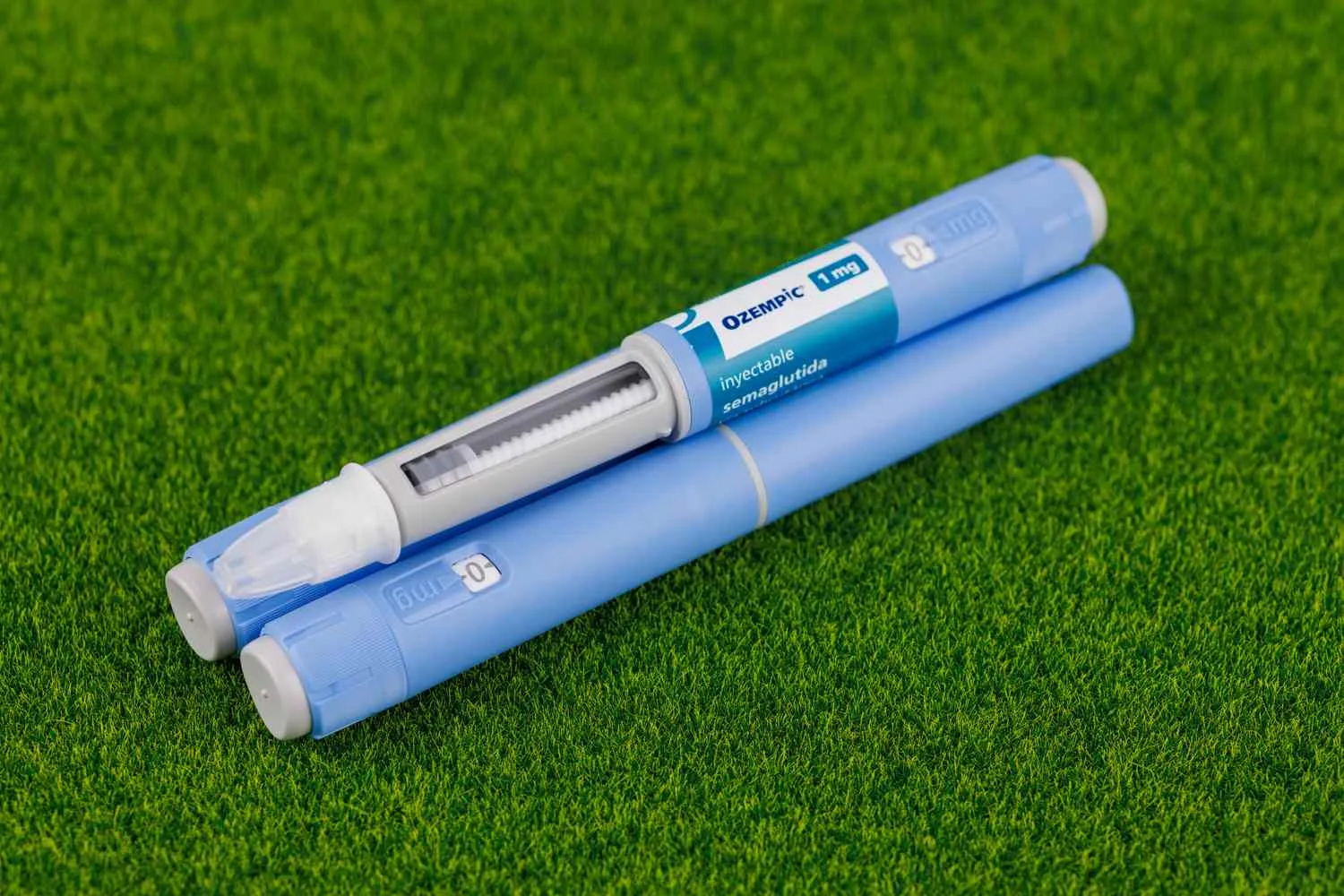
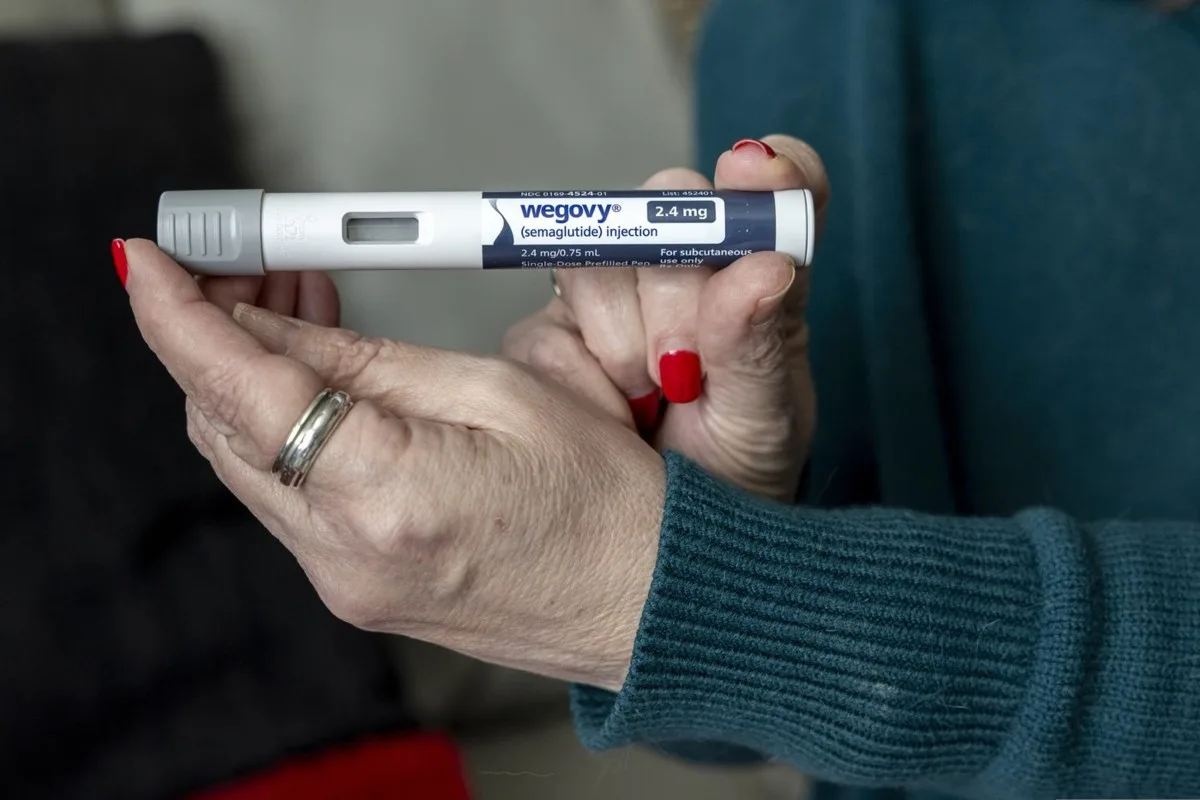
These purchases, totaling 102,597 individual transactions, were facilitated through the Defense Logistics Agency for "troop support." The vast majority of these funds were directed to the wholesale pharmaceutical company Cencora. The acquired medications span over a dozen varieties of GLP-1 drugs, including popular and widely discussed options such as Ozempic (semaglutide), Wegovy (semaglutide), Mounjaro (tirzepatide), and Trulicity (dulaglutide). This significant investment in pharmaceutical interventions for weight loss has drawn considerable criticism.
Criticism and Controversy: A "Waste of the Day"?
The revelation of this extensive spending has ignited a firestorm of criticism from various quarters, including military veterans, taxpayers, and health advocates. RealClearInvestigations notably dubbed this disclosure the "Waste of the Day," underscoring the public's strong reaction to the financial outlay.
Many individuals, particularly those who have served in the military, express outrage and disbelief. Retired Navy Medical Service Corps officer Lt. Ted Macie articulated his dismay, informing The Gateway Pundit that data from the Defense Medical Epidemiology Database (DMED) reveal a concerning surge in obesity rates within the military over the past decade. From 2016 to 2019, an average of 13,863 cases of overweight and obesity were documented annually across all service branches. This average climbed significantly to 21,969 cases per year between 2020 and 2023. The increase is stark: a 190 percent jump in documented cases, with figures soaring from 12,249 in 2019 to 35,531 in 2023.
A Bandage on a Broken Leg?
Lt. Macie sharply criticized the reliance on GLP-1 medications like Ozempic and Mounjaro, characterizing it as "yet another bandage on a broken leg." He further elaborated on the significant financial burden, stating, "and this one comes with a nearly billion-dollar tax burden and for avoidable poor choices." Macie, a long-time proponent of fitness and nutrition who has served as a command fitness leader, believes that the military should prioritize foundational health and wellness strategies over pharmacological interventions.
The debate centers on whether these GLP-1 medications represent a sustainable and appropriate solution to the military's obesity problem, or if they are a costly, short-term fix that distracts from addressing the root causes of poor health and fitness within the ranks. Critics argue that the focus should be on comprehensive lifestyle interventions, improved nutrition programs, and robust physical training regimens.
Understanding GLP-1 Agonists and Their Role
Glucagon-like peptide-1 (GLP-1) receptor agonists are a class of medications that mimic the action of the natural GLP-1 hormone. This hormone plays a crucial role in regulating blood sugar and appetite. When administered, GLP-1 agonists can:
Precision tracking for your journey
Join thousands using Shotlee to accurately track GLP-1 medications and side effects.
📱 Get the Shotlee App
Track your GLP-1 medications, peptides, and health metrics on the go with our mobile app!
- Stimulate insulin release: Helping to lower blood sugar levels, particularly after meals.
- Slow gastric emptying: This leads to a feeling of fullness and can reduce overall food intake.
- Act on the brain: Influencing appetite control centers to reduce hunger and cravings.
These mechanisms contribute to significant weight loss in many individuals, making them a popular choice for both medical and cosmetic weight management. Medications like semaglutide (Ozempic, Wegovy) and tirzepatide (Mounjaro) have demonstrated considerable efficacy in clinical trials.
The Military Context: Readiness and Health
The U.S. military faces unique challenges in maintaining the health and fitness of its service members. Deployment readiness, physical capability, and long-term health are paramount. Obesity can impair physical performance, increase the risk of injuries, and contribute to chronic health conditions that can lead to medical disqualifications and reduced service longevity.
The decision to invest heavily in GLP-1 medications suggests an acknowledgment of the severity of the obesity crisis and a search for effective tools to combat it. However, the substantial financial commitment raises questions about resource allocation and the long-term strategy for military health. Is this a temporary measure to address an urgent problem, or is it part of a broader, evolving approach to military wellness?
Weighing the Costs and Benefits
The expenditure of over $700 million on GLP-1 drugs for military personnel is a complex issue with significant financial and health implications. While these medications can be effective for weight loss, their high cost and the potential for long-term reliance warrant careful consideration.
| Metric | Data Point |
|---|---|
| Total Military Spending on GLP-1s (Since 2021) | Nearly $726 million |
| Spending in FY 2025 | $274.6 million |
| Number of Purchases | 102,597 |
| Primary Acquisition Channel | Defense Logistics Agency |
| Key Medications Acquired | Ozempic, Wegovy, Mounjaro, Trulicity |
| Obesity Rate (Reserve/National Guard) | ~68% |
| Increase in Overweight/Obesity Cases (2019-2023) | 190% |
The debate is not simply about the cost of the drugs themselves, but about the underlying health of the force and the most effective, responsible ways to address it. For individuals managing their weight and health, tools like the Shotlee app can be invaluable for tracking medication adherence, monitoring weight trends, logging meals, and recording physical activity, providing a comprehensive overview of progress and potential challenges.
Practical Takeaways for Service Members and Taxpayers
For service members grappling with weight management, understanding the available options, including lifestyle changes and prescribed medications, is crucial. Consulting with military healthcare providers is the first step to determining the best course of action.
For taxpayers, the significant expenditure highlights the ongoing costs associated with military readiness and healthcare. It underscores the need for transparency and accountability in defense spending and for evaluating the long-term effectiveness and sustainability of various health initiatives. The conversation around military fitness and the tools used to achieve it is evolving, and it's a discussion that impacts both those who serve and those who support them.
Conclusion: A Path Forward for Military Health?
The U.S. military's substantial investment in GLP-1 medications for weight loss presents a complex challenge. While these drugs offer a potential avenue for addressing the growing obesity crisis within the armed forces, they have also sparked significant debate regarding their cost-effectiveness and whether they represent a sustainable solution. The criticism that these medications are a "bandage on a broken leg" resonates with those who advocate for a more holistic approach to fitness and health.
Moving forward, a balanced strategy is likely needed. This would involve reinforcing stringent fitness and weight standards, as advocated by Secretary Hegseth, alongside comprehensive wellness programs that emphasize nutrition, exercise, and mental health. Pharmaceutical interventions, including GLP-1 agonists, may play a role for some individuals, but they should ideally be part of a broader, integrated health strategy. The goal remains a fit, healthy, and ready military force, and achieving this will require careful consideration of all available tools and a commitment to addressing the root causes of the challenges faced.