
Entrepreneur Uses AI to Build $1B Telehealth Company on GLP-1 Drugs
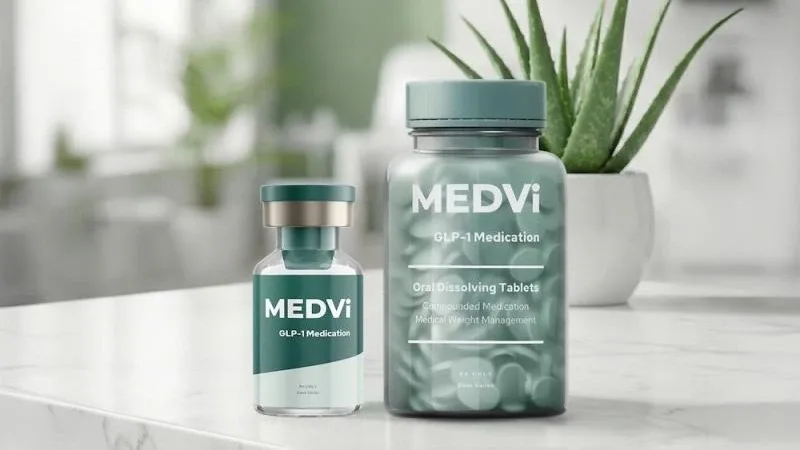
In the evolving landscape of telehealth and metabolic health, Matthew Gallagher has demonstrated the power of AI combined with high-demand GLP-1 medications. This 41-year-old Los Angeles entrepreneur built Medvi, a U.S.-based telehealth startup generating nearly $2 billion in revenue, primarily by leveraging AI tools to sell GLP-1 drugs like Ozempic. Gallagher's story, highlighted in a New York Times report, shows how one person can scale a company to billion-dollar status using AI for everything from website development to customer support.
The Rapid Rise of Medvi: From $20K to $1.8 Billion
Medvi launched in September 2024 with just $20,000 in initial funding. By 2025, it had achieved $401 million in revenue, serving approximately 250,000 customers. Projections for 2026 point to around $1.8 billion in revenue. Initially, Gallagher was the sole employee, handling all operations until bringing his brother on board. The company's explosive growth caught the attention of tech leaders, including OpenAI's president, who posted on X: "AI creates new opportunity for entrepreneurs," quoting the NYT report on Medvi.
While Medvi operates as a telehealth platform rather than a pure tech company, AI forms its backbone. Gallagher used "vibe-coding" techniques with tools like ChatGPT, Claude, and Grok to build the company website. AI-generated images from Midjourney and video creatives from Runway powered marketing efforts. ElevenLabs handled voice for customer communications, custom AI agents integrated operations, and a chatbot managed queries. Gallagher even cloned his avatar and voice to conduct multiple customer meetings simultaneously.
AI as the Heavy Lifter in Medvi's Operations
Medvi's website, marketing materials, sales outreach, and customer support are all AI-driven. This solo-founder model echoes Sam Altman's prediction that AI would enable one person to run a $1 billion company—a vision Gallagher has realized ahead of schedule. The efficiency of these tools allowed rapid scaling without a large team, focusing resources on customer acquisition and fulfillment.
Understanding Vibe-Coding and AI Integration
Vibe-coding refers to Gallagher's intuitive use of AI language models to generate code and assets without deep programming expertise. This approach democratizes business creation, particularly in telehealth where quick iteration is key. For patients seeking GLP-1 prescriptions, this translates to a seamless online experience: quick consultations, AI-assisted queries, and fast prescription fulfillment.
The GLP-1 Secret Sauce Driving Medvi's Success
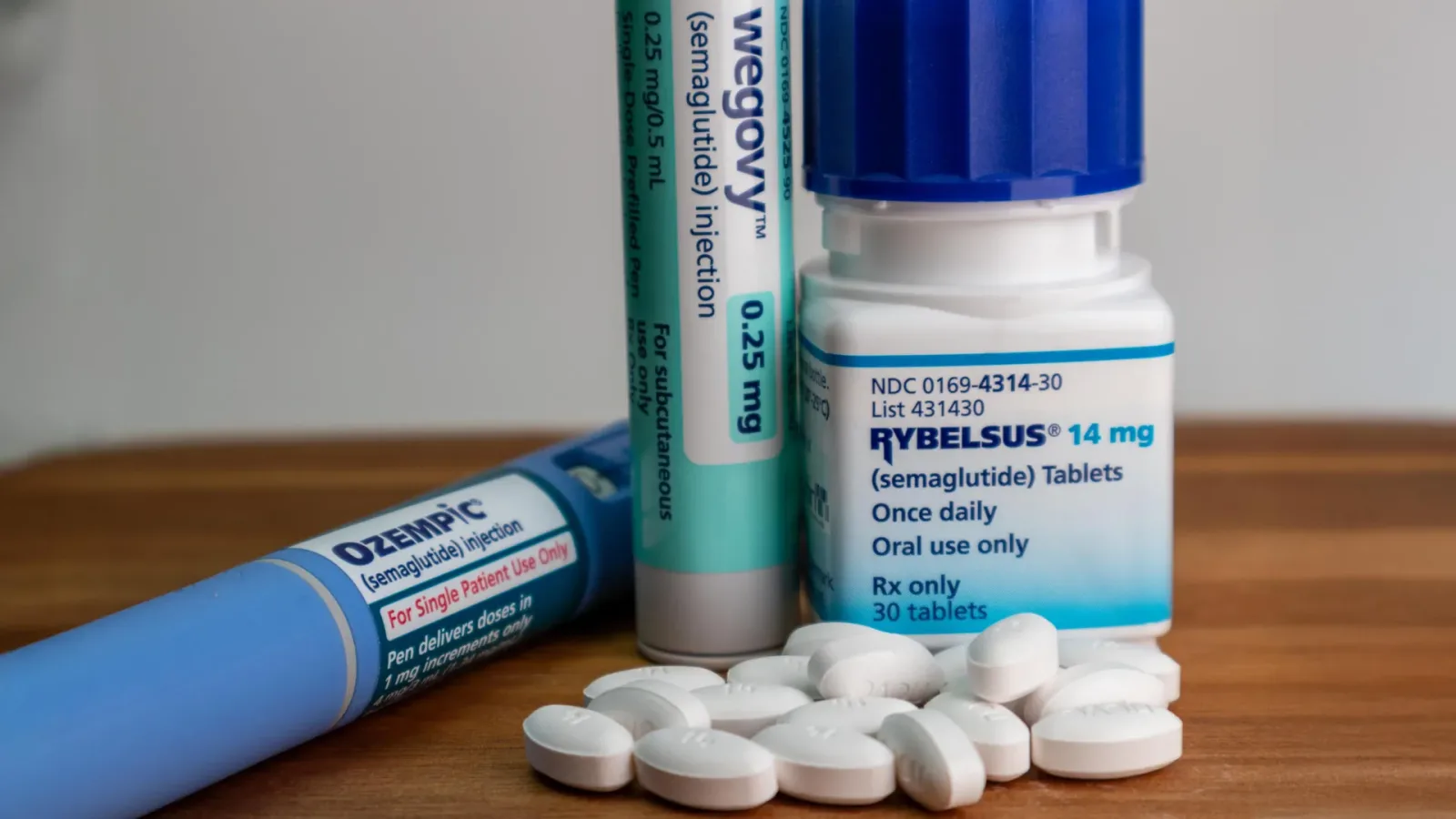
Medvi's core offering is GLP-1 drugs, prescription medications like Ozempic primarily for diabetes and obesity management. These drugs, such as semaglutide (the active ingredient in Ozempic), mimic glucagon-like peptide-1 hormones to regulate blood sugar, slow gastric emptying, and reduce appetite, leading to significant weight loss.
What Are GLP-1 Drugs and Why the Demand Surge?
GLP-1 receptor agonists like Ozempic were developed for type 2 diabetes but gained fame for off-label weight loss use. Clinical trials show average weight reductions of 15-20% over 68 weeks, making them popular among those combating obesity. In the U.S., retail prices exceed $1,000 per month, creating a barrier for many. Medvi offers them for around $300, attracting hundreds of thousands via online doctor consultations—a hallmark of telehealth models for lifestyle medications like those for hair loss or sexual health.
The GLP-1 market boom, fueled by celebrity endorsements and supply shortages, has telehealth companies like Medvi capitalizing on demand. Patients bypass in-person clinic visits, opting for virtual prescriptions at lower costs through compounded or discounted versions.
Precision tracking for your journey
Join thousands using Shotlee to accurately track GLP-1 medications and side effects.
📱 Get the Shotlee App
Track your GLP-1 medications, peptides, and health metrics on the go with our mobile app!
Telehealth's Role in Accessible GLP-1 Therapy
Telehealth platforms streamline access: users complete online forms, consult virtually with doctors, and receive prescriptions shipped directly. For GLP-1 users, this means convenience but requires vigilance on legitimacy. Always verify provider credentials and discuss with primary physicians, as GLP-1s can cause side effects like nausea, gastrointestinal issues, or rare thyroid concerns. Tools like Shotlee can help track symptoms, dosages, and side effects during therapy.
Controversies Surrounding Medvi's Growth
Despite the buzz, Medvi faces scrutiny. As a telehealth provider, it operates in a gray area, relying on online prescriptions to undercut prices—a common practice but one that regulators watch closely. Venture capitalist Sheel Mohnot criticized on X: "They have (over) 800 ads running right now from fake doctors (and another 4,000 running with fake testimonials and from fake organisations). This is highly illegal (using an AI generated doctor image and quote). The same quote is being used by hundreds of doctors (who are not real)."
Medvi received a warning letter from American regulators in February, highlighting potential misuse of AI for deceptive advertising. Critics argue this skirts or breaks laws on medical marketing and telemedicine standards. While GLP-1 access expands metabolic health options, patients should prioritize FDA-approved sources and licensed providers to avoid risks like substandard compounding.
Comparing Medvi to Other GLP-1 Telehealth Options
Medvi stands out for its AI-centric, low-overhead model versus competitors like Ro or Hims & Hers, which employ larger teams. Pricing at $300/month undercuts traditional pharmacies, but alternatives like Novo Nordisk's direct programs or insurance-covered Ozempic may suit some. For uninsured patients, telehealth remains key, though efficacy and safety depend on proper medical oversight.
What This Means for Patients and the Future of GLP-1 Access
Gallagher's success underscores AI's potential to lower barriers in metabolic health, making GLP-1 therapy more affordable. Patients considering Ozempic or similar should:
- Consult licensed physicians for personalized eligibility.
- Monitor for side effects like pancreatitis risk or muscle loss.
- Combine with diet/exercise for sustained results.
- Use apps for adherence tracking.
Regulatory evolution will shape telehealth's role—expect tighter ad rules but continued innovation.
Key Takeaways
- Matthew Gallagher built Medvi solo using AI, hitting $1.8B revenue trajectory on GLP-1 sales.
- GLP-1 drugs like Ozempic drive demand for weight loss, sold cheaply via telehealth.
- AI handles ops efficiently but raises ethical/advertising concerns.
- Patients gain access but must prioritize safety and legitimacy.
In summary, Medvi exemplifies hustle meets AI in GLP-1 telehealth, offering actionable insights for entrepreneurs and patients navigating obesity treatments. Stay informed on regulations for safe access.