
DCGI Intensifies Crackdown on Unauthorized GLP-1 Weight-Loss Drug Sales
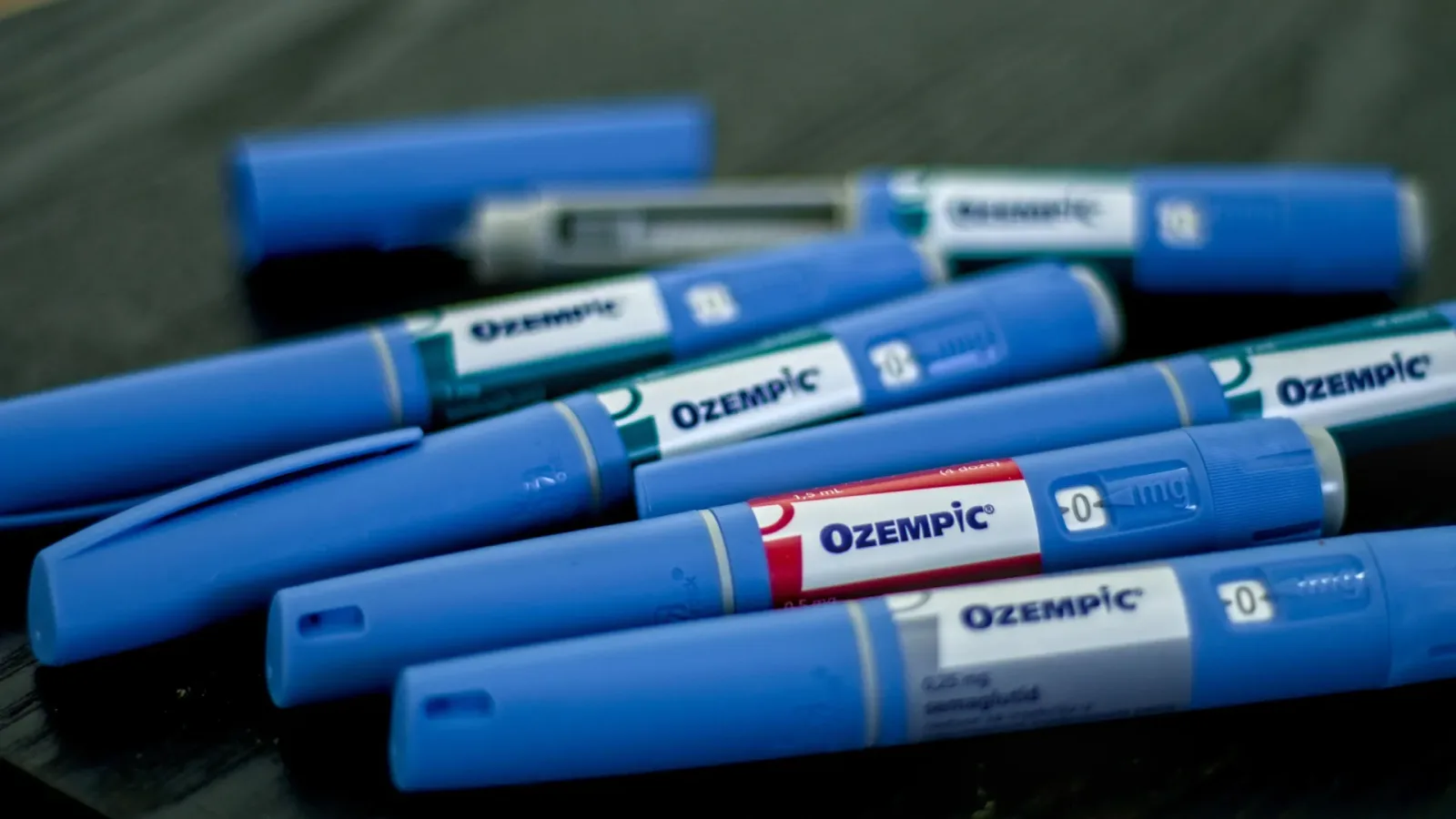
The Drugs Controller General of India (DCGI) has intensified regulatory surveillance against the unauthorized sale and promotion of GLP-1 class weight-loss drugs to uphold ethical practices in the pharmaceutical supply chain. This crackdown comes as multiple generic variants of these medications, such as semaglutide-based products, flood the Indian market, raising alarms over their on-demand availability through retail pharmacies, online platforms, wholesalers, and wellness clinics.
What Are GLP-1 Weight-Loss Drugs and Why the Surge in India?
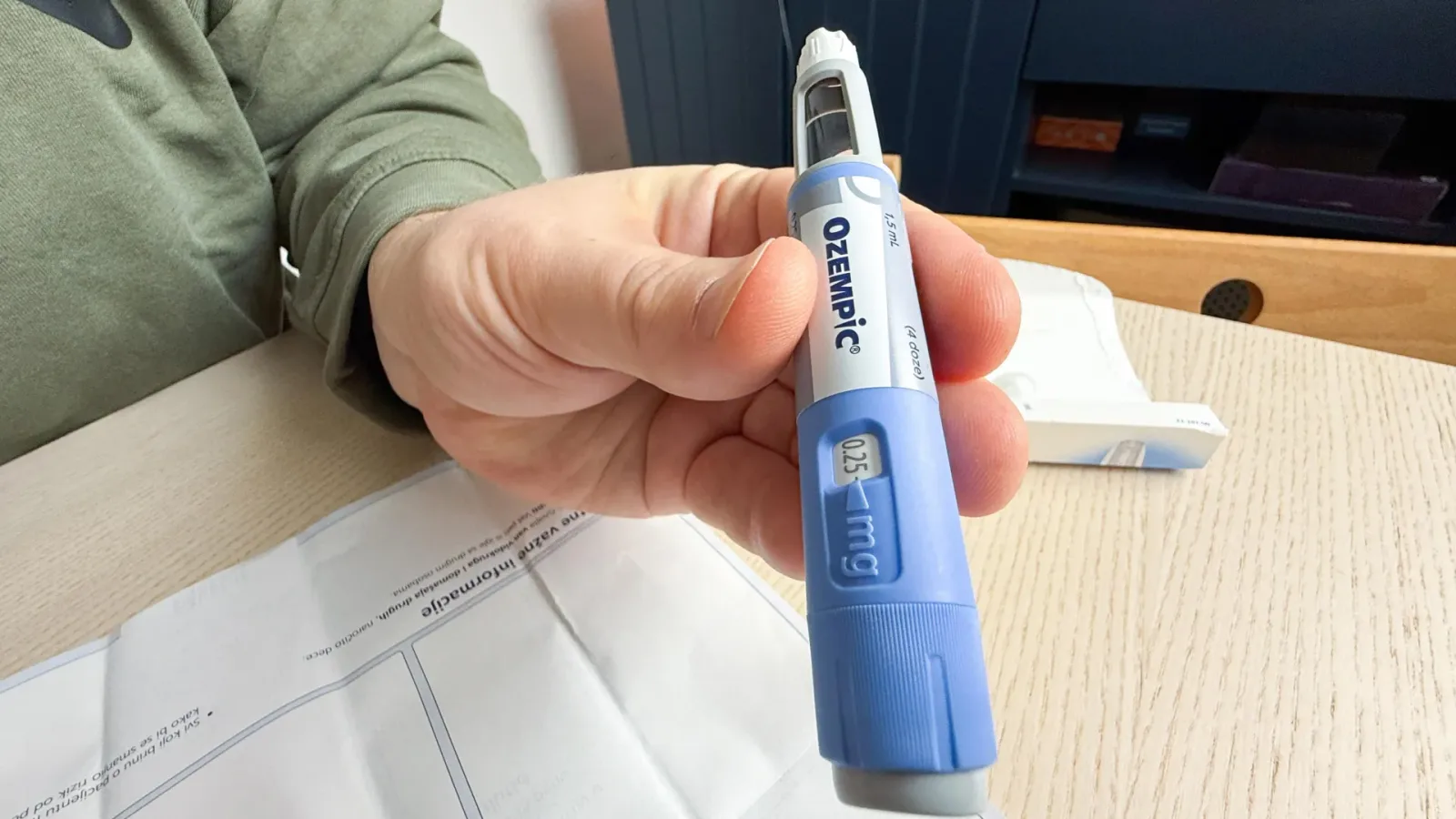
GLP-1 receptor agonists, or GLP-1 drugs, mimic the glucagon-like peptide-1 hormone to regulate blood sugar, slow gastric emptying, and reduce appetite, making them effective for type 2 diabetes management and significant weight loss. Popular brands like Ozempic (semaglutide) and emerging generics have driven demand, with projections like Nomura's estimate of a ₹12,000 crore market. However, health ministry officials warn that without medical supervision, these drugs can cause serious adverse effects, including gastrointestinal issues, pancreatitis, or cardiovascular complications in vulnerable patients.
The recent launch of semaglutide generics by 10 pharma firms has fueled concerns, as doctors caution against a rush for cosmetic weight loss. Prices are plummeting—Ozempic copies could drop to $14—yet accessibility doesn't equate to safety.
Mechanism of Action: How GLP-1 Drugs Promote Weight Loss
These medications activate GLP-1 receptors in the pancreas, brain, and gut. This leads to increased insulin secretion, decreased glucagon, and prolonged satiety. Clinical trials show 15-20% body weight reduction over 68 weeks, far surpassing traditional diets or other anti-obesity drugs like phentermine. In India, approvals are tied to specific indications, emphasizing their role beyond mere weight loss.
DCGI's Targeted Enforcement Actions
In response, the DCGI, collaborating with state regulators, has launched inspections and audits at online pharmacy warehouses, drug wholesalers, retailers, wellness, and slimming clinics. Recent weeks saw scaled-up enforcement: audits at 49 entities across multiple regions, focusing on unauthorized sales, improper prescriptions, and misleading marketing.
On March 10, a comprehensive advisory was issued to all manufacturers, prohibiting surrogate advertisements and indirect promotions that could mislead consumers or encourage off-label use. Notices have been sent to defaulting entities, with ongoing surveillance promising strict measures like license cancellations, penalties, and prosecutions.
Key Inspections and Findings
- Online pharmacy warehouses checked for stock without valid prescriptions.
- Wholesalers and retailers audited for on-demand sales.
- Wellness clinics scrutinized for improper promotion.
The health ministry stresses that patient safety remains paramount. Misuse without clinical oversight risks severe complications, urging citizens to consult qualified practitioners.
Precision tracking for your journey
Join thousands using Shotlee to accurately track GLP-1 medications and side effects.
📱 Get the Shotlee App
Track your GLP-1 medications, peptides, and health metrics on the go with our mobile app!
Prescription Requirements: Who Can Prescribe GLP-1 Drugs in India?
These drugs are approved in India strictly for prescription by endocrinologists, internal medicine specialists, and for certain indications, cardiologists. This limits access to prevent self-medication, contrasting with looser regulations elsewhere. Patients with obesity-related comorbidities like diabetes or heart disease may benefit most, but a full evaluation—including BMI, metabolic panels, and contraindications—is essential.
Comparing to Global Practices
In the US, GLP-1 drugs like Wegovy require prescriptions but face supply shortages; Eli Lilly's tirzepatide (Mounjaro) holds a clinical edge amid generic pressures. India's DCGI approach prioritizes oversight, unlike some markets where telehealth eases access but amplifies misuse risks.
Health Risks of Unauthorized GLP-1 Use
Without supervision, GLP-1 drugs heighten risks of nausea, vomiting, dehydration, gallbladder issues, and rare thyroid tumors. Long-term data shows benefits for metabolic health, but abrupt use in non-obese individuals for cosmetic purposes can disrupt hormones and nutrition. The CDSCO recently flagged spurious drugs and quality failures, underscoring supply chain vulnerabilities.
For safe tracking, tools like Shotlee can help patients log symptoms, side effects, and doses under doctor guidance.
Who Should Consider GLP-1 Therapy?
- Adults with BMI ≥30 or ≥27 with comorbidities.
- Those failing lifestyle interventions.
- Not for cosmetic use alone—discuss with specialists.
Key Takeaways for Patients and Providers
- DCGI's crackdown targets unauthorized GLP-1 sales to protect public health.
- Seek prescriptions only from approved specialists.
- Generics offer affordability but demand vigilance.
- Regulatory actions will intensify, with penalties for non-compliance.
What This Means for India's GLP-1 Market
As semaglutide generics proliferate, the DCGI's measures balance innovation with safety. Patients should prioritize supervised use, discussing benefits versus risks like those in ongoing trials for tirzepatide. Wellness clinics must pivot to ethical practices, while pharmacies enforce prescription checks.
In conclusion, this intensified surveillance reinforces that GLP-1 weight-loss drugs are powerful tools for metabolic health when used correctly. Consult your doctor, avoid unauthorized sources, and stay informed on CDSCO updates for optimal outcomes.