
CagriSema Falls Short vs. Tirzepatide in Obesity Drug Trial
A recent head-to-head trial has revealed that Novo Nordisk's CagriSema obesity drug fell short of Eli Lilly's tirzepatide, intensifying the competition in the booming weight-loss medication market. The trial, designed to demonstrate that CagriSema was at least as effective as tirzepatide in reducing weight, failed to meet that primary goal, according to Novo Nordisk's statement. This outcome represents a significant setback for Novo Nordisk, which is striving to reclaim its position in the lucrative obesity treatment arena where demand for more effective therapies continues to surge.
Trial Results: CagriSema vs. Tirzepatide Head-to-Head
The phase 3 trial compared CagriSema directly against tirzepatide, Eli Lilly's dual GLP-1/GIP receptor agonist already available as Zepbound for obesity and Mounjaro for diabetes. Over 84 weeks, CagriSema resulted in a 23% reduction in body weight, while tirzepatide achieved a 25.5% reduction in the same study. Although CagriSema showed substantial weight loss, it did not meet the non-inferiority threshold set for the trial.
This comparison underscores the high bar set in obesity drug development, where incremental improvements in efficacy can shift market leadership. Novo Nordisk noted that additional trials are underway to explore CagriSema's full potential, including higher-dose combinations that could enhance outcomes.
Understanding the Weight Loss Metrics
- CagriSema: 23% body weight reduction at 84 weeks
- Tirzepatide: 25.5% body weight reduction at 84 weeks
These figures are clinically meaningful, as sustained weight loss of over 20% is associated with improved metabolic health, reduced cardiovascular risk, and better quality of life for patients with obesity.
What is CagriSema? Mechanism and Development
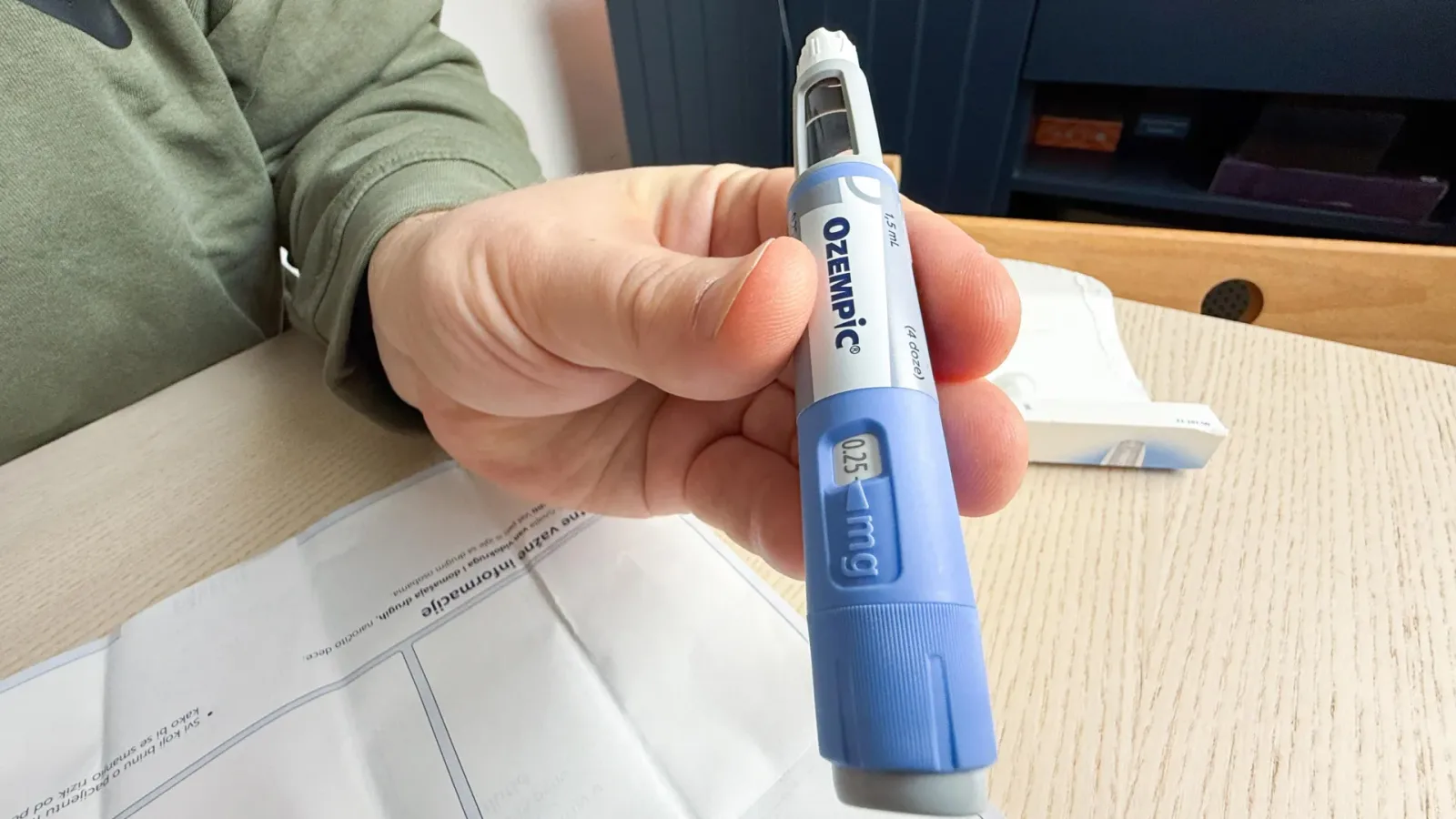
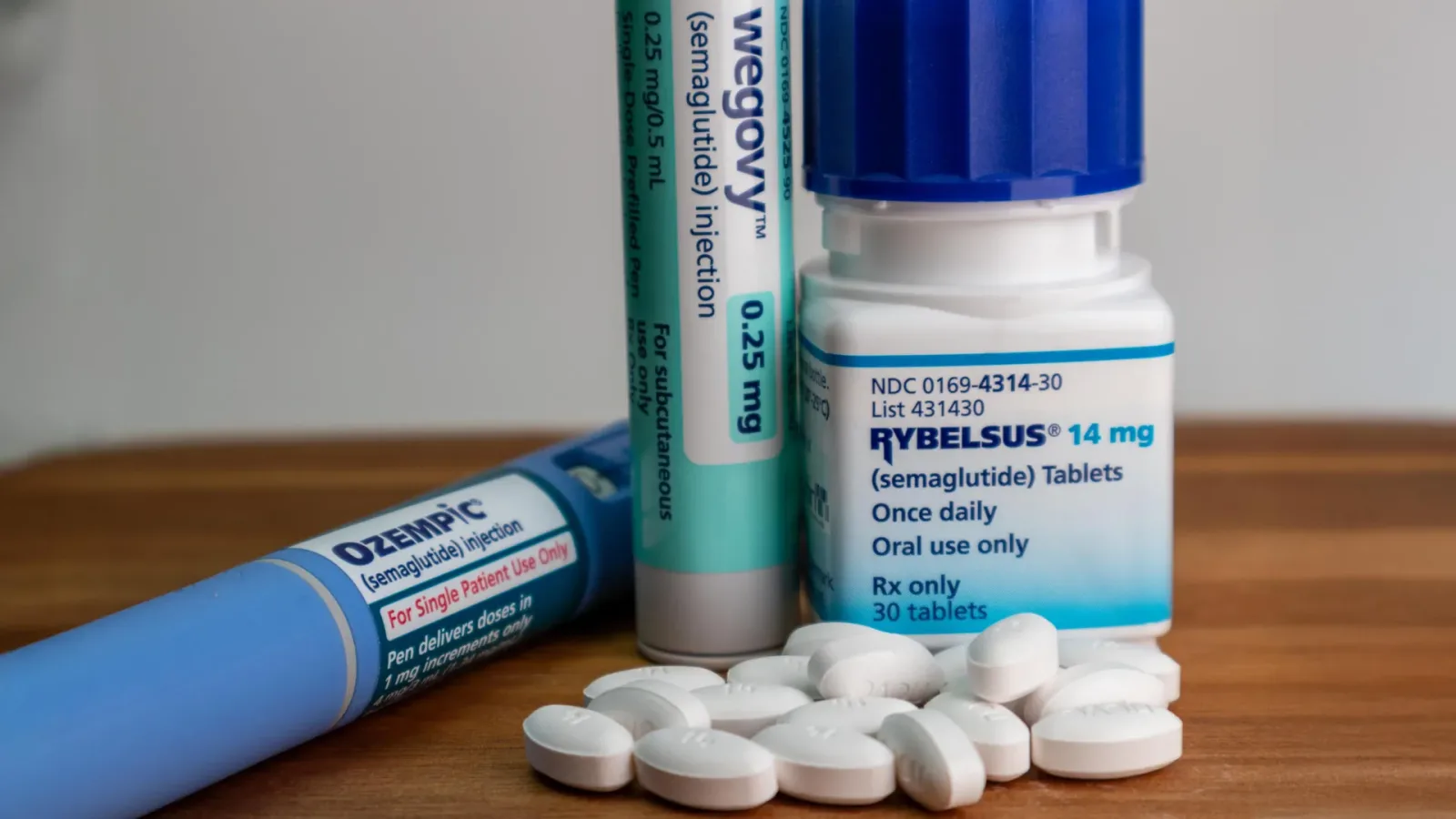
CagriSema is Novo Nordisk's investigational next-generation therapy combining cagrilintide, an amylin analog, with semaglutide, the GLP-1 receptor agonist found in Wegovy and Ozempic. This dual-action approach targets multiple hunger and satiety pathways: GLP-1 mimics gut hormones to slow gastric emptying and signal fullness, while amylin enhances these effects by further regulating appetite and glucose control.
The drug aims to build on semaglutide's proven efficacy—Wegovy achieves around 15-17% weight loss in trials—by adding amylin for potentially greater results. However, the recent trial results indicate it still trails tirzepatide, which activates both GLP-1 and GIP receptors for broader metabolic effects.
Tirzepatide: The Current Benchmark
Tirzepatide, branded as Mounjaro for type 2 diabetes and Zepbound for chronic weight management, has set new standards in obesity care. Its dual agonism on GLP-1 and GIP receptors promotes superior weight loss compared to GLP-1-only drugs like semaglutide. Clinical trials like SURMOUNT have shown up to 22.5% weight loss at higher doses, aligning with the 25.5% observed here.
Tirzepatide's mechanism involves enhanced insulin secretion, reduced glucagon, and significant appetite suppression, making it a formidable competitor. Its established market presence gives Eli Lilly a first-mover advantage in obesity beyond diabetes.
Market and Stock Implications
The trial news triggered immediate market reactions: Novo Nordisk's share price fell 11% by 1002 GMT on February 23, reflecting investor concerns over its ability to compete. Conversely, Eli Lilly shares rose 4% to $1049.94 in U.S. premarket trading, bolstering confidence in tirzepatide's dominance.
Precision tracking for your journey
Join thousands using Shotlee to accurately track GLP-1 medications and side effects.
📱 Get the Shotlee App
Track your GLP-1 medications, peptides, and health metrics on the go with our mobile app!
This head-to-head result is a blow to Novo Nordisk, which pioneered the GLP-1 category with Ozempic but has faced supply shortages and competition. The obesity market, projected to exceed $100 billion by 2030, demands continuous innovation amid surging demand.
Broader Context in Obesity and GLP-1 Therapies
Obesity affects over 1 billion people worldwide, driving interest in peptide therapies like GLP-1 agonists. These medications address root causes beyond calorie restriction, improving insulin sensitivity, reducing inflammation, and lowering risks for comorbidities like heart disease and sleep apnea.
Compared to lifestyle interventions alone (5-10% weight loss), drugs like CagriSema and tirzepatide offer transformative results. However, access, cost, and long-term adherence remain challenges. Head-to-head trials like this one provide critical data for prescribers choosing between options.
Safety Profile Considerations
Both drugs share common GLP-1 class side effects: nausea, vomiting, diarrhea, and potential gallbladder issues. Tirzepatide trials report similar tolerability to semaglutide, with discontinuation rates around 5-10%. CagriSema's safety data from prior studies aligns, but ongoing monitoring is essential. Patients should discuss gastrointestinal tolerance and cardiovascular benefits with providers.
What This Means for Patients and Providers
For individuals with obesity, this trial reinforces tirzepatide (Zepbound/Mounjaro) as a top option for those seeking maximum weight loss. CagriSema remains promising, especially if higher doses succeed in future trials. Consult a healthcare provider to assess suitability based on BMI, comorbidities, and preferences.
Practical guidance:
- Start with FDA-approved options like Wegovy or Zepbound.
- Monitor progress with tools like Shotlee for symptom tracking and medication adherence.
- Combine with diet, exercise, and behavioral support for optimal results.
Providers should weigh efficacy data against individual risk factors, considering insurance coverage and supply availability.
Future Outlook for CagriSema and the Market
Novo Nordisk plans further trials with higher-dose CagriSema combinations, potentially closing the gap. The competitive landscape will evolve with oral formulations, multi-agonists, and generics. Patients benefit from this rivalry through faster innovations and better therapies.
Key Takeaways
- CagriSema achieved 23% weight loss over 84 weeks but fell short of tirzepatide's 25.5% in the trial.
- The trial failed to prove non-inferiority, impacting Novo Nordisk's market position.
- Novo shares dropped 11%; Lilly shares rose 4%.
- Tirzepatide (Zepbound/Mounjaro) strengthens its lead; CagriSema trials continue.
- Discuss with doctors for personalized obesity treatment plans.
Conclusion
This head-to-head trial highlights tirzepatide's edge while keeping CagriSema in contention. For patients pursuing metabolic health, these GLP-1 innovations offer hope, but individualized care is key. Stay informed on trial updates and consult professionals for the best path forward.