
Ozempic Lightens Truckers' Loads: GLP-1 Cuts Food Freight
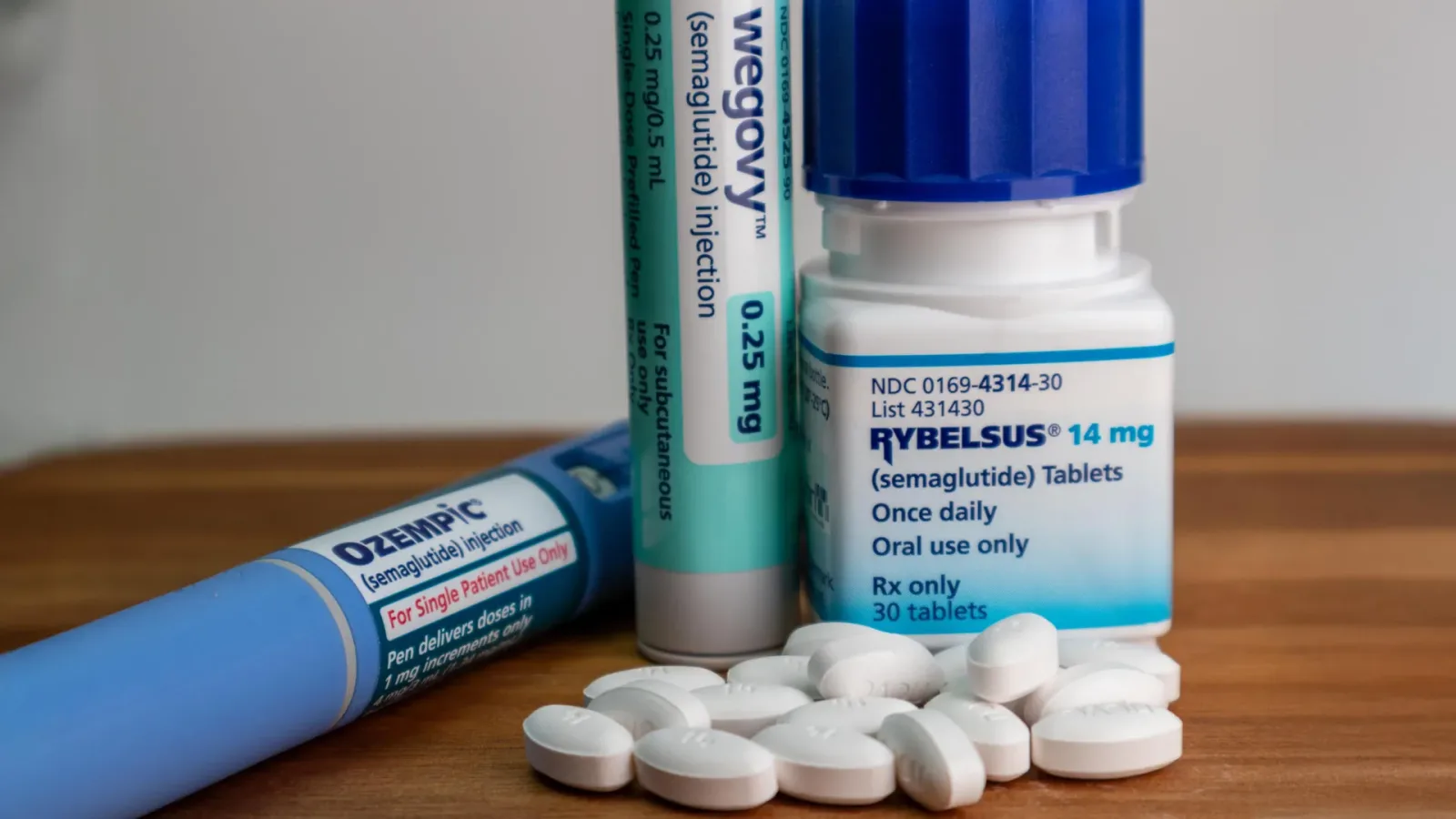
The freight market is no stranger to disruptive forces—tariffs, recessions, weather, economic fluctuations, and capacity crunches have all reshaped freight demand over the years. But a new contender is emerging from an unexpected corner: the widespread adoption of GLP-1 medications (think Ozempic, Wegovy, Mounjaro, and similar GLP-1 receptor agonists). These drugs, originally developed for diabetes management and now massively popular for weight loss, suppress appetite and reduce overall caloric intake. Early estimates suggest that even at current penetration levels—roughly 12% of U.S. adults—the downstream effect on food and beverage demand could be substantial.
This guide dives into recent analyses from academic studies out of Purdue, Cornell, and others (including 2025 updates), revealing an approximate 3% drop in total caloric food demand due to appetite suppression. We'll break down how this translates to real-world freight reductions, the hardest-hit categories, emerging signals in the market, counterbalancing factors, and strategic implications for carriers, brokers, and shippers.
How GLP-1 Medications Like Ozempic Drive Caloric Reductions
GLP-1 receptor agonists mimic the glucagon-like peptide-1 hormone, which regulates blood sugar, slows gastric emptying, and signals fullness to the brain. This mechanism leads to significant appetite suppression and reduced caloric intake—often 20-30% less daily consumption among users. For patients with type 2 diabetes or obesity, these drugs offer proven benefits, but their off-label surge for weight loss has amplified population-level effects.
Clinically, users report sustained weight loss of 10-20% body weight over a year, shifting dietary patterns toward fewer high-calorie items. This isn't just individual change; at scale, with millions on therapy, it ripples through the U.S. food supply chain. Tools like Shotlee can help patients track medication schedules, appetite changes, and weight progress, supporting adherence amid these shifts.
The Scale of Freight Impact: From Calories to Truckloads
That 3% caloric drop may sound modest, but in the context of America's food supply chain, the numbers scale quickly. U.S. trucks move more than 2 billion tons of food and beverages annually. At an average payload of around 20 tons per truckload, that's roughly 100 million+ truckloads per year dedicated to food and beverage freight.
Calculating the GLP-1 Reduction
Apply a 3% reduction across that volume, and you're looking at approximately 3 million fewer truckloads annually. To put that in perspective: the proposed Union Pacific-Norfolk Southern merger—one of the most significant potential rail consolidations in recent memory—is projected by some analysts to divert around 2 million truckloads off the road over time through improved intermodal efficiency and rail capture.
In other words, GLP-1 adoption, at its current (and still growing) level, could already eclipse that rail merger's expected impact on truckload volumes—and we're only in the early innings of penetration. Penetration rates are rising, with prescriptions climbing 300% in recent years, suggesting even larger future effects as more adults (potentially 20-30%) adopt these therapies.
Freight Categories Hit Hardest by GLP-1 Trends
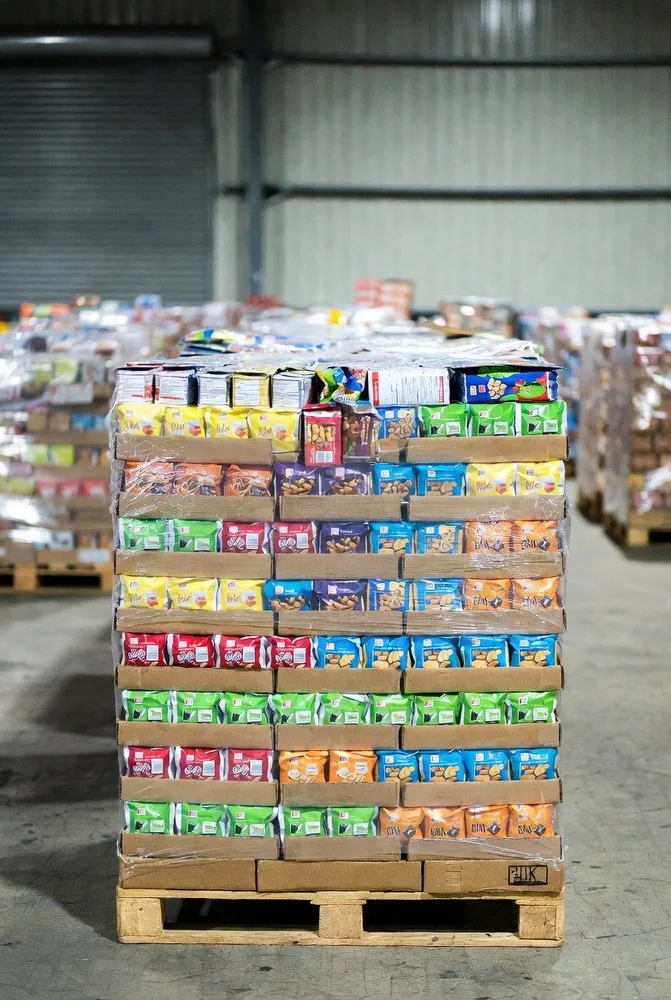
The categories hit hardest align with classic "snack-and-beverage" freight lanes:
- Processed snacks and beverages: user spending down 7-11% among adopters
- Alcohol: significant volume reductions
- Refined grains and similar carb-heavy products
Beer, as one slice of the broader beverage decline, fits squarely in the crosshairs. These discretionary, calorie-dense items see the sharpest demand drops as GLP-1 users prioritize portion control and healthier swaps.
Precision tracking for your journey
Join thousands using Shotlee to accurately track GLP-1 medications and side effects.
📱 Get the Shotlee App
Track your GLP-1 medications, peptides, and health metrics on the go with our mobile app!
Resilient Segments
Fresh produce and proteins appear more resilient, with some evidence of slight upticks in mix as consumers prioritize nutrient-dense foods even while eating less overall. This shift could boost reefer demand for perishables like vegetables, lean meats, and low-calorie alternatives, creating nuanced opportunities within the contraction.
Real-World Freight Signals Emerging
This isn't just theoretical. Real-world freight signals are beginning to whisper the trend: softer reefer and dry van demand in certain consumer packaged goods (CPG) segments, anecdotal reports from brokers of lighter loads in snack-heavy lanes, and early category-specific volume softness that doesn't fully align with broader economic headwinds.
For instance, brokers in Midwest-to-East Coast snack lanes report bid softness and underutilized capacity, while beverage haulers note stagnant volumes despite stable fuel costs. These patterns, tracked via platforms like DAT and Truckstop, hint at GLP-1's fingerprint amid otherwise resilient trucking metrics.
Counterbalancing Forces in the GLP-1 Freight Equation
Of course, counterbalancing forces exist. Construction of new pharmaceutical manufacturing facilities (for GLP-1 production itself) is generating significant truckloads today, with dry van and flatbed demand spiking for equipment and raw materials. Food conglomerates may reformulate products to better appeal to GLP-1 users—think lower-calorie snacks or protein-enriched beverages—potentially offsetting some losses.
And broader demographic trends—including slower population growth—exert their own downward pressure on total consumption. Safety considerations for GLP-1s, like gastrointestinal side effects or the need for medical supervision, may temper adoption rates, but current trajectories point to net freight deflation in food segments.
Risks and Opportunities for Freight Stakeholders
For carriers, brokers, and shippers, this represents both risk and opportunity. The biggest losers may be those heavily exposed to discretionary, high-calorie categories like processed snacks and alcohol. Diversifying into fresh produce lanes or health-focused CPG could mitigate exposure.
Winners could include haulers of fresh/perishable goods, health-focused CPG, and—ironically—the specialized logistics supporting the pharmaceutical boom, such as temperature-controlled pharma transport. Shippers might explore intermodal shifts or lane reoptimization, while brokers leverage data analytics to pivot toward growing segments.
Patients considering GLP-1s should discuss with providers how appetite changes might influence household food purchases, potentially easing family supply chain decisions. Monitoring via apps like Shotlee ensures safe use while capturing these broader effects.
Key Takeaways: What This Means for the Freight Industry
- GLP-1 drugs like Ozempic are driving a 3% caloric demand drop, equating to 3 million fewer food truckloads yearly.
- Snack/beverage categories face 7-11% spending cuts; produce/proteins hold steady or grow.
- Impact rivals major rail mergers, with early market signals confirming the trend.
- Stakeholders: Pivot to health CPG and pharma logistics to capitalize.
Conclusion: Public Health Reshaping Freight Demand
The freight market has always been shaped by macroeconomic forces, policy shifts, and technology. Now add public health trends to the list. GLP-1s aren't just rewriting waistlines; they're changing freight demand. As adoption grows, monitor category volumes closely—those adapting to slimmer loads will thrive in this evolving landscape. For personalized GLP-1 guidance, consult healthcare professionals to weigh benefits against supply chain ripples.