
The GLP-1 Revolution and the Challenge of Weight Regain
The landscape of weight management has been dramatically reshaped by the advent of GLP-1 receptor agonists. Medications like semaglutide (Ozempic, Wegovy) and tirzepatide (Mounjaro) have offered unprecedented success for many individuals struggling with obesity, leading to significant weight loss and improvements in metabolic health. However, a persistent challenge remains: what happens when patients stop taking these powerful medications?
The reality is that for a substantial portion of individuals, discontinuing GLP-1 therapy often leads to weight regain. This phenomenon can be disheartening, undoing the hard-won progress and leaving patients feeling frustrated. According to background information from recent research, nearly 70% of patients discontinue GLP-1 use within the first year, highlighting the need for sustainable solutions beyond lifelong pharmacotherapy.
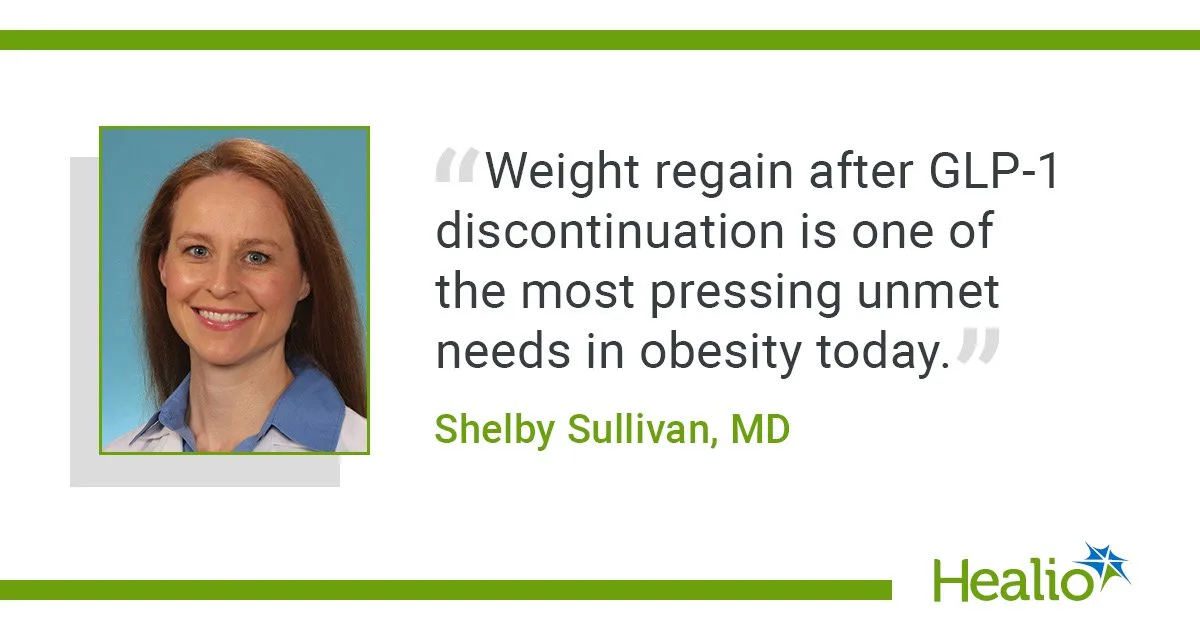
Dr. Shelby Sullivan, a leading expert in endoscopic bariatric and metabolic programs, emphasizes this critical unmet need. "GLP-1 medications have been a genuine breakthrough for people with obesity," she stated. "When these patients stop, the impact is twofold: The metabolic benefits are lost and... they experience a weight rebound, with most regaining their lost weight within 18 months on average." This underscores the urgent search for interventions that can help patients maintain their weight loss and metabolic improvements without requiring continuous medication.
Introducing Duodenal Mucosal Resurfacing: A Novel Approach
In the quest for such sustainable solutions, a promising investigational procedure known as duodenal mucosal resurfacing has emerged. This minimally invasive outpatient procedure, developed by Fractyl Health (marketed as Revita), targets the duodenum, the first part of the small intestine. The duodenum plays a crucial role in regulating metabolism and appetite, and it is thought that changes in its mucosal lining may contribute to the development and persistence of obesity.
Duodenal mucosal resurfacing involves a specialized endoscopic technique designed to rejuvenate the duodenal lining. By carefully ablating and then allowing the tissue to heal, the procedure aims to reset the metabolic signals originating from this critical organ. The hypothesis is that by restoring a healthier duodenal environment, the body's metabolic regulation can be improved, potentially leading to sustained weight loss and better control of metabolic parameters, even after the discontinuation of GLP-1 medications.
REMAIN-1 Trial: Promising Early Results
The potential of duodenal mucosal resurfacing as an "off-ramp" for GLP-1 therapy was recently highlighted by data presented at Digestive Disease Week from the randomized REMAIN-1 trial. This study investigated whether duodenal mucosal resurfacing could help prevent weight regain in individuals who had achieved significant weight loss with tirzepatide but were discontinuing the medication.
The REMAIN-1 trial enrolled 45 adults with a BMI between 30 and 45 kg/m², who had successfully lost at least 15% of their total body weight on tirzepatide. Importantly, these participants did not have diabetes and had not previously used other GLP-1 medications. Following tirzepatide withdrawal, participants were randomly assigned in a 2:1 ratio to receive either duodenal mucosal resurfacing (n=29) or a sham procedure (n=16). Both groups also received structured lifestyle counseling, a standard component of comprehensive weight management.
Key Findings from the REMAIN-1 Trial
The results presented at Digestive Disease Week offered compelling insights into the efficacy of duodenal mucosal resurfacing:
Precision tracking for your journey
Join thousands using Shotlee to accurately track GLP-1 medications and side effects.
📱 Get the Shotlee App
Track your GLP-1 medications, peptides, and health metrics on the go with our mobile app!
- Short-Term Weight Maintenance: At the 3-month follow-up, individuals who underwent duodenal mucosal resurfacing experienced an average additional weight loss of 2.1 kg. In stark contrast, those in the sham group regained approximately 8.2 kg on average, demonstrating a significant treatment difference of 10.3 kg.
- Longer-Term Weight Regain Prevention: By the 6-month mark, patients who received the sham procedure had regained approximately 40% more weight on average compared to those who underwent duodenal mucosal resurfacing.
- Impact of Resurfacing Length: The study also noted that patients who had a longer length of duodenal tissue resurfaced maintained more than 80% of their initial weight loss. This suggests a potential dose-response relationship, where greater tissue coverage may lead to more robust and sustained benefits.
Crucially, researchers reported no definite or probable treatment-emergent serious adverse events directly related to the duodenal mucosal resurfacing procedure. This safety profile is particularly encouraging for a procedure that aims to offer a long-term solution.
Understanding the Mechanism: Resetting Metabolic Signals
The success of duodenal mucosal resurfacing, as suggested by the REMAIN-1 trial, is thought to stem from its ability to modulate the gut-brain axis and reset metabolic signaling pathways. The lining of the duodenum is rich in enteroendocrine cells that secrete hormones influencing appetite, glucose metabolism, and energy expenditure. When this lining is disrupted or altered, as may occur in obesity, these signals can become dysregulated.
By removing and allowing the regeneration of this mucosal layer, duodenal mucosal resurfacing may restore the normal function of these cells. This could lead to improved satiety signals, enhanced insulin sensitivity, and a more favorable metabolic state, thereby counteracting the weight regain that often follows the cessation of GLP-1 medications.
The prospect of a procedure that can "reset the gut's biology rather than requiring lifelong pharmacotherapy" is a significant advancement. For patients who may not tolerate GLP-1s long-term, experience side effects, or face financial barriers to continuous treatment, duodenal mucosal resurfacing could offer a viable alternative for achieving and maintaining a healthy weight.
The Future of Weight Management: Beyond Pharmacotherapy
The REMAIN-1 trial's findings, while early, are highly encouraging. They suggest that duodenal mucosal resurfacing could play a pivotal role in the future of obesity management, particularly for individuals who have benefited from GLP-1 therapy but are seeking a more sustainable, non-pharmacological approach to maintaining their weight loss.
The trial's primary endpoint data from the REMAIN-1 Pivotal Cohort is anticipated later this year, which will provide further insights into the long-term efficacy and safety of this innovative procedure. As research progresses, it's essential for patients to stay informed about these developments and discuss all available options with their healthcare providers. Tools like Shotlee can be invaluable in this journey, allowing individuals to meticulously track their weight, symptoms, medication adherence, and overall health metrics, providing a comprehensive picture to share with their medical team.
Practical Takeaways
For individuals currently using GLP-1 medications for weight loss, the following points are important to consider:
- Weight Regain is Common: Be aware that stopping GLP-1s often leads to weight regain.
- Discuss Long-Term Strategies: Talk to your doctor about strategies for maintaining weight loss after discontinuing medication.
- Emerging Therapies: Duodenal mucosal resurfacing is an investigational procedure showing promise for long-term weight management.
- Holistic Approach: Lifestyle modifications remain crucial, regardless of treatment.
- Track Your Progress: Utilize tools to monitor your weight, health data, and any symptoms you experience.
Conclusion
The journey to sustainable weight management is multifaceted. While GLP-1 receptor agonists have provided a powerful tool, the challenge of maintaining weight loss after discontinuation has remained a significant hurdle. The investigational duodenal mucosal resurfacing procedure, as demonstrated in the REMAIN-1 trial, presents a compelling new avenue for addressing this unmet need. By potentially resetting the gut's metabolic signals, this minimally invasive approach may offer a durable solution, allowing individuals to lock in their weight loss benefits and move towards a healthier future without the reliance on continuous pharmacotherapy. As research continues, this innovative therapy holds the promise of fundamentally changing how we approach long-term obesity management.
| Group | 3-Month Weight Change (Avg.) | 6-Month Weight Change (Avg.) |
|---|---|---|
| Duodenal Mucosal Resurfacing | +2.1 kg (loss) | Maintained >80% of initial loss |
| Sham Procedure | -8.2 kg (regain) | ~40% more weight regain than resurfacing group |