China has officially announced a major shift in its pharmaceutical policy, adding a second GLP-1 receptor agonist to its list of essential medicines required for public hospitals. This regulatory update signals a significant expansion in access to diabetes treatments across the nation, which currently holds the highest number of adults with diabetes globally. The inclusion of semaglutide marks a pivotal moment for the world's second-largest pharmaceutical market, aiming to bridge the gap between urban and rural healthcare delivery. By prioritizing this medication, the government intends to standardize care for millions of patients who rely on blood glucose-lowering therapies. This development also hints at broader changes in how peptide therapies and injectable medications are procured and distributed within the public healthcare system.
Why Is Semaglutide Now on China's Essential Drug List?
China officially added injectable semaglutide to its National Essential Drug List effective September 1, marking a significant policy shift for diabetes care in the region. This inclusion categorizes the medication under insulin and blood glucose-lowering drugs, ensuring public hospitals must prioritize stocking the treatment for patients with type 2 diabetes. According to government statements, this move aims to standardize access across the country's vast healthcare infrastructure, placing semaglutide alongside older medications like liraglutide. Experts note that while the announcement focuses on glycemic control, the listing fundamentally changes procurement rules for state-run facilities. By mandating availability, the government intends to reduce barriers for millions of adults living with diabetes in the world’s second-largest pharmaceutical market.
This decision aligns with international trends where nations prioritize cost-effective, high-impact medications for chronic conditions. The National Essential Drug List serves as a procurement guide for public hospitals, ensuring that life-saving treatments are not withheld due to budgetary constraints or supply chain issues. The timing of this inclusion coincides with the patent expiration for the active ingredient, which occurred in March. This strategic move supports the broader goal of improving public health outcomes while managing the economic burden of diabetes care on the national healthcare system.
How Will This Change Access for Rural Patients?
The inclusion of semaglutide on the essential list guarantees that the drug must be available even in remote rural hospitals that previously lacked access to newer injectable therapies. Justin Wang, a partner at L.E.K. Consulting, explained that this policy forces formulary updates in public institutions nationwide, ensuring consistency regardless of geographic location. Previously, access to brand-name GLP-1 agonists was often limited to major urban centers where patients could afford private purchases or specialized imports. Now, the regulatory mandate requires these facilities to maintain stock, directly addressing the disparity in care between cities and countryside. This structural change is designed to support the highest number of adults with diabetes globally, who currently face significant hurdles in obtaining consistent treatment.
For patients in less developed regions, this policy reduces the need to travel long distances to acquire essential medications. It also simplifies the insurance reimbursement process, as essential drugs are typically covered more readily by public health schemes. The government's commitment to prioritizing these drugs ensures that the supply chain remains robust, preventing shortages that could disrupt long-term management plans for chronic conditions.
Key Benefits of Essential Drug Listing
- Mandatory stocking requirements for all public hospitals
- Standardized pricing and procurement processes
- Improved insurance coverage for eligible patients
- Reduced travel burden for rural residents
Does This Listing Cover Weight Loss Treatments Like Wegovy?
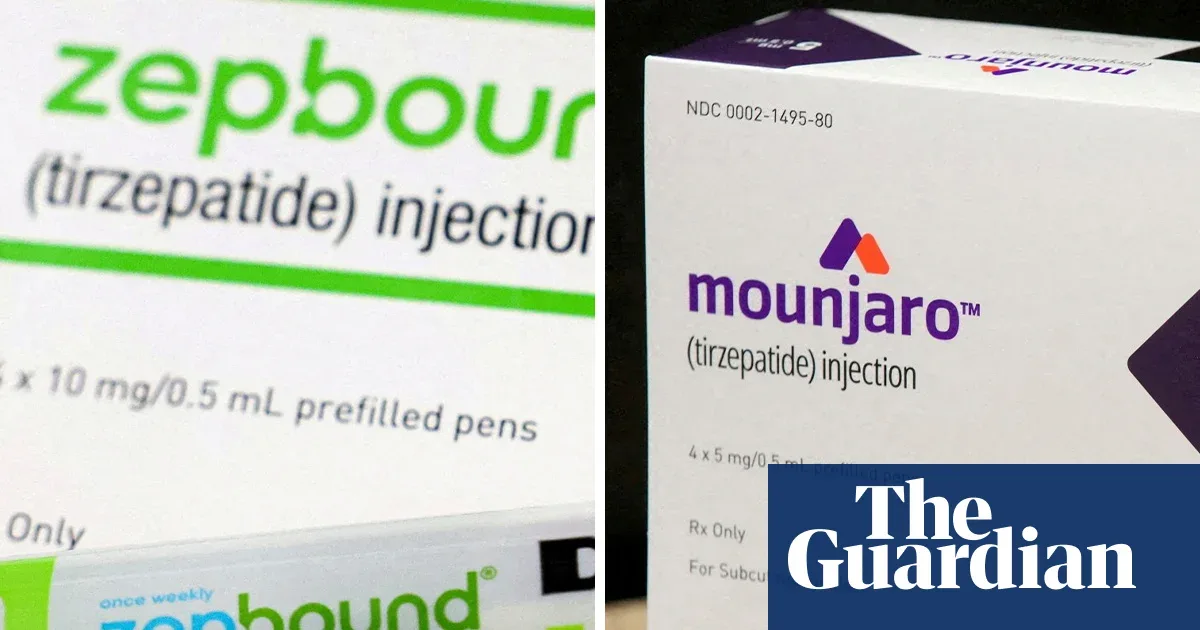
While semaglutide is widely known for weight management, the current National Essential Drug List listing specifically covers diabetes treatment rather than obesity indications. The government statement explicitly categorized the drug under insulin and blood glucose-lowering medications, omitting any mention of weight loss therapies like Wegovy or Zepbound. This distinction is crucial for patients and providers because the regulatory approval for diabetes does not automatically extend to off-label weight loss prescriptions in this context. Consequently, insurance coverage and hospital formulary prioritization will likely focus on glycemic control outcomes rather than body mass index reduction. Patients seeking weight loss benefits may need to explore separate approval pathways or private procurement channels outside the essential medicine framework.
Precision tracking for your journey
Join thousands using Shotlee to accurately track GLP-1 medications and side effects.
📱 Get the Shotlee App
Track your GLP-1 medications, peptides, and health metrics on the go with our mobile app!
This separation ensures that the limited resources of the public health system are directed toward the highest medical priority, which is managing blood glucose levels to prevent complications like neuropathy and cardiovascular disease. While the medication itself is the same, the indication for use remains distinct in the eyes of the regulator. This clarity helps healthcare providers prescribe the appropriate dosage and documentation required for reimbursement under the current public health guidelines.
What Does This Mean for Drug Prices and Generics?
The patent expiration for the active ingredient semaglutide in March has paved the way for generic versions to be broadly listed once they receive regulatory approval in China. Although Novo Nordisk retains regulatory data protection until early next year, the inclusion on the essential list signals a long-term shift toward cost-effective alternatives for public healthcare spending. This move is expected to increase competition and lower prices over time, making the medication more sustainable for long-term patient use in a high-burden market. Industry analysts suggest that once generics enter the market, the volume of prescriptions could rise significantly as affordability barriers are removed for the average consumer.
Market data cited in the report indicated sales slipped 7% to 5.4 billion Danish crowns ($853 million) recently, highlighting the sensitivity of the market to pricing and availability. The transition to generics will likely reshape the revenue landscape for pharmaceutical companies operating in the region. Below is a timeline of key regulatory milestones affecting the drug's availability.
| Date | Event |
|---|---|
| March | Patent on semaglutide active ingredient expired |
| July 9 | Government announcement of NEDL inclusion |
| September 1 | Effective date for inclusion on essential list |
| Early Next Year | Regulatory data protection expires |
How Can Patients Track Progress on New GLP-1 Therapy?
Patients starting semaglutide therapy should monitor specific health metrics to ensure safety and efficacy while adjusting to the new medication regimen. Tracking blood glucose levels, injection dates, and potential side effects like nausea or digestive changes is essential for managing the treatment plan effectively. Tools like Shotlee allow users to log these critical data points alongside their dose adjustments, providing a clear picture of how the drug impacts their daily health. Consistent tracking helps healthcare providers make informed decisions about dosage titration and identifies any adverse reactions early in the treatment timeline. Maintaining this data hygiene is particularly important when transitioning to a new essential medicine protocol.
Accurate record-keeping supports better communication with doctors, especially when discussing side effects or efficacy. It allows patients to visualize their progress over time, which can be motivating during the initial phases of treatment. By integrating digital health tools with clinical monitoring, patients can take a more active role in their chronic disease management.
Practical Takeaways for Patients
- Confirm your local public hospital stocks the essential drug version.
- Understand that weight loss indications may require separate prescriptions.
- Monitor blood sugar trends closely during the first month of therapy.
- Use health tracking apps to log injection dates and side effects.
- Prepare for potential generic availability once data protection ends.
Conclusion
The inclusion of semaglutide on China's National Essential Drug List represents a landmark step in making diabetes care more accessible and equitable. By mandating availability in public hospitals across the country, the government addresses a critical gap in healthcare infrastructure that has long affected rural populations. While the current listing focuses on diabetes management, the groundwork laid for generic availability suggests a more affordable future for patients relying on GLP-1 therapies. As the market evolves, patients and providers must stay informed about regulatory changes to optimize treatment outcomes.