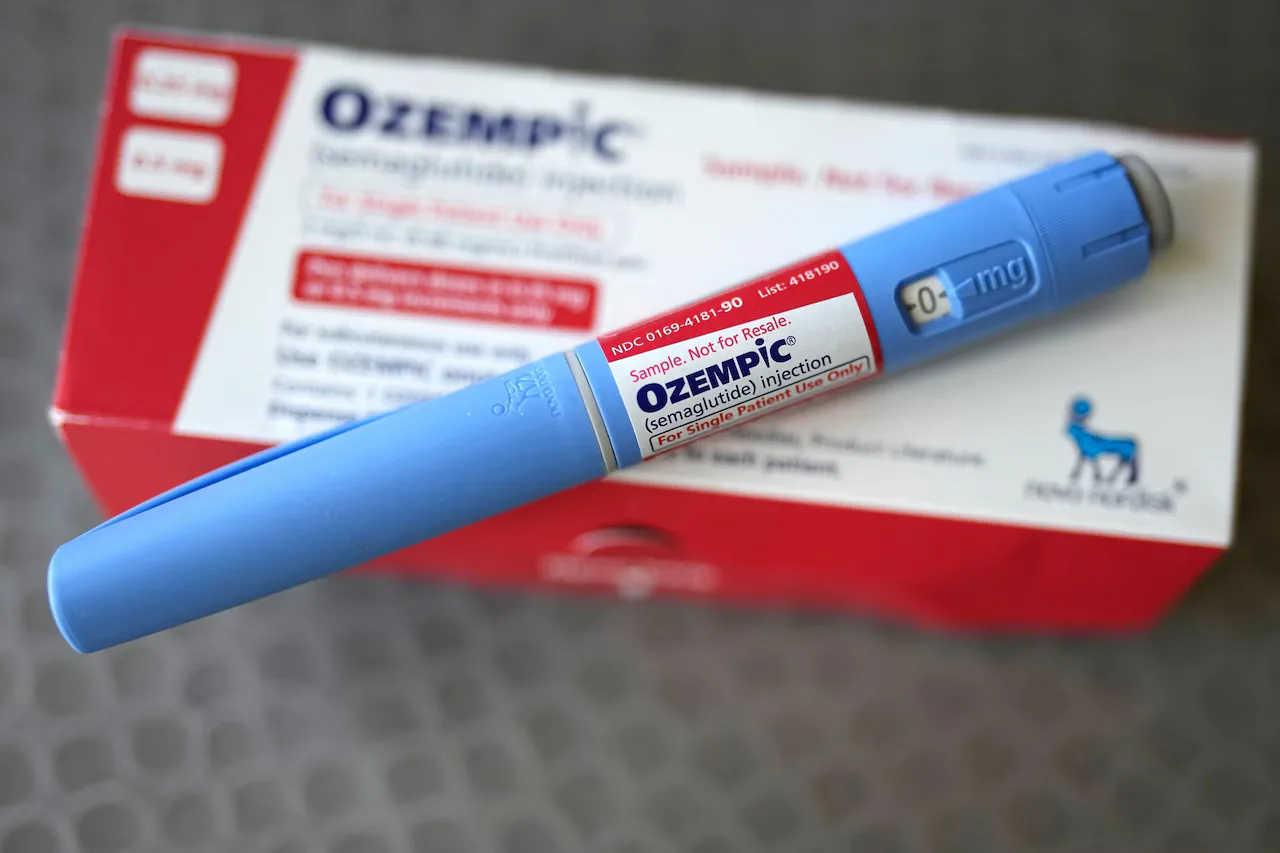

The landscape of weight management has been dramatically reshaped by the advent of GLP-1 receptor agonists, commonly known by brand names like Ozempic, Wegovy, Mounjaro, and Zepbound. These medications have proven remarkably effective, offering life-changing benefits for millions struggling with obesity and related health conditions. However, as with any powerful medical intervention, the rapid and profound changes they induce can sometimes lead to unexpected consequences. One such emerging concern, described by some patients as a 'Darth Vader' effect, highlights the critical importance of understanding not just how quickly we can lose weight, but how our bodies adapt to such swift transformations.
The 'Darth Vader' Phenomenon: Hearing the Unheard
A striking and somewhat unsettling side effect has begun to surface among individuals experiencing rapid weight loss, particularly those utilizing GLP-1 medications. Patients are reporting an unusual auditory phenomenon: the distinct sensation of hearing their own bodily functions. This includes the sound of their breathing, the rhythm of their heartbeat, the flow of blood, and even the subtle movements of their eyes. The sensation is so pronounced for some that they describe it as sounding like the iconic villain Darth Vader, hence the informal moniker.
This condition, identified as patulous Eustachian tube dysfunction (pETD), is reportedly becoming more prevalent. Otolaryngologists, specialists in ear, nose, and throat conditions, have noted an increase in cases. One board-certified otolaryngologist shared with the New York Post that what was once an infrequent occurrence, perhaps seen once a year, has now become a more regular occurrence, with one case appearing every couple of months. This surge suggests a potential link between rapid weight reduction and the onset of pETD.
Understanding Patulous Eustachian Tube Dysfunction (pETD)
The Eustachian tube is a narrow passage that connects the middle ear to the nasopharynx, the upper part of the throat. Its primary functions include equalizing pressure between the middle ear and the outside environment, draining mucus, and protecting the middle ear from reflux of nasopharyngeal contents. Normally, the Eustachian tube is closed and only opens briefly during swallowing, yawning, or chewing.
In patulous Eustachian tube dysfunction, the tube remains abnormally open. Doctors theorize that rapid weight loss, a common outcome of GLP-1 medications, can lead to a reduction in the fatty tissue that surrounds the Eustachian tube. This loss of cushioning and support may prevent the tube from closing effectively. When the Eustachian tube is perpetually open, it can create an 'echo chamber' effect within the body, allowing internal sounds like breathing, blood flow, and heartbeats to become audible to the individual. This phenomenon is often exacerbated by autophony, the perception of one's own voice in their head.
The Broader Benefits and Risks of GLP-1 Medications
It is crucial to emphasize that the emergence of pETD does not diminish the significant therapeutic value of GLP-1 medications. For many, these drugs represent a breakthrough in managing obesity and its myriad associated health issues. Beyond their primary role in weight reduction, GLP-1s have demonstrated substantial cardiovascular benefits, including a reduced risk of heart attack and stroke. They also play a vital role in improving blood sugar control for individuals with type 2 diabetes, mitigating the risk of diabetes-related complications, and showing promise in areas like fatty liver disease, kidney protection, and even the reduction of certain obesity-related cancers.
The growing acceptance and effectiveness of these medications are finally shifting the cultural narrative around obesity, treating it as the complex chronic medical condition it is, rather than a reflection of personal failing. This progress is invaluable.
The Danger of the 'Amazon Prime' Mentality
However, the remarkable success of these drugs has, in some corners of culture, fostered an unrealistic and potentially dangerous expectation: that weight loss should be instantaneous and effortless, akin to ordering from an online retailer. This 'Amazon Prime for thinness' mindset, where one can simply click a button and achieve a desired physique rapidly, overlooks the intricate biological processes involved in weight management and the potential consequences of drastic physiological shifts.
The human body is not designed for extreme, rapid changes without potential repercussions. When weight is lost too quickly, whether through bariatric surgery, aggressive crash dieting, or potent weight-loss medications, the body can react in unforeseen ways. We have already seen reports of side effects associated with rapid weight loss, including:
Precision tracking for your journey
Join thousands using Shotlee to accurately track GLP-1 medications and side effects.
📱 Get the Shotlee App
Track your GLP-1 medications, peptides, and health metrics on the go with our mobile app!
- Gallstones
- Hair loss
- Muscle wasting
- Accelerated facial aging
- Nutritional deficiencies
- Changes in skin quality
The emergence of pETD serves as a stark reminder that even seemingly minor or unusual side effects can signal broader physiological adjustments occurring within the body. It underscores the principle that medicine inherently involves trade-offs.
The Importance of Responsible and Monitored Weight Loss
The key takeaway from the 'Darth Vader' effect and other potential side effects is not to demonize GLP-1 medications, but to emphasize the critical importance of their responsible use. The issue often lies not with the medications themselves, but with how they are obtained and managed. An alarming trend involves individuals acquiring these powerful drugs through unregulated online questionnaires, med spas, or social media platforms where the primary focus is on speed of results rather than patient safety and comprehensive care.
Weight loss should never be treated as a race. A responsible medical professional will adopt a holistic approach, monitoring not only the number on the scale but also a patient's:
- Nutritional intake
- Muscle mass and preservation
- Hydration levels
- Key laboratory results
- Mental and emotional well-being
- The overall rate of weight loss
As newer, potentially more potent obesity medications like retatrutide emerge, the likelihood of uncovering more significant side effects increases. These next-generation drugs show promise for even faster and more dramatic weight loss, which, while exciting, necessitates an even greater emphasis on careful medical supervision. The goal of medical intervention should always be to improve health and vitality, not merely to achieve a smaller physical size at the expense of overall well-being.
Slower Can Be Smarter, Safer, and More Sustainable
The principle of 'slower is smarter' often holds true in health and medicine. A more gradual approach to weight loss allows the body adequate time to adapt to the physiological changes, potentially mitigating the risk of adverse effects. This measured pace helps preserve vitality, strength, skin quality, and promotes long-term wellness. The normalization of medically unsupervised rapid weight loss before fully understanding its downstream consequences is a cause for concern.
While obesity is undeniably a dangerous condition, reckless or unsupervised weight loss can also pose significant risks. The path forward involves embracing these powerful medications as invaluable tools within a comprehensive, medically supervised health strategy. This means fostering realistic expectations, understanding that weight management is a journey rather than an overnight transformation, and prioritizing safety and long-term health above all else.
For individuals navigating their weight loss journey with GLP-1 medications, tools like Shotlee can be instrumental. By meticulously tracking doses, monitoring symptoms, and logging progress, patients can work more effectively with their healthcare providers to ensure a safe and successful outcome. This level of detailed health tracking empowers both the patient and the physician, fostering a collaborative approach to achieving sustainable health goals.
Conclusion
The 'Darth Vader' effect, or pETD, serves as a compelling case study in the complex interplay between rapid weight loss and the human body. It reminds us that while GLP-1 medications are powerful allies in the fight against obesity, their effectiveness must be coupled with vigilant medical oversight and a patient-centered approach. The pursuit of a healthier weight should always prioritize overall well-being, sustainability, and a deep respect for the body's intricate adaptive processes. By fostering responsible use, realistic expectations, and continuous health tracking, we can harness the transformative potential of these medications while minimizing the risks, ensuring that the journey to a healthier self is both effective and enduring.