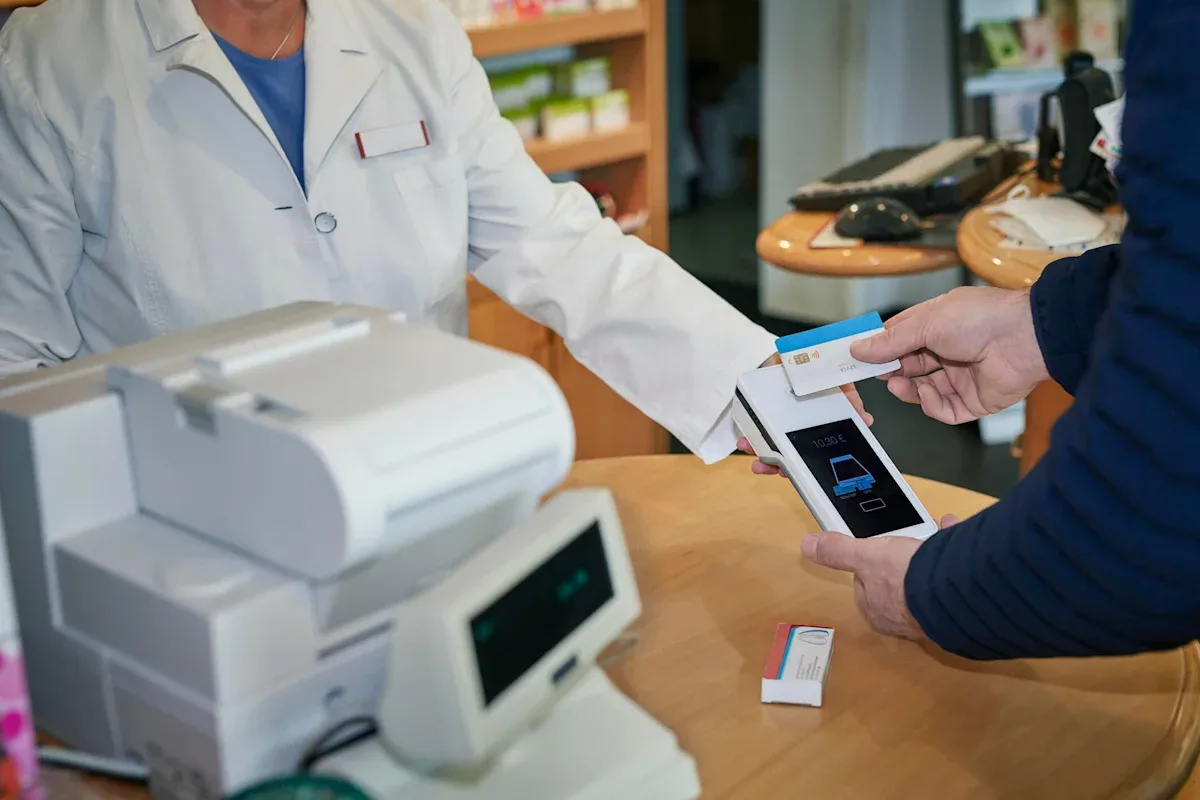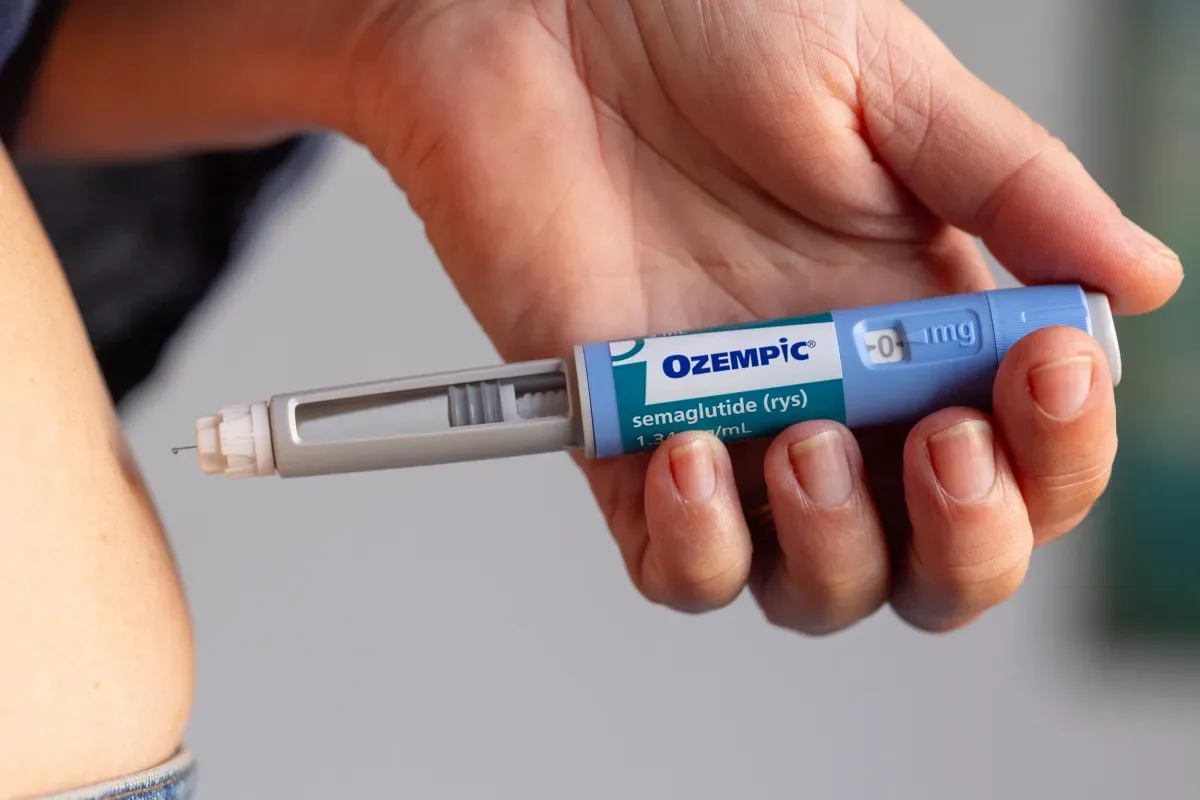

Imagine standing at a pharmacy counter, handed a prescription for a medication that could control your diabetes and prevent heart disease, only to learn it costs nearly $1,000 for one month's supply. This happened to a 54-year-old father in Ohio, who couldn't afford Ozempic's $997 out-of-pocket price—even with insurance, his copay was $350. He left empty-handed, choosing rent and groceries over treatment.
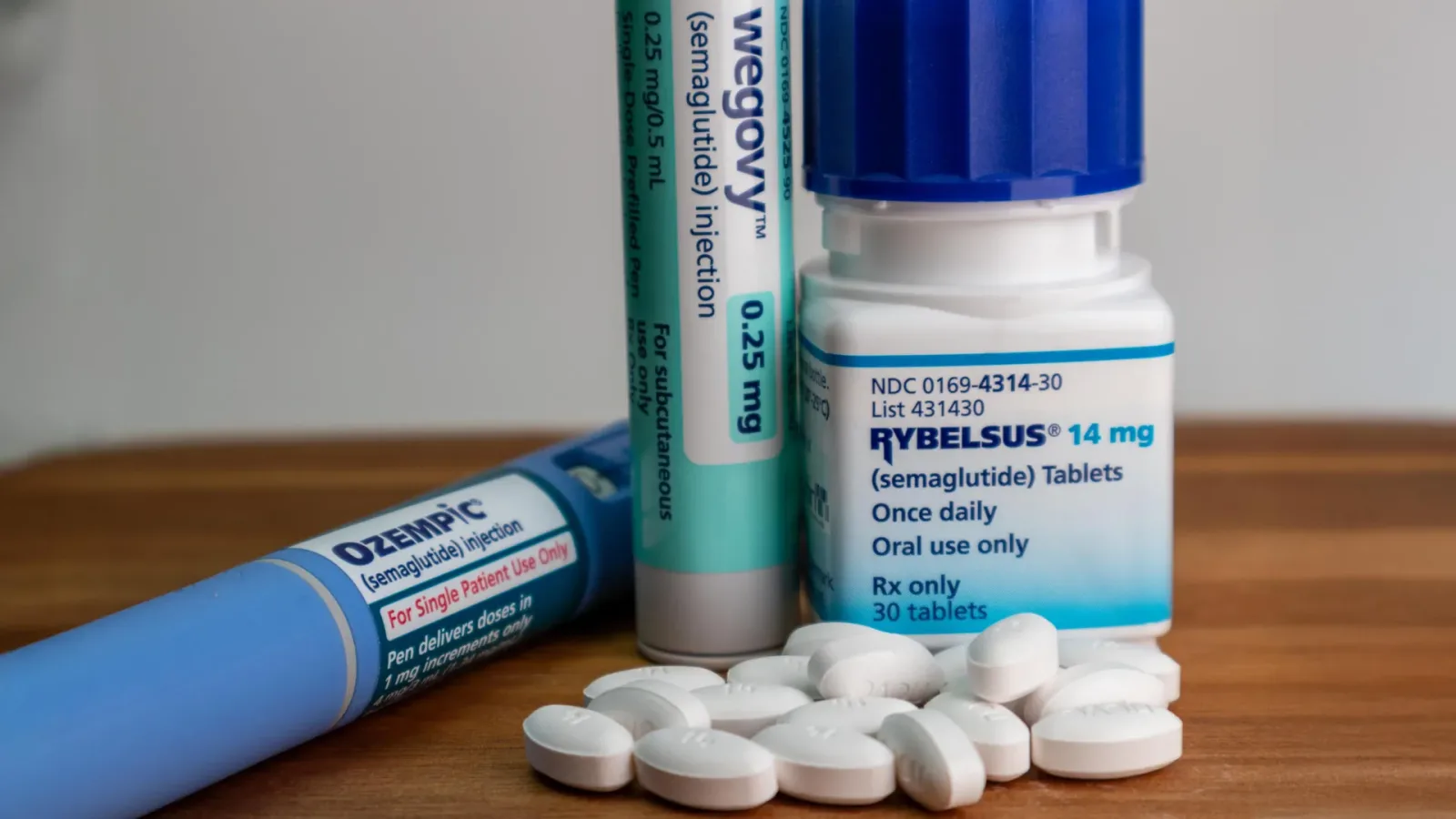
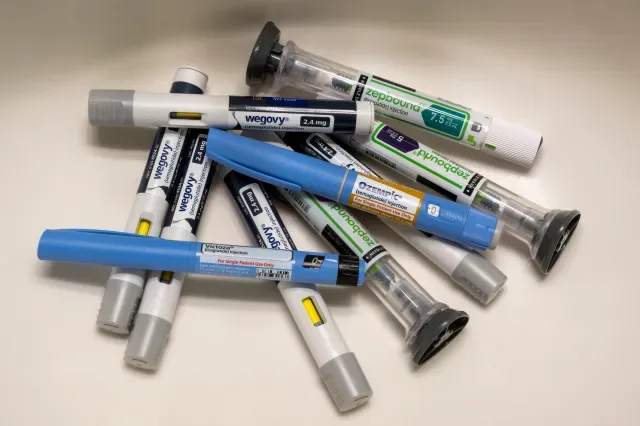
This isn't an isolated story. GLP-1 receptor agonists like Ozempic (semaglutide), Wegovy (higher-dose semaglutide), Mounjaro (tirzepatide), and Zepbound (tirzepatide for weight loss) have revolutionized metabolic health. Yet, in the US, they cost $900–$1,350 monthly without insurance—several times higher than in Canada or Europe. High prices force patients to ration doses, skip refills, or abandon therapy altogether, risking severe health complications.
What Are GLP-1 Medications and How Do They Work?
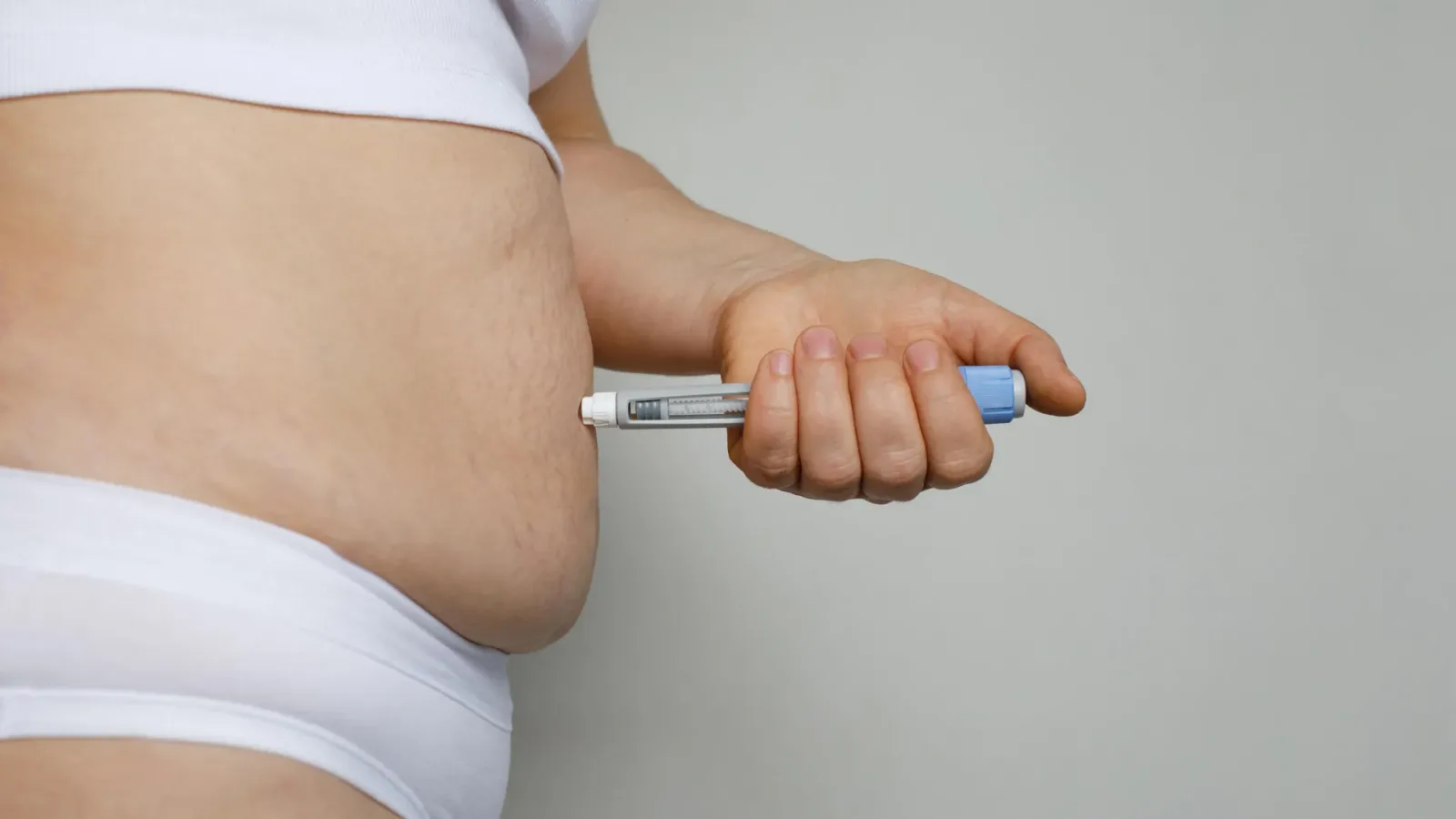
GLP-1s mimic glucagon-like peptide-1, a gut hormone that regulates blood sugar and appetite. Injected weekly, they slow gastric emptying, signal fullness to the brain, and boost insulin release while curbing glucagon.
- Semaglutide (Ozempic/Wegovy): FDA-approved for type 2 diabetes (Ozempic) and chronic weight management (Wegovy). Doses start at 0.25 mg, titrating to 2.4 mg.
- Tirzepatide (Mounjaro/Zepbound): Dual GLP-1/GIP agonist, approved for diabetes (Mounjaro) and obesity (Zepbound). Superior weight loss: up to 22.5% body weight reduction.
These aren't 'miracle' drugs but evidence-based therapies. The LEADER trial showed semaglutide reduced cardiovascular events by 26% in diabetics. SURMOUNT-1 for tirzepatide reported 20%+ weight loss vs. 3% placebo, with sustained benefits at 72 weeks.
GLP-1s address obesity's root: impaired satiety signaling, not just calorie counting.
Clinical Benefits: Beyond Weight Loss
For type 2 diabetes, GLP-1s lower A1C by 1.5–2.4% and cut risks of kidney disease and heart failure. In obesity, they reverse metabolic syndrome: STEP trials showed 15–17% weight loss, improving sleep apnea, hypertension, and NAFLD.
Deep Dive: Tirzepatide's Edge. SURPASS-2 head-to-head vs. semaglutide: tirzepatide yielded 12 kg loss vs. 9 kg, with better glycemic control. Yet access barriers persist—insurers often deny for weight loss, labeling it 'cosmetic' despite obesity's disease status (AMA 2013).
Common Side Effects and Management
Gastrointestinal issues (nausea, diarrhea) affect 20–40% initially but wane. Rare risks: pancreatitis (<1%), gallbladder issues. Mitigation: slow titration, hydration, small meals. Tools like Shotlee help track symptoms, side effects, and nutrition to optimize therapy.
Why Do GLP-1s Cost So Much More in the US?
America pays 2.5x more for drugs than OECD peers. List prices for Ozempic: $936 US vs. $83 Canada, $110 UK. Factors:
- Pharmacy Benefit Managers (PBMs): Middlemen like CVS Caremark negotiate rebates (up to 50%) but retain much, inflating list prices. Patients face high deductibles ($1,000+) or non-formulary copays.
- List Price vs. Net Price: Manufacturers set high lists; rebates lower net for payers, but uninsured pay full. GLP-1 rebates: 40–60%.
- Limited Competition: Novo Nordisk and Eli Lilly dominate; patents block generics until 2030s.
KFF 2023: 30% of adults skip meds due to cost; 42% on polypharmacy. For GLP-1s, rationing spikes blood sugars, hospitalizations.
Patient Stories and Health Consequences
Insured patients hit 'donut holes'; uninsured face full price. A 2024 JAMA study: 1 in 5 GLP-1 users underdose due to cost, halving efficacy. Outcomes: worsened diabetes control, weight regain, CV events.
Precision tracking for your journey
Join thousands using Shotlee to accurately track GLP-1 medications and side effects.
📱 Get the Shotlee App
Track your GLP-1 medications, peptides, and health metrics on the go with our mobile app!
High costs aren't abstract—they mean choosing between meds and meals, treatment and tragedy.
Policy Efforts to Lower Drug Prices
Inflation Reduction Act (IRA, 2022): Medicare negotiates 10 drugs in 2026, expanding to 15 by 2027. Caps insulin at $35/month. GLP-1s excluded; private insurance untouched.
Trump-Era Proposals: 'Most Favored Nation' rule tied US prices to lowest international rates. TrumpRx pressured Novo/Eli Lilly on GLP-1s. Blocked by courts but showed manufacturer accountability.
Evidence favors hybrids: Canada's PBCAC negotiates broadly; Australia's reference pricing caps at 80% of international lows.
Congressional Recommendations
- Expand IRA to 50+ drugs, including GLP-1s/insulin.
- National reference pricing for private/Medicare.
- PBM transparency: Pass rebates to patients.
Tips for Affordability and Safe Use
Patient Assistance: Novo Nordisk Savings Card: $25/month with insurance (income limits). LillyDirect for Mounjaro.
Alternatives: Compounded semaglutide (~$300/month) via 503B pharmacies—FDA-monitored post-shortage. Oral Rybelsus ($900+).
Lifestyle synergy: GLP-1s + protein-rich diet, resistance training amplify results 20–30%. Track progress with apps like Shotlee for nutrition, adherence.
Consult providers for switches (e.g., tirzepatide if semaglutide intolerant).
The Path Forward for GLP-1 Affordability
Combining IRA negotiations with reference pricing could halve GLP-1 costs by 2030, per CBO models. Biosimilars (2025+) and PBM reform accelerate this. Patients deserve access to these life-changing therapies without financial ruin.
Until then, prioritize evidence-based use: titrate slowly, monitor via apps, integrate habits. Metabolic health is achievable—policy must catch up.