
Study Flags Gut Risks from SNAC in Oral Weight-Loss Pills
Blockbuster weight-loss drugs containing semaglutide are reshaping obesity treatment, but a new Adelaide University study on SNAC—the absorption-enhancing ingredient in oral versions—is prompting closer scrutiny of its biological effects. This first in vivo research on repeated salcaprozate sodium (SNAC) exposure highlights potential concerns for gut health, inflammation, and more, as tablet forms like the newly approved Wegovy pill increase accessibility over costly injectables.
The Rise of Oral GLP-1 Weight-Loss Medications
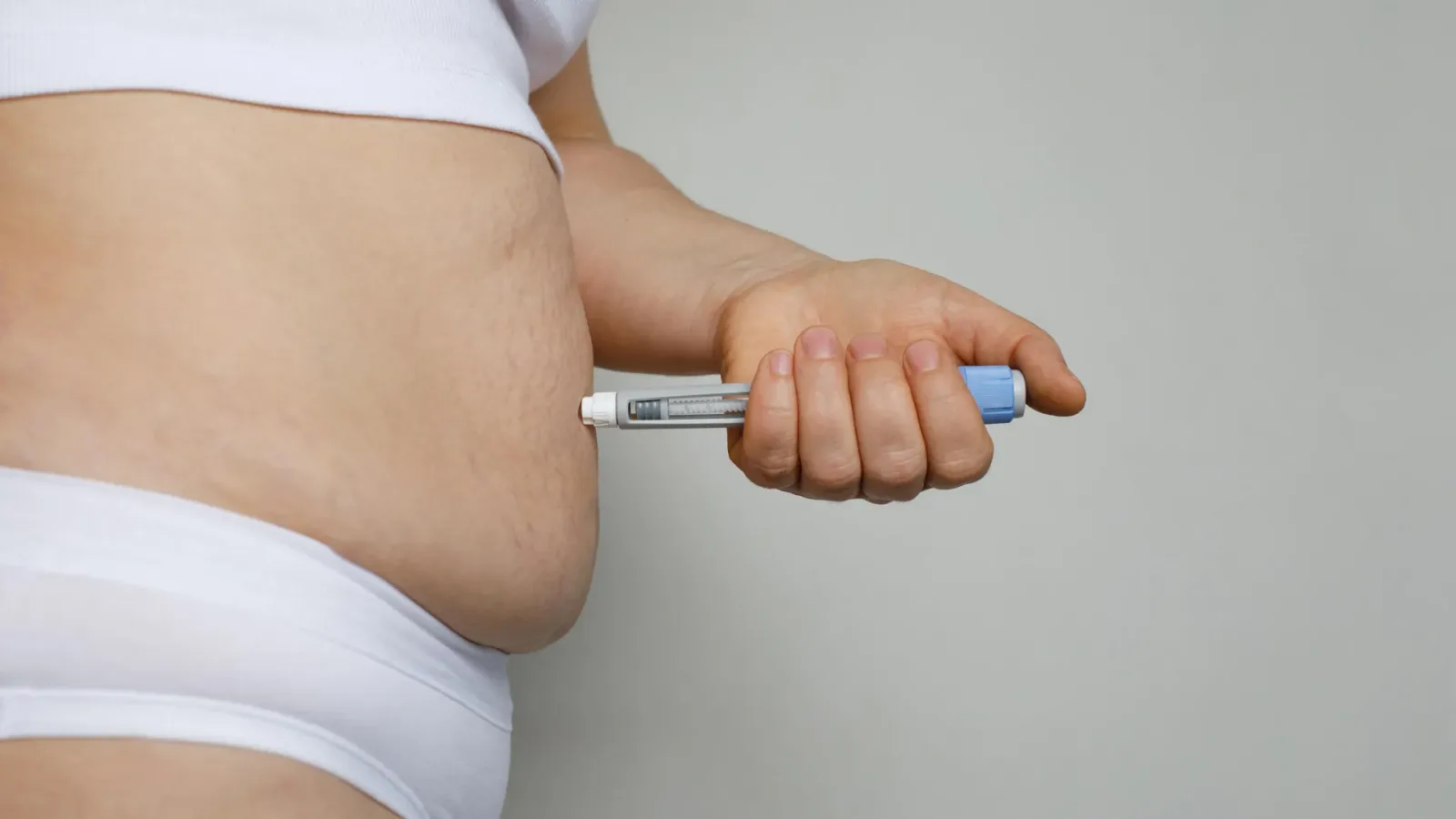
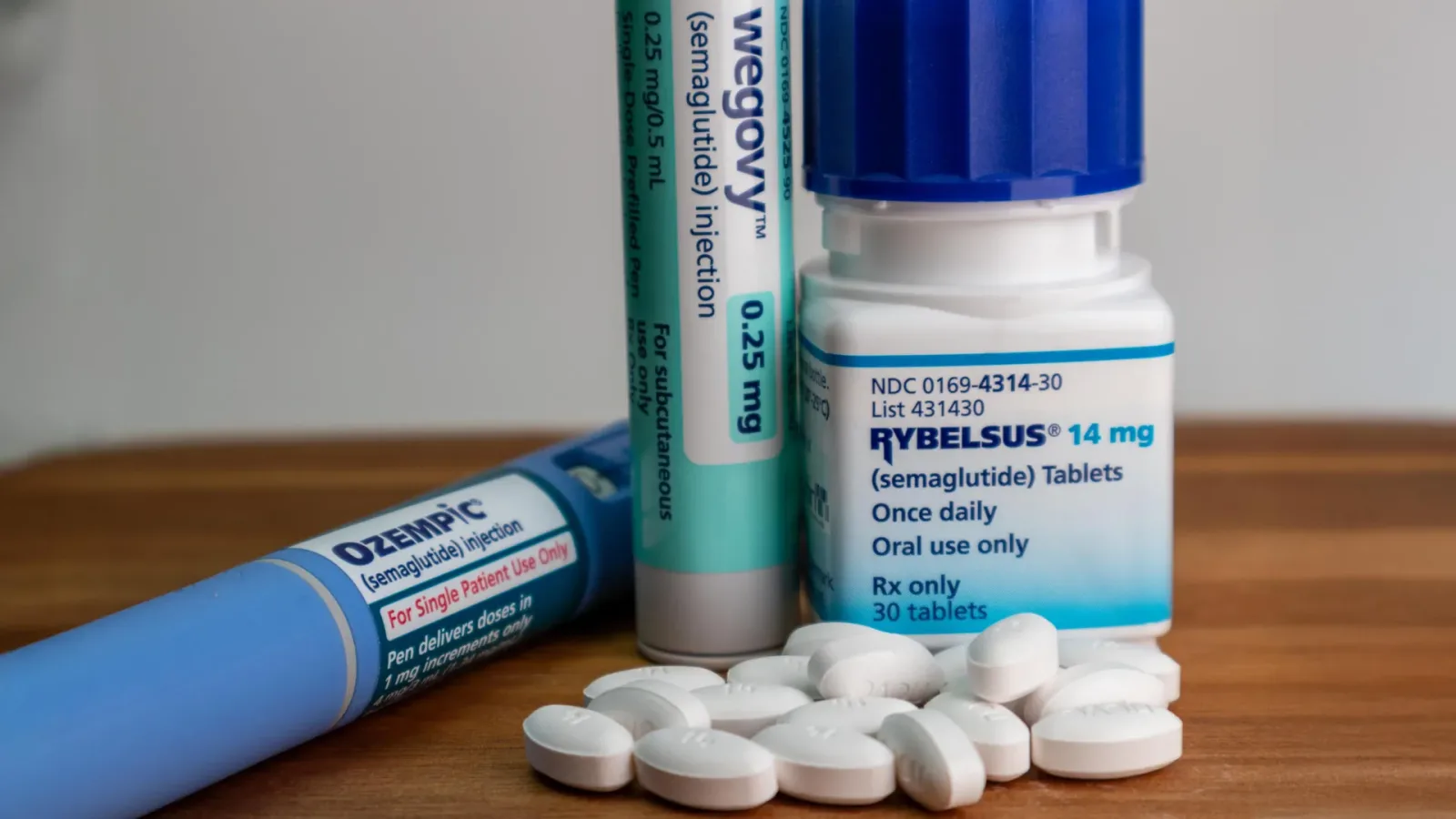
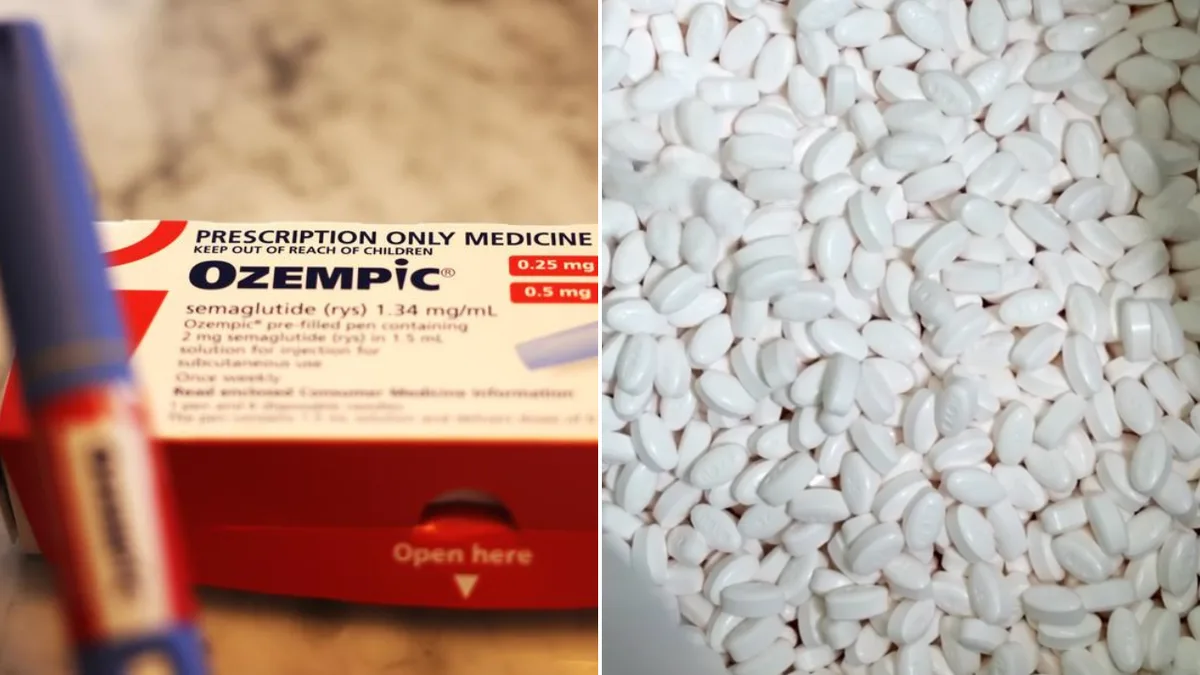
GLP-1 receptor agonists like semaglutide, found in Ozempic and Wegovy, have transformed metabolic health management. Injectable forms bypass the digestive system for direct bloodstream entry, but oral semaglutide relies on SNAC to survive stomach acids and enzymes. The U.S. approval of Wegovy tablets late last year promises cheaper, more convenient options, likely spiking long-term daily SNAC exposure worldwide.
Obesity affects about 890 million adults and 160 million children globally—one in eight people. In OECD nations, the U.S. leads at 43% obesity rate among those 15+, with Australia at 31% (sixth highest) versus the 25% average. In Australia, Ozempic and Wegovy prescriptions have surged, amplifying the need to evaluate all pill components.
Key Findings from the Adelaide University SNAC Study
This pioneering 21-day animal model systematically assessed SNAC's impact on gut microbiota, function, and metabolism. Researchers observed:
- Lower levels of beneficial gut bacteria that help break down dietary fibre
- Reduced short-chain fatty acids, which protect the gut lining and help regulate inflammation
- Higher levels of blood inflammatory markers
- An increase in liver weight, which can reflect low-grade inflammation
- A smaller caecum—the part of the intestine where gut bacteria break down fibre and produce protective compounds
- Reduced levels of a brain-derived protein associated with cognitive impairment
These shifts suggest SNAC may influence biology beyond aiding semaglutide absorption. While not proving direct harm, the results underscore a research gap for oral formulations used chronically.
Understanding the Gut Microbiota Disruptions
Gut bacteria play a crucial role in metabolic health, fiber digestion, and immune regulation. Beneficial strains produce short-chain fatty acids (SCFAs) like butyrate, which nourish colon cells, curb inflammation, and support brain health via the gut-brain axis. The study's noted declines could indirectly affect weight management and comorbidities like diabetes or cardiovascular disease—common in obesity patients on GLP-1s.
Inflammation and Organ Changes
Elevated blood inflammatory markers and increased liver weight point to subtle systemic effects. The smaller caecum implies altered fermentation sites, potentially reducing protective metabolite production. The brain protein reduction raises questions about cognitive links, though early data warrants human validation.
How SNAC Enables Oral Semaglutide
Semaglutide mimics GLP-1 hormone to slow gastric emptying, enhance satiety, and improve insulin sensitivity—key for obesity and type 2 diabetes. In injectables (e.g., Ozempic pens), it absorbs directly. Tablets, however, face harsh stomach conditions; SNAC acts as a permeation enhancer, forming protective complexes to boost intestinal uptake by up to 2-3 times. Without it, oral bioavailability drops below 1%, rendering the pill ineffective.
This mechanism drives excitement for tablets but introduces daily SNAC dosing—unlike one-time injectables—prompting the Adelaide study amid rising demand.
Precision tracking for your journey
Join thousands using Shotlee to accurately track GLP-1 medications and side effects.
📱 Get the Shotlee App
Track your GLP-1 medications, peptides, and health metrics on the go with our mobile app!
Expert Insights on SNAC's Biological Impact
"Obesity is a complex, chronic disease with serious health consequences. These medicines are highly effective and are helping many people," says lead author and Adelaide University PhD candidate Amin Ariaee. "But as oral versions become more widely used, we need to understand what repeated, long-term exposure to all ingredients in the pill means for the body—not just the active drug."
Ariaee notes associations with harmful gut bacteria shifts, elevated inflammation, and cognitive-linked protein depletion, urging further probes.
"Importantly, our findings do not prove that SNAC causes harm in humans," cautions Senior Research Fellow Dr Paul Joyce. "However, they do show that the ingredient enabling these tablets to work may have adverse biological effects beyond drug absorption. These medicines are typically taken daily and often for long periods. As their use expands globally, it becomes increasingly important to evaluate all components of these therapies, not just the active compound."
Comparing Oral vs. Injectable GLP-1 Therapies
Accessibility and Convenience
Oral semaglutide (e.g., 14mg daily Rybelsus for diabetes, emerging Wegovy tablets for weight loss) eliminates needles, appealing to injection-averse patients. Expected lower costs could broaden access, but SNAC introduces unique considerations absent in shots.
Safety Profile Context
Injectables carry GI side effects like nausea (up to 44% initially), but gut microbiota data is limited. Oral forms add degradation risks if not taken correctly (empty stomach, water only). The SNAC study fills a void, though human trials like PIONEER program showed good tolerability—without microbiota focus. Common side effects remain GI-related; rare pancreatitis or thyroid risks apply to both.
What This Means for Patients Considering Oral Weight-Loss Drugs
If eyeing SNAC-containing tablets:
- Consult your doctor: Discuss personal gut health history, as microbiota varies by diet, antibiotics, or IBS.
- Monitor symptoms: Track GI changes, fatigue, or cognitive fog. Tools like Shotlee can help log side effects, medication adherence, and symptom patterns for doctor reviews.
- Lifestyle synergy: Pair with fiber-rich diets to support microbiota, potentially offsetting risks.
- Weigh options: Injectables avoid SNAC; start low-dose orally if tolerated.
Patients with obesity-related inflammation or liver concerns may prioritize monitoring. Long-term data is pending, but benefits often outweigh risks for eligible candidates (BMI ≥30 or ≥27 with comorbidities).
Key Takeaways from the SNAC Study
- First animal study shows repeated SNAC alters gut bacteria, SCFAs, inflammation, liver, caecum, and brain proteins.
- Enables oral semaglutide but raises questions for chronic use.
- Experts urge balanced evaluation amid obesity crisis.
- No proven human harm yet—more research needed.
- Patients: Prioritize medical guidance, track health metrics.
Conclusion: Balancing Innovation with Caution in Peptide Therapy
The Adelaide University study spotlights SNAC's role in oral weight-loss pills, preserving semaglutide's efficacy while flagging potential gut and systemic effects. As obesity treatments evolve, scrutinizing excipients like SNAC ensures safer metabolic health strategies. Stay informed, consult professionals, and consider holistic approaches for optimal outcomes. For related topics like GLP-1 heart benefits or peptide comparisons, explore our guides on GLP-1s and cardiovascular risk or peptide safety.