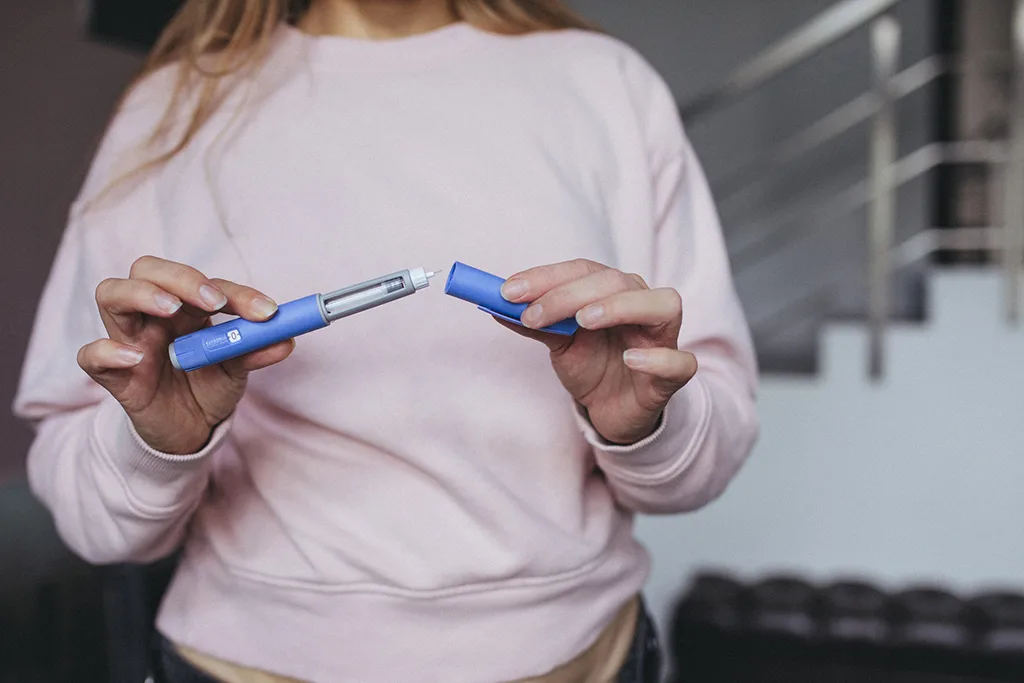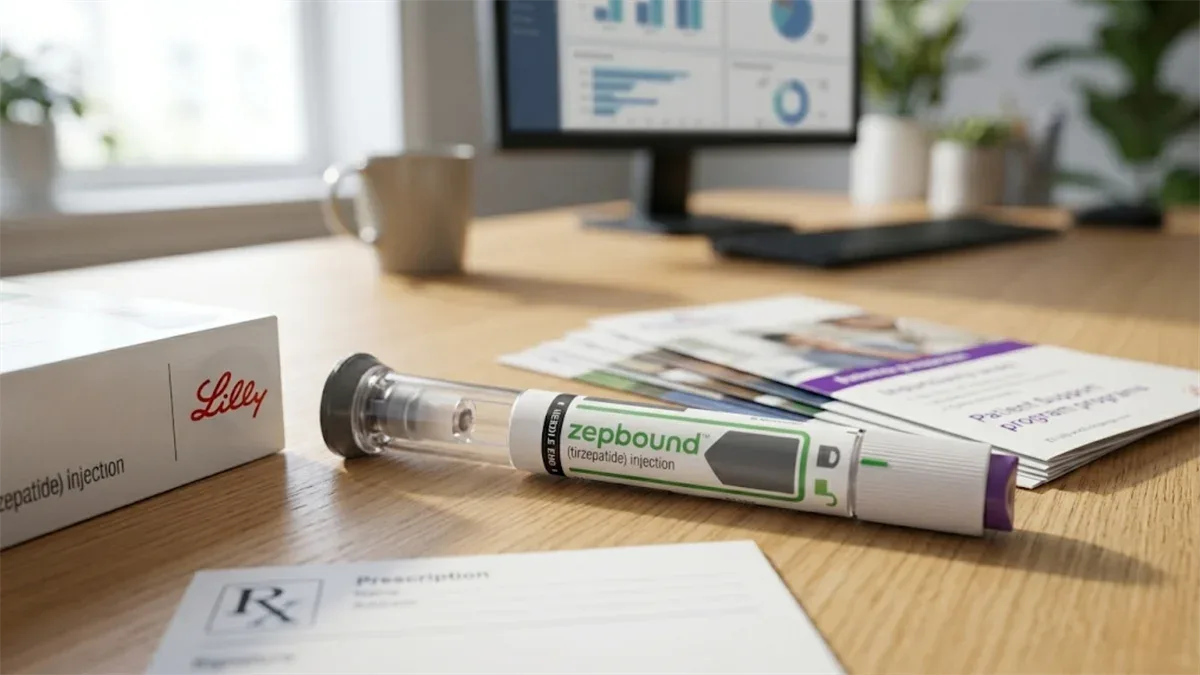

Eli Lilly's new GLP-1 pill, orforglipron, is generating buzz in the type 2 diabetes and weight management communities. Prescribed for type 2 diabetes, this oral medication targets the same GLP-1 receptors as oral semaglutide, offering potential advantages in efficacy and convenience. In a pivotal phase 3 trial, it showed superior weight loss results, positioning it as a promising contender against existing options like Rybelsus.
What is Orforglipron and How Does It Work?
Orforglipron, manufactured by Eli Lilly, is a non-peptide GLP-1 receptor agonist designed specifically for oral administration. Like semaglutide, it mimics the incretin hormone GLP-1, which plays a crucial role in glucose regulation. By activating GLP-1 receptors in the pancreas, gut, and brain, orforglipron lowers blood sugar levels, slows gastric emptying (digestion), and suppresses appetite. This multifaceted mechanism addresses core issues in type 2 diabetes: hyperglycemia, overeating, and weight gain.
A key differentiator from semaglutide tablets (Rybelsus) is convenience—no need to take it on an empty stomach. This could improve patient adherence, a common barrier in chronic disease management. Currently, orforglipron awaits approval from regulators in Europe, the US, and the UK, with the US Food and Drug Administration (FDA) actively reviewing it. In contrast, semaglutide remains the only GLP-1 medication available in pill form in the US for type 2 diabetes, marketed as Rybelsus. The weight-loss pill version related to Wegovy has also just been approved, expanding oral options.
GLP-1 Mechanism in Depth: Why It Matters for Type 2 Diabetes
GLP-1 receptor agonists like orforglipron enhance insulin secretion in response to meals while inhibiting glucagon release, preventing excessive liver glucose production. They also promote satiety signals in the hypothalamus, reducing caloric intake. For patients with type 2 diabetes, where insulin resistance and beta-cell dysfunction prevail, these actions can lead to meaningful improvements in A1C levels and body weight.
Unlike injectable semaglutide (Ozempic, Wegovy) or tirzepatide (Mounjaro), which have demonstrated robust weight loss (up to 15-20% in some trials), oral versions have historically lagged. Oral semaglutide achieves less weight reduction than injections due to bioavailability challenges—only about 1% of the dose reaches systemic circulation. Orforglipron's small-molecule design may overcome this, as evidenced by recent trial data.
Positive Phase 3 Trial Results: Achieve-3 Breakdown
The landmark Achieve-3 trial, funded by Eli Lilly, provides the strongest evidence yet for orforglipron's potential. This study enrolled more than 1,500 adults with type 2 diabetes across 131 medical research centers and hospitals in Argentina, China, Japan, Mexico, and the US. Participants were randomized to receive either 12mg or 36mg of orforglipron daily, or 7mg or 14mg of oral semaglutide, over one year.
Key outcomes:
- Weight Loss: Patients on orforglipron lost on average 6-8% of their body weight, compared with 4-5% on semaglutide.
- Blood Sugar Control: Both doses of orforglipron resulted in lower average blood sugar levels at trial's end than either semaglutide dose.
These results highlight orforglipron's edge in dual glycemic and weight management, critical for type 2 diabetes patients at risk for obesity-related complications like cardiovascular disease.
Challenges: Side Effects and Discontinuation Rates
Despite its efficacy, orforglipron was not without drawbacks. Discontinuation rates were higher in the orforglipron groups—about 9-10% of participants stopped due to side effects, primarily gastrointestinal issues like nausea, vomiting, and diarrhea—compared with 4-5% in the semaglutide groups. These are common with GLP-1 therapies, often peaking early and subsiding with time or dose titration.
Experts emphasize monitoring these effects. Tools like Shotlee can help patients track symptoms and side effects, enabling better discussions with healthcare providers about dose adjustments or alternatives.
Precision tracking for your journey
Join thousands using Shotlee to accurately track GLP-1 medications and side effects.
📱 Get the Shotlee App
Track your GLP-1 medications, peptides, and health metrics on the go with our mobile app!
Expert Insights on Orforglipron's Implications
"Higher discontinuation due to adverse events, particularly gastrointestinal symptoms, is a key consideration and may have implications for tolerability and adherence in real-world settings."
— Marie Spreckley, MRC Epidemiology Unit, University of Cambridge
Speckley noted that the one-year trial duration leaves gaps in longer-term data, including safety, cardiovascular outcomes, and sustained effectiveness—vital for chronic conditions like type 2 diabetes.
"These are important findings. The more effective oral medicines we have to help people with type 2 diabetes lose weight and keep it off, the better."
— Naveed Sattar, Professor of Cardiometabolic Medicine, University of Glasgow
Sattar advocates for holistic approaches targeting weight, blood sugar, and cardiovascular risk. He predicts: "Incretin-based therapies associated with substantial intentional weight loss 'may well become first-line treatments for type 2 diabetes within the next decade, potentially helping many people achieve remission for several years'."
Orforglipron vs. Current GLP-1 Options: A Comparison
| Medication | Form | Weight Loss (Trial Data) | Key Pros | Key Cons |
|---|---|---|---|---|
| Orforglipron | Oral Pill | 6-8% | Superior to oral semaglutide; no empty stomach needed | Higher GI side effects; not approved |
| Oral Semaglutide (Rybelsus) | Oral Pill | 4-5% | Only approved oral GLP-1 in US | Empty stomach required; less effective |
| Semaglutide Injections (Ozempic/Wegovy) | Weekly Injection | 10-15%+ | Proven efficacy | Injections; storage needs |
| Tirzepatide (Mounjaro) | Weekly Injection | 15-20%+ | Dual GIP/GLP-1 action | Injections only |
Experts believe tablet versions like orforglipron could be transformative: easier to take and store than injections, potentially cheaper long-term, and more accessible for needle-phobic patients.
Practical Guidance for Patients Considering Oral GLP-1s
Who Might Benefit?
Ideal candidates include adults with type 2 diabetes struggling with weight and glycemic control who prefer oral meds. Discuss with your doctor if you have GI sensitivities or need cardiovascular risk reduction—GLP-1s show promise there, pending more data.
Safety and Side Effects to Watch
Common side effects mirror semaglutide: nausea (up to 20-30% initially), diarrhea, and constipation. Rare risks include pancreatitis or gallbladder issues. Start low, titrate slowly, and stay hydrated. Use apps like Shotlee to log symptoms and medication adherence for optimized care.
What to Discuss with Your Doctor
- Current A1C and BMI—does orforglipron fit your goals?
- Alternatives if GI tolerance is poor.
- Monitoring plan for long-term outcomes.
Key Takeaways: What This Means for Type 2 Diabetes Management
- Orforglipron offers 6-8% weight loss and better glycemic control than oral semaglutide in Achieve-3.
- Oral convenience could boost adherence, but GI side effects drove higher dropouts.
- Pending approval, it may expand first-line options alongside lifestyle interventions.
- Holistic care—weight, glucose, CV risk—is key, per experts like Sattar.
Conclusion: A Step Forward in Oral GLP-1 Therapy
Eli Lilly's orforglipron represents a potential leap for oral GLP-1 treatments, preserving efficacy closer to injections while ditching needles. While awaiting regulatory nods and longer-term data, these findings underscore the evolving landscape of type 2 diabetes care. Patients: Consult your provider to explore if emerging options like this align with your health journey. Stay informed on updates for metabolic health advancements.