
Semaglutide Nasal Spray: Affordable Weight Loss Option Coming Soon
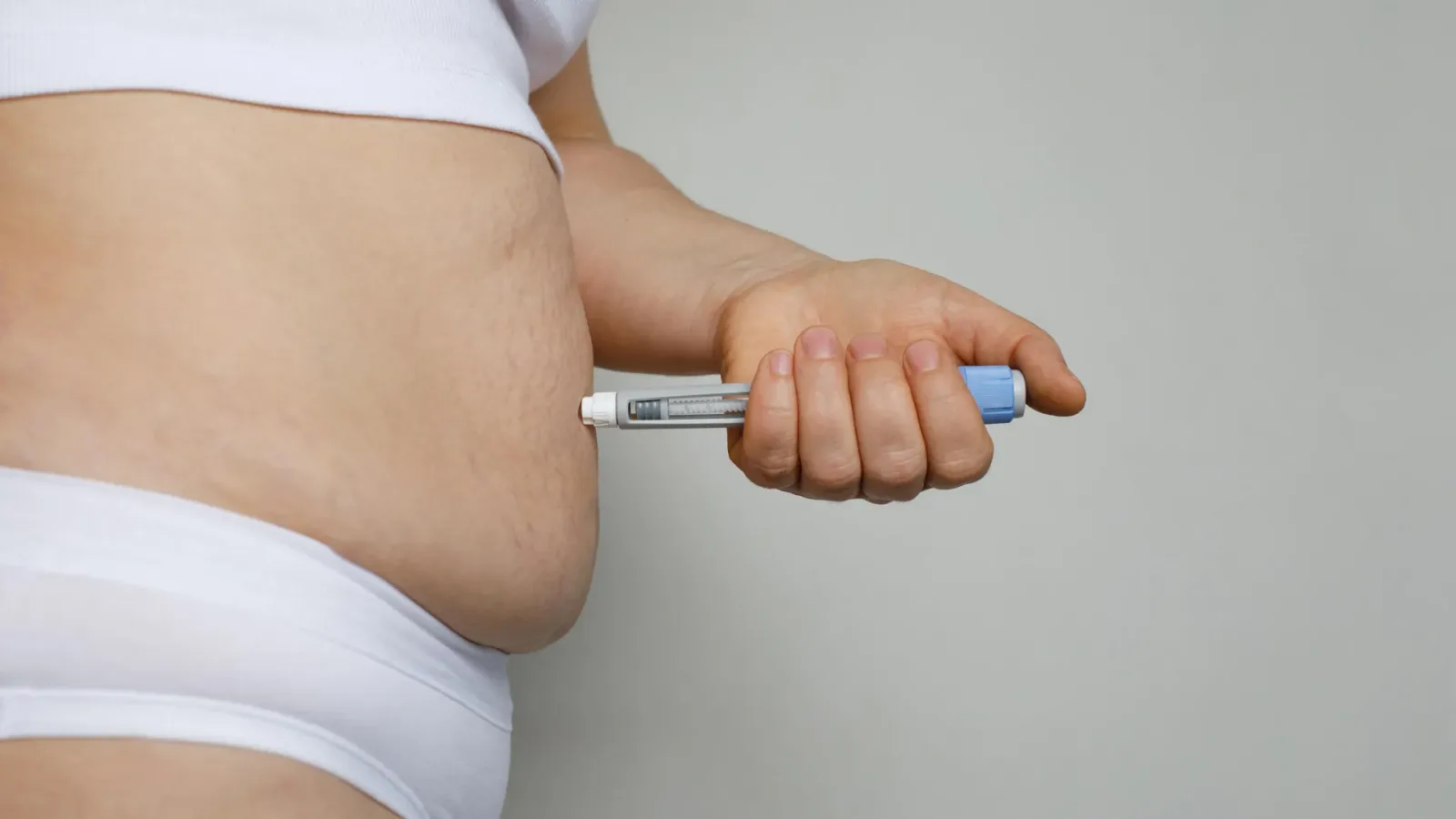
In New Delhi and beyond, people seeking easier access to weight-loss drugs like semaglutide nasal spray may have a promising new option on the horizon. Shanghai Shiling Pharmaceutical, a Chinese company, has announced trials for a semaglutide nasal spray, leveraging the same active ingredient found in popular injections such as Wegovy and Ozempic. This comes amid skyrocketing demand for GLP-1 medications, where prescription access remains limited by cost and availability.
The Emergence of Semaglutide Nasal Spray
The weight loss nasal spray represents an innovative delivery method for semaglutide, designed for long-term use. Shanghai Shiling Pharmaceutical told Reuters it plans to complete global clinical studies by 2028, with intentions to enter major international drug markets thereafter. Crucially, the firm expects this nasal form to cost less than existing injectable or tablet versions, addressing one of the biggest barriers to GLP-1 therapy: high prices.
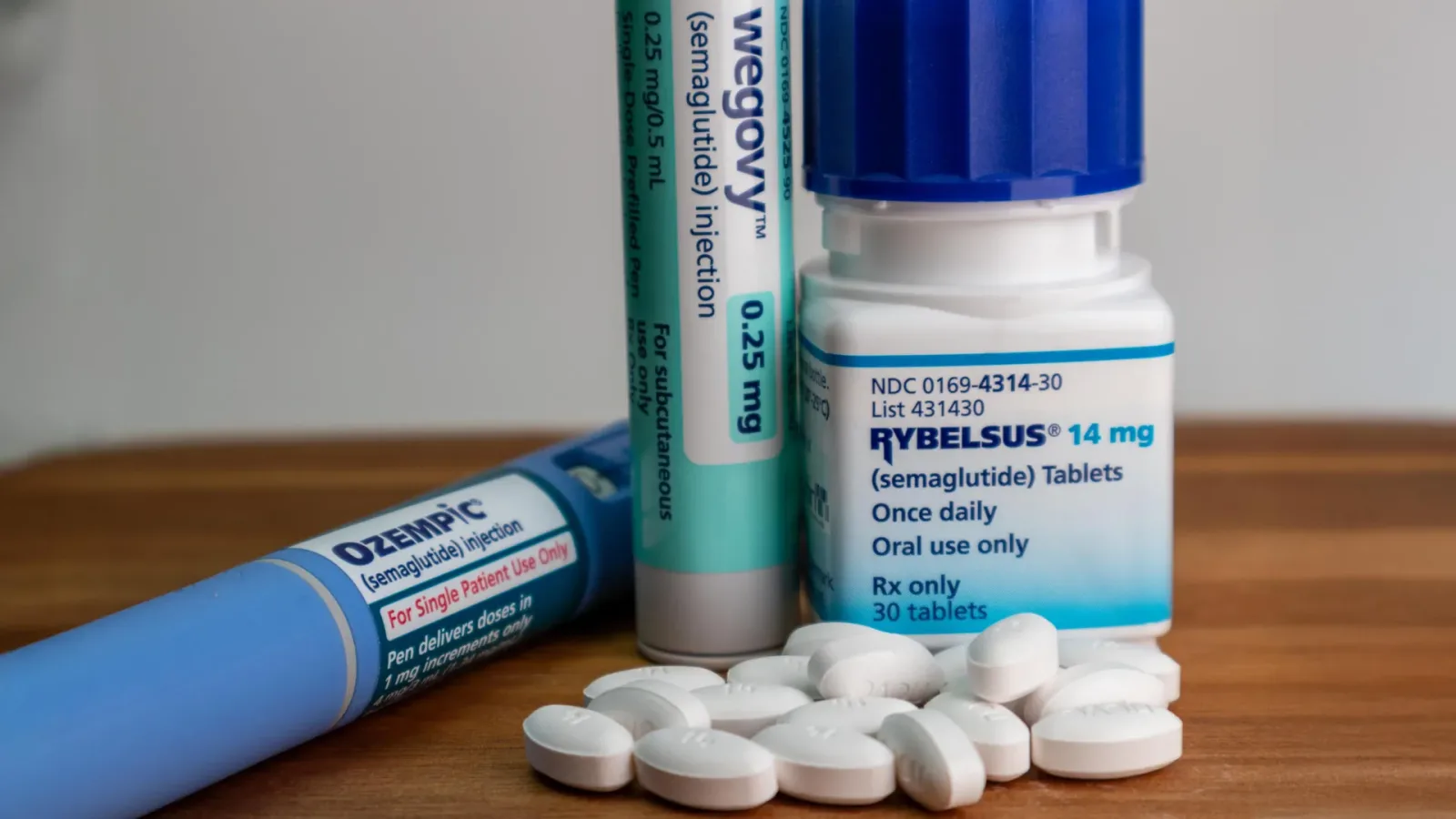
Current semaglutide injections like Ozempic and Wegovy have transformed obesity management, but their expense—often hundreds of dollars per month—limits widespread adoption. A more affordable semaglutide nasal spray could democratize access, especially as drugmakers race to innovate delivery systems. Last month, a daily pill form of Wegovy launched in the United States, providing a lower-priced alternative for those averse to needles, setting the stage for further competition.
What is Semaglutide?
Semaglutide is a breakthrough in obesity care, mimicking the GLP-1 hormone to suppress appetite and promote a sense of fullness. This mechanism supports sustained weight loss when combined with lifestyle changes like diet and exercise. As a glucagon-like peptide-1 (GLP-1) receptor agonist, it slows gastric emptying, reduces food intake, and improves blood sugar control, making it effective for both weight management and type 2 diabetes.
The drug's popularity stems from clinical trials showing average weight reductions of 15-20% over 68 weeks in injectable forms. However, the cost factor remains a limitation in most cases, prompting innovations like nasal sprays and oral tablets. Patients often report fewer cravings and better portion control, but success hinges on integrating it with behavioral modifications.
How Semaglutide Works in the Body
- Appetite Suppression: Activates brain receptors to signal fullness.
- Glycemic Control: Enhances insulin secretion and reduces glucagon.
- Weight Loss Support: Delays digestion for prolonged satiety.
Understanding this GLP-1 pathway explains why semaglutide has become a cornerstone of metabolic health strategies.
How Do Nasal Sprays Work for Weight Loss?
The nasal spray approach for semaglutide is relatively new, with research still limited. It works by allowing the drug to be absorbed through the nasal mucosa—the lining inside the nose—potentially bypassing the digestive system for faster, more direct delivery to the brain. This could enhance appetite-suppressing effects compared to oral forms, which face first-pass metabolism in the liver.
Earlier small-scale studies suggest nasal delivery may improve bioavailability, but large-scale evidence is lacking to confirm it matches the efficacy of injections. For context, injectable semaglutide achieves steady blood levels via weekly dosing, while nasal sprays might require daily use for consistent effects. Ongoing trials by Shanghai Shiling will be pivotal in establishing dosing, efficacy, and safety profiles.
Precision tracking for your journey
Join thousands using Shotlee to accurately track GLP-1 medications and side effects.
📱 Get the Shotlee App
Track your GLP-1 medications, peptides, and health metrics on the go with our mobile app!
Potential Advantages of Nasal Delivery
- Needle-Free: Ideal for injection-phobic patients.
- Cost-Effective: Lower production costs than biologics.
- Convenience: Portable and quick administration.
However, challenges like nasal irritation or variable absorption need addressing through rigorous testing.
Current Regulatory Status and Trials
At present, nasal semaglutide is not approved for use in the UK or the US, primarily due to incomplete safety testing and long-term data. Shanghai Shiling's trials aim to fill this gap, with completion targeted for 2028. The announcement's timing is notable: Novo Nordisk, the Danish giant behind Ozempic and Wegovy, is set to lose its semaglutide patent in China next month.
This expiry will enable rival firms to produce legal generic versions containing the same active ingredient, working identically to branded drugs but differing in inactive components or appearance. Generics typically cost 70 to 90 percent less, and increased competition often drives market-wide price reductions.
Comparisons to Existing Semaglutide Forms
| Form | Dosing | Pros | Cons |
|---|---|---|---|
| Injections (Ozempic, Wegovy) | Weekly | Proven efficacy, steady levels | High cost, needles |
| Oral Pill (Wegovy) | Daily | No injections, recent US launch | Lower bioavailability |
| Nasal Spray (Trial) | TBD | Potentially cheaper, direct absorption | Unproven at scale |
Injections remain the gold standard, but a semaglutide nasal spray could bridge gaps in accessibility and patient preference.
Safety Considerations and Side Effects
Like other semaglutide forms, the nasal spray may carry risks such as nausea, vomiting, diarrhea, and potential thyroid concerns observed in animal studies. Nasal-specific issues could include irritation, epistaxis, or altered taste. Patients should discuss with healthcare providers, especially those with nasal conditions or GI sensitivities.
Lifestyle integration is key—semaglutide supports but does not replace diet and exercise. Tools like Shotlee can help track symptoms, side effects, or medication schedules during trials or use. Long-term data from Shanghai Shiling's studies will clarify risks versus benefits.
Who Should Consider Semaglutide Options?
Ideal candidates include adults with BMI ≥30 or ≥27 with comorbidities like hypertension. Consult a doctor to assess suitability, review alternatives like tirzepatide, and monitor progress. Affordability improvements could expand access for underserved populations.
Key Takeaways: What This Means for Patients
- Shanghai Shiling's semaglutide nasal spray trials target 2028 completion, promising lower costs.
- Novo Nordisk's China patent loss next month enables cheaper generics.
- Nasal delivery may offer direct brain access, but efficacy awaits confirmation.
- Combine with lifestyle changes for best results; discuss with providers.
- Monitor for side effects and explore tracking apps for adherence.
Conclusion
The semaglutide nasal spray from Shanghai Shiling Pharmaceutical signals a shift toward more affordable, convenient weight loss therapy. By preserving semaglutide's proven appetite-suppressing power in a user-friendly format, it could broaden access amid rising obesity rates. Stay informed on trial updates and consult professionals for personalized metabolic health plans. This development underscores the evolving landscape of GLP-1 medications, balancing innovation with evidence-based care.